Beauty · Beauty
Indulge in a Luxurious Spa Treatment
Spa treatments offer a multitude of benefits that extend beyond mere relaxation. One of the most significant advantages is the profound impact on mental health. In our fast-paced w…
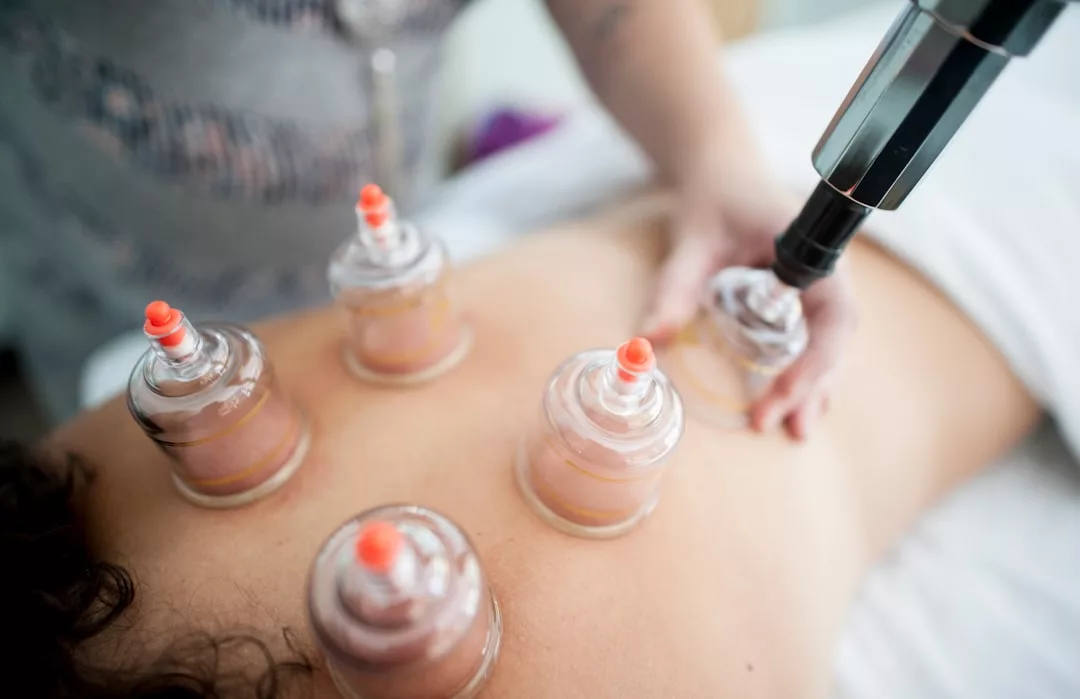
Spa treatments offer a multitude of benefits that extend beyond mere relaxation. One of the most significant advantages is the profound impact on mental health. In our fast-paced world, stress has become a common affliction, leading to anxiety and burnout.
Spa treatments provide a sanctuary where individuals can escape the pressures of daily life. The serene environment, combined with soothing therapies, allows for mental rejuvenation. For instance, aromatherapy, which utilizes essential oils, can significantly reduce stress levels and promote a sense of well-being.
The calming scents can trigger emotional responses that help to alleviate anxiety, making spa visits a powerful tool for mental health management. Physical benefits are equally noteworthy. Many spa treatments are designed to improve circulation, relieve muscle tension, and promote overall physical wellness.
Treatments such as hydrotherapy and body wraps can detoxify the body, enhancing skin health and promoting a sense of vitality. For example, a hot stone massage not only alleviates muscle pain but also improves blood flow, which can lead to better oxygenation of tissues. This dual benefit of physical and mental rejuvenation makes spa treatments an essential part of a holistic approach to health.
Key Takeaways
- Spa treatments can provide relaxation, stress relief, and improved overall well-being
- When choosing a spa, consider the location, services offered, and customer reviews
- Popular spa treatments include massages, facials, body wraps, and aromatherapy
- Prepare for your spa day by hydrating, avoiding heavy meals, and arriving early to relax
- During your spa treatment, expect a peaceful and tranquil environment with skilled professionals catering to your needs
Choosing the Right Spa for You
Selecting the right spa is crucial to ensuring a fulfilling experience. The first step is to consider the type of treatments you are interested in. Some spas specialize in specific therapies, such as medical spa treatments that focus on skin care and anti-aging procedures, while others may offer a broader range of services including massages, facials, and body treatments.
Researching the spa’s menu can help you identify which establishment aligns with your wellness goals. Additionally, reading reviews and testimonials can provide insight into the quality of service and the expertise of the staff. Location and ambiance also play significant roles in your choice of spa.
A spa that is conveniently located can make it easier to incorporate regular visits into your routine. However, the atmosphere is equally important; a tranquil setting with soothing decor can enhance your overall experience.
A welcoming environment that prioritizes customer comfort can significantly elevate your spa experience, making it more enjoyable and effective.
The Most Popular Spa Treatments
Among the myriad of treatments available at spas, certain therapies have gained widespread popularity due to their effectiveness and appeal. Massages are perhaps the most sought-after service, with various techniques catering to different needs. Swedish massage, known for its gentle strokes and relaxation benefits, is ideal for those new to massage therapy.
Conversely, deep tissue massage targets deeper layers of muscle and connective tissue, making it suitable for individuals with chronic pain or tension. Facials are another staple in spa offerings, designed to cleanse, exfoliate, and nourish the skin. Customized facials allow estheticians to tailor treatments based on individual skin types and concerns, such as acne or aging.
Treatments like microdermabrasion or chemical peels have also gained traction for their ability to rejuvenate the skin by removing dead cells and promoting cell turnover. These popular treatments not only enhance physical appearance but also contribute to a sense of well-being by fostering self-care and confidence.
How to Prepare for Your Spa Day
Preparation for a spa day can significantly enhance your experience. First and foremost, it’s essential to arrive at the spa with an open mind and a clear idea of what you hope to achieve from your visit. Whether you seek relaxation or specific therapeutic benefits, communicating your goals with the staff can help them tailor your experience accordingly.
It’s advisable to arrive early to allow yourself time to unwind before your treatment begins; many spas offer amenities such as saunas or relaxation lounges that can enhance your pre-treatment experience. Hydration is another critical aspect of preparation. Drinking plenty of water before your visit helps to flush out toxins and ensures that your body is well-hydrated for treatments like massages or body wraps.
Additionally, consider wearing comfortable clothing that allows for easy movement and changing into spa attire. If you have any medical conditions or allergies, informing the staff beforehand is crucial for ensuring your safety and comfort during treatments.
What to Expect During Your Spa Treatment
Understanding what to expect during a spa treatment can alleviate any apprehensions you may have about the experience. Upon arrival, you will typically be greeted by a receptionist who will guide you through the check-in process. Afterward, you may be shown to a changing area where you can prepare for your treatment.
Most spas provide robes and slippers for added comfort during your visit. During the treatment itself, communication is key. Your therapist will likely ask about any areas of concern or preferences regarding pressure levels during massages.
It’s important to express any discomfort or adjustments needed throughout the session to ensure a positive experience. The ambiance will typically include soft music and dim lighting designed to promote relaxation. After the treatment concludes, many spas encourage clients to take their time before leaving, allowing them to savor the post-treatment glow.
The Importance of Self-Care
Self-care has emerged as a vital component of maintaining overall health and well-being in today’s society. Engaging in regular spa treatments is one effective way to prioritize self-care amidst busy schedules and demanding responsibilities. Taking time for oneself is not merely a luxury; it is essential for mental clarity and emotional stability.
By dedicating time to relax and recharge at a spa, individuals can cultivate a healthier relationship with themselves. Moreover, self-care practices extend beyond physical pampering; they encompass emotional and psychological well-being as well. Spa treatments encourage mindfulness and presence in the moment, allowing individuals to disconnect from external stressors and reconnect with their inner selves.
This practice fosters resilience against daily challenges and promotes a more balanced lifestyle.
The Relaxing Atmosphere of a Spa
The atmosphere within a spa is meticulously crafted to promote relaxation and tranquility. From the moment you step inside, you are enveloped in an environment designed to soothe the senses. Soft lighting, calming scents from essential oils or incense, and gentle background music create an ambiance that encourages unwinding.
Many spas also incorporate natural elements such as water features or plants to enhance this serene environment. The layout of a spa often includes quiet zones where clients can relax before or after treatments. These spaces are typically free from distractions, allowing individuals to meditate or simply enjoy moments of peace.
The attention to detail in creating this atmosphere is what sets spas apart from other wellness facilities; it transforms an ordinary visit into an extraordinary experience that nurtures both body and mind.
The Healing Powers of Spa Treatments
Spa treatments are often regarded as indulgent luxuries; however, they possess genuine healing properties that can significantly improve one’s quality of life. Many therapies are rooted in ancient practices that have been used for centuries to promote health and wellness. For instance, hydrotherapy utilizes water’s natural properties to relieve pain and improve circulation, while herbal wraps harness the power of nature’s ingredients for detoxification.
The psychological benefits of spa treatments should not be overlooked either. The act of taking time out for oneself can lead to reduced stress levels and improved mood regulation. Studies have shown that regular spa visits can lower cortisol levels, the hormone associated with stress, thereby enhancing overall emotional well-being.
This holistic approach to healing underscores the importance of integrating spa treatments into one’s wellness routine.
The Different Types of Massages Offered
The variety of massage techniques available at spas caters to diverse preferences and therapeutic needs. Swedish massage is one of the most popular forms due to its gentle approach that promotes relaxation through long strokes and kneading techniques. It’s particularly beneficial for those new to massage therapy or seeking relief from mild tension.
On the other end of the spectrum lies deep tissue massage, which focuses on realigning deeper layers of muscles and connective tissue. This technique is ideal for individuals suffering from chronic pain or sports injuries as it targets specific areas of tension with more intense pressure. Other specialized massages include hot stone therapy, which uses heated stones placed on key points of the body to enhance relaxation; aromatherapy massage that incorporates essential oils tailored to individual needs; and prenatal massage designed specifically for expectant mothers to alleviate discomfort during pregnancy.
The Beauty Benefits of Spa Treatments
Spa treatments offer numerous beauty benefits that go beyond surface-level aesthetics. Facials are particularly effective in addressing various skin concerns such as acne, dryness, or signs of aging through deep cleansing and hydration techniques tailored to individual skin types. Regular facial treatments can lead to improved skin texture and tone while promoting a radiant complexion.
Body treatments also play a significant role in enhancing beauty by exfoliating dead skin cells and promoting circulation through scrubs or wraps infused with nourishing ingredients like sea salt or essential oils. These treatments not only leave the skin feeling rejuvenated but also contribute to an overall sense of well-being that radiates outwardly.
How to Incorporate Spa Treatments into Your Regular Routine
Incorporating spa treatments into your regular routine doesn’t have to be an overwhelming task; it can be as simple as scheduling monthly visits or creating at-home spa experiences on a smaller scale. Establishing a routine allows you to reap the long-term benefits associated with regular self-care practices while making it easier to prioritize wellness amidst busy schedules. Consider setting aside specific days each month dedicated solely to self-care activities such as massages or facials at your favorite spa. By making self-care a priority through consistent spa visits or home rituals, you cultivate a healthier lifestyle that nurtures both body and mind over time.
More in
More from Beauty
Beauty · 8 min
Unlocking Radiant Skin with Serum
In the realm of skincare, serums have emerged as a transformative product that can significantly enhance the health and appearance of the skin. Unlike…

Beauty · 9 min
Revitalize Your Skin with Toner: The Ultimate Guide
Toner has long been a staple in many skincare routines, yet its purpose often remains misunderstood. Traditionally, toners were formulated to remove r…

Beauty · 8 min
Shiny and Smooth: The Ultimate Lip Gloss Guide
Lip gloss has long been a staple in the beauty industry, celebrated for its ability to enhance the natural beauty of lips while providing a glossy fin…