Family · Family
Intergenerational Connections: Bridging the Gap
Intergenerational connections are vital for fostering a sense of community and belonging among individuals of different ages. These relationships bridge the gap between the young a…
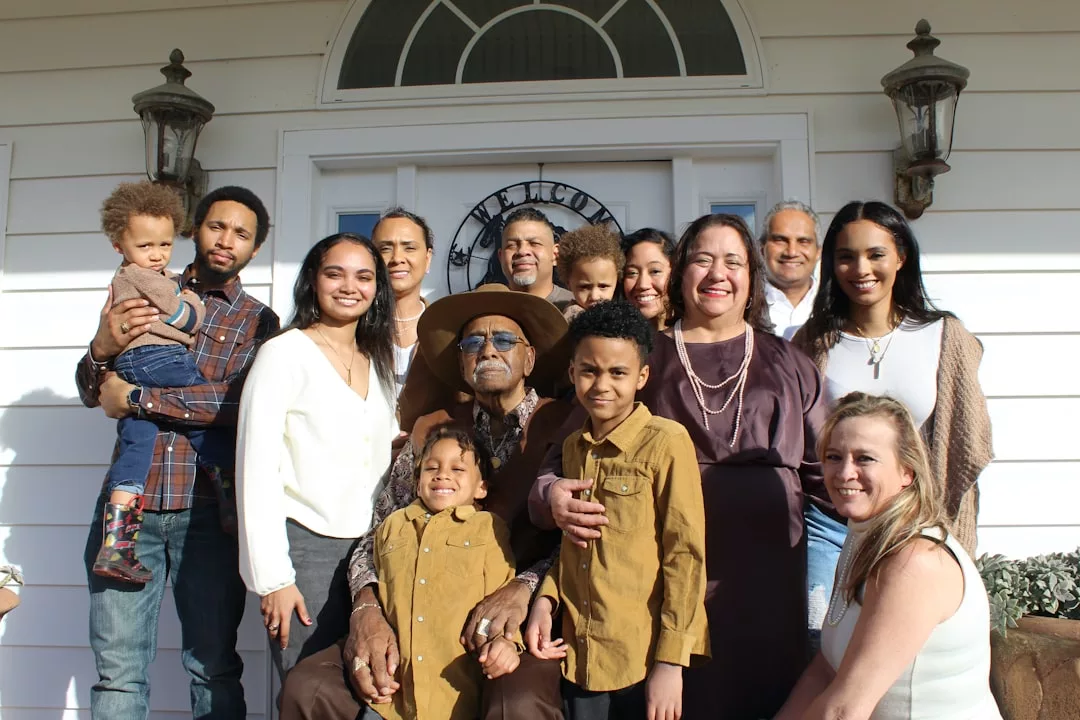
Intergenerational connections are vital for fostering a sense of community and belonging among individuals of different ages. These relationships bridge the gap between the young and the old, allowing for the exchange of knowledge, experiences, and cultural values. In a rapidly changing world, where technological advancements and societal shifts can create divides, intergenerational connections serve as a crucial mechanism for maintaining continuity and understanding across age groups.
They provide a platform for sharing wisdom from older generations while also allowing younger individuals to introduce fresh perspectives and innovative ideas. Moreover, intergenerational relationships can combat ageism, a pervasive issue in many societies. By encouraging interactions between different age groups, communities can challenge stereotypes and misconceptions about aging and youth.
This mutual understanding fosters respect and appreciation for the unique contributions each generation brings to society. As individuals engage with one another, they develop a deeper awareness of the challenges faced by different age groups, leading to more inclusive and cohesive communities.
Key Takeaways
- Intergenerational connections are important for fostering understanding and empathy across different age groups.
- Bridging the gap between generations can lead to numerous benefits for individuals and communities alike.
- Strategies for building intergenerational connections include creating opportunities for shared activities and promoting open communication.
- Overcoming barriers to intergenerational communication requires patience, active listening, and a willingness to understand different perspectives.
- Intergenerational programs and activities play a crucial role in promoting positive interactions and relationships between different age groups.
Benefits of Bridging the Gap between Generations
The benefits of bridging the generational gap are manifold, impacting not only individuals but also families and communities at large. One significant advantage is the transfer of knowledge and skills. Older adults often possess a wealth of experience and expertise that can be invaluable to younger generations.
For instance, a grandparent may teach their grandchild traditional cooking techniques or share stories from their youth that provide context for historical events. This exchange enriches the lives of both parties, as younger individuals gain practical skills while older adults find joy in sharing their knowledge. Additionally, intergenerational connections can enhance emotional well-being.
Studies have shown that individuals who engage in meaningful relationships across age groups report higher levels of happiness and lower levels of loneliness. For example, a mentoring program that pairs young professionals with seasoned veterans in their field can lead to increased job satisfaction and personal growth for both participants. The emotional support derived from these relationships can be particularly beneficial for older adults, who may experience isolation as they age.
By fostering connections with younger individuals, they can maintain a sense of purpose and relevance in their lives.
Strategies for Building Intergenerational Connections
Creating opportunities for intergenerational connections requires intentional strategies that promote interaction and collaboration. One effective approach is to establish community programs that encourage participation from all age groups. For instance, local libraries or community centers can host events such as storytelling sessions where seniors share their life experiences with children.
These gatherings not only facilitate dialogue but also create a sense of shared history and community identity. Another strategy involves integrating intergenerational activities into educational settings. Schools can partner with senior centers to develop programs where students engage with older adults through projects like gardening or art classes.
Such initiatives not only enhance students’ learning experiences but also provide seniors with a platform to contribute to their community. By fostering these collaborative environments, both generations can learn from one another while building lasting relationships.
Overcoming Barriers to Intergenerational Communication
Despite the numerous benefits of intergenerational connections, several barriers can hinder effective communication between age groups. One significant challenge is the prevalence of stereotypes that shape perceptions of different generations. For example, younger individuals may view older adults as out of touch or resistant to change, while older adults might perceive youth as irresponsible or self-absorbed.
These preconceived notions can create reluctance to engage in meaningful conversations. To overcome these barriers, it is essential to promote open dialogue and active listening. Workshops that focus on communication skills can be beneficial in teaching individuals how to express themselves clearly while also being receptive to others’ viewpoints.
Additionally, creating safe spaces for discussion, such as community forums or intergenerational dialogue circles, can encourage participants to share their thoughts and experiences without fear of judgment. By addressing these barriers head-on, communities can foster an environment conducive to genuine intergenerational engagement.
Intergenerational Programs and Activities
Numerous intergenerational programs and activities have been developed worldwide to facilitate connections between age groups. One notable example is the “Adopt-a-Grandparent” initiative, where volunteers from younger generations are paired with seniors in nursing homes or assisted living facilities. This program not only alleviates feelings of loneliness among older adults but also provides young volunteers with valuable life lessons and insights into aging.
Another successful model is the establishment of intergenerational co-housing communities, where individuals from various age groups live together in shared spaces. These communities promote daily interactions among residents, fostering relationships that transcend age barriers. Residents often collaborate on communal activities such as cooking meals or organizing events, creating a vibrant atmosphere where everyone contributes to the well-being of the group.
Such programs exemplify how structured initiatives can effectively bring generations together, enriching lives through shared experiences.
The Role of Technology in Connecting Generations
In today’s digital age, technology plays a pivotal role in facilitating intergenerational connections. For instance, grandparents can use video conferencing tools like Zoom or Skype to connect with their grandchildren who may live far away, allowing them to maintain relationships despite physical distance.
Moreover, technology can serve as a bridge for learning between generations. Younger individuals often possess digital skills that can benefit older adults who may struggle with new technologies. Initiatives such as tech tutoring programs, where tech-savvy youth assist seniors in navigating smartphones or social media, can enhance digital literacy among older adults while fostering meaningful interactions.
This reciprocal learning not only strengthens bonds but also empowers both generations to embrace technology as a tool for connection.
Promoting Understanding and Empathy across Generations
Promoting understanding and empathy across generations is essential for nurturing harmonious relationships within communities. One effective method is through storytelling, which allows individuals to share personal narratives that highlight their unique experiences and challenges. By listening to one another’s stories, participants can develop a deeper appreciation for the diverse perspectives that shape each generation’s worldview.
Additionally, engaging in collaborative projects can foster empathy by encouraging individuals to work together toward common goals. For example, community service initiatives that involve participants from different age groups can create shared experiences that promote understanding and teamwork. When individuals collaborate on projects that benefit their community, such as neighborhood clean-ups or charity events, they not only build relationships but also cultivate a sense of shared purpose that transcends generational divides.
The Impact of Intergenerational Connections on Mental Health
The impact of intergenerational connections on mental health is profound and multifaceted. Research has consistently shown that strong social ties contribute significantly to overall well-being and mental health outcomes. For older adults, engaging with younger generations can reduce feelings of isolation and depression, providing them with a renewed sense of purpose and belonging.
The act of mentoring or sharing knowledge can instill confidence in seniors, reinforcing their value within the community. Conversely, younger individuals also benefit from these connections by gaining emotional support and guidance from their elders. The wisdom imparted by older generations can help youth navigate life’s challenges more effectively, leading to improved resilience and coping strategies.
Programs that facilitate these interactions, such as peer mentoring or buddy systems, can create supportive networks that enhance mental health for all participants involved.
Intergenerational Connections in the Workplace
Intergenerational connections are increasingly recognized as valuable assets within the workplace. As organizations become more diverse in terms of age demographics, fostering collaboration between employees of different generations can lead to enhanced creativity and innovation. Older employees often bring years of experience and institutional knowledge, while younger workers contribute fresh ideas and technological proficiency.
To harness the benefits of intergenerational collaboration, companies can implement mentorship programs that pair seasoned professionals with younger employees seeking guidance in their careers. This not only facilitates knowledge transfer but also promotes a culture of continuous learning within the organization. Additionally, creating cross-generational teams for projects encourages diverse perspectives that can lead to more comprehensive solutions and improved problem-solving capabilities.
Building Stronger Communities through Intergenerational Relationships
Building stronger communities through intergenerational relationships requires intentional efforts to create inclusive environments where all ages feel valued and connected. Community organizations play a crucial role in facilitating these relationships by organizing events that encourage participation from diverse age groups.
Furthermore, local governments can support intergenerational initiatives by providing funding for programs that promote engagement between age groups. By investing in community centers or recreational facilities that cater to all ages, municipalities can create spaces where individuals come together to share experiences and build relationships. These efforts not only strengthen community ties but also contribute to a more vibrant and cohesive society.
The Future of Intergenerational Connections: Opportunities and Challenges
The future of intergenerational connections presents both opportunities and challenges as societies continue to evolve. On one hand, there is immense potential for leveraging technology to enhance communication between generations, making it easier than ever to connect across distances and time zones. Virtual platforms can facilitate ongoing dialogue and collaboration, allowing individuals from different backgrounds to share ideas and experiences in real-time.
However, challenges remain in addressing the persistent stereotypes and biases that hinder intergenerational engagement. As societies grapple with rapid technological advancements and shifting cultural norms, it is essential to prioritize initiatives that promote understanding and empathy across age groups. By fostering environments where intergenerational connections are celebrated and nurtured, communities can harness the collective wisdom of all generations while preparing for an inclusive future that values diversity in age as much as it does in other aspects of identity.
More in
More from Family

Family · 9 min
Navigating Adolescence: Tips for Parents and Teens
Adolescence is a critical period of growth and transformation, marked by significant physical, emotional, and cognitive changes. This stage typically …

Family · 8 min
Breaking the Cycle: Confronting Domestic Violence
Domestic violence is a pervasive issue that transcends cultural, economic, and social boundaries. It encompasses a range of abusive behaviors that occ…

Family · 9 min
The Importance of Child Support for Single Parents
Single parenthood often brings with it a unique set of financial challenges that can significantly affect the quality of life for both the parent and …