Family · Family
Joyful Holiday Celebrations Around the World
Diwali, often referred to as the Festival of Lights, is one of the most significant and widely celebrated festivals in India, symbolizing the victory of light over darkness and goo…
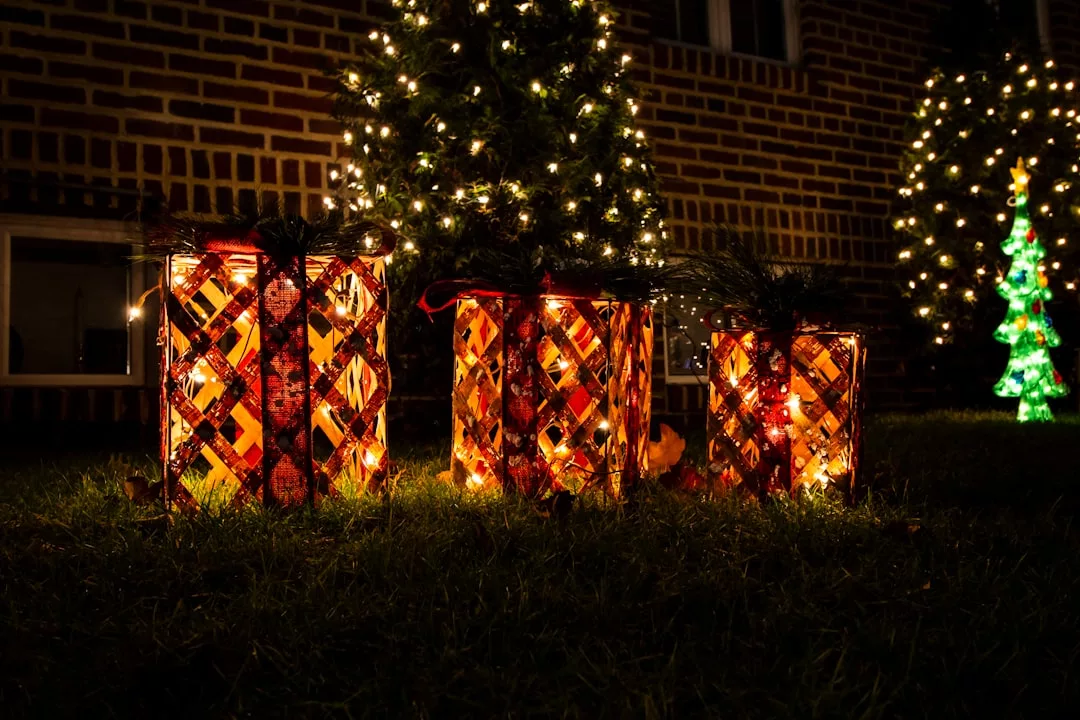
Diwali, often referred to as the Festival of Lights, is one of the most significant and widely celebrated festivals in India, symbolizing the victory of light over darkness and good over evil. This five-day festival typically falls between October and November, depending on the lunar calendar. The celebrations begin with Dhanteras, where people purchase gold and silver items, followed by Naraka Chaturdashi, which commemorates Lord Krishna’s victory over the demon Narakasura.
The third day, known as Lakshmi Puja, is the pinnacle of Diwali, where families worship Goddess Lakshmi, the deity of wealth and prosperity. Homes are adorned with oil lamps (diyas) and colorful rangoli designs made from colored powders, rice, or flower petals, creating a vibrant atmosphere that welcomes prosperity. The festivities extend beyond mere rituals; they encompass a spirit of togetherness and community.
Families gather to share sweets and snacks, exchanging gifts and greetings with neighbors and friends. Fireworks light up the night sky, filling the air with excitement and joy. In many regions, traditional dances and music accompany the celebrations, showcasing local culture and heritage.
The festival also emphasizes charity and giving back to the community, as many people donate to those in need during this auspicious time. The essence of Diwali lies not only in its religious significance but also in its ability to bring people together, fostering a sense of unity and joy.
Key Takeaways
- Diwali in India is celebrated with colorful lights, fireworks, and the sharing of sweets and gifts.
- Christmas Markets in Germany offer a festive atmosphere with traditional crafts, food, and mulled wine.
- Hanukkah in Israel and around the world is celebrated with the lighting of the menorah, traditional foods, and games.
- Carnival in Brazil is known for its vibrant parades, samba music, and elaborate costumes.
- New Year’s Eve in Times Square, New York, is marked by the iconic ball drop and a lively atmosphere with music and confetti.
Christmas Markets and Festivities in Germany
Germany is renowned for its enchanting Christmas markets, or “Weihnachtsmärkte,” which transform towns and cities into winter wonderlands during the Advent season. These markets typically open in late November and run until Christmas Eve, offering a delightful array of handcrafted goods, festive decorations, and seasonal treats. Visitors can wander through stalls adorned with twinkling lights while sipping on warm mulled wine (Glühwein) or hot chocolate.
Traditional German delicacies such as bratwurst, stollen (a fruitcake), and lebkuchen (gingerbread) tantalize the taste buds, creating an immersive sensory experience that captures the essence of the holiday season. Each market has its unique charm and character, reflecting the local culture and traditions. For instance, the Nuremberg Christkindlesmarkt is famous for its iconic Christkind figure who opens the market with a prologue.
Meanwhile, the Cologne Christmas Market boasts a stunning backdrop of the Cologne Cathedral, attracting thousands of visitors each year. Beyond shopping and dining, these markets often feature live music performances, carol singing, and festive activities for children, making them a hub of community engagement. The spirit of Christmas in Germany is not just about commercialism; it embodies a deep-rooted sense of tradition, warmth, and togetherness that resonates with both locals and tourists alike.
Hanukkah Celebrations in Israel and Around the World
Hanukkah, also known as the Festival of Lights, is an eight-day Jewish celebration that commemorates the rededication of the Second Temple in Jerusalem during the second century BCE. The festival typically falls in late November to late December and is marked by the lighting of the menorah, a nine-branched candelabrum. Each night, an additional candle is lit until all eight candles are aglow on the final night, symbolizing the miracle of the oil that lasted eight days despite being enough for only one day.
This ritual is often accompanied by prayers and blessings, creating a profound spiritual atmosphere. In Israel, Hanukkah is celebrated with great enthusiasm. Streets are adorned with festive lights, and families gather to enjoy traditional foods such as latkes (potato pancakes) and sufganiyot (jelly-filled doughnuts).
Public celebrations often include concerts, performances, and community gatherings that foster a sense of unity among Jewish people. Outside Israel, Hanukkah celebrations vary widely but often include similar customs such as lighting menorahs in homes and synagogues. In cities like New York, large public menorah lightings attract crowds, showcasing Jewish culture to a broader audience.
The festival serves not only as a time for family gatherings but also as an opportunity to reflect on themes of resilience and faith within the Jewish community.
The Colorful Parades and Festivals of Carnival in Brazil
Carnival in Brazil is a vibrant explosion of color, music, and dance that captivates both locals and tourists alike. This annual festival occurs before Lent and is characterized by extravagant parades featuring samba schools that compete for glory in Rio de Janeiro’s Sambadrome. Each samba school presents elaborate floats adorned with intricate designs and costumes that reflect various themes ranging from historical events to cultural icons.
The rhythmic beats of samba music fill the air as dancers clad in dazzling outfits perform choreographed routines that showcase their talent and passion. Beyond Rio de Janeiro, Carnival celebrations take place throughout Brazil, each region adding its unique flair to the festivities. In Salvador da Bahia, for instance, street parties known as “blocos” attract thousands who dance to the infectious rhythms of axé music.
The atmosphere is electric as revelers join together in celebration, embodying a spirit of joy and camaraderie. In Recife and Olinda, traditional frevo music accompanies vibrant street parades filled with colorful costumes and energetic dance moves. Carnival serves as a powerful expression of Brazilian culture, uniting people from diverse backgrounds in a shared celebration of life, creativity, and community.
New Year’s Eve Celebrations in Times Square, New York
New Year’s Eve in Times Square is an iconic event that draws millions from around the world to witness the famous ball drop at midnight. This tradition dates back to 1907 when the first New Year’s Eve ball was lowered from One Times Square to mark the beginning of a new year.
As midnight approaches, crowds gather in anticipation while confetti rains down from above, creating a magical moment that symbolizes hope for the year ahead. The event is not just about the countdown; it embodies a sense of unity among diverse groups of people who come together to celebrate new beginnings. Attendees often dress warmly in festive attire while holding signs expressing their hopes for the upcoming year.
The energy is palpable as strangers share smiles and cheers while counting down together. Beyond Times Square, New York City offers various celebrations across neighborhoods, fireworks at Brooklyn Bridge Park or parties at rooftop bars, each contributing to the city’s vibrant New Year’s Eve tapestry. This annual event encapsulates the spirit of renewal and optimism that accompanies the arrival of a new year.
The Joyful Lantern Festival in China
The Lantern Festival marks the end of the Chinese New Year celebrations and is celebrated on the 15th day of the first lunar month. This festival is characterized by colorful lantern displays that illuminate streets and homes across China. Traditionally, families gather to make or purchase lanterns adorned with intricate designs symbolizing good fortune and happiness.
The lanterns are often released into the sky or floated on water as part of various customs that signify letting go of past troubles while welcoming new beginnings. In addition to lantern displays, various cultural activities accompany this joyous occasion. People participate in solving riddles written on lanterns, a tradition that adds an element of fun and challenge to the festivities.
Traditional lion dances and dragon dances are performed in public spaces to ward off evil spirits while bringing good luck for the year ahead. Families also enjoy eating tangyuan (sweet glutinous rice balls) during this time; these round dumplings symbolize family unity and completeness.
The Festive Posadas and Piñatas of Mexico
In Mexico, the holiday season is marked by vibrant traditions such as Las Posadas, a nine-day celebration leading up to Christmas that reenacts Mary and Joseph’s search for shelter in Bethlehem. Each night from December 16th to December 24th, families gather for processions that visit different homes while singing traditional carols known as “villancicos.” Participants carry candles or lanterns while dressed as biblical characters; this communal activity fosters a sense of unity among neighbors as they come together to celebrate faith and tradition. A highlight of Las Posadas is breaking piñatas filled with candies and treats at each gathering.
Traditionally shaped like stars with seven points representing sin’s seven deadly sins, breaking a piñata symbolizes overcoming temptation while bringing joy to children who eagerly await their turn to strike it open. The festivities culminate on Christmas Eve with a midnight Mass known as “Misa de Gallo,” where families come together to celebrate both religious significance and cultural heritage through food, music, and dance. Las Posadas exemplifies how Mexican traditions blend spirituality with community engagement during this festive season.
Kwanzaa Celebrations in the United States
Kwanzaa is a week-long celebration observed from December 26th to January 1st that honors African heritage in African-American culture. Established by Dr. Maulana Karenga in 1966, Kwanzaa emphasizes seven core principles known as “Nguzo Saba,” which include unity (Umoja), self-determination (Kujichagulia), collective work (Ujima), cooperative economics (Ujamaa), purpose (Nia), creativity (Kuumba), and faith (Imani).
Each day focuses on one principle while encouraging reflection on cultural identity and community values. Celebrations often include lighting a kinara (candle holder) with seven candles representing each principle while reciting affirmations related to them. Families gather for communal meals featuring traditional African dishes while sharing stories about their heritage, reinforcing connections between generations.
Cultural events such as music performances, poetry readings, art exhibitions also take place across communities throughout this week-long observance, showcasing African-American culture’s richness while fostering pride among participants. Kwanzaa serves not only as an opportunity for celebration but also as a reminder of resilience within African-American communities throughout history.
The Festive Bonfires and Fireworks of Hogmanay in Scotland
Hogmanay marks Scotland’s New Year’s Eve celebrations characterized by unique customs steeped in history and tradition. The festivities begin on December 31st with various events ranging from street parties to intimate gatherings among friends and family. One prominent tradition involves “first-footing,” where the first person to enter a home after midnight brings gifts symbolizing good fortune for the coming year, often including coal for warmth or whiskey for celebration.
Fireworks light up Edinburgh’s skyline during Hogmanay celebrations while bonfires are lit across towns, symbolizing purification while warding off evil spirits from entering homes in the new year ahead. Music plays an integral role during these festivities; traditional Scottish folk songs resonate through streets filled with revelers dancing ceilidh-style, creating an atmosphere brimming with joy and camaraderie among participants celebrating togetherness as they welcome another year filled with hope.
The Joyful Song and Dance of Mardi Gras in New Orleans
Mardi Gras is synonymous with exuberance: a festival celebrated primarily in New Orleans characterized by vibrant parades filled with floats adorned with colorful decorations alongside lively music echoing through streets alive with energy from revelers dressed in elaborate costumes adorned with beads or masks representing various themes each year! This annual event culminates on Fat Tuesday before Ash Wednesday marking Lent’s beginning, a time when indulgence reigns supreme before fasting begins. Parades feature marching bands playing jazz tunes while dancers perform choreographed routines captivating audiences along parade routes!
Krewes, social organizations responsible for organizing these parades, often host balls leading up to Mardi Gras day showcasing local culture through artful displays reflecting New Orleans’ rich history! Street parties erupt throughout neighborhoods inviting everyone, from locals to tourists, to join together celebrating life’s joys through song dance food! Mardi Gras embodies not just festivity but also community spirit uniting diverse groups under one banner celebrating culture creativity!
The Festive Christmas Markets and Ice Skating in Sweden
Sweden embraces winter’s chill by transforming its cities into enchanting holiday destinations filled with Christmas markets offering handcrafted goods delicious treats! From late November until Christmas Eve these markets pop up across towns like Stockholm Gothenburg showcasing local artisans’ work alongside traditional Swedish delicacies such as glögg (mulled wine) pepparkakor (gingerbread cookies)! Visitors can stroll through stalls adorned with twinkling lights while sipping warm beverages enjoying festive atmospheres created by carolers singing classic songs!
In addition to shopping dining experiences ice skating rinks become popular attractions during this season! Parks squares transform into winter wonderlands where families friends gather gliding across frozen surfaces surrounded by festive decorations! Ice skating serves not only as entertainment but also fosters connections among participants creating memories shared laughter warmth amidst cold weather!
Sweden’s Christmas markets ice skating embody holiday spirit inviting everyone partake joyfully celebrating traditions rooted deeply within culture!
More in
More from Family
Family · 9 min
Navigating Adolescence: Tips for Parents and Teens
Adolescence is a critical period of growth and transformation, marked by significant physical, emotional, and cognitive changes. This stage typically …
Family · 8 min
Breaking the Cycle: Confronting Domestic Violence
Domestic violence is a pervasive issue that transcends cultural, economic, and social boundaries. It encompasses a range of abusive behaviors that occ…

Family · 9 min
The Importance of Child Support for Single Parents
Single parenthood often brings with it a unique set of financial challenges that can significantly affect the quality of life for both the parent and …