Beauty · Beauty
Mastering Makeup: Tips for Flawless Application
The foundation of any successful makeup application lies in the preparation of the skin. A well-prepped canvas not only enhances the overall look but also ensures that makeup adher…
The foundation of any successful makeup application lies in the preparation of the skin. A well-prepped canvas not only enhances the overall look but also ensures that makeup adheres better and lasts longer throughout the day. The first step in this process is cleansing.
Using a gentle cleanser suited to your skin type helps remove dirt, oil, and impurities that can interfere with makeup application. For those with oily skin, a foaming or gel cleanser can help control excess sebum, while cream-based cleansers are ideal for dry or sensitive skin types. Following cleansing, exfoliation is crucial; it sloughs off dead skin cells, revealing a smoother surface.
Regular exfoliation, whether chemical or physical, can significantly improve the texture of your skin, making it more receptive to makeup. After cleansing and exfoliating, moisturizing is essential. A good moisturizer hydrates the skin and creates a barrier that prevents makeup from settling into fine lines and pores.
For oily skin, lightweight gel moisturizers can provide hydration without adding excess shine, while richer creams are beneficial for dry skin types. Additionally, incorporating a primer into your routine can further enhance the smoothness of your skin. Primers come in various formulations, some mattifying, others illuminating, allowing you to tailor your makeup base to your specific needs.
Applying primer not only helps to fill in pores and fine lines but also creates a more even surface for foundation application.
Key Takeaways
- Prepping your skin is essential for flawless makeup application, so make sure to cleanse, exfoliate, and moisturize before starting your makeup routine.
- When choosing a foundation, it’s important to find the perfect match for your skin tone and type to achieve a natural and seamless look.
- Concealing and correcting imperfections can be achieved by using color-correcting products and applying concealer strategically to hide blemishes and dark circles.
- Contouring and highlighting can enhance your features by creating dimension and adding a natural glow to your complexion.
- Perfecting your eyebrows involves shaping and filling them in to frame your face and complete your polished look.
Choosing the Right Foundation: Finding Your Perfect Match
Selecting the right foundation is pivotal in achieving a flawless makeup look. The first step is determining your skin type, whether it’s oily, dry, combination, or sensitive, as this will guide you in choosing the appropriate formula. For instance, those with oily skin may benefit from matte foundations that control shine and provide a long-lasting finish, while individuals with dry skin might prefer hydrating foundations that offer a dewy glow.
Additionally, understanding your skin tone is crucial; foundations come in various undertones, cool, warm, and neutral, which can significantly affect how the product appears on your skin. To find your perfect match, it’s advisable to test foundations in natural light. Swatching a few shades on your jawline can help you see how they blend with your neck and face.
It’s important to let the foundation settle for a few minutes before making a decision, as some formulas may oxidize and change color after application. Once you’ve found a shade that complements your skin tone, consider the coverage level you desire, light, medium, or full coverage. Light coverage foundations are ideal for a natural look, while full coverage options are perfect for special occasions or when you need to conceal blemishes and imperfections.
Concealing and Correcting: Tips for Hiding Imperfections
Concealing and correcting are essential steps in achieving a polished makeup look. The key to effective concealing lies in choosing the right product for the specific imperfection you wish to address. For dark circles under the eyes, a creamy concealer with a peach or orange undertone can neutralize the bluish tint of dark circles.
Applying it in a triangular shape beneath the eyes not only conceals but also brightens the area, creating an illusion of lifted features. For blemishes or redness, a thicker concealer with full coverage is ideal; applying it with a small brush allows for precision and control. Color correcting is another technique that can enhance your makeup application.
Green concealers are effective for neutralizing redness from acne or rosacea, while yellow or peach tones can brighten dull areas of the skin. It’s important to apply these correctors sparingly and blend them well before layering foundation on top. Using a damp makeup sponge can help achieve a seamless finish by pressing the product into the skin rather than rubbing it off.
Remember to set your concealer with a light dusting of translucent powder to prevent creasing and ensure longevity throughout the day.
The Art of Contouring and Highlighting: Enhancing Your Features
Contouring and highlighting are powerful techniques that can dramatically enhance your facial features when done correctly. Contouring involves using a matte bronzer or contour powder to create shadows on the face, giving the illusion of more defined cheekbones and a slimmer nose. The key areas to focus on include the hollows of the cheeks, along the jawline, and on either side of the nose.
When applying contour, it’s essential to use a light hand and build up the product gradually; this prevents harsh lines and ensures a more natural appearance. Highlighting complements contouring by bringing attention to specific areas of the face where light naturally hits. Highlighters come in various forms, liquid, cream, or powder, and can be applied to the tops of cheekbones, the bridge of the nose, and the cupid’s bow for an ethereal glow.
For a more intense highlight, consider using a fan brush or a small tapered brush to apply product precisely where desired. Blending is crucial in this step; using a damp sponge can help merge both contour and highlight seamlessly for an overall radiant look.
Perfecting Your Eyebrows: Shaping and Filling for a Polished Look
Eyebrows frame the face and play a significant role in defining one’s overall appearance. Achieving perfectly shaped brows begins with determining their natural shape and arch. Using tweezers or wax can help remove any stray hairs that disrupt the brow line; however, it’s essential to avoid over-plucking, as this can lead to uneven brows.
For those who prefer a more defined look, brow pencils or powders can be used to fill in sparse areas and create a fuller appearance. When filling in brows, choose a product that matches your natural hair color for a more authentic look. Using short, feathery strokes mimics natural hair growth and prevents an overly drawn-on appearance.
Additionally, setting your brows with a clear or tinted brow gel can help maintain their shape throughout the day while adding volume and definition. For those looking for a more permanent solution, microblading has gained popularity as a semi-permanent technique that creates realistic hair-like strokes for fuller brows.
Eyeshadow Application: Tips for Creating Stunning Eye Looks
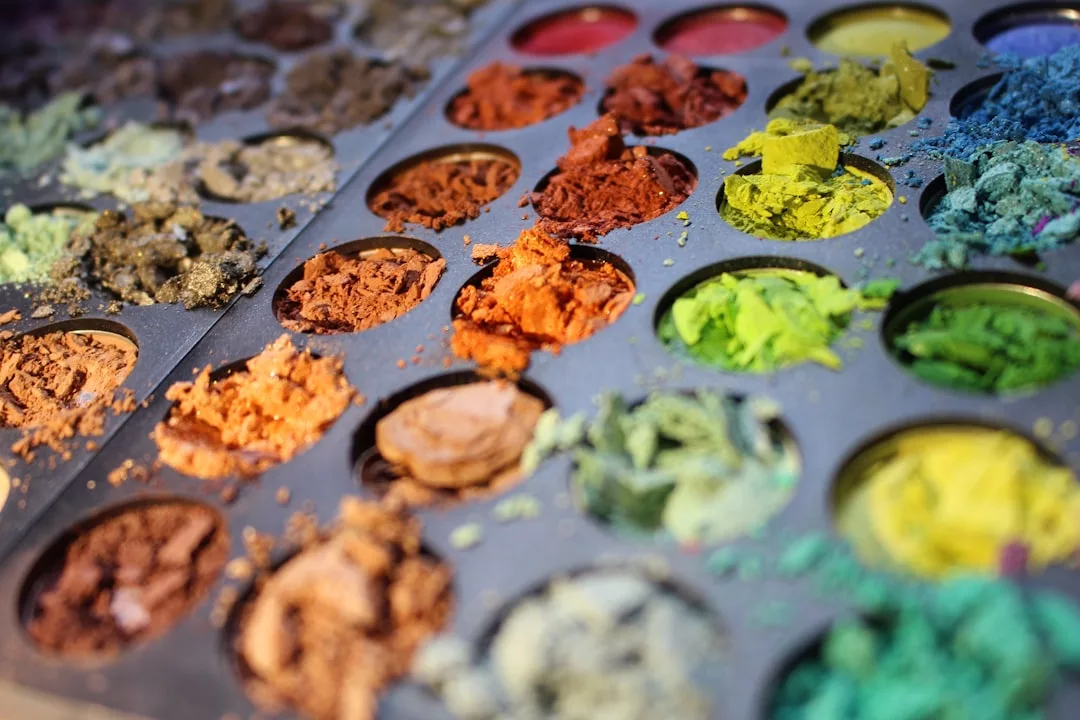
Eyeshadow application is an art form that allows for creativity and expression through color and technique. The first step in creating stunning eye looks is selecting an eyeshadow palette that complements your eye color and desired aesthetic. Neutral palettes are versatile for everyday wear, while vibrant colors can be used for more dramatic looks.
When applying eyeshadow, starting with an eyeshadow primer is crucial; this not only enhances color payoff but also ensures longevity by preventing creasing. Blending is one of the most important techniques in eyeshadow application. Using fluffy blending brushes allows for seamless transitions between colors; start with lighter shades as transition colors in the crease before layering darker shades for depth.
For added dimension, consider using shimmer or metallic shades on the lid; applying these with your finger often yields better pigmentation than using a brush alone.
The Power of Eyeliner and Mascara: Enhancing Your Lashes and Defining Your Eyes
Eyeliner and mascara are essential tools in enhancing eye makeup looks by adding definition and drama. Eyeliner comes in various forms, pencil, gel, liquid, and each offers different levels of precision and intensity. For beginners, pencil liners are often easier to work with; they can be smudged for a softer look or applied directly along the lash line for added definition.
Liquid liners provide bold lines that are perfect for creating winged looks but require a steadier hand. When applying mascara, start at the base of the lashes and wiggle the wand upward to separate each lash while coating them evenly.
For added drama, consider using multiple coats; however, be cautious not to let each layer dry completely before applying additional coats to avoid clumping. Waterproof formulas are ideal for long-lasting wear but may require an oil-based remover for easy removal at the end of the day.
Flawless Lipstick Application: Achieving a Perfect Pout
Lipstick application can transform an entire makeup look by adding color and dimension to the lips. To achieve flawless lipstick application, begin by exfoliating your lips gently with a lip scrub or a soft toothbrush; this removes any dry skin and creates a smooth surface for lipstick application. Following exfoliation, applying a hydrating lip balm helps keep lips moisturized throughout wear.
When it comes to choosing lipstick shades, consider both your skin tone and the occasion. Bold colors like reds or deep berries can make a statement for evening events, while nude shades are perfect for everyday wear. To ensure precision during application, use a lip liner that matches your lipstick shade; this helps define the lips and prevents feathering throughout the day.
When applying lipstick directly from the bullet or with a brush, start from the center of the lips and work outward for even coverage.
Setting Your Makeup: Tips for Long-Lasting Wear
Setting your makeup is crucial for ensuring longevity throughout the day, especially if you’re wearing it for extended periods or in humid conditions. After completing your makeup application, using a setting spray can lock everything in place while providing an additional layer of hydration or mattifying properties depending on your needs. Setting sprays come in various formulations; some are designed specifically for oily skin types while others provide a dewy finish.
In addition to setting sprays, using translucent powder can help control shine and set cream products like concealer or foundation in place. Lightly dusting powder over areas prone to oiliness, such as the T-zone, can prevent makeup from breaking down throughout the day. It’s important to use a fluffy brush when applying powder to avoid caking; tapping off excess product before application ensures an even finish without looking heavy.
Blending and Buffing: Techniques for Seamless Makeup Application
Blending and buffing are essential techniques that elevate any makeup look by creating seamless transitions between products. Whether working with foundation, eyeshadow, or blush, proper blending ensures that no harsh lines remain visible on the skin. For foundation application, using a damp beauty sponge allows for an airbrushed finish; bouncing the sponge against the skin helps meld products together without absorbing too much product.
When it comes to eyeshadow blending, using different brush sizes is key; larger brushes work well for blending transition shades while smaller brushes allow for precision when applying darker colors in the crease or outer corner of the eye. The goal is to create soft gradients between colors rather than stark contrasts; this can be achieved by taking time to blend each layer thoroughly before moving on to additional shades.
Mastering Makeup Tools: Using Brushes and Sponges for Professional Results
The right tools can make all the difference in achieving professional-looking makeup results at home. Makeup brushes come in various shapes and sizes tailored for specific applications, foundation brushes typically have dense bristles for even coverage while fluffy brushes are ideal for blending eyeshadows seamlessly. Investing in high-quality brushes can enhance application techniques significantly; synthetic brushes are often preferred for cream products while natural bristles work well with powders.
Sponges have also become increasingly popular due to their versatility; they can be used for everything from foundation application to blending concealer seamlessly into the skin. When using sponges, dampening them before application allows for better product absorption without soaking up excess product, this technique results in an even finish without looking cakey. Regular cleaning of both brushes and sponges is essential not only for hygiene but also for maintaining their effectiveness over time; using gentle soap or brush cleaner ensures longevity while preventing buildup of product residue.
By mastering these techniques, from prepping your skin to utilizing professional tools, you can elevate your makeup game significantly and achieve stunning results every time you sit down at your vanity.
More in
More from Beauty
Beauty · 8 min
Unlocking Radiant Skin with Serum
In the realm of skincare, serums have emerged as a transformative product that can significantly enhance the health and appearance of the skin. Unlike…

Beauty · 9 min
Revitalize Your Skin with Toner: The Ultimate Guide
Toner has long been a staple in many skincare routines, yet its purpose often remains misunderstood. Traditionally, toners were formulated to remove r…
Beauty · 8 min
Shiny and Smooth: The Ultimate Lip Gloss Guide
Lip gloss has long been a staple in the beauty industry, celebrated for its ability to enhance the natural beauty of lips while providing a glossy fin…