Beauty · Beauty
Mastering the Art of Balayage: Achieving Effortless, Sun-Kissed Hair
Balayage is a hair coloring technique that has gained immense popularity in recent years, primarily due to its natural, sun-kissed appearance. Originating from the French word mean…
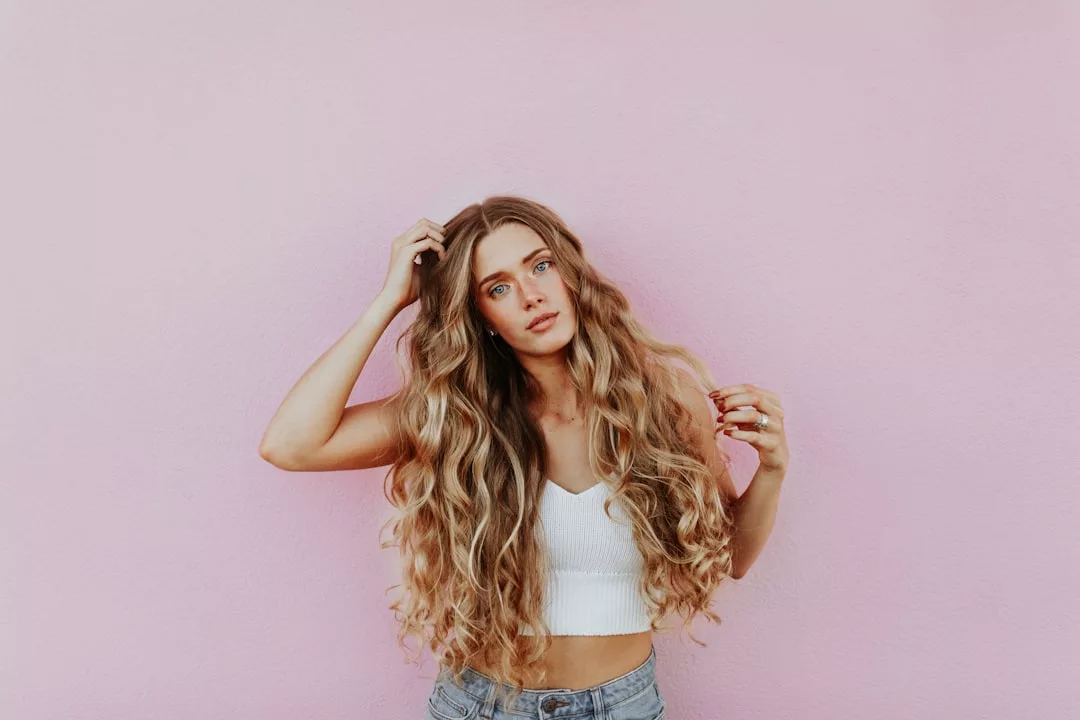
Balayage is a hair coloring technique that has gained immense popularity in recent years, primarily due to its natural, sun-kissed appearance. Originating from the French word meaning “to sweep,” balayage involves hand-painting highlights onto the hair, allowing for a more organic and less uniform look compared to traditional foiling methods. This technique is particularly appealing because it offers a softer grow-out phase, making it a low-maintenance option for those who desire dimension in their hair without the commitment of regular touch-ups.
The artistry of balayage lies in its ability to create depth and movement within the hair. Unlike conventional highlighting, which often results in stark, linear patterns, balayage allows for a more freeform application. This means that the stylist can customize the placement of color based on the client’s hair type, face shape, and personal style.
The result is a multidimensional effect that mimics the way hair naturally lightens in the sun, providing a fresh and youthful appearance.
Key Takeaways
- Balayage is a hand-painting technique that creates natural-looking highlights and dimension in the hair.
- Choosing the right color palette is essential for achieving a sun-kissed look with balayage.
- Properly preparing the hair before balayage is crucial for achieving optimal results and maintaining hair health.
- Mastering the hand-painting technique is key to creating seamless transitions and blending for a natural finish.
- Placement and sectioning are important factors in achieving balanced lightness and depth for natural-looking balayage results.
Choosing the Right Color Palette for a Sun-Kissed Look
Selecting the appropriate color palette is crucial for achieving that coveted sun-kissed look with balayage. The key is to choose shades that complement the client’s natural hair color and skin tone. For instance, individuals with warm undertones may benefit from golden blondes, honey hues, or warm caramel shades, while those with cooler undertones might find that ash blondes, cool browns, or even soft pastels enhance their features.
A skilled stylist will assess these factors to curate a personalized color palette that enhances the client’s overall appearance. Moreover, it’s essential to consider the base color of the hair when selecting balayage shades. For darker hair, lighter highlights can create a striking contrast, while on lighter bases, deeper tones can add richness and dimension.
A well-thought-out color palette not only elevates the balayage effect but also ensures that the highlights blend seamlessly with the natural hair color. This careful consideration of color can transform an ordinary hairstyle into a stunning work of art.
Preparing the Hair for Balayage
Preparation is a vital step in the balayage process, as it sets the foundation for successful application and optimal results. Before any color is applied, it’s essential to assess the hair’s condition. Healthy hair will absorb color more evenly and yield better results than damaged or overly processed strands.
A thorough consultation with the client can help identify any previous treatments or damage that may affect the outcome of the balayage. Once the assessment is complete, proper cleansing and conditioning are necessary to prepare the hair for color application. A clarifying shampoo can be used to remove any product buildup, ensuring that the hair is clean and ready to absorb color effectively.
Following this, a deep conditioning treatment may be applied to nourish and hydrate the hair, promoting its health and integrity during the coloring process. This preparation not only enhances the final look but also contributes to the longevity of the balayage.
Mastering the Hand-Painting Technique
The hallmark of balayage is its hand-painting technique, which requires both skill and artistry. Unlike traditional highlighting methods that rely on foils or caps, balayage allows stylists to apply color directly onto sections of hair using a brush or their hands. This technique enables greater control over how much product is applied and where it is placed, resulting in a more natural and blended appearance.
To master this technique, stylists often start by sectioning the hair into manageable parts. They then use a sweeping motion to apply color from mid-lengths to ends, leaving some of the natural base color at the roots for a more gradual transition. The key is to vary the amount of product applied; lighter strokes can create softer highlights while heavier applications yield bolder results.
This flexibility allows for customization based on individual preferences and desired outcomes.
Creating Seamless Transitions and Blending
Achieving seamless transitions between colors is one of the most critical aspects of balayage. The goal is to create a soft gradient effect that mimics natural lightening rather than harsh lines or stark contrasts. To accomplish this, stylists must pay close attention to blending techniques during application.
Using a combination of feathering motions and varying brush strokes can help achieve that coveted soft look. Additionally, incorporating multiple shades within the balayage can enhance depth and dimension. By layering different tones, such as combining warm and cool highlights, stylists can create a more dynamic effect that catches light beautifully.
This approach not only adds visual interest but also ensures that the balayage looks natural and harmonious with the client’s overall hair color.
The Importance of Placement and Sectioning
Placement and sectioning are fundamental components of a successful balayage application. The way in which hair is divided can significantly impact how highlights are distributed throughout the hairstyle. Stylists typically begin by sectioning the hair into quadrants or smaller subsections, allowing for precise control over where color is applied.
Strategic placement is essential for achieving balance and dimension. For example, highlights placed around the face can brighten and frame features, while those applied throughout the mid-lengths and ends can add movement and texture. By considering factors such as hair length, texture, and desired outcome, stylists can create a tailored balayage that enhances each client’s unique characteristics.
Balancing Lightness and Depth for Natural-Looking Results
A successful balayage should strike a balance between lightness and depth to achieve a natural-looking result. This balance is crucial in creating dimension without overwhelming the base color or making it appear too artificial.
For instance, if a client has medium brown hair, adding caramel highlights alongside deeper chocolate tones can create a rich tapestry of color that looks effortlessly chic. The interplay between light and dark not only adds visual interest but also ensures that the balayage complements rather than competes with the client’s natural hue. This thoughtful approach results in a hairstyle that feels cohesive and beautifully blended.
Maintaining the Health and Integrity of the Hair
Maintaining the health and integrity of the hair during and after balayage application is paramount. Color treatments can be damaging if not approached with care; therefore, using high-quality products designed for color-treated hair is essential. These products often contain nourishing ingredients that help protect against damage while enhancing shine.
In addition to using appropriate products, regular trims are vital for keeping hair healthy post-balayage. Split ends can detract from the overall appearance of highlights, making them look less vibrant and fresh.
Tips for Perfecting the Tonal Variation
Tonal variation is what sets balayage apart from other coloring techniques; it allows for an array of shades that contribute to a more dynamic look. To perfect this aspect of balayage, stylists should experiment with different tones during application. For example, incorporating warm honey tones alongside cooler ash shades can create an eye-catching contrast that adds depth.
Moreover, understanding how colors interact with one another is crucial for achieving harmonious results. Stylists should consider factors such as underlying pigments in natural hair when selecting colors; this knowledge helps ensure that highlights do not turn brassy or dull over time. By mastering tonal variation, stylists can elevate their balayage techniques to create stunning results tailored to each client’s preferences.
Enhancing the Balayage with Styling and Finishing Techniques
Once balayage has been applied successfully, styling techniques play an essential role in showcasing the new color. Texturizing products such as sea salt sprays or lightweight mousses can enhance movement and dimension within the hair, allowing highlights to pop beautifully. Additionally, using heat styling tools like curling wands or flat irons can create soft waves or sleek finishes that further accentuate the balayage effect.
Finishing products are equally important; applying a shine serum or lightweight oil can add luster while taming frizz and flyaways. These finishing touches not only enhance the overall appearance but also protect against environmental factors that may dull or damage color-treated hair over time.
Long-Term Maintenance and Care for Balayage Hair
Long-term maintenance is crucial for preserving the vibrancy of balayage highlights. Clients should be educated on proper care routines tailored specifically for color-treated hair. This includes using sulfate-free shampoos and conditioners designed to protect against fading while maintaining moisture levels.
Regular salon visits for gloss treatments or toners can help refresh color between appointments, ensuring that highlights remain bright and true to their original shade. Additionally, incorporating deep conditioning treatments into their routine will help maintain hydration levels and overall health of their hair post-balayage. By understanding these various aspects of balayage, from technique to maintenance, stylists can provide clients with beautiful results that stand the test of time while ensuring their hair remains healthy and vibrant throughout its journey.
More in
More from Beauty
Beauty · 8 min
Unlocking Radiant Skin with Serum
In the realm of skincare, serums have emerged as a transformative product that can significantly enhance the health and appearance of the skin. Unlike…
Beauty · 9 min
Revitalize Your Skin with Toner: The Ultimate Guide
Toner has long been a staple in many skincare routines, yet its purpose often remains misunderstood. Traditionally, toners were formulated to remove r…
Beauty · 8 min
Shiny and Smooth: The Ultimate Lip Gloss Guide
Lip gloss has long been a staple in the beauty industry, celebrated for its ability to enhance the natural beauty of lips while providing a glossy fin…