Beauty · Beauty
Mastering the Art of Concealer: Tips for Flawless Coverage
Concealer is a versatile cosmetic product designed to mask imperfections on the skin, such as blemishes, dark circles, redness, and other discolorations. Unlike foundation, which p…
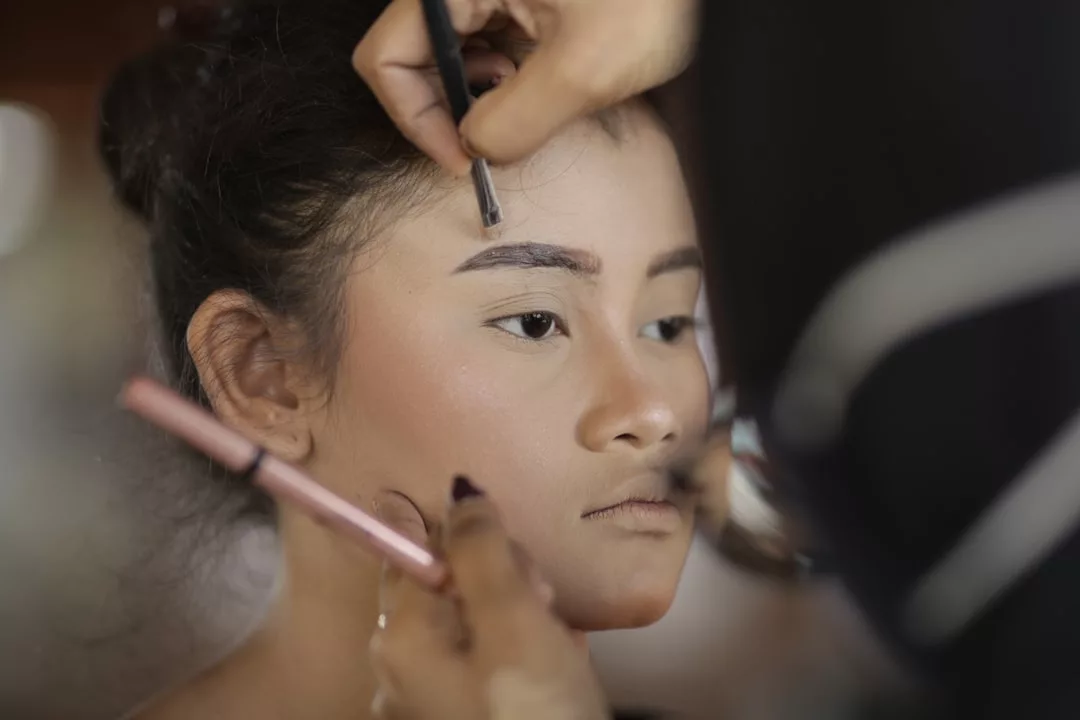
Concealer is a versatile cosmetic product designed to mask imperfections on the skin, such as blemishes, dark circles, redness, and other discolorations. Unlike foundation, which provides an overall even skin tone, concealer is typically thicker and more pigmented, allowing it to effectively cover specific areas that require extra attention. The primary purpose of concealer is to create a flawless complexion by camouflaging imperfections without drawing attention to them.
This makes it an essential tool in any makeup kit, whether for everyday wear or special occasions. The effectiveness of concealer lies in its formulation, which often includes ingredients that not only provide coverage but also offer skincare benefits. Many modern concealers are infused with hydrating agents, antioxidants, and even SPF, making them suitable for various skin types and concerns.
For instance, a hydrating concealer can help those with dry skin avoid the dreaded cakey appearance that can occur when thicker products are applied to parched areas. Understanding the purpose of concealer is crucial for anyone looking to enhance their makeup routine, as it allows for targeted application that can significantly improve the overall look of the skin.
Key Takeaways
- Concealer is used to cover blemishes, imperfections, and dark circles, as well as to brighten and even out the skin tone.
- Choose a concealer shade that matches your skin tone or is slightly lighter to effectively cover imperfections.
- Prepare your skin by cleansing, moisturizing, and applying primer before applying concealer for a smooth and even application.
- Use tapping or dabbing motions to apply concealer to blemishes and imperfections, and a lighter touch for the delicate under-eye area.
- Set concealer with translucent powder to prevent creasing and ensure long-lasting wear.
Choosing the Right Shade for Your Skin Tone
Selecting the appropriate shade of concealer is paramount to achieving a natural look. The right shade should seamlessly blend into your skin tone, effectively masking imperfections without creating a stark contrast. Generally, concealers come in a range of shades that cater to various undertones, warm, cool, and neutral.
To find your perfect match, it’s essential to consider your skin’s undertone. For instance, individuals with warm undertones may find that shades with yellow or golden hues work best, while those with cool undertones might prefer pink or peachy shades. In addition to matching your skin tone, it’s also important to consider the specific areas you intend to conceal.
For blemishes and redness, a concealer that closely matches your foundation shade is ideal. However, for under-eye circles, a slightly lighter shade can help brighten the area and counteract any darkness. Testing concealers in natural light can provide a more accurate representation of how the product will appear on your skin throughout the day.
Swatching a few shades on your jawline or wrist can help you determine which one blends seamlessly and complements your complexion.
Preparing Your Skin for Concealer Application
Before applying concealer, proper skin preparation is essential to ensure a smooth and long-lasting finish. The first step in this process is cleansing the skin to remove any dirt, oil, or makeup residue that may interfere with the application. Following cleansing, applying a moisturizer tailored to your skin type can create a hydrated base that allows the concealer to glide on effortlessly.
For those with oily skin, a lightweight gel moisturizer may be preferable, while individuals with dry skin might benefit from a richer cream. In addition to moisturizer, using a primer can significantly enhance the performance of your concealer. Primers create a barrier between your skin and makeup, helping to fill in fine lines and pores while providing a smooth canvas for application.
Choosing a primer that addresses your specific concerns, such as mattifying for oily skin or hydrating for dry skin, can make a noticeable difference in how well your concealer adheres and lasts throughout the day. Allowing these products to absorb fully before moving on to concealer application is crucial for achieving optimal results.
Applying Concealer to Cover Blemishes and Imperfections
When it comes to applying concealer for blemishes and imperfections, precision is key. Start by using a clean brush or your fingertip to apply a small amount of concealer directly onto the blemish or imperfection you wish to cover. It’s important to use a tapping motion rather than rubbing or sweeping the product across the skin; this helps to build coverage without disturbing the surrounding foundation or skincare products.
For larger blemishes or areas of redness, you may need to layer the product gradually until you achieve the desired level of coverage. Using a damp makeup sponge can be particularly effective for this purpose, as it allows you to gently press the product into the skin while diffusing any harsh lines.
If you find that the concealer has settled into fine lines or creases during application, take care not to over-apply; instead, focus on blending outwards from the imperfection to create a more natural look. This technique not only covers blemishes but also ensures that your overall makeup appears cohesive and polished.
Using Concealer to Brighten Under-Eye Area
The under-eye area often requires special attention due to its delicate nature and tendency to show signs of fatigue. To effectively brighten this area with concealer, start by selecting a shade that is one or two shades lighter than your natural skin tone. This will help counteract any darkness while also providing a lifting effect. Begin by applying the concealer in an inverted triangle shape beneath your eyes, extending it towards your temples. This shape not only brightens but also lifts the appearance of the face.
Using your ring finger or a small brush designed for precision work, gently tap the product into place without dragging the skin. It’s crucial to avoid heavy-handed application in this area, as too much product can lead to creasing and an unnatural look. Once blended, consider setting the area with a light dusting of translucent powder to prevent creasing throughout the day.
Blending Techniques for Seamless Coverage
Blending is one of the most critical steps in achieving seamless coverage with concealer. The goal is to create a smooth transition between the concealed areas and the rest of your makeup without any visible lines or patches. One effective technique involves using a damp makeup sponge; this tool allows for precise application while also helping to diffuse excess product.
When using a sponge, gently press and roll it over the concealed areas rather than dragging it across the skin. Another blending method involves using your fingertips, particularly when working with cream or liquid concealers. The warmth of your fingers can help melt the product into your skin for a more natural finish.
When using this technique, be sure to use light tapping motions rather than rubbing, as this can irritate the delicate skin around the eyes and lead to uneven coverage. Additionally, blending in small sections rather than attempting to cover large areas at once can help maintain control and ensure that each part of your makeup looks flawless.
Setting Concealer with Translucent Powder
Setting concealer with translucent powder is an essential step in ensuring that your hard work lasts throughout the day. Translucent powder helps absorb excess oil and moisture while preventing creasing and settling into fine lines. To set your concealer effectively, use a fluffy brush or a small powder puff to apply a light dusting of powder over the concealed areas.
It’s important not to overload your brush; instead, tap off any excess product before applying it to avoid a cakey appearance. When setting under-eye concealer specifically, consider using a finely milled powder designed for this delicate area. These powders are often lighter in texture and formulated to minimize flashback in photography while providing a smooth finish.
Apply the powder using a gentle tapping motion rather than sweeping it across the skin; this helps maintain coverage while ensuring that the powder adheres properly without disturbing the underlying concealer.
Layering Techniques for Stubborn Blemishes
Some blemishes may require additional attention due to their stubborn nature or pigmentation. In such cases, layering techniques can be particularly effective in achieving full coverage without compromising on texture or finish. Start by applying a thin layer of concealer directly onto the blemish using a small brush or fingertip.
Allow this initial layer to dry slightly before adding another layer on top; this prevents excessive product buildup and helps maintain a natural appearance. When layering concealer, it’s crucial to blend each layer thoroughly before adding more product. Use a damp sponge or clean brush to gently press and blend outwards from the blemish rather than dragging across it.
This technique not only helps achieve better coverage but also ensures that each layer melds seamlessly into your foundation or skin tone. If necessary, repeat this process until you achieve the desired level of coverage while still maintaining an even texture.
Using Color-Correcting Concealers for Specific Concerns
Color-correcting concealers are an innovative solution for addressing specific skin concerns beyond traditional coverage methods. These products come in various shades designed to neutralize particular discolorations on the skin. For example, green-tinted concealers are effective at counteracting redness from acne or rosacea, while peach or orange shades can help neutralize dark circles on deeper skin tones.
To use color-correcting concealers effectively, start by applying them sparingly on targeted areas before layering your regular concealer on top. For instance, if you’re dealing with redness around your nose or cheeks, apply a small amount of green concealer directly onto those areas and blend gently before following up with your regular concealer shade. This technique allows you to achieve more balanced coverage while ensuring that any underlying discoloration is effectively masked.
Tips for Long-Lasting Concealer Wear
To ensure that your concealer lasts throughout the day without fading or creasing, there are several tips worth considering. First and foremost, always start with well-prepared skin; this includes cleansing, moisturizing, and priming as discussed earlier. A solid base will significantly enhance how well your makeup adheres and lasts over time.
Additionally, consider using setting sprays designed specifically for long wear after completing your makeup routine. These sprays help lock everything in place while providing an extra layer of protection against environmental factors such as humidity and sweat. When applying setting spray, hold it at arm’s length and mist evenly over your face; this prevents any disruption of your carefully applied makeup while ensuring longevity.
Removing Concealer Properly at the End of the Day
At the end of the day, properly removing concealer is just as important as applying it correctly. Leaving makeup on overnight can lead to clogged pores and breakouts; therefore, establishing an effective removal routine is essential for maintaining healthy skin. Start by using an oil-based makeup remover or micellar water designed for sensitive skin; these products effectively break down stubborn makeup without harsh scrubbing.
Using cotton pads or soft cloths soaked in remover can help lift away concealer without irritating the skin. Gently press and hold the pad against areas where concealer has been applied before wiping away; this method minimizes friction and reduces potential irritation around delicate areas like under the eyes. After removing all traces of makeup, follow up with your regular cleansing routine, this may include washing with a gentle cleanser followed by toning and moisturizing, to ensure that your skin remains clean and hydrated overnight.
More in
More from Beauty
Beauty · 8 min
Unlocking Radiant Skin with Serum
In the realm of skincare, serums have emerged as a transformative product that can significantly enhance the health and appearance of the skin. Unlike…

Beauty · 9 min
Revitalize Your Skin with Toner: The Ultimate Guide
Toner has long been a staple in many skincare routines, yet its purpose often remains misunderstood. Traditionally, toners were formulated to remove r…
Beauty · 8 min
Shiny and Smooth: The Ultimate Lip Gloss Guide
Lip gloss has long been a staple in the beauty industry, celebrated for its ability to enhance the natural beauty of lips while providing a glossy fin…