Beauty · Beauty
Mastering the Art of Contouring: Enhance Your Features
Contouring is a makeup technique that has gained immense popularity in recent years, primarily due to its ability to enhance facial features and create a sculpted appearance. At it…
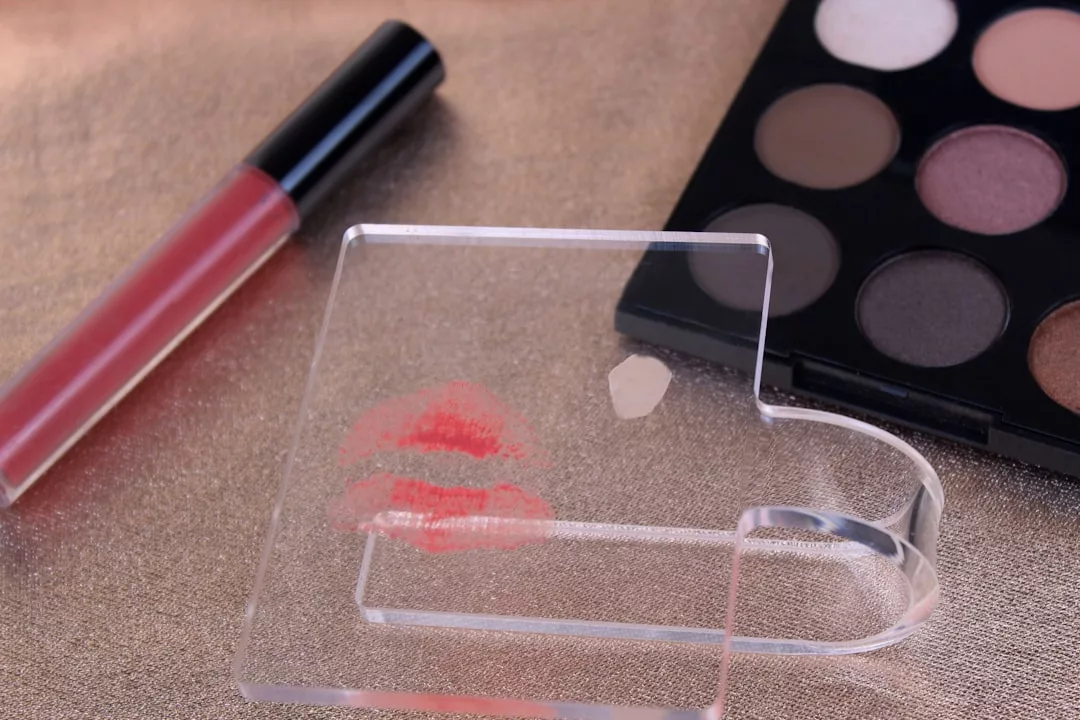
Contouring is a makeup technique that has gained immense popularity in recent years, primarily due to its ability to enhance facial features and create a sculpted appearance. At its core, contouring involves the strategic application of darker and lighter shades of makeup to define and highlight specific areas of the face. The darker shades create shadows, while the lighter shades bring forward the high points of the face, such as the cheekbones and brow bones.
This interplay of light and shadow can dramatically alter the perception of one’s facial structure, making it appear more chiseled or refined. The origins of contouring can be traced back to theatrical makeup, where actors used these techniques to ensure their features were visible under bright stage lights. Over time, this practice transitioned into everyday beauty routines, with celebrities and makeup artists showcasing its transformative power on social media platforms.
Understanding the fundamentals of contouring is essential for anyone looking to master this art form. It requires not only knowledge of product application but also an understanding of facial anatomy and how light interacts with different surfaces.
Key Takeaways
- Understanding the Basics of Contouring: Contouring involves using makeup to enhance and define the natural structure of the face.
- Choosing the Right Contouring Products for Your Skin Type: Select products that are suitable for your skin type, such as cream or powder formulas for oily or dry skin.
- Identifying Your Face Shape for Effective Contouring: Different face shapes require different contouring techniques to achieve the best results.
- Step-by-Step Guide to Contouring Your Cheeks and Jawline: Follow a step-by-step process to contour your cheeks and jawline for a sculpted look.
- Enhancing Your Nose with Contouring Techniques: Learn how to use contouring to enhance and define the shape of your nose for a balanced appearance.
Choosing the Right Contouring Products for Your Skin Type
Selecting the appropriate contouring products is crucial for achieving a natural and flattering look. The market offers a plethora of options, including creams, powders, and sticks, each catering to different skin types and preferences. For individuals with oily skin, powder contours may be more suitable as they help absorb excess oil and provide a matte finish.
Conversely, those with dry skin might benefit from cream-based products that offer hydration and a dewy appearance. It’s essential to consider your skin type when choosing products to ensure they blend seamlessly and enhance your natural beauty. In addition to considering skin type, one must also take into account the undertones of their complexion.
Contouring products come in various shades, and selecting one that complements your skin tone is vital for a harmonious look. For instance, individuals with warm undertones may find that bronzers with golden or peachy hues work best, while those with cool undertones might prefer taupe or ash-based contours. Testing products in natural light can help determine which shades work best for your unique complexion, ensuring that your contouring efforts yield the desired results.
Identifying Your Face Shape for Effective Contouring
Understanding your face shape is a pivotal step in contouring effectively. Different face shapes, such as oval, round, square, heart, and diamond, require tailored contouring techniques to enhance their unique features. For example, individuals with a round face may want to create the illusion of length by contouring the sides of the forehead and under the chin, while those with a square face might focus on softening the jawline and adding dimension to the cheeks.
Recognizing these distinctions allows for a more personalized approach to contouring. To identify your face shape, start by examining your facial proportions in a mirror. Take note of the width of your forehead, cheekbones, and jawline, as well as the overall length of your face.
Once you have determined your shape, you can research specific contouring techniques that will best suit your features. This knowledge not only enhances your makeup application but also empowers you to embrace your natural beauty by highlighting your best attributes.
Step-by-Step Guide to Contouring Your Cheeks and Jawline
Contouring the cheeks and jawline is one of the most sought-after techniques for achieving a sculpted look. To begin, gather your chosen contour product, a cream or powder, and an appropriate brush or sponge for application. Start by applying the contour product just below your cheekbones, using a sweeping motion from the ear towards the mouth.
This placement creates depth and dimension in the cheeks. It’s important to blend well to avoid harsh lines; using a damp sponge can help achieve a seamless finish. Next, focus on the jawline to further define your facial structure.
Apply contour along the jawline, starting from the ears and moving towards the chin. This technique helps create a more elongated appearance and can minimize any fullness in the area. Again, blending is key; use gentle strokes to diffuse any harsh edges.
For added definition, consider applying a highlighter on the tops of your cheekbones and along the center of your jawline to enhance the contrast between light and shadow.
Enhancing Your Nose with Contouring Techniques
Nose contouring is a popular technique that can create the illusion of a slimmer or more refined nose shape. To begin this process, select a contour product that is one or two shades darker than your natural skin tone. Using a small brush or an angled brush, apply the contour along the sides of your nose, starting from the bridge and extending down towards the nostrils.
This placement creates shadows that visually narrow the nose. For those looking to shorten or lift their nose, applying highlighter on the bridge can be effective. A small amount of highlighter at the tip of the nose can also create an illusion of lift.
Blending is crucial in this area; use your fingers or a small sponge to ensure that there are no harsh lines visible. The goal is to create a natural look that enhances your features without appearing overly done.
Highlighting and Contouring Your Forehead and Temples
The forehead and temples are additional areas where contouring can significantly impact overall facial aesthetics. For individuals with larger foreheads who wish to create a more balanced appearance, applying contour along the hairline can help visually reduce its size. Use a fluffy brush to apply product along the top edge of your forehead, blending it into your hairline for a seamless transition.
Temples can also benefit from contouring; applying a bit of product here can add dimension to the face and create an illusion of width in narrower areas. To highlight these regions effectively, use a highlighter on the center of your forehead and above your brows. This technique draws attention upward and creates an elongated effect on the face.
As always, blending is essential; ensure that all products are well-integrated into your base makeup for a polished look.
Contouring Your Eyes and Brow Bone for a Defined Look
The eyes are often considered one of the most expressive features on our faces, making them an ideal area for contouring techniques. To enhance your eyes through contouring, start by applying a matte contour shade in the crease of your eyelids.
Use a blending brush to ensure that there are no harsh lines; soft transitions are key for a natural look. Additionally, contouring around the brow bone can elevate your eye makeup game significantly. Applying a lighter shade directly beneath the brow arch highlights this area and draws attention to your eyes. This technique brightens up the entire eye area and creates an open-eyed effect that is both youthful and vibrant.
Blending Techniques for Seamless Contouring
Blending is arguably one of the most critical aspects of successful contouring. Without proper blending, even the most expertly applied products can appear harsh or unnatural. To achieve seamless results, start by using clean brushes or sponges specifically designated for blending purposes.
A damp sponge can be particularly effective for cream products as it helps diffuse color while maintaining moisture. When blending contour products, use gentle circular motions rather than harsh strokes; this technique helps soften edges without removing too much product. For powder contours, tapping off excess product before application can prevent over-application and make blending easier.
It’s also beneficial to blend in layers: start with a light application and gradually build up intensity as needed. This approach allows for greater control over how defined or subtle you want your contours to appear.
Using Cream and Powder Contour Products for Different Effects
The choice between cream and powder contour products often comes down to personal preference and desired effects. Cream contours tend to provide a more dewy finish and are ideal for dry skin types or those seeking a more natural look. They blend easily into liquid foundations and can be built up for more intensity without looking cakey.
When using cream products, it’s essential to set them with a translucent powder if you want longevity throughout the day. On the other hand, powder contours offer versatility in terms of finish, ranging from matte to shimmer, and are often easier to control during application due to their buildable nature. They work well on oily skin types as they help absorb excess oil throughout the day.
When using powder contours, it’s advisable to use a fluffy brush for application; this allows for even distribution without overwhelming any single area of the face.
Tips for Contouring Different Skin Tones and Complexions
Contouring is not a one-size-fits-all technique; it requires consideration of individual skin tones and complexions for optimal results. For fair skin tones, opting for cool-toned contours can create natural shadows without appearing too harsh against lighter complexions. Shades like taupe or soft beige work well in these cases.
Medium skin tones can experiment with both warm and cool tones; however, warm bronzers often provide a sun-kissed effect that many find appealing. For deeper skin tones, rich chocolate or espresso shades are ideal for creating depth without looking ashy or gray against darker complexions. It’s also important to consider undertones when selecting products; warm undertones may benefit from golden bronzers while cool undertones should lean towards ashier shades.
Testing products in natural light will help ensure that they complement rather than clash with your unique complexion.
Mastering the Art of Contouring: Common Mistakes to Avoid
As with any makeup technique, there are common pitfalls that many encounter when learning how to contour effectively. One prevalent mistake is using products that are too dark or too light for one’s skin tone; this can lead to an unnatural appearance that detracts from overall beauty rather than enhancing it. It’s crucial to choose shades that complement rather than overwhelm your features.
Another common error is neglecting proper blending techniques; harsh lines can make contouring look obvious rather than seamless. Always remember that makeup should enhance rather than mask one’s natural beauty, aim for subtlety rather than dramatic contrasts unless you’re going for an editorial look. Lastly, forgetting to set cream products with powder can lead to fading throughout the day; always finish with a setting spray or powder to lock everything in place for long-lasting wear.
By understanding these principles and techniques surrounding contouring, individuals can elevate their makeup skills significantly while embracing their unique features with confidence.
More in
More from Beauty
Beauty · 8 min
Unlocking Radiant Skin with Serum
In the realm of skincare, serums have emerged as a transformative product that can significantly enhance the health and appearance of the skin. Unlike…

Beauty · 9 min
Revitalize Your Skin with Toner: The Ultimate Guide
Toner has long been a staple in many skincare routines, yet its purpose often remains misunderstood. Traditionally, toners were formulated to remove r…
Beauty · 8 min
Shiny and Smooth: The Ultimate Lip Gloss Guide
Lip gloss has long been a staple in the beauty industry, celebrated for its ability to enhance the natural beauty of lips while providing a glossy fin…