Travel · Travel
Maximizing Fun: Group Travel Tips for Ultimate Adventures
Selecting the right group for a trip is a critical first step that can significantly influence the overall experience. The dynamics of the group can either enhance the adventure or…
Selecting the right group for a trip is a critical first step that can significantly influence the overall experience. The dynamics of the group can either enhance the adventure or create friction, so it’s essential to consider compatibility among participants. When choosing a group, think about shared interests and travel styles.
For instance, if some members prefer a leisurely pace while others thrive on adrenaline-pumping activities, it may lead to dissatisfaction. A well-matched group can foster camaraderie and ensure that everyone enjoys the journey, whether it’s a hiking expedition, a cultural exploration, or a beach getaway. Moreover, the size of the group plays a pivotal role in shaping the travel experience.
A smaller group often allows for more intimate interactions and flexibility in planning. It can be easier to navigate through crowded tourist spots or make spontaneous decisions when there are fewer people involved. Conversely, larger groups can provide a sense of community and shared experiences but may require more structured planning to accommodate diverse preferences.
Ultimately, the key is to strike a balance between familiarity and diversity, ensuring that everyone feels included and valued throughout the trip.
Key Takeaways
- When choosing the right group for a trip, consider the interests, travel style, and compatibility of potential group members.
- Planning the itinerary involves researching and selecting activities, attractions, and dining options that cater to the group’s preferences and budget.
- Budgeting and expenses should be discussed openly and agreed upon by all group members to avoid any financial conflicts during the trip.
- Communication and coordination are essential for a successful group trip, utilizing group chats, shared documents, and itinerary apps to keep everyone informed and organized.
- Accommodation options should be chosen based on the group’s preferences, budget, and desired level of comfort and privacy.
Planning the Itinerary
Once the group is established, the next step is to craft an itinerary that caters to the interests and preferences of all participants. This process begins with brainstorming potential destinations and activities. Engaging everyone in this discussion can help identify common interests and ensure that no one feels left out.
For example, if the group consists of history buffs, nature lovers, and food enthusiasts, the itinerary could include visits to historical sites, nature hikes, and local culinary experiences. This collaborative approach not only fosters excitement but also encourages ownership of the trip. After identifying key activities, it’s essential to create a balanced schedule that allows for both structured events and free time.
Over-scheduling can lead to burnout, while too much unstructured time may result in indecision or missed opportunities. A well-rounded itinerary might include guided tours in the morning followed by afternoons reserved for exploration at one’s own pace. Additionally, incorporating downtime for relaxation or spontaneous adventures can enhance the overall experience.
Utilizing tools like shared online calendars or travel planning apps can streamline this process, allowing everyone to stay informed and engaged.
Budgeting and Expenses
Budgeting is a crucial aspect of group travel that requires careful consideration and transparency. Establishing a clear budget from the outset helps manage expectations and prevents financial strain during the trip. It’s important to discuss how expenses will be divided among group members, whether through shared costs for accommodations and transportation or individual payments for activities and meals.
Creating a detailed budget that outlines estimated costs for each category, such as lodging, food, transportation, and activities, can provide clarity and help avoid misunderstandings later on. In addition to upfront costs, it’s wise to account for unexpected expenses that may arise during the trip. Setting aside a contingency fund can alleviate stress if unforeseen circumstances occur, such as last-minute activity fees or emergency situations.
Furthermore, utilizing budgeting apps or spreadsheets can help track expenses in real-time, ensuring that everyone remains on the same page financially. By fostering open communication about money matters, groups can navigate budgeting challenges more effectively and enjoy their travels without financial anxiety.
Communication and Coordination
Effective communication is the backbone of successful group travel. Establishing clear channels for sharing information and coordinating plans is essential to ensure that everyone is informed and engaged throughout the process. Group messaging apps or social media platforms can serve as excellent tools for real-time communication, allowing members to share updates, ask questions, and discuss plans as they evolve.
Regular check-ins can also help gauge everyone’s comfort levels with the itinerary and address any concerns before they escalate. Coordination extends beyond communication; it also involves organizing logistics such as reservations and tickets. Designating a point person or a small planning committee can streamline this process, ensuring that tasks are delegated efficiently.
For instance, one person might handle accommodation bookings while another manages transportation arrangements. This division of labor not only lightens the load but also empowers individuals to take ownership of specific aspects of the trip. By fostering a collaborative environment where everyone feels comfortable contributing ideas and feedback, groups can enhance their overall travel experience.
Accommodation Options
Choosing the right accommodation is vital for ensuring comfort and convenience during group travel. The type of lodging selected can significantly impact the group’s dynamics and overall experience. Options range from hotels and hostels to vacation rentals and camping sites, each offering unique advantages and challenges.
For instance, vacation rentals can provide communal spaces for socializing while allowing for more privacy than traditional hotel rooms. This setup can be particularly beneficial for larger groups seeking a home-like atmosphere. When selecting accommodations, it’s essential to consider location in relation to planned activities. Additionally, amenities such as kitchens or communal areas can facilitate group bonding through shared meals or relaxation time after a day of exploration. It’s also wise to read reviews and compare prices across different platforms to ensure that the chosen accommodation meets the group’s needs without exceeding budget constraints.
Transportation Logistics
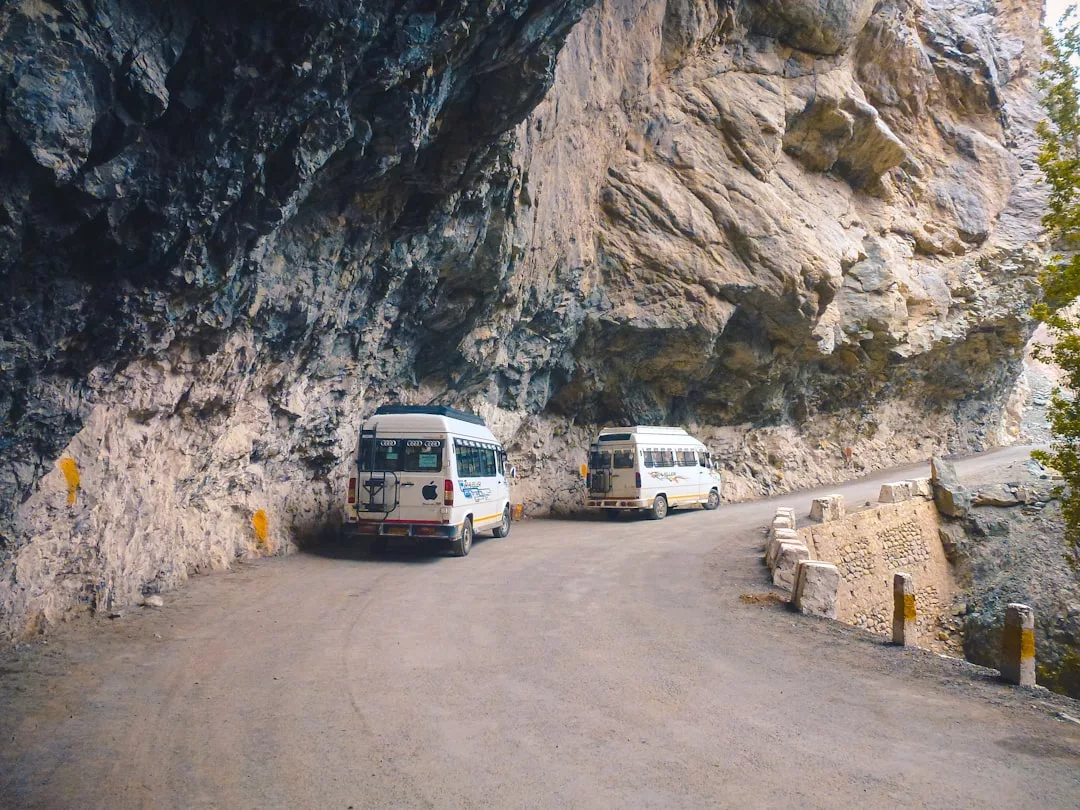
Transportation logistics are another critical component of group travel planning that requires careful consideration. Depending on the destination and size of the group, various transportation options may be available, including rental cars, public transit, or organized tours. For larger groups traveling together, renting a van or bus can provide convenience and flexibility while allowing everyone to stay together during transit.
This option often proves more economical than purchasing individual tickets for public transportation. When planning transportation routes, it’s essential to account for factors such as travel time, traffic conditions, and accessibility to attractions. Creating a detailed transportation plan that outlines departure times, routes, and estimated arrival times can help keep everyone on track and minimize confusion during travel days.
Additionally, having backup plans in place, such as alternative routes or transportation options, can alleviate stress in case of unexpected delays or changes in plans.
Packing and Luggage
Packing efficiently is crucial for group travel, as it can significantly impact mobility and comfort during the trip. Encouraging group members to pack light not only makes transportation easier but also allows for greater flexibility when navigating through airports or train stations. A good rule of thumb is to limit luggage to essentials while considering the destination’s climate and planned activities.
For example, if hiking is on the agenda, sturdy footwear and appropriate clothing should take precedence over non-essential items. To streamline packing further, creating a shared packing list can be beneficial. This list can outline necessary items based on planned activities while allowing individuals to add personal essentials as needed.
Additionally, discussing luggage arrangements, such as whether to check bags or carry on, can help avoid confusion at airports or transit hubs. By fostering a culture of mindful packing within the group, members can ensure they are well-prepared without overburdening themselves with unnecessary items.
Safety and Health Considerations
Prioritizing safety and health during group travel is paramount for ensuring a smooth experience for all participants. Before embarking on the journey, it’s essential to research any health advisories or safety concerns related to the destination. This includes understanding local customs regarding health practices, such as vaccinations or food safety, and being aware of emergency contact information for local authorities or medical facilities.
Additionally, discussing safety protocols within the group can foster a sense of security among members. Establishing guidelines for staying together during excursions or setting up check-in times can help mitigate risks associated with exploring unfamiliar environments.
By fostering an environment where safety is prioritized and openly discussed, groups can navigate their travels with confidence.
Group Activities and Excursions
Planning engaging group activities is essential for creating memorable experiences during travel. The key is to strike a balance between organized excursions and opportunities for spontaneous exploration. Group activities should cater to diverse interests while fostering collaboration among participants.
For instance, scheduling guided tours of historical sites can provide educational value while allowing for shared experiences that spark conversation. Incorporating free time into the itinerary allows individuals to pursue personal interests or relax at their own pace. This flexibility can lead to unexpected discoveries, such as stumbling upon a local market or hidden gem restaurant, that enrich the overall experience.
Additionally, encouraging group members to suggest activities based on their interests fosters inclusivity and ensures that everyone feels invested in the journey.
Managing Group Dynamics
Navigating group dynamics is an integral part of ensuring a harmonious travel experience. Each member brings unique personalities and preferences that can influence interactions throughout the trip. Establishing ground rules early on, such as respecting differing opinions or being open to compromise, can help mitigate potential conflicts before they arise.
Encouraging open dialogue about preferences and concerns fosters an environment where everyone feels heard. It’s also important to recognize that individual needs may vary throughout the trip; some may require downtime while others thrive on constant activity. Being attuned to these differences allows for greater empathy among group members and promotes understanding when conflicts do arise.
By cultivating an atmosphere of respect and support, groups can navigate challenges more effectively while enhancing their overall experience together.
Reflecting and Sharing Memories
As the trip comes to an end, taking time to reflect on shared experiences can deepen connections among group members. Organizing a final gathering, whether it’s a casual dinner or a dedicated reflection session, provides an opportunity for everyone to share their favorite moments from the journey. This practice not only reinforces bonds but also allows individuals to express gratitude for one another’s contributions throughout the trip.
In addition to verbal reflections, capturing memories through photos or journaling can serve as lasting keepsakes from the adventure. Creating a shared digital album where everyone contributes their favorite snapshots fosters collaboration while preserving memories for years to come. By taking time to reflect on experiences together, groups can solidify their connections while cherishing the unique journey they undertook as a collective unit.
More in
More from Travel

Travel · 9 min
Exploring the Ultimate Culinary Experience
The ultimate culinary experience transcends mere sustenance; it is an intricate tapestry woven from flavors, aromas, textures, and visual appeal. This…
Travel · 11 min
Exploring the Best of Paris: A 3-Day Itinerary
The first day in Paris is often a whirlwind of excitement and discovery, as travelers set out to explore the city’s most iconic landmarks. Starting at…

Travel · 8 min
Mastering the Art of Skiing: Tips for Perfecting Your Technique
Selecting the appropriate skiing equipment is a fundamental step for both beginners and seasoned skiers alike. The right gear not only enhances perfor…