Beauty · Beauty
Maximizing the Benefits of Botox for Youthful Skin
Botox, a brand name for botulinum toxin type A, is a neurotoxic protein produced by the bacterium Clostridium botulinum. Initially developed for medical purposes, such as treating …
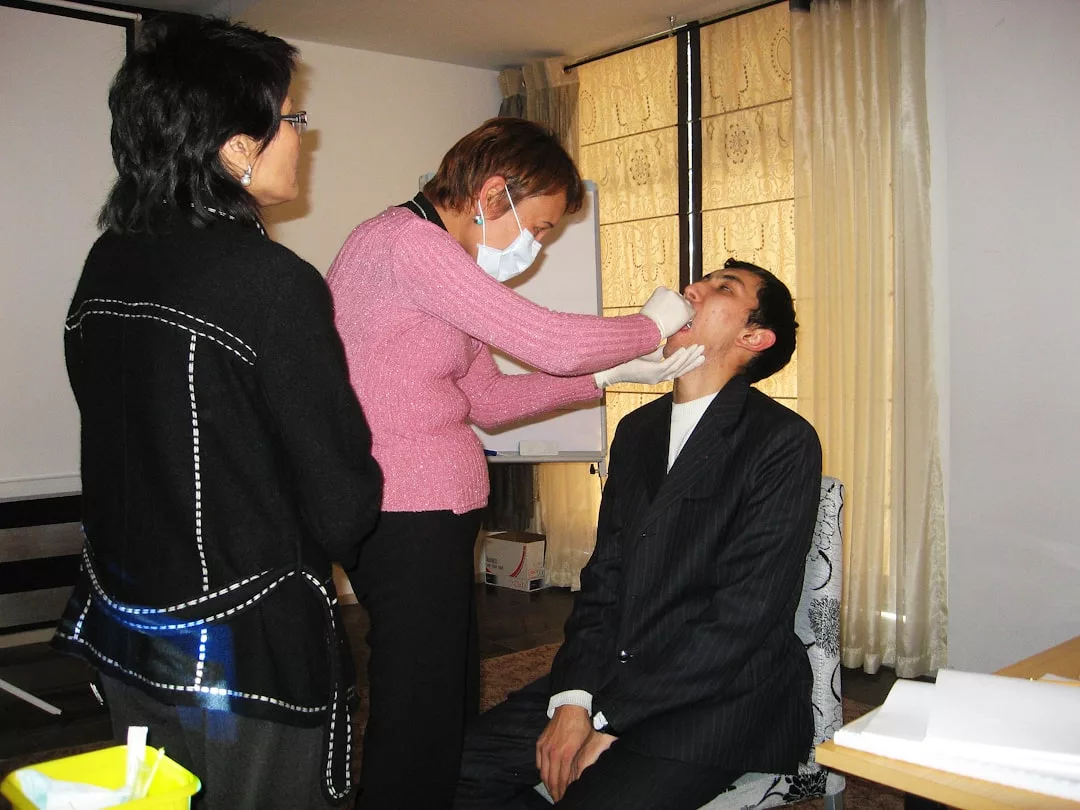
Botox, a brand name for botulinum toxin type A, is a neurotoxic protein produced by the bacterium Clostridium botulinum. Initially developed for medical purposes, such as treating muscle spasms and excessive sweating, Botox has gained immense popularity in the cosmetic industry for its ability to temporarily reduce the appearance of fine lines and wrinkles. The mechanism behind Botox involves the blocking of nerve signals to specific muscles, leading to a temporary paralysis or relaxation of those muscles.
This effect smooths out dynamic wrinkles, those caused by facial expressions, such as crow’s feet, frown lines, and forehead creases. When injected into targeted areas, Botox works by inhibiting the release of acetylcholine, a neurotransmitter responsible for muscle contraction. As a result, the treated muscles become less active, which diminishes the visibility of wrinkles.
The effects of Botox typically begin to manifest within a few days post-treatment and can last anywhere from three to six months, depending on individual factors such as metabolism and the area treated. Understanding this fundamental mechanism is crucial for anyone considering Botox, as it sets the stage for informed discussions with healthcare providers about expectations and outcomes.
Key Takeaways
- Botox is a neurotoxin that temporarily paralyzes muscles to reduce wrinkles and fine lines
- Choose a qualified and experienced injector to ensure safe and effective treatment
- Botox can soften wrinkles and prevent new ones, but it cannot completely erase all signs of aging
- Customize your Botox treatment to address your specific concerns and achieve natural-looking results
- Prepare for your Botox appointment by avoiding blood-thinning medications and discussing your goals with your injector
Choosing the Right Injector: Finding a Qualified Professional
Selecting a qualified injector is one of the most critical steps in ensuring a successful Botox experience. The ideal injector should possess not only the necessary medical qualifications but also extensive experience in administering Botox. Medical professionals such as dermatologists, plastic surgeons, and licensed nurse practitioners are often the best candidates due to their training in facial anatomy and aesthetics.
It is essential to verify their credentials and ensure they are board-certified in their respective fields. Additionally, seeking out practitioners who specialize in cosmetic procedures can provide an added layer of assurance regarding their expertise. Beyond credentials, personal recommendations and reviews can play a significant role in finding the right injector.
Engaging with friends or family members who have undergone Botox treatments can yield valuable insights into their experiences. Online platforms and social media can also serve as resources for researching potential injectors. Many practitioners showcase before-and-after photos of their work, which can help prospective clients gauge their aesthetic style and results.
Ultimately, a thorough consultation prior to treatment is vital; this allows individuals to discuss their goals, ask questions, and assess the injector’s communication style and approach to patient care.
Setting Realistic Expectations: What Botox Can and Cannot Do
Understanding what Botox can realistically achieve is essential for anyone considering this treatment. While Botox is highly effective at reducing the appearance of dynamic wrinkles, it is not a one-size-fits-all solution for all signs of aging. For instance, static wrinkles, those that are visible even when the face is at rest, may require additional treatments such as dermal fillers or laser therapy for optimal results.
Furthermore, Botox does not address issues related to skin texture or tone; it primarily targets muscle activity beneath the skin’s surface. Setting realistic expectations also involves recognizing that results can vary significantly from person to person. Factors such as age, skin type, and lifestyle choices can influence how well Botox works for an individual.
For example, younger patients may experience more pronounced effects due to firmer skin and less sun damage compared to older individuals. During the consultation process, injectors should provide a comprehensive overview of what patients can expect based on their unique circumstances, helping to align treatment goals with achievable outcomes.
Customizing Your Treatment: Tailoring Botox to Your Unique Needs
One of the most significant advantages of Botox is its versatility; treatments can be customized to meet each individual’s specific needs and aesthetic goals. During an initial consultation, injectors will assess facial anatomy, skin condition, and personal preferences to develop a tailored treatment plan. This personalized approach ensures that the injector addresses not only the areas of concern but also considers how different facial features interact with one another.
For instance, some individuals may wish to focus solely on crow’s feet around the eyes, while others may want to address multiple areas such as the forehead and glabella (the area between the eyebrows). Additionally, injectors can adjust the dosage and injection technique based on factors like muscle strength and skin elasticity. This level of customization allows for more natural-looking results that enhance an individual’s unique features rather than creating a “frozen” appearance often associated with over-treatment.
Preparing for Your Botox Appointment: Tips for a Successful Treatment
Preparation for a Botox appointment can significantly influence the overall experience and results. Prior to treatment, it is advisable to avoid blood-thinning medications such as aspirin or ibuprofen for at least 24 hours, as these can increase the risk of bruising at the injection sites. Additionally, individuals should refrain from consuming alcohol in the days leading up to their appointment, as it can also contribute to increased bleeding and swelling.
On the day of the appointment, arriving with a clean face free from makeup is essential. This not only facilitates a smoother injection process but also minimizes the risk of infection. Patients should come prepared with any questions or concerns they may have about the procedure; open communication with the injector is crucial for ensuring comfort and understanding throughout the treatment process.
Lastly, having realistic expectations about post-treatment effects, such as mild swelling or redness, can help individuals feel more at ease during their visit.
Aftercare: Maximizing the Results of Your Botox Treatment
Post-treatment care plays a vital role in maximizing the benefits of Botox injections. Immediately following the procedure, patients are often advised to avoid strenuous exercise and activities that may increase blood flow to the face for at least 24 hours.
Additionally, patients should refrain from lying down flat for several hours after treatment to minimize pressure on the injection sites. Incorporating gentle facial care into one’s routine can also enhance results. Patients are encouraged to avoid facials or other skin treatments for at least two weeks post-injection to allow the Botox to settle properly into the targeted muscles.
Staying hydrated and maintaining a healthy skincare regimen can further support skin health and prolong the effects of Botox. Regular follow-up appointments with the injector can help monitor results and make any necessary adjustments in future treatments.
Combining Botox with Other Treatments: Enhancing Your Youthful Look
For those seeking comprehensive rejuvenation, combining Botox with other aesthetic treatments can yield synergistic effects that enhance overall results. One popular combination is pairing Botox with dermal fillers; while Botox relaxes muscles to smooth out wrinkles, fillers restore volume and plumpness to areas that may have lost elasticity over time. This dual approach can create a more youthful appearance by addressing both dynamic and static wrinkles simultaneously. By integrating these modalities into a cohesive treatment plan, patients can achieve more balanced and harmonious results that reflect their desired aesthetic goals. Consulting with an experienced injector who understands how different treatments interact is essential for developing an effective combination strategy tailored to individual needs.
Long-Term Maintenance: Sustaining the Benefits of Botox Over Time
To maintain the youthful effects of Botox over time, regular treatments are necessary due to its temporary nature. Most individuals find that scheduling follow-up appointments every three to six months helps sustain their desired appearance while preventing deeper wrinkles from forming as a result of repeated muscle contractions. Establishing a consistent treatment schedule allows patients to enjoy ongoing benefits while minimizing any potential regression in results.
In addition to regular Botox sessions, adopting a proactive skincare routine can further enhance long-term outcomes. Incorporating high-quality moisturizers, sun protection, and products containing retinoids or antioxidants can help maintain skin health and elasticity. Lifestyle factors such as staying hydrated, eating a balanced diet rich in vitamins and minerals, and avoiding smoking can also contribute significantly to preserving youthful skin over time.
Common Misconceptions: Debunking Botox Myths
Despite its widespread use, several misconceptions about Botox persist in popular culture that can deter individuals from considering this treatment. One common myth is that Botox leads to a completely frozen or expressionless face; however, when administered by a skilled injector who understands facial anatomy, results can be subtle yet effective. The goal of Botox is not to eliminate all movement but rather to soften specific expressions that contribute to visible aging.
Another prevalent misconception is that Botox is only suitable for older individuals; in reality, many younger adults seek out preventative treatments before significant signs of aging appear. Starting Botox early can help delay the formation of deeper wrinkles by reducing muscle activity over time. Educating oneself about these myths is crucial for making informed decisions regarding cosmetic treatments and understanding what Botox truly offers.
Potential Risks and Side Effects: Understanding the Safety of Botox
While Botox is generally considered safe when administered by qualified professionals, it is essential for patients to be aware of potential risks and side effects associated with the treatment. Common side effects include mild bruising, swelling, or redness at injection sites; these typically resolve within a few days without intervention. In rare cases, individuals may experience headaches or flu-like symptoms following treatment.
More serious complications are exceedingly rare but can occur if Botox spreads beyond the intended area or if an inexperienced injector administers it improperly. Symptoms such as difficulty swallowing or breathing should be taken seriously and warrant immediate medical attention. Understanding these risks allows patients to make informed choices about their treatment options while emphasizing the importance of selecting qualified professionals for administration.
Embracing Your Youthful Glow: Confidence and Self-Care After Botox
The psychological impact of undergoing cosmetic procedures like Botox can be profound; many individuals report increased confidence and self-esteem following treatment. The subtle enhancement of one’s appearance often leads to feelings of empowerment and satisfaction with one’s image. Embracing this newfound confidence can encourage individuals to engage more actively in self-care practices that promote overall well-being.
Post-Botox self-care extends beyond skincare; it encompasses mental health as well. Taking time for oneself through activities such as yoga, meditation, or pursuing hobbies can enhance emotional resilience and foster a positive self-image. Ultimately, embracing one’s youthful glow after Botox involves recognizing that beauty is multifaceted, rooted not only in physical appearance but also in self-acceptance and holistic well-being.
More in
More from Beauty
Beauty · 8 min
Unlocking Radiant Skin with Serum
In the realm of skincare, serums have emerged as a transformative product that can significantly enhance the health and appearance of the skin. Unlike…

Beauty · 9 min
Revitalize Your Skin with Toner: The Ultimate Guide
Toner has long been a staple in many skincare routines, yet its purpose often remains misunderstood. Traditionally, toners were formulated to remove r…
Beauty · 8 min
Shiny and Smooth: The Ultimate Lip Gloss Guide
Lip gloss has long been a staple in the beauty industry, celebrated for its ability to enhance the natural beauty of lips while providing a glossy fin…