Travel · Travel
Navigating the High Seas: The Art of Sailing
Sailing has a rich and storied history that dates back thousands of years, with its origins rooted in the necessity of transportation and trade. The earliest evidence of sailing ve…
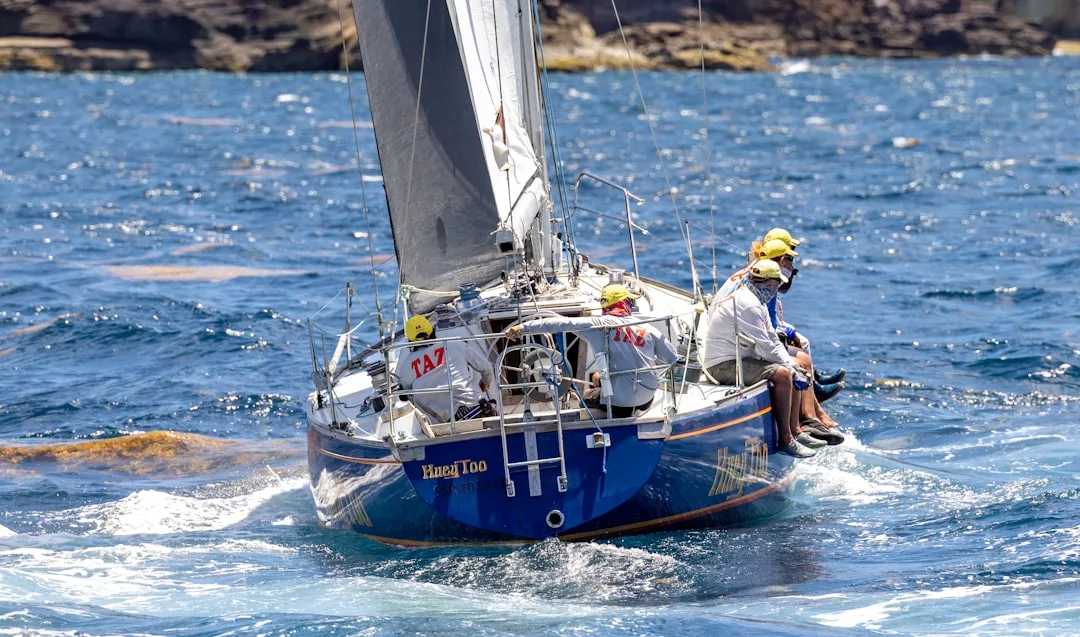
Sailing has a rich and storied history that dates back thousands of years, with its origins rooted in the necessity of transportation and trade. The earliest evidence of sailing vessels can be traced to ancient Egypt around 3000 BCE, where simple reed boats were used on the Nile River. These early boats were propelled by the wind using sails made from woven materials, marking the beginning of humanity’s relationship with the sea.
As civilizations advanced, so did the design and construction of sailing vessels. The Phoenicians, known for their seafaring prowess, developed advanced ships that facilitated trade across the Mediterranean, establishing routes that connected various cultures and economies. As time progressed, sailing technology evolved significantly.
The Greeks and Romans made notable contributions to shipbuilding, introducing innovations such as the trireme, a fast and agile warship equipped with multiple rows of oars. The Middle Ages saw the rise of the Viking longships, which were designed for both speed and versatility, allowing Norse explorers to navigate vast oceans and reach distant lands. By the Age of Exploration in the 15th century, advancements in navigation and ship design led to the creation of larger, more robust vessels capable of undertaking long voyages.
The caravel and galleon became symbols of this era, enabling explorers like Christopher Columbus and Ferdinand Magellan to traverse uncharted waters and expand the horizons of the known world.
Key Takeaways
- Sailing has a rich history dating back to ancient times, evolving from simple vessels to modern-day yachts and sailboats.
- Understanding sailing basics involves knowledge of equipment and terminology such as sails, rigging, and nautical terms like port and starboard.
- Navigating the high seas requires the use of charts, compasses, and GPS for accurate and safe travel on the water.
- The art of sail trim is essential for maximizing speed and efficiency, involving adjustments to the sails and rigging to catch the wind effectively.
- Weathering the storm while sailing involves techniques for handling rough seas, including reefing sails and maintaining stability in challenging conditions.
Understanding the Basics: Sailing Equipment and Terminology
To embark on a sailing adventure, one must familiarize themselves with essential equipment and terminology that form the backbone of this maritime activity. At the heart of any sailing vessel is the hull, which provides buoyancy and stability. Above the hull, sails are crucial for harnessing wind power; they come in various shapes and sizes, including mainsails, jibs, and spinnakers.
The rigging system, composed of ropes and cables, supports the mast and controls the sails’ position relative to the wind. Understanding how to adjust these elements is vital for effective sailing. Terminology plays a significant role in communication among sailors.
For instance, “port” refers to the left side of the boat when facing forward, while “starboard” denotes the right side. The term “bow” indicates the front of the vessel, whereas “stern” refers to the rear. Sailors also use directional terms such as “upwind” (toward the wind) and “downwind” (away from the wind) to describe their sailing position.
Additionally, understanding points of sail, such as close-hauled, beam reach, and running, helps sailors optimize their course based on wind direction. Mastery of this vocabulary is essential for both novice and experienced sailors alike.
Navigating the High Seas: Using Charts, Compasses, and GPS
Navigating the open waters requires a combination of traditional skills and modern technology. Historically, sailors relied on nautical charts, detailed maps that depict coastlines, water depths, hazards, and navigational aids. These charts are essential for planning routes and ensuring safe passage through unfamiliar waters.
Understanding how to read these charts involves recognizing symbols and scales that indicate various features of the marine environment. The compass has been a fundamental tool for navigation since its introduction in Europe during the 14th century. By indicating magnetic north, it allows sailors to determine their heading relative to cardinal directions.
However, modern advancements have introduced Global Positioning System (GPS) technology, which provides real-time location data with remarkable accuracy. GPS devices have revolutionized navigation by allowing sailors to plot their course digitally, track their position continuously, and access information about nearby hazards or points of interest. While GPS has become a staple in contemporary sailing, many experienced sailors still advocate for traditional navigation skills as a backup in case of technology failure.
The Art of Sail Trim: Maximizing Speed and Efficiency
Sail trim is a critical aspect of sailing that directly influences a vessel’s speed and performance. Properly trimming sails involves adjusting their shape and angle relative to the wind to maximize lift while minimizing drag. This process requires an understanding of how different sail configurations interact with wind conditions.
For example, when sailing upwind, sails should be pulled in tightly to create an efficient aerodynamic shape; conversely, when sailing downwind, sails can be let out to catch more wind. Experienced sailors often develop a sense for how their vessel responds to various wind conditions and adjust accordingly.
Factors such as sail shape, tension on halyards (the lines used to raise sails), and the angle of the boom (the horizontal spar that extends from the mast) all play a role in achieving optimal performance. Additionally, understanding how weight distribution affects balance can further enhance speed and efficiency on the water.
Weathering the Storm: Techniques for Sailing in Rough Seas
Sailing in rough seas presents unique challenges that require skillful handling and preparation. When faced with inclement weather or turbulent waters, sailors must prioritize safety while maintaining control of their vessel. One fundamental technique is reefing, reducing sail area by partially lowering or folding sails, to prevent overpowering the boat in strong winds.
This adjustment helps maintain stability and control while minimizing the risk of capsizing. Another critical aspect of sailing in rough conditions is understanding wave patterns and currents. Experienced sailors learn to anticipate how waves will affect their vessel’s motion and adjust their course accordingly.
For instance, when approaching large waves, it is often advisable to steer at an angle rather than head-on to reduce impact and maintain momentum. Additionally, keeping a low center of gravity by moving weight toward the center of the boat can enhance stability during turbulent conditions. These techniques require practice and experience but are essential for navigating safely through challenging maritime environments.
The decision to sail solo or with a crew involves weighing various factors that can significantly impact the sailing experience. Solo sailing offers a sense of freedom and independence that many enthusiasts cherish. It allows for personal reflection and decision-making without external input, fostering a deep connection between sailor and sea. On the other hand, sailing with a crew provides opportunities for shared experiences and teamwork. A well-coordinated crew can enhance safety by distributing responsibilities such as navigation, sail trimming, and lookout duties.
This collaborative approach allows for more complex maneuvers and longer voyages since crew members can take turns resting while others remain vigilant. However, sailing with others may require compromise in decision-making and can lead to interpersonal dynamics that need careful management. Ultimately, whether one chooses to sail solo or with a crew depends on personal preferences, experience levels, and specific sailing goals.
Sailing Etiquette: Rules and Courtesies on the Water
Sailing etiquette encompasses a set of unwritten rules that promote safety and respect among sailors on the water. One fundamental principle is maintaining a proper lookout; all vessels must keep watch for other boats, navigational hazards, and changing weather conditions. This vigilance not only ensures safety but also fosters a culture of mutual respect among sailors who share the same waterways.
Another important aspect of sailing etiquette is understanding right-of-way rules. For instance, when two sailing vessels are approaching each other at an angle, the boat on starboard tack (with wind coming over its right side) has priority over the one on port tack (with wind coming over its left side). Additionally, larger vessels often have right-of-way over smaller ones due to their limited maneuverability.
Adhering to these rules helps prevent collisions and promotes harmonious interactions among sailors.
The Importance of Safety: Tips for Preventing Accidents and Emergencies
Safety is paramount in sailing; understanding potential risks and implementing preventive measures can make all the difference between a successful voyage and a dangerous situation. One essential tip is conducting thorough pre-departure checks on equipment such as life jackets, flares, fire extinguishers, and communication devices like VHF radios. Ensuring that all safety gear is in good working order can provide peace of mind while out on the water.
Additionally, developing a comprehensive safety plan is crucial for addressing emergencies should they arise. This plan should include procedures for man-overboard situations, capsizing recovery techniques, and protocols for dealing with medical emergencies or equipment failures. Regular drills can help crew members become familiar with these procedures so they can respond effectively under pressure.
Furthermore, staying informed about weather conditions before setting sail allows sailors to make informed decisions about whether to proceed or postpone their journey based on safety considerations.
Sailing as a Sport: Competitions and Events for Enthusiasts
Sailing has evolved into a competitive sport that attracts enthusiasts from around the globe. Regattas, organized races featuring multiple boats, are popular events where sailors showcase their skills against one another in various classes ranging from small dinghies to large yachts. These competitions often involve intricate strategies related to sail trim, course navigation, and teamwork among crew members.
One notable event in competitive sailing is the America’s Cup, a prestigious yacht race that dates back to 1851. This event pits national teams against each other in high-performance racing yachts designed specifically for speed and agility on the water. The excitement surrounding such competitions has led to increased interest in sailing as both a recreational activity and a professional sport.
Additionally, local clubs often host informal races that provide opportunities for novice sailors to gain experience while enjoying camaraderie with fellow enthusiasts.
The Environmental Impact of Sailing: Sustainable Practices and Conservation Efforts
As awareness grows regarding environmental issues facing our oceans, many sailors are adopting sustainable practices to minimize their impact on marine ecosystems. One significant concern is pollution from fuel spills or waste generated during voyages; therefore, responsible sailors prioritize using eco-friendly products onboard while ensuring proper waste disposal methods are followed. Moreover, initiatives aimed at protecting marine habitats have gained traction within the sailing community.
Organizations like Sailors for Sustainability advocate for responsible boating practices that promote conservation efforts such as beach cleanups or supporting marine protected areas (MPAs). By participating in these initiatives or adopting sustainable practices like using renewable energy sources (e.g. solar panels) onboard vessels, sailors contribute positively toward preserving our oceans for future generations.
Sailing Adventures: Exploring the World’s Oceans and Seas
Sailing offers unparalleled opportunities for adventure: allowing individuals to explore some of the most breathtaking destinations on Earth from unique perspectives only accessible by watercraft. From navigating through pristine archipelagos in Southeast Asia to traversing icy fjords in Scandinavia or experiencing vibrant coastal towns along Mediterranean shores, each journey presents its own set of challenges and rewards. Many sailors embark on long-distance voyages known as bluewater sailing, crossing vast oceans while visiting remote islands along their routes.
These adventures often require meticulous planning regarding provisions, navigation routes, weather patterns, and they foster deep connections between sailors and nature as they witness stunning sunrises over open waters or encounter diverse marine life firsthand. Through these experiences, whether leisurely day sails or ambitious ocean crossings, sailing becomes more than just an activity; it transforms into an exploration of self-discovery amid nature’s grandeur, a testament to humanity’s enduring relationship with watercraft throughout history.
More in
More from Travel

Travel · 9 min
Exploring the Ultimate Culinary Experience
The ultimate culinary experience transcends mere sustenance; it is an intricate tapestry woven from flavors, aromas, textures, and visual appeal. This…

Travel · 11 min
Exploring the Best of Paris: A 3-Day Itinerary
The first day in Paris is often a whirlwind of excitement and discovery, as travelers set out to explore the city’s most iconic landmarks. Starting at…

Travel · 8 min
Mastering the Art of Skiing: Tips for Perfecting Your Technique
Selecting the appropriate skiing equipment is a fundamental step for both beginners and seasoned skiers alike. The right gear not only enhances perfor…