Travel · Travel
Navigating the High Seas: Yachting Adventures
Selecting the appropriate yacht for your maritime journey is a critical first step that can significantly influence the overall experience of your adventure. The choice of yacht sh…
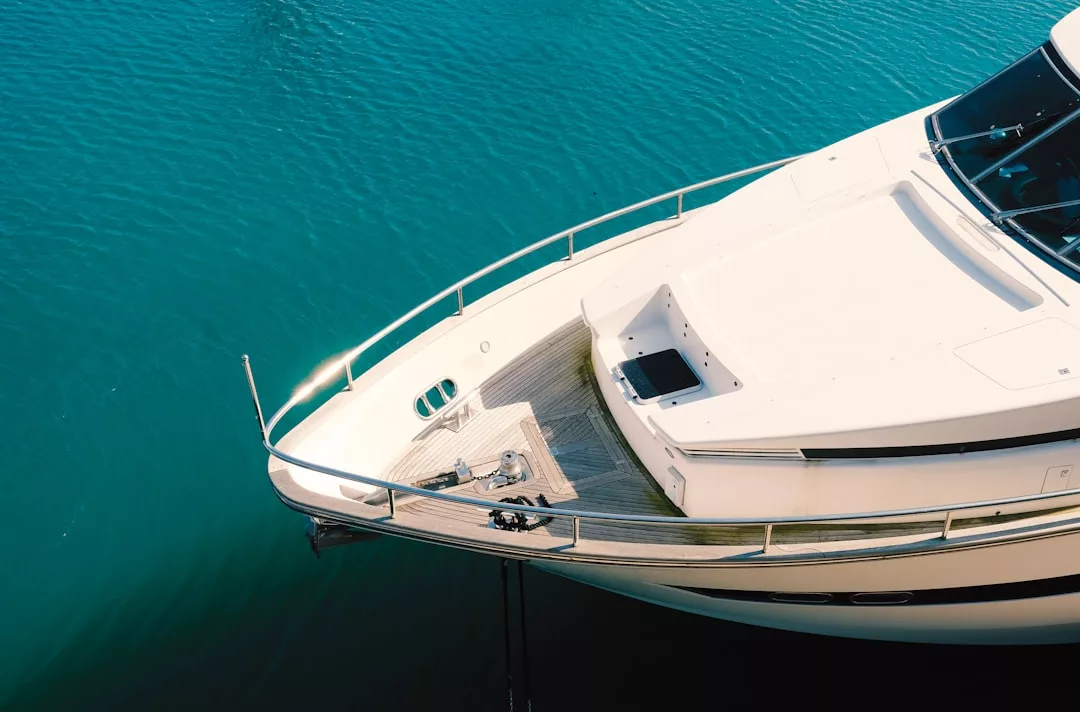
Selecting the appropriate yacht for your maritime journey is a critical first step that can significantly influence the overall experience of your adventure. Factors such as size, type, and intended use must be carefully considered.
For instance, a sailing yacht may be ideal for those who appreciate the art of sailing and wish to harness the wind, while a motor yacht might be more suitable for those seeking speed and comfort over long distances. Moreover, the yacht’s amenities and features play a vital role in ensuring a pleasurable experience. A well-equipped galley, comfortable sleeping quarters, and adequate storage for provisions can make a significant difference during extended trips.
Additionally, consider the yacht’s seaworthiness and stability in various sea conditions. Researching different brands and models, reading reviews from experienced sailors, and even chartering a yacht before making a purchase can provide valuable insights. Ultimately, the right yacht should not only meet your practical needs but also resonate with your personal style and adventure aspirations.
Key Takeaways
- Choose the right yacht based on the type of adventure you want to have, considering factors such as size, amenities, and sailing capabilities.
- Essential navigation tools and equipment include GPS, compass, charts, binoculars, and VHF radio for communication.
- Understanding weather patterns and how to navigate through them is crucial for safe sailing, including monitoring forecasts and recognizing signs of changing weather.
- Safety precautions and emergency protocols should be in place, including life jackets, first aid kits, and knowledge of how to handle emergencies at sea.
- Navigating international waters requires understanding maritime laws and regulations, including customs and immigration procedures.
Essential Navigation Tools and Equipment
Navigating the open waters requires a suite of essential tools and equipment that ensure safe and accurate travel. At the core of any navigation toolkit is a reliable chartplotter, which integrates GPS data with nautical charts to provide real-time positioning information. This device allows sailors to plot courses, identify hazards, and monitor their progress along predetermined routes.
In addition to electronic navigation aids, traditional paper charts remain indispensable for cross-referencing and backup purposes, especially in areas where electronic signals may be unreliable. Compasses are another fundamental tool in navigation, providing a consistent reference point for direction. Magnetic compasses are widely used, but sailors should also consider using gyrocompasses for more precise heading information, particularly in high-latitude regions where magnetic variation can lead to inaccuracies.
Furthermore, depth sounders and fish finders can enhance safety by providing information about underwater topography and potential hazards. Together, these tools form a comprehensive navigation system that empowers sailors to traverse the seas with confidence.
Understanding Weather Patterns and How to Navigate Through Them
Weather patterns are a crucial aspect of maritime navigation that can dramatically affect sailing conditions and safety. Understanding how to interpret weather forecasts and recognize changing conditions is essential for any sailor. For instance, the presence of cumulus clouds may indicate fair weather, while darkening skies and an increase in wind speed could signal an approaching storm.
Familiarity with local weather phenomena, such as squalls or trade winds, can also provide valuable insights into what to expect during your journey. Navigating through adverse weather conditions requires both skill and preparation. Sailors should be adept at adjusting their sails to accommodate changing wind speeds and directions while maintaining control of the vessel.
In severe weather, it may be necessary to reduce sail area or even heave-to, a technique that allows the boat to ride out storms safely. By developing a keen understanding of weather patterns and honing navigational skills accordingly, sailors can enhance their ability to navigate through challenging conditions.
Safety Precautions and Emergency Protocols
Safety should always be a top priority when embarking on any maritime adventure. Implementing safety precautions begins with ensuring that all crew members are familiar with the yacht’s safety equipment, including life jackets, flares, fire extinguishers, and first aid kits. Regular safety drills should be conducted to prepare everyone for potential emergencies such as man-overboard situations or vessel capsizing.
Establishing clear communication protocols among crew members is also essential; using VHF radios for emergency communication can facilitate quick responses in critical situations. In addition to onboard safety measures, sailors should have contingency plans in place for various emergencies. This includes knowing how to contact local authorities or coast guards in case of distress and having a well-defined evacuation plan if necessary.
It is also prudent to keep an updated logbook detailing all voyages, including weather conditions and any incidents encountered along the way. This log can serve as a valuable resource for future trips and provide essential information in case of emergencies.
Navigating International Waters and Understanding Maritime Laws
When venturing into international waters, understanding maritime laws becomes paramount for ensuring compliance and avoiding legal complications. The United Nations Convention on the Law of the Sea (UNCLOS) outlines the rights and responsibilities of nations regarding their use of the world’s oceans. Familiarizing yourself with these regulations is crucial, especially when crossing territorial waters or entering ports in foreign countries.
Each nation has its own set of laws governing fishing rights, environmental protections, and customs regulations that must be adhered to. Additionally, sailors should be aware of the concept of “innocent passage,” which allows vessels to navigate through territorial waters without interference as long as they do not threaten the peace or security of the coastal state. However, this right comes with specific conditions that must be respected.
Understanding these nuances not only helps avoid legal issues but also fosters goodwill with local authorities and communities encountered during your journey.
Planning Your Itinerary and Selecting Ports of Call
A well-thought-out itinerary is essential for maximizing enjoyment during your maritime adventure. When planning your route, consider factors such as distance between ports, available amenities at each destination, and local attractions worth exploring. Researching potential ports of call can reveal hidden gems that may not be on typical tourist itineraries but offer unique cultural experiences or stunning natural beauty.
In addition to selecting ports based on personal interests, it is important to account for logistical considerations such as fuel availability, repair facilities, and provisions. Some marinas may offer services like laundry or restaurants that can enhance your stay. Furthermore, flexibility in your itinerary allows for spontaneous detours or extended stays at particularly enjoyable locations.
By balancing planned destinations with opportunities for exploration, sailors can create a fulfilling journey that caters to both adventure and relaxation.
Tips for Seamanship and Handling Different Sea Conditions
Seamanship encompasses a range of skills that are vital for safe navigation and effective vessel handling in various sea conditions. One key aspect is understanding how to trim sails properly to optimize performance based on wind direction and strength. For example, when sailing upwind, it is essential to maintain an optimal angle between the sails and the wind to maximize speed while minimizing heeling.
Conversely, when sailing downwind, adjusting the sails to catch as much wind as possible can enhance speed without compromising stability. In addition to sail management, seamanship involves mastering techniques for maneuvering in different sea states. In choppy waters or heavy swells, it is crucial to maintain a steady hand on the helm while anticipating changes in wave patterns.
Learning how to navigate through rough seas requires practice; techniques such as “surfing” down waves or taking waves at an angle can help maintain control while minimizing discomfort for crew members. By honing these skills through experience and training, sailors can confidently handle their vessels in diverse conditions.
Navigating with Technology: GPS, Radar, and AIS
The advent of technology has revolutionized maritime navigation, providing sailors with powerful tools that enhance safety and efficiency on the water. Global Positioning System (GPS) technology allows for precise location tracking and route planning, enabling sailors to navigate with confidence even in unfamiliar waters. Modern chartplotters integrate GPS data with electronic charts to provide real-time updates on vessel position relative to navigational hazards.
Radar technology further enhances situational awareness by detecting other vessels and obstacles even in low visibility conditions such as fog or heavy rain. This capability is particularly valuable in busy shipping lanes where maintaining safe distances from other vessels is crucial. Additionally, Automatic Identification System (AIS) technology allows vessels to broadcast their position and receive information about nearby ships, improving overall safety by reducing the risk of collisions.
By leveraging these technological advancements alongside traditional navigation methods, sailors can navigate more effectively while enhancing their overall safety on the water.
Understanding Tides, Currents, and How They Affect Your Journey
Tides and currents are dynamic forces that significantly influence maritime navigation and should be carefully considered when planning any voyage. Tides are caused by gravitational interactions between the Earth, moon, and sun; understanding their patterns is essential for safe navigation in coastal areas where water levels fluctuate dramatically. Sailors must consult tide tables to determine high and low water times at their intended ports of call to avoid grounding or navigating through shallow areas.
Currents also play a critical role in navigation; they can either assist or hinder progress depending on their direction relative to your course. For instance, sailing against a strong current can slow down your progress significantly while sailing with it can enhance speed. Knowledge of local currents, such as those found in straits or estuaries, can help sailors plan their routes more effectively by timing departures to take advantage of favorable conditions.
Navigating with Celestial Navigation and Traditional Methods
While modern technology has transformed navigation practices, traditional methods such as celestial navigation remain valuable skills for sailors seeking self-reliance on long voyages. Celestial navigation involves using celestial bodies, such as the sun, moon, stars, and planets, to determine one’s position at sea. This technique requires knowledge of astronomical principles as well as proficiency in using tools like sextants and chronometers.
To successfully navigate using celestial methods, sailors must understand how to take accurate sightings of celestial bodies at specific times and calculate their position based on these observations. While this method may seem daunting at first glance, it offers a sense of connection to maritime history and provides an alternative means of navigation when electronic systems fail or become unreliable. Embracing both traditional techniques alongside modern technology equips sailors with a comprehensive toolkit for navigating diverse maritime environments.
Navigating Challenges: Dealing with Mechanical Failures and Unexpected Situations
Even the most meticulously planned voyages can encounter unexpected challenges such as mechanical failures or adverse weather conditions that require quick thinking and adaptability from sailors. Regular maintenance checks on critical systems, such as engines, steering mechanisms, and electrical systems, are essential for minimizing the risk of breakdowns during a journey. However, despite best efforts at prevention, issues may still arise; being prepared with troubleshooting knowledge can make all the difference.
In situations where mechanical failures occur at sea, such as engine failure or steering loss, having contingency plans in place is crucial for ensuring safety. This may involve deploying sails effectively to maintain control or utilizing emergency equipment like backup engines if available. Additionally, maintaining open lines of communication with other vessels or shore-based support can facilitate assistance when needed most.
By cultivating problem-solving skills alongside technical knowledge about their vessels’ systems, sailors can navigate challenges confidently while ensuring the safety of themselves and their crew.
More in
More from Travel

Travel · 9 min
Exploring the Ultimate Culinary Experience
The ultimate culinary experience transcends mere sustenance; it is an intricate tapestry woven from flavors, aromas, textures, and visual appeal. This…

Travel · 11 min
Exploring the Best of Paris: A 3-Day Itinerary
The first day in Paris is often a whirlwind of excitement and discovery, as travelers set out to explore the city’s most iconic landmarks. Starting at…

Travel · 8 min
Mastering the Art of Skiing: Tips for Perfecting Your Technique
Selecting the appropriate skiing equipment is a fundamental step for both beginners and seasoned skiers alike. The right gear not only enhances perfor…