Travel · Travel
Packing Tips: How to Pack Efficiently for Your Next Trip
Creating a packing list is an essential first step in preparing for any trip, whether it’s a weekend getaway or an extended vacation. A well-structured packing list not only helps …
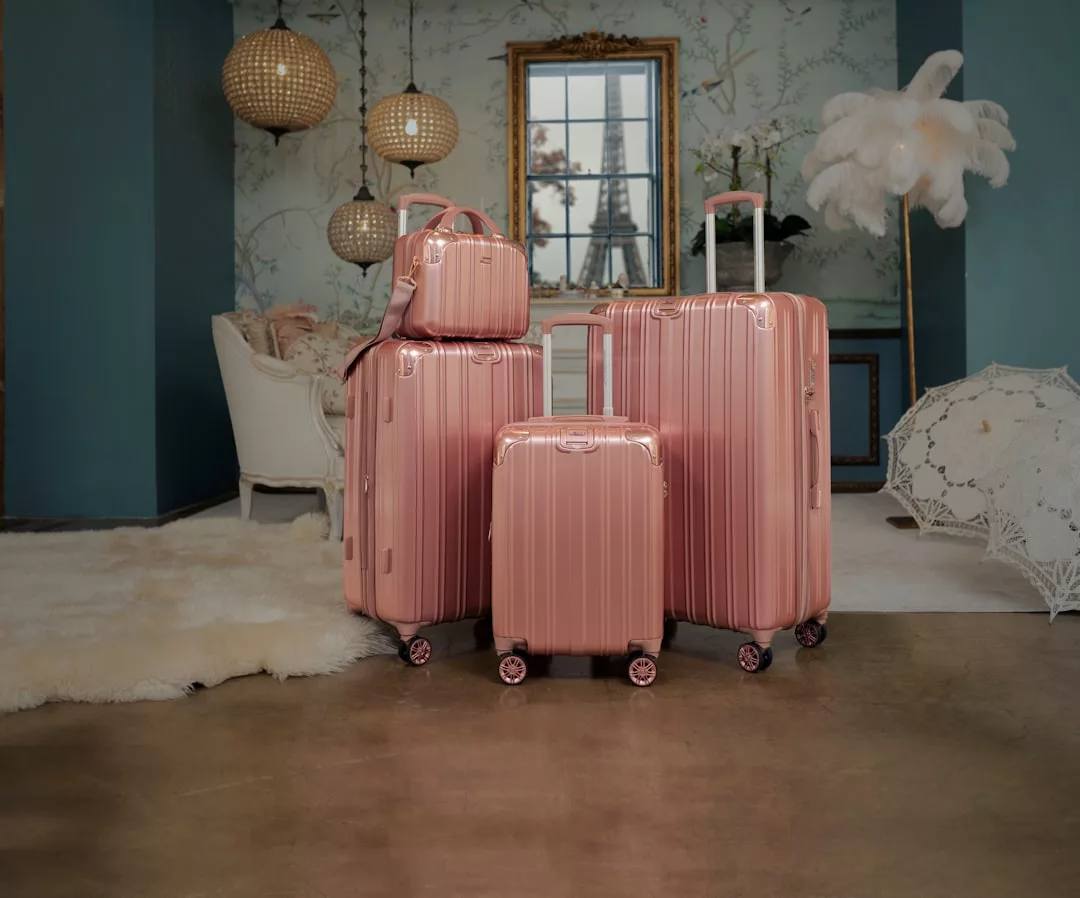
Creating a packing list is an essential first step in preparing for any trip, whether it’s a weekend getaway or an extended vacation. A well-structured packing list not only helps ensure that you don’t forget any crucial items but also allows you to visualize what you will need for your journey. Begin by categorizing your list into sections such as clothing, toiletries, electronics, and travel documents.
This methodical approach can save you time and stress as you prepare for your departure. For instance, under clothing, you might include items like shirts, pants, and outerwear, while toiletries could encompass everything from toothbrushes to skincare products. Moreover, a packing list can be tailored to the specific nature of your trip.
If you’re heading to a beach destination, your list might prioritize swimwear and sunscreen, while a business trip would necessitate formal attire and work-related materials. By customizing your packing list according to the activities you plan to engage in, you can ensure that you are fully prepared for any situation that may arise during your travels. Additionally, consider using digital tools or apps designed for packing lists, which can help streamline the process and allow for easy adjustments as your plans evolve.
Key Takeaways
- Start with a packing list to ensure you don’t forget any essentials
- Choose the right luggage that is durable and meets airline requirements
- Roll your clothes instead of folding them to save space and reduce wrinkles
- Use packing cubes to stay organized and separate different types of clothing
- Pack versatile clothing that can be mixed and matched for different outfits
- Utilize empty space in your shoes by stuffing socks or small items inside
- Pack travel-sized toiletries to save space and comply with airline regulations
- Consider the weather and activities at your destination to pack appropriate clothing and gear
- Pack a small first aid kit with essentials like band-aids, pain relievers, and antiseptic wipes
- Keep important documents and valuables in a secure place such as a money belt or hotel safe
- Leave room for souvenirs and purchases by not overpacking your luggage
Choose the right luggage
Short Trips: Carry-On Suitcases and Backpacks
For short trips, a carry-on suitcase or a backpack may be sufficient, allowing for easy maneuverability through airports and train stations.Longer Journeys: Larger Suitcases and Duffel Bags
On the other hand, longer journeys may require larger suitcases or duffel bags that can accommodate more items without exceeding weight limits.Key Features to Consider
When choosing luggage, consider features such as durability, weight, and organization. Hard-shell suitcases offer robust protection for fragile items but can be heavier than soft-sided options. Look for luggage with multiple compartments or pockets to facilitate organization and quick access to essentials. Some travelers prefer luggage with wheels for ease of transport, while others may opt for backpacks that allow for hands-free movement. Ultimately, the right luggage should not only meet your practical needs but also reflect your personal aesthetic and travel style.Roll your clothes instead of folding them
One of the most effective packing techniques is rolling your clothes instead of folding them. This method not only maximizes space within your luggage but also minimizes wrinkles, allowing you to arrive at your destination looking fresh and put-together. When rolling clothes, start by laying them flat and smoothing out any creases before tightly rolling them from one end to the other.
This technique works particularly well for softer fabrics like cotton and jersey, which are less prone to wrinkling. In addition to saving space, rolled clothes can be easily stacked or arranged within your suitcase or backpack. This allows for better visibility of your items, making it easier to find what you need without rummaging through your entire bag.
Furthermore, rolling clothes can create a more compact packing solution, enabling you to fit more items into your luggage without exceeding weight limits. For travelers who prioritize efficiency and organization, rolling clothes is a simple yet effective strategy that can enhance the overall packing experience.
Use packing cubes to stay organized
Packing cubes have gained popularity among travelers for their ability to streamline the packing process and maintain organization throughout the journey. These lightweight fabric containers come in various sizes and can be used to categorize clothing and accessories by type or outfit. For example, you might designate one cube for tops, another for bottoms, and a third for undergarments.
This system not only keeps your belongings neatly arranged but also makes it easier to locate specific items without having to dig through your entire suitcase. Moreover, packing cubes can help optimize space within your luggage by compressing clothing and preventing it from shifting during transit. Many cubes feature zippers that allow you to pack items tightly, reducing the overall volume of your belongings.
Additionally, some travelers find that using packing cubes simplifies the unpacking process upon arrival at their destination; instead of scattering items across a hotel room or rental space, they can simply place the cubes in drawers or on shelves for easy access. The versatility and practicality of packing cubes make them an invaluable tool for any traveler looking to enhance their packing efficiency.
Pack versatile clothing
When preparing for a trip, packing versatile clothing is key to maximizing outfit options while minimizing the number of items in your luggage. Versatile pieces are those that can be mixed and matched with other items in your wardrobe, allowing you to create multiple outfits from a limited selection. For instance, a classic pair of black pants can be dressed up with a blouse for an evening out or paired with a casual t-shirt for daytime activities.
Similarly, a lightweight cardigan can serve as both a layering piece for cooler evenings and a stylish accessory during the day. In addition to maximizing outfit combinations, versatile clothing often features fabrics that are easy to care for and quick-drying. This is particularly beneficial for travelers who may not have access to laundry facilities during their trip.
Fabrics such as merino wool or synthetic blends are excellent choices as they resist wrinkles and odors while providing comfort in various climates. By thoughtfully selecting versatile clothing items that cater to different occasions and environments, travelers can enjoy greater flexibility in their wardrobe while keeping their luggage light.
Utilize empty space in your shoes
When packing for a trip, it’s easy to overlook the empty space within your shoes; however, this area can be an excellent opportunity to maximize storage in your luggage. By utilizing the interior of your shoes effectively, you can create additional room for smaller items such as socks, accessories, or even toiletries. For example, rolling up pairs of socks and placing them inside shoes not only saves space but also helps maintain the shape of the footwear during transit. This not only protects your clothes from potential stains but also helps maintain organization within your suitcase. If you’re traveling with multiple pairs of shoes, think about how each pair can serve dual purposes; for instance, a pair of comfortable sneakers can be worn during travel while also being suitable for casual outings at your destination.
By creatively utilizing empty space in your shoes and selecting footwear wisely, you can enhance both organization and efficiency in your packing strategy.
Pack travel-sized toiletries
When it comes to toiletries, opting for travel-sized containers is an effective way to save space and comply with airline regulations regarding liquids in carry-on luggage. Many brands offer travel-sized versions of popular products such as shampoo, conditioner, body wash, and skincare essentials. These smaller containers not only take up less room in your bag but also allow you to bring along only what you need without the bulk of full-sized bottles.
If you prefer using your favorite products rather than purchasing travel-sized versions, consider investing in reusable travel bottles that can be filled with your preferred toiletries. These bottles are often designed to meet TSA guidelines and come in various sizes suitable for different types of products. Additionally, packing solid toiletries, such as shampoo bars or solid deodorants, can further reduce liquid volume while providing effective cleansing options without the risk of spills or leaks during transit.
Consider the weather and activities at your destination
Before finalizing your packing list, it’s crucial to consider the weather conditions and planned activities at your destination. Researching the climate will help you determine what types of clothing are appropriate; for instance, if you’re traveling to a tropical location during the rainy season, lightweight waterproof jackets and quick-drying fabrics will be essential additions to your wardrobe. Conversely, if you’re heading somewhere cold, layering options such as thermal tops and insulated jackets will be necessary to keep warm.
In addition to weather considerations, think about the activities you plan to engage in during your trip. If hiking is on the agenda, ensure that you pack appropriate footwear and moisture-wicking clothing designed for outdoor activities. Alternatively, if you’re planning cultural excursions or dining experiences at upscale restaurants, include dressier outfits that align with those settings.
By aligning your packing choices with both weather conditions and planned activities, you can ensure that you are well-prepared for any situation that arises during your travels.
Pack a small first aid kit
A small first aid kit is an essential item that every traveler should consider including in their luggage. While most trips go smoothly without any health issues arising, having basic medical supplies on hand can provide peace of mind and address minor injuries or ailments promptly. A well-stocked first aid kit should include items such as adhesive bandages for cuts and scrapes, antiseptic wipes for cleaning wounds, pain relievers like ibuprofen or acetaminophen for headaches or discomfort, and any personal medications that may be needed during the trip. For example, if you’re traveling to an area where insect bites are common, adding insect repellent or antihistamines may be wise. If you’re prone to motion sickness during travel, including motion sickness tablets could prove beneficial as well.
By preparing a small first aid kit tailored to your needs and destination specifics, you can ensure that you’re equipped to handle minor health issues without disrupting your travel plans.
Keep important documents and valuables in a secure place
When traveling, safeguarding important documents and valuables is paramount to ensuring a smooth experience. Items such as passports, identification cards, travel itineraries, credit cards, and cash should be kept secure at all times. Consider using a travel wallet or pouch designed specifically for this purpose; these often feature RFID-blocking technology that protects against electronic theft while keeping documents organized and easily accessible.
In addition to using a secure wallet or pouch, it’s wise to have digital backups of important documents stored on a secure cloud service or on an encrypted USB drive. This way, if anything is lost or stolen during your travels, you have access to copies that can facilitate replacements or assist authorities in recovering lost items. Furthermore, when out exploring a new city or country, avoid carrying all valuables in one place; instead, distribute them across different pockets or bags so that losing one item doesn’t compromise all of your essentials.
Leave room for souvenirs and purchases
Traveling often presents opportunities to acquire unique souvenirs or local products that serve as mementos of your journey. To accommodate these potential purchases without exceeding luggage limits on the return trip home, it’s wise to leave some extra space in your suitcase when packing initially. This could mean packing fewer clothing items or opting for versatile pieces that can be worn multiple times throughout the trip.
Additionally, consider bringing along an extra foldable bag or tote that can be used specifically for carrying souvenirs back home. These lightweight bags take up minimal space when packed but provide ample room when expanded after shopping excursions. By planning ahead and leaving room for souvenirs in your luggage strategy, you can ensure that you return home with cherished memories encapsulated in tangible forms without the stress of overpacking on the way back.
More in
More from Travel

Travel · 9 min
Exploring the Ultimate Culinary Experience
The ultimate culinary experience transcends mere sustenance; it is an intricate tapestry woven from flavors, aromas, textures, and visual appeal. This…
Travel · 11 min
Exploring the Best of Paris: A 3-Day Itinerary
The first day in Paris is often a whirlwind of excitement and discovery, as travelers set out to explore the city’s most iconic landmarks. Starting at…

Travel · 8 min
Mastering the Art of Skiing: Tips for Perfecting Your Technique
Selecting the appropriate skiing equipment is a fundamental step for both beginners and seasoned skiers alike. The right gear not only enhances perfor…