Family · Family
Preparing for Pregnancy: Essential Tips for a Healthy Journey
The menstrual cycle is a complex interplay of hormones that prepares the female body for potential pregnancy each month. Typically lasting around 28 days, though it can range from …
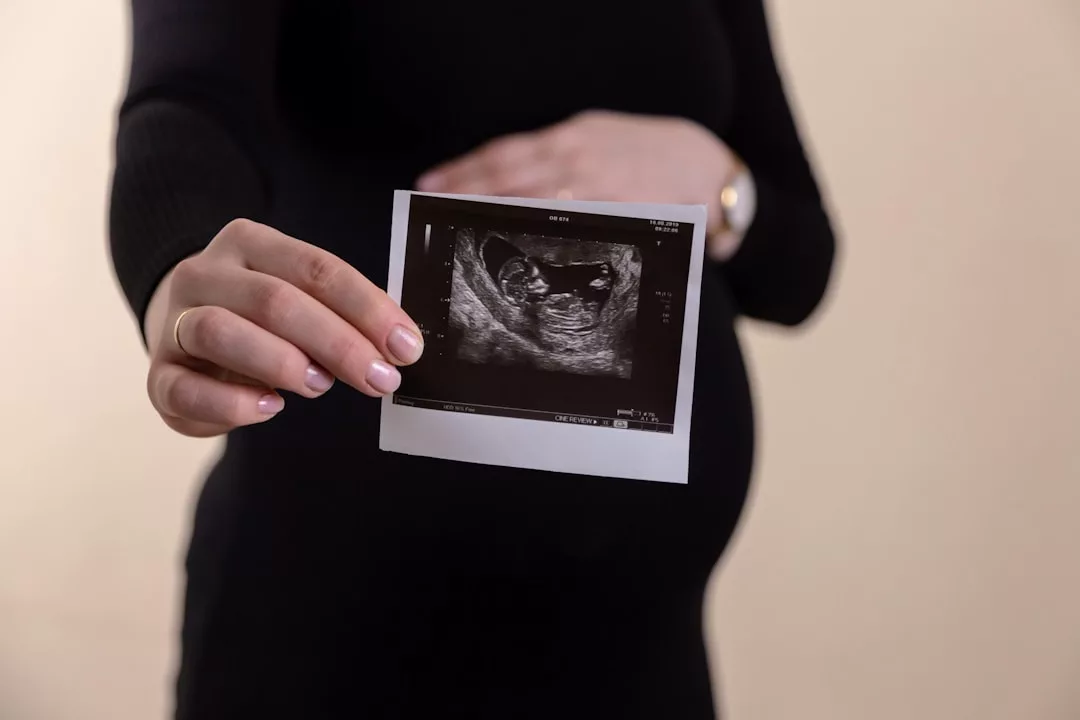
The menstrual cycle is a complex interplay of hormones that prepares the female body for potential pregnancy each month. Typically lasting around 28 days, though it can range from 21 to 35 days, the cycle is divided into several phases: the menstrual phase, the follicular phase, ovulation, and the luteal phase. During the menstrual phase, which lasts about 3 to 7 days, the body sheds the uterine lining if no fertilization occurs.
This is often accompanied by various physical and emotional symptoms, including cramps, mood swings, and fatigue. Following menstruation, the follicular phase begins, during which the pituitary gland releases follicle-stimulating hormone (FSH). This hormone stimulates the ovaries to produce follicles, each containing an egg.
As the follicles mature, they secrete estrogen, which helps thicken the uterine lining in preparation for a potential pregnancy. Around the midpoint of the cycle, typically day 14 in a 28-day cycle, ovulation occurs. This is when a mature egg is released from the ovary and travels down the fallopian tube.
Understanding this cycle is crucial for women who are trying to conceive, as it helps identify fertile windows and optimize chances of pregnancy.
Key Takeaways
- Understanding your menstrual cycle is crucial for tracking ovulation and planning for pregnancy.
- Nutrition and diet play a significant role in preconception health and should include a balanced intake of vitamins and minerals.
- Regular exercise and physical activity can help regulate hormones and improve fertility.
- Managing stress is important for overall health and can positively impact fertility and conception.
- Tracking ovulation can help identify the most fertile days and increase the chances of conception.
Nutrition and Diet
Nutrition plays a pivotal role in reproductive health and can significantly influence fertility. A balanced diet rich in whole foods, including fruits, vegetables, whole grains, lean proteins, and healthy fats, provides essential nutrients that support hormonal balance and overall well-being. For instance, foods high in antioxidants, such as berries and leafy greens, can combat oxidative stress that may affect egg quality.
Additionally, incorporating healthy fats from sources like avocados and nuts can help regulate hormones and improve ovulatory function. Moreover, certain nutrients are particularly beneficial for women trying to conceive. For example, omega-3 fatty acids found in fish like salmon and flaxseeds can enhance fertility by promoting healthy blood flow to reproductive organs.
Iron-rich foods such as spinach and legumes are vital for preventing anemia, which can impact ovulation. Furthermore, maintaining a healthy weight through proper nutrition is essential; both underweight and overweight conditions can disrupt hormonal balance and lead to irregular cycles. Therefore, focusing on a nutrient-dense diet not only supports overall health but also creates an optimal environment for conception.
Exercise and Physical Activity
Regular physical activity is another cornerstone of reproductive health. Engaging in moderate exercise can help maintain a healthy weight, reduce stress levels, and improve overall hormonal balance. Activities such as walking, swimming, or cycling can enhance cardiovascular health and increase blood flow to reproductive organs.
However, it is essential to strike a balance; excessive exercise or high-intensity training can lead to hormonal imbalances that may disrupt ovulation and menstrual cycles. Incorporating strength training into a fitness routine can also be beneficial. Resistance exercises help build muscle mass and improve metabolism, which can be advantageous for women looking to conceive.
Additionally, practices like yoga or Pilates not only promote physical fitness but also enhance mental well-being by reducing stress and anxiety. These forms of exercise encourage mindfulness and relaxation, which are crucial during the preconception phase. Ultimately, a well-rounded exercise regimen tailored to individual needs can significantly contribute to reproductive health.
Managing Stress
Stress management is a critical aspect of preparing for conception. High levels of stress can lead to hormonal imbalances that may interfere with ovulation and menstrual regularity. The body’s response to stress involves the release of cortisol, a hormone that can disrupt the delicate balance of reproductive hormones if produced in excess.
Therefore, finding effective ways to manage stress is essential for women trying to conceive. Techniques such as mindfulness meditation, deep breathing exercises, and progressive muscle relaxation can help mitigate stress levels. Engaging in hobbies or activities that bring joy and relaxation can also serve as effective outlets for stress relief.
Additionally, establishing a routine that includes time for self-care, whether through reading, spending time in nature, or practicing yoga, can foster emotional resilience. Building a supportive network of friends or family members who understand the challenges of trying to conceive can further alleviate stress by providing encouragement and companionship during this journey.
Tracking Ovulation
Understanding when ovulation occurs is vital for couples trying to conceive. Various methods exist for tracking ovulation, each offering unique insights into fertility patterns. One common approach is monitoring basal body temperature (BBT). Charting these temperatures over several cycles can help pinpoint your most fertile days. Another effective method is using ovulation predictor kits (OPKs), which detect luteinizing hormone (LH) surges that precede ovulation.
These kits provide a more immediate indication of fertility windows compared to BBT tracking. Additionally, observing changes in cervical mucus can offer clues about ovulation; as estrogen levels rise before ovulation, cervical mucus becomes clearer and more slippery, similar to raw egg whites, indicating peak fertility. Combining these methods can provide a comprehensive understanding of your cycle and enhance your chances of conception.
Preconception Health Check
Before embarking on the journey to parenthood, it is advisable to undergo a preconception health check with a healthcare provider. This assessment typically includes a thorough review of medical history, lifestyle factors, and any existing health conditions that may impact fertility or pregnancy outcomes. Blood tests may be conducted to evaluate hormone levels, check for infections, and assess overall health status.
During this visit, healthcare providers often discuss lifestyle modifications that could enhance fertility. This may include recommendations for weight management, dietary adjustments, or exercise plans tailored to individual needs. Additionally, discussing any medications currently being taken is crucial; some medications may need to be adjusted or replaced with safer alternatives during pregnancy.
A preconception health check serves as an essential foundation for ensuring both partners are physically prepared for conception and pregnancy.
Avoiding Harmful Substances
Minimizing exposure to harmful substances is critical when preparing for conception. Certain environmental toxins and lifestyle choices can adversely affect fertility in both men and women. For instance, smoking has been linked to reduced fertility rates and increased risks of miscarriage; it affects hormone levels and can damage eggs and sperm quality.
Similarly, excessive alcohol consumption can disrupt hormonal balance and impair reproductive function. Additionally, exposure to environmental pollutants such as pesticides and heavy metals has been associated with fertility issues. Women should consider reducing their exposure by choosing organic produce when possible and avoiding products with harmful chemicals.
Furthermore, limiting caffeine intake is advisable; high caffeine consumption has been linked to difficulties in conceiving and increased risk of miscarriage. By consciously avoiding these harmful substances, couples can create a healthier environment conducive to conception.
Folic Acid and Prenatal Vitamins
Folic acid is one of the most critical nutrients for women planning to conceive or who are already pregnant. This B vitamin plays a vital role in DNA synthesis and cell division, making it essential for fetal development during the early stages of pregnancy when neural tube formation occurs. Insufficient folic acid intake during this period can lead to serious birth defects such as spina bifida.
Healthcare providers typically recommend that women take a prenatal vitamin containing at least 400 micrograms of folic acid daily before conception and throughout pregnancy. In addition to folic acid, prenatal vitamins often contain other essential nutrients such as iron, calcium, and DHA (docosahexaenoic acid), which support both maternal health and fetal development. Ensuring adequate intake of these vitamins not only prepares the body for pregnancy but also helps mitigate potential complications during gestation.
Genetic Counseling
Genetic counseling is an important consideration for couples planning to conceive, especially if there is a family history of genetic disorders or if either partner belongs to an ethnic group with higher risks for certain inherited conditions. A genetic counselor can provide valuable insights into potential genetic risks based on family history and genetic testing options available. During counseling sessions, couples may discuss their options regarding carrier screening tests that identify whether they carry genes for specific inherited conditions such as cystic fibrosis or sickle cell disease.
Understanding these risks allows couples to make informed decisions about family planning and explore options such as preimplantation genetic testing during in vitro fertilization (IVF) procedures if necessary. Genetic counseling empowers couples with knowledge about their reproductive choices while ensuring they are prepared for any potential challenges.
Creating a Support System
Building a robust support system is crucial during the journey toward parenthood. The emotional rollercoaster associated with trying to conceive can be overwhelming; having friends or family members who understand your experiences can provide comfort and encouragement during challenging times. Sharing your journey with trusted individuals allows you to express feelings of anxiety or frustration without fear of judgment.
Support groups, whether in-person or online, can also be invaluable resources for those navigating fertility challenges. Connecting with others who share similar experiences fosters a sense of community and belonging while providing practical advice based on firsthand experiences. Additionally, involving your partner in this support network strengthens your relationship as you navigate the ups and downs together.
Financial Planning for Parenthood
Financial planning is an essential aspect of preparing for parenthood that often goes overlooked amidst the excitement of conception. The costs associated with raising a child can be significant; from prenatal care to childbirth expenses and ongoing childcare costs, budgeting becomes crucial for prospective parents. Creating a comprehensive financial plan involves assessing current income levels, expenses, savings goals, and potential future costs related to education and healthcare.
Couples should consider setting up a dedicated savings account specifically for baby-related expenses while also exploring options such as health insurance coverage that includes maternity benefits. Additionally, understanding parental leave policies at work can help couples plan financially for time off after childbirth. By proactively addressing financial considerations before conception occurs, couples can alleviate some stressors associated with parenthood while ensuring they are prepared for the responsibilities ahead.
More in
More from Family

Family · 9 min
Navigating Adolescence: Tips for Parents and Teens
Adolescence is a critical period of growth and transformation, marked by significant physical, emotional, and cognitive changes. This stage typically …

Family · 8 min
Breaking the Cycle: Confronting Domestic Violence
Domestic violence is a pervasive issue that transcends cultural, economic, and social boundaries. It encompasses a range of abusive behaviors that occ…

Family · 9 min
The Importance of Child Support for Single Parents
Single parenthood often brings with it a unique set of financial challenges that can significantly affect the quality of life for both the parent and …