Family · Family
Preserving Memories: The Importance of the Family Album
Family albums have long served as a vital repository of personal and collective histories, encapsulating the essence of familial narratives across generations. Originating in the 1…
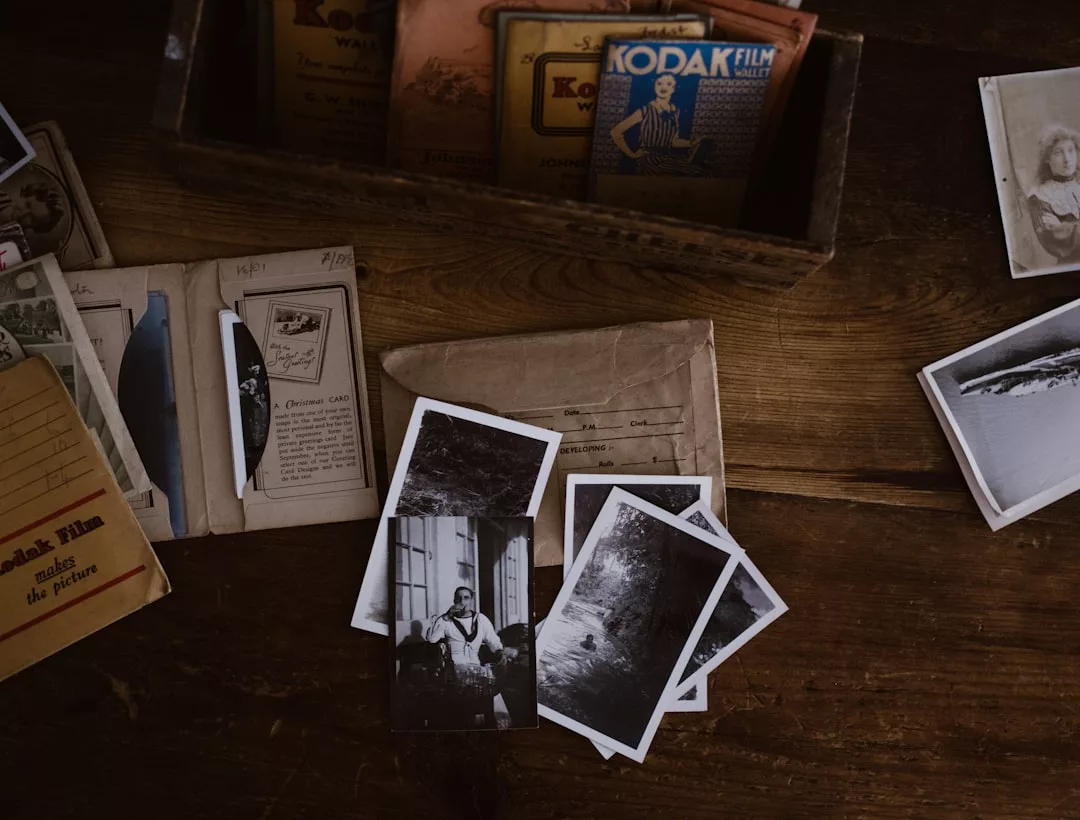
Family albums have long served as a vital repository of personal and collective histories, encapsulating the essence of familial narratives across generations. Originating in the 19th century, these albums emerged alongside the advent of photography, which revolutionized the way families documented their lives. The earliest family albums were often meticulously crafted, featuring hand-written notes and carefully arranged photographs that told a story beyond mere images.
They became a means of preserving not just faces but also the context of those faces, capturing the social, cultural, and economic conditions of the time. For instance, during the Victorian era, family albums often included portraits that reflected the societal norms and values of the period, showcasing the importance of lineage and social status. As time progressed, family albums evolved to include a broader array of content, such as postcards, newspaper clippings, and even locks of hair.
This evolution mirrored changes in society, including shifts in technology and family dynamics. The introduction of snapshot photography in the early 20th century democratized image-making, allowing families from various socio-economic backgrounds to create their own visual histories. The significance of these albums extends beyond personal memory; they serve as historical documents that provide insight into the lives of ordinary people, capturing moments that might otherwise be lost to time.
In this way, family albums are not merely collections of photographs; they are artifacts that reflect the cultural zeitgeist and familial legacies that shape our understanding of history.
Key Takeaways
- Family albums hold historical significance as they document the evolution of family dynamics and traditions over time.
- Preserving memories in family albums holds emotional value, allowing individuals to revisit cherished moments and experiences.
- Family albums play a crucial role in connecting generations by passing down stories, values, and traditions.
- Family albums capture important milestones such as births, weddings, graduations, and other significant events, preserving them for future generations.
- Curating a family album is an art that involves selecting and arranging photos and mementos to tell a cohesive and meaningful story.
The Emotional Value of Preserving Memories
The emotional resonance of family albums is profound, as they encapsulate cherished moments that evoke nostalgia and connection. Each photograph serves as a portal to the past, allowing individuals to relive experiences that have shaped their identities. For many, flipping through the pages of a family album can elicit a range of emotions, from joy and laughter to sorrow and reflection.
These albums often contain images from significant life events such as weddings, birthdays, and holidays, which are imbued with personal meaning. The act of preserving these memories becomes a way to honor relationships and celebrate shared experiences, reinforcing familial bonds. Moreover, family albums can serve as a source of comfort during times of loss or transition.
When faced with grief, individuals may turn to these albums to remember loved ones who have passed away. The photographs become a tangible connection to those who are no longer present, allowing families to keep their memories alive. This emotional value is further amplified when stories are shared alongside the images; recounting anecdotes associated with specific photographs can deepen connections among family members and foster a sense of belonging.
In this way, family albums transcend mere documentation; they become vessels for love, remembrance, and emotional healing.
The Role of Family Albums in Connecting Generations
Family albums play a crucial role in bridging generational gaps, fostering connections between grandparents, parents, and children. They serve as a visual narrative that can be shared across ages, allowing younger generations to gain insight into their heritage and familial history. When grandparents share their own experiences through the lens of family albums, they provide context for the lives of their descendants.
This storytelling aspect is vital; it not only preserves history but also instills a sense of identity in younger family members. For instance, a child may look at a photograph of their grandparent as a young adult and feel a sense of kinship that transcends time. Additionally, family albums can spark conversations that might not otherwise occur.
As families gather to reminisce over old photographs, they often share stories that reveal personal struggles, triumphs, and lessons learned. These discussions can lead to deeper understanding and appreciation among family members, fostering empathy and connection. In an age where technology often creates distance between generations, the tactile experience of flipping through an album can serve as a powerful reminder of shared roots and collective experiences.
This intergenerational dialogue not only strengthens familial ties but also enriches the cultural fabric of the family unit.
How Family Albums Capture Important Milestones
Family albums are often curated to highlight significant milestones in life, events that mark transitions or achievements within a family’s journey. From births to graduations and weddings, these moments are captured in photographs that celebrate individual accomplishments while also reflecting the collective joy of the family unit. For example, a graduation photo may not only showcase the graduate but also include family members who supported them throughout their educational journey.
This collective representation underscores the importance of community and support systems in achieving personal milestones. Moreover, family albums can document less conventional milestones that hold personal significance for families. These might include first steps taken by a child, a family’s first vacation together, or even the completion of a home renovation project.
By capturing these moments, families create a narrative that reflects their unique journey and values. The act of documenting milestones serves not only as a celebration but also as a reminder of resilience and growth over time. Each photograph becomes a testament to the experiences that shape a family’s identity and legacy.
The Art of Curating a Family Album
Curating a family album is an art form that requires thoughtful consideration and creativity. It involves selecting photographs that best represent the family’s story while also considering how those images will resonate with future generations. The process often begins with gathering materials, photographs, mementos, and written narratives, that reflect key moments in the family’s history.
This can be an emotional endeavor as individuals sift through old boxes or digital archives to find images that evoke strong memories. Once materials are gathered, the next step is organizing them in a way that tells a cohesive story. This might involve chronological arrangements or thematic groupings based on events or family members.
Some families choose to include captions or anecdotes alongside photographs to provide context and enhance storytelling. The design aspect can also play a significant role; choosing colors, layouts, and embellishments can add a personal touch that reflects the family’s aesthetic preferences. Ultimately, curating a family album is about creating a visual legacy that honors past experiences while inviting future generations to engage with their heritage.
Preserving Memories Through Digital Albums
In recent years, digital technology has transformed the way families preserve memories through albums. Digital albums offer several advantages over traditional physical albums; they are often more accessible and easier to organize. Families can create digital collections using various platforms or software that allow for easy editing and sharing.
This shift has made it possible for families to compile vast amounts of photographs without the constraints of physical space or materials. Moreover, digital albums can incorporate multimedia elements such as videos or audio recordings, enriching the storytelling experience. For instance, families can include video clips from significant events alongside photographs to create a more dynamic representation of their history.
Additionally, cloud storage solutions enable families to back up their digital albums securely, ensuring that memories are preserved even in the face of unforeseen circumstances like natural disasters or accidents. However, while digital albums offer convenience and versatility, they also raise questions about permanence and accessibility; ensuring that future generations can access these digital memories requires careful consideration of evolving technology.
The Importance of Sharing Family Albums with Future Generations
Sharing family albums with future generations is essential for fostering continuity within families. When parents or grandparents take the time to share their albums with younger relatives, they pass down not only images but also stories and values associated with those memories. This sharing process can instill pride in one’s heritage and encourage younger generations to appreciate their roots.
For example, when children see photographs of their ancestors engaged in cultural traditions or significant historical events, they may develop a deeper understanding of their identity. Furthermore, sharing family albums can serve as an educational tool for younger generations. It provides an opportunity for discussions about history, culture, and familial values that might not be covered in formal education settings.
By engaging with these narratives, children can learn about resilience in the face of adversity or the importance of community support during challenging times. This intergenerational exchange enriches familial bonds while ensuring that stories are not lost but rather celebrated and carried forward.
Family Albums as a Tool for Remembering Loved Ones
Family albums serve as poignant reminders of loved ones who have passed away, providing solace during times of grief. The act of revisiting these albums allows individuals to reflect on cherished memories associated with those who are no longer present. Photographs capture moments frozen in time, smiles shared during holidays or laughter at family gatherings, creating an emotional connection that transcends loss.
For many people, these albums become sacred spaces where they can honor the memory of loved ones by revisiting shared experiences. In addition to serving as personal memorials, family albums can also facilitate conversations about loss within families. When individuals gather to reminisce over photographs featuring deceased relatives, it opens up opportunities for storytelling and sharing feelings associated with grief.
This communal reflection can foster healing by allowing family members to express their emotions openly while celebrating the lives of those who have passed on. In this way, family albums become not just repositories of memories but also tools for navigating complex emotions surrounding loss.
The Therapeutic Benefits of Reflecting on Family Albums
Reflecting on family albums can have therapeutic benefits for individuals seeking to process their emotions or navigate life transitions. Engaging with visual memories allows people to reconnect with their pasts in meaningful ways; it can evoke feelings of nostalgia that promote emotional well-being. Studies have shown that reminiscing about positive experiences can enhance mood and foster resilience during challenging times.
For instance, someone going through a difficult period may find comfort in looking back at joyful moments captured in photographs. Moreover, reflecting on family albums can facilitate self-discovery by prompting individuals to consider how their experiences have shaped their identities over time. As people revisit significant moments, such as graduations or weddings, they may gain insights into their personal growth and development.
This reflective process can lead to greater self-awareness and appreciation for one’s journey through life. In this sense, family albums serve not only as historical documents but also as tools for personal exploration and emotional healing.
Family Albums as a Source of Identity and Belonging
Family albums play an integral role in shaping individual identities by providing context for one’s place within a larger familial narrative. For many individuals, seeing themselves reflected in these narratives reinforces their connection to their ancestry and fosters pride in their lineage.
This sense of belonging is particularly important in multicultural societies where individuals may navigate multiple identities. Additionally, family albums can serve as anchors during times of change or uncertainty by reminding individuals of their roots and connections to others. When faced with challenges such as relocation or personal upheaval, revisiting family albums can provide reassurance by highlighting enduring relationships and shared histories.
This grounding effect reinforces the idea that one’s identity is shaped not only by personal experiences but also by collective narratives woven through generations.
The Role of Family Albums in Cultivating Gratitude and Appreciation
Family albums have the power to cultivate gratitude by encouraging individuals to reflect on the richness of their experiences and relationships over time. As people flip through pages filled with photographs capturing joyful moments, celebrations with loved ones or simple everyday interactions, they are reminded of the abundance present in their lives. This practice fosters an appreciation for both big milestones and small joys alike; it highlights how even seemingly mundane moments contribute to a fulfilling life.
Moreover, engaging with family albums can inspire gratitude towards ancestors who paved the way for current generations’ opportunities and experiences. By recognizing sacrifices made by previous generations, whether through hard work or resilience, individuals may develop a deeper appreciation for their own circumstances today. This sense of gratitude extends beyond individual reflection; it encourages families to express appreciation for one another openly while reinforcing bonds built on love and shared history.
In summary, family albums are multifaceted treasures that encapsulate personal histories while fostering connections across generations. They serve as emotional touchstones that remind us of our roots while providing opportunities for reflection and growth throughout life’s journey.
More in
More from Family

Family · 9 min
Navigating Adolescence: Tips for Parents and Teens
Adolescence is a critical period of growth and transformation, marked by significant physical, emotional, and cognitive changes. This stage typically …

Family · 8 min
Breaking the Cycle: Confronting Domestic Violence
Domestic violence is a pervasive issue that transcends cultural, economic, and social boundaries. It encompasses a range of abusive behaviors that occ…

Family · 9 min
The Importance of Child Support for Single Parents
Single parenthood often brings with it a unique set of financial challenges that can significantly affect the quality of life for both the parent and …