Travel · Travel
Preserving Our Past: UNESCO World Heritage Sites
The United Nations Educational, Scientific and Cultural Organization (UNESCO) has established a prestigious list of World Heritage Sites that recognizes and protects locations of o…
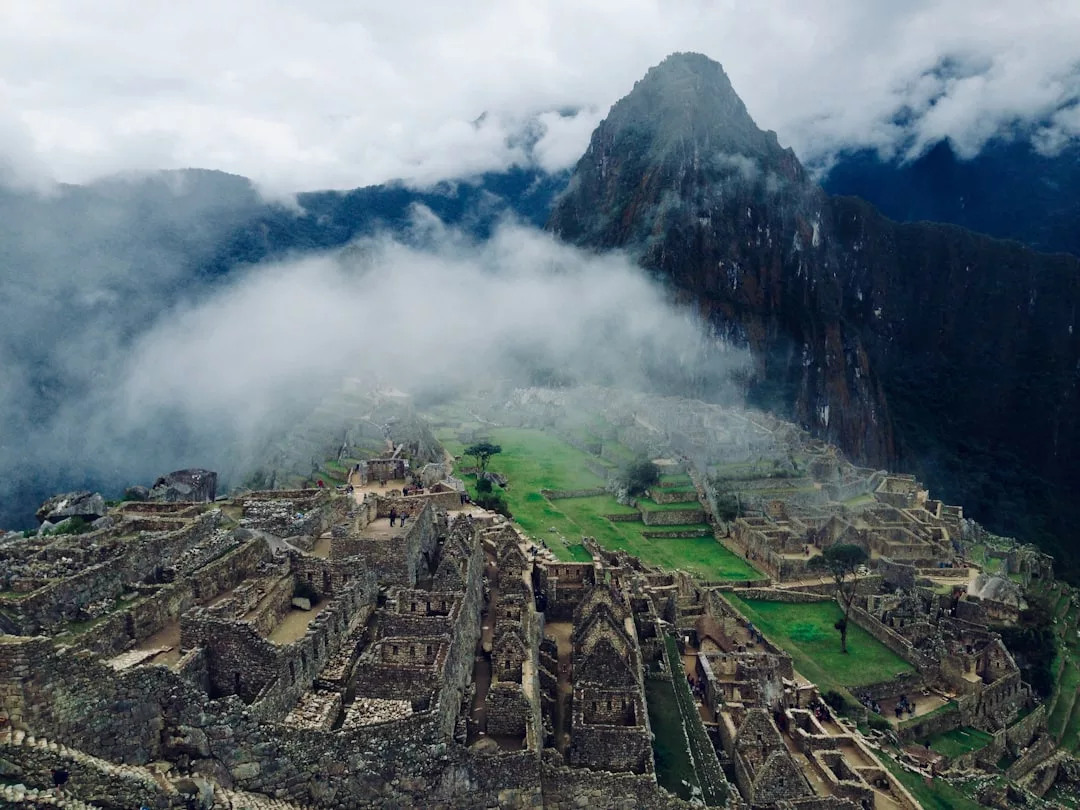
The United Nations Educational, Scientific and Cultural Organization (UNESCO) has established a prestigious list of World Heritage Sites that recognizes and protects locations of outstanding cultural and natural significance. This initiative, launched in 1972 with the Convention Concerning the Protection of the World Cultural and Natural Heritage, aims to safeguard the world’s most valuable assets for future generations. The designation of a site as a UNESCO World Heritage Site not only highlights its importance but also encourages international cooperation in its preservation.
These sites range from ancient ruins and historic cities to breathtaking natural landscapes, each telling a unique story about humanity’s history and the planet’s ecological diversity. The selection of these sites is based on their universal value, which transcends national boundaries and resonates with people across cultures. The designation serves as a powerful tool for raising awareness about the need for conservation and fostering a sense of global responsibility.
As of October 2023, there are over 1,100 sites inscribed on the World Heritage List, each representing a unique aspect of human achievement or natural beauty. The recognition of these sites not only enhances their visibility but also often leads to increased funding and support for their preservation.
Key Takeaways
- UNESCO World Heritage Sites are selected based on their cultural, natural, or mixed significance and must meet certain criteria for selection.
- Preserving cultural and natural heritage is important for maintaining the identity and history of a place, as well as for environmental conservation.
- Examples of UNESCO World Heritage Sites include the Great Barrier Reef, Machu Picchu, and the Pyramids of Egypt.
- Challenges in preserving World Heritage Sites include over-tourism, urbanization, and the impact of climate change.
- Local communities play a crucial role in the conservation efforts of World Heritage Sites, and sustainable tourism is important for their preservation.
The Criteria for Selection
UNESCO employs a rigorous set of criteria to evaluate potential World Heritage Sites, ensuring that only those of exceptional value are selected. There are ten criteria, ranging from cultural significance to natural beauty, that sites must meet to be considered for inclusion. For instance, Criterion I recognizes masterpieces of human creative genius, while Criterion VII highlights outstanding natural phenomena or areas of exceptional natural beauty.
Each site is assessed based on its ability to meet at least one of these criteria, which helps maintain the integrity and prestige of the World Heritage designation. The selection process involves comprehensive evaluations by experts in various fields, including archaeology, architecture, and environmental science. Countries proposing sites must submit a nomination dossier that includes detailed information about the site’s significance, management plans, and conservation strategies.
This thorough vetting process ensures that only sites with genuine cultural or natural importance are inscribed on the list. Moreover, the criteria are regularly reviewed and updated to reflect changing global priorities and values, ensuring that the World Heritage List remains relevant in an evolving world.
The Importance of Preserving Cultural and Natural Heritage
Preserving cultural and natural heritage is vital for maintaining the identity and continuity of communities around the globe. These sites serve as tangible links to our past, offering insights into historical events, artistic achievements, and traditional practices that have shaped societies over time. By safeguarding these treasures, we not only honor our ancestors but also provide future generations with a sense of belonging and understanding of their heritage.
The loss of such sites would mean the erasure of invaluable knowledge and cultural diversity that enriches humanity as a whole. In addition to their cultural significance, many World Heritage Sites play crucial roles in biodiversity conservation and environmental sustainability. Natural heritage sites often serve as habitats for endangered species and ecosystems that are vital for maintaining ecological balance.
Protecting these areas helps combat climate change, preserve water resources, and ensure food security. Furthermore, these sites can foster economic development through sustainable tourism practices, providing communities with opportunities while promoting conservation efforts. The intertwining of cultural and natural heritage underscores the need for holistic approaches to preservation that recognize their interconnectedness.
Examples of UNESCO World Heritage Sites
Among the myriad of UNESCO World Heritage Sites, some stand out due to their historical significance or breathtaking beauty. The Great Wall of China is a prime example of human ingenuity and perseverance, stretching over 13,000 miles across northern China. Originally built to protect against invasions, it now symbolizes China’s rich history and cultural identity.
The wall’s construction spanned several dynasties, showcasing various architectural styles and techniques that reflect the evolution of Chinese civilization. Another remarkable site is the Galápagos Islands in Ecuador, renowned for their unique biodiversity and role in Charles Darwin’s theory of evolution. This archipelago is home to numerous endemic species, including giant tortoises and marine iguanas, making it a living laboratory for scientific research.
The islands’ delicate ecosystems face threats from invasive species and climate change, highlighting the importance of ongoing conservation efforts to protect this natural wonder. Both examples illustrate the diverse range of sites recognized by UNESCO and the stories they tell about human achievement and the natural world.
Challenges in Preserving World Heritage Sites
Despite their significance, World Heritage Sites face numerous challenges that threaten their preservation. One major issue is urbanization, which often leads to encroachment on historical sites or natural landscapes. Rapid population growth and development can result in infrastructure projects that compromise the integrity of these locations.
For instance, the ancient city of Petra in Jordan has experienced increased pressure from tourism and nearby construction projects that threaten its archaeological remains. Additionally, funding constraints pose significant hurdles for conservation efforts. Many countries struggle to allocate sufficient resources for the maintenance and protection of their World Heritage Sites.
This lack of financial support can lead to neglect or inadequate management practices that exacerbate deterioration. Furthermore, political instability in certain regions can hinder preservation initiatives, as conflicts may divert attention away from cultural heritage protection. Addressing these challenges requires collaborative efforts among governments, NGOs, and local communities to ensure that these invaluable sites are safeguarded for future generations.
The Role of Local Communities in Conservation Efforts
Local communities play a crucial role in the conservation of World Heritage Sites, as they are often the primary stewards of these locations. Their intimate knowledge of the land and cultural practices can significantly enhance preservation efforts. Engaging local populations in decision-making processes fosters a sense of ownership and responsibility towards their heritage.
For example, in the case of Machu Picchu in Peru, local communities have been involved in sustainable tourism initiatives that benefit both the economy and conservation efforts. Moreover, local communities can provide valuable insights into traditional practices that promote sustainability and environmental stewardship. Indigenous knowledge systems often contain centuries-old wisdom about land management and resource use that can inform modern conservation strategies.
By integrating local perspectives into conservation planning, UNESCO can create more effective management frameworks that respect cultural values while addressing contemporary challenges.
Sustainable Tourism at World Heritage Sites
Sustainable tourism is essential for balancing the economic benefits derived from World Heritage Sites with the need for conservation. As tourism continues to grow globally, many sites face overwhelming visitor numbers that can lead to environmental degradation and cultural commodification. Implementing sustainable tourism practices helps mitigate these impacts while ensuring that local communities benefit from tourism revenue.
One successful example is the management plan for the historic city of Dubrovnik in Croatia. In response to rising tourist numbers, authorities have implemented measures such as visitor caps during peak seasons and promoting off-season travel to reduce congestion. Additionally, local businesses are encouraged to offer authentic experiences that showcase traditional crafts and cuisine, allowing visitors to engage meaningfully with the culture while supporting local economies.
Such initiatives demonstrate how sustainable tourism can enhance both visitor experiences and conservation outcomes.
The Impact of Climate Change on World Heritage Sites
Climate change poses an existential threat to many World Heritage Sites around the globe. Rising sea levels endanger coastal sites like Venice in Italy and the Great Barrier Reef in Australia, where coral bleaching events have become increasingly frequent due to warming ocean temperatures. These changes not only affect biodiversity but also disrupt local economies reliant on tourism and fishing.
Furthermore, extreme weather events such as hurricanes, floods, and wildfires have become more common due to climate change, leading to significant damage at various heritage sites. For instance, Hurricane Maria devastated parts of Puerto Rico’s historic San Juan in 2017, highlighting vulnerabilities faced by cultural landmarks in hurricane-prone regions. Addressing these challenges requires urgent action from governments and international organizations to develop adaptive strategies that protect these sites from climate-related threats.
Innovative Conservation Techniques
In response to the challenges facing World Heritage Sites, innovative conservation techniques are being developed to enhance preservation efforts. Advances in technology have opened new avenues for monitoring and managing these locations more effectively.
Additionally, 3D scanning technology allows for detailed documentation of structures at risk of deterioration or damage. This digital preservation creates a virtual record that can be used for restoration efforts or educational purposes if physical structures are lost over time. Such innovations not only improve conservation practices but also engage a broader audience by making heritage more accessible through digital platforms.
The Future of World Heritage Sites
The future of World Heritage Sites hinges on our collective commitment to preserving them amidst growing challenges. As global awareness about climate change and cultural preservation increases, there is potential for enhanced collaboration among nations to protect these invaluable assets. International partnerships can facilitate knowledge sharing and resource mobilization aimed at addressing common threats faced by heritage sites worldwide.
Moreover, integrating modern technology into conservation strategies will be crucial for adapting to changing circumstances. As new tools emerge for monitoring environmental conditions or engaging with local communities, they can significantly enhance our ability to protect these sites effectively. The future will likely see a greater emphasis on sustainability and resilience as we strive to balance heritage preservation with contemporary needs.
How Individuals Can Contribute to Preserving World Heritage Sites
Individuals can play an essential role in preserving World Heritage Sites through various actions that promote awareness and support conservation efforts. One effective way is by practicing responsible tourism when visiting these locations, this includes respecting local customs, minimizing waste, and supporting local businesses rather than large corporations that may not contribute to community welfare. Additionally, individuals can advocate for heritage preservation by participating in campaigns or supporting organizations dedicated to conservation efforts.
Volunteering time or resources towards restoration projects or educational programs can also make a significant impact on local communities’ ability to maintain their cultural heritage. By fostering a sense of stewardship among individuals worldwide, we can collectively contribute to safeguarding our shared heritage for generations to come.
More in
More from Travel

Travel · 9 min
Exploring the Ultimate Culinary Experience
The ultimate culinary experience transcends mere sustenance; it is an intricate tapestry woven from flavors, aromas, textures, and visual appeal. This…

Travel · 11 min
Exploring the Best of Paris: A 3-Day Itinerary
The first day in Paris is often a whirlwind of excitement and discovery, as travelers set out to explore the city’s most iconic landmarks. Starting at…

Travel · 8 min
Mastering the Art of Skiing: Tips for Perfecting Your Technique
Selecting the appropriate skiing equipment is a fundamental step for both beginners and seasoned skiers alike. The right gear not only enhances perfor…