Family · Family
Protecting Your Home: Essential Security Measures
Home security is a critical aspect of modern living, transcending mere convenience to become a fundamental necessity. The increasing rates of burglary and home invasions have made …
Home security is a critical aspect of modern living, transcending mere convenience to become a fundamental necessity. The increasing rates of burglary and home invasions have made it imperative for homeowners to prioritize the safety of their residences. According to the FBI, a burglary occurs every 26 seconds in the United States, underscoring the urgency of implementing effective security measures.
Beyond the immediate threat of theft, the psychological impact of feeling unsafe in one’s own home can be profound, leading to anxiety and a diminished quality of life. Thus, understanding the importance of home security is not just about protecting physical assets; it is about safeguarding peace of mind. Moreover, home security extends beyond the physical structure of a house.
It encompasses the well-being of family members and pets, as well as the protection of personal information and digital assets. In an age where identity theft is rampant, securing one’s home also means ensuring that sensitive documents and electronic devices are protected from prying eyes. The integration of technology into home security systems has revolutionized how homeowners approach safety, allowing for real-time monitoring and remote access to security features.
This evolution highlights the necessity for individuals to stay informed about the latest security trends and technologies to effectively protect their homes.
Key Takeaways
- Home security is crucial for protecting your family and belongings from potential threats.
- Securing entry points like doors and windows is the first line of defense against intruders.
- Installing a home security system with alarms and monitoring can provide added protection and peace of mind.
- Outdoor lighting and surveillance cameras can deter criminals and provide evidence in case of a break-in.
- Safes and lockboxes are essential for securing valuables and important documents within the home.
Securing Entry Points: Doors and Windows
The primary entry points of any home, doors and windows, are often the most vulnerable areas when it comes to security. Statistics reveal that approximately 34% of burglars enter through the front door, while others exploit unsecured windows. Therefore, reinforcing these entry points is essential for creating a robust security framework.
Solid core doors, deadbolt locks, and reinforced frames can significantly enhance door security. Homeowners should also consider installing smart locks that provide keyless entry options and can be monitored remotely via smartphone applications. Windows, too, require careful attention.
Simple measures such as installing window locks or using security film can deter potential intruders. For those living in ground-floor apartments or homes, window bars or grilles can provide an additional layer of protection without compromising aesthetics. Furthermore, utilizing window sensors that trigger alarms when breached can alert homeowners to unauthorized access in real-time.
By addressing these critical entry points with a combination of physical barriers and technological solutions, homeowners can significantly reduce their risk of becoming victims of burglary.
Installing a Home Security System
The installation of a comprehensive home security system is one of the most effective ways to protect a residence. Modern security systems offer a range of features that cater to various needs and budgets. From basic alarm systems that alert homeowners to intrusions to advanced setups that include motion detectors, glass break sensors, and environmental monitoring for smoke or carbon monoxide, there is a solution for every household.
Many systems now come equipped with smart technology that allows for remote monitoring through mobile devices, enabling homeowners to keep an eye on their property from anywhere in the world. When selecting a home security system, it is crucial to consider factors such as the size of the property, the layout, and specific vulnerabilities. For instance, larger homes may require multiple cameras and sensors to cover all angles effectively.
Additionally, professional installation services can ensure that all components are set up correctly and functioning optimally. Some homeowners may opt for DIY systems that offer flexibility and cost savings; however, it is essential to ensure that these systems are user-friendly and provide adequate support in case of technical issues. Ultimately, investing in a reliable home security system can serve as both a deterrent to potential intruders and a safeguard for family members.
Outdoor Lighting and Surveillance Cameras
Outdoor lighting plays a pivotal role in enhancing home security by illuminating dark areas around the property that could otherwise serve as hiding spots for intruders. Motion-activated lights are particularly effective; they not only deter potential burglars but also alert homeowners to any unusual activity outside their homes. Strategically placing lights near entry points, driveways, and pathways can create a well-lit environment that discourages criminal behavior.
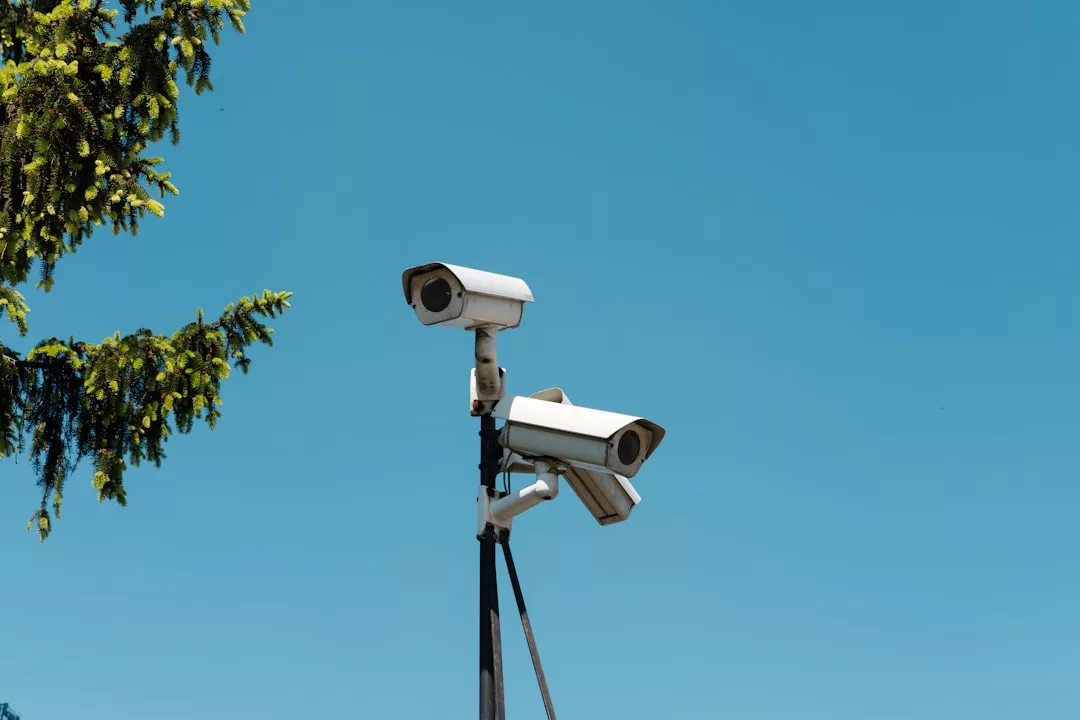
Additionally, solar-powered lights are an eco-friendly option that can be easily installed without extensive wiring. Surveillance cameras complement outdoor lighting by providing visual monitoring of the property. Modern cameras come equipped with high-definition video capabilities, night vision, and motion detection features that allow homeowners to capture clear footage at all times.
Many systems offer cloud storage options for easy access to recorded footage and can send alerts directly to smartphones when motion is detected. The presence of visible cameras can act as a deterrent on its own; potential intruders are less likely to target homes where they know they are being watched. By combining outdoor lighting with surveillance technology, homeowners can create a formidable defense against criminal activity.
Securing Valuables: Safes and Lockboxes
While securing entry points and installing surveillance systems are vital components of home security, protecting personal valuables is equally important. Many homeowners possess items of significant monetary or sentimental value, jewelry, important documents, electronics, that require secure storage solutions. Investing in a high-quality safe or lockbox can provide peace of mind by ensuring that these items are protected from theft or damage.
Safes come in various sizes and types; some are designed specifically for fire resistance while others offer waterproof features. When selecting a safe, it is essential to consider its location within the home. A safe hidden in an inconspicuous area is less likely to be discovered by intruders.
Additionally, biometric safes that utilize fingerprint recognition offer enhanced security by allowing only authorized users access to the contents inside. For those who may not require a full-sized safe, smaller lockboxes can be used for storing essential documents such as passports, birth certificates, and financial records. By taking proactive steps to secure valuables within the home, individuals can mitigate the risk of loss during a break-in.
Fire Safety and Emergency Preparedness
Home security is not solely about protecting against theft; it also encompasses safety from other hazards such as fire or natural disasters. Fire safety measures should be an integral part of any comprehensive home security plan. Installing smoke detectors on every level of the home and regularly testing them ensures early detection of smoke or fire.
Additionally, having fire extinguishers readily available in key areas such as the kitchen and garage can help contain small fires before they escalate. Emergency preparedness extends beyond fire safety; it involves creating a plan for various scenarios such as severe weather events or medical emergencies. Homeowners should develop an emergency kit containing essential supplies like water, non-perishable food, first-aid items, flashlights, and batteries.
Establishing an evacuation plan that includes designated meeting points for family members can also enhance safety during emergencies. Regularly reviewing these plans with all household members ensures everyone knows what to do in case of an emergency, fostering a sense of readiness and resilience.
Neighborhood Watch and Community Involvement
Community involvement plays a significant role in enhancing home security on a broader scale. Neighborhood watch programs encourage residents to look out for one another and report suspicious activities to local authorities. These programs foster a sense of community spirit while simultaneously deterring crime through increased vigilance.
When neighbors are aware of each other’s routines and activities, it becomes more challenging for potential intruders to operate unnoticed. Participating in community events or meetings can strengthen relationships among neighbors and promote open communication regarding safety concerns. Sharing information about local crime trends or suspicious activities can empower residents to take proactive measures in securing their homes.
Additionally, collaborating with local law enforcement can provide valuable resources and support for neighborhood watch initiatives. By fostering a strong sense of community involvement, residents can create an environment where safety is prioritized collectively.
Securing Garages and Outbuildings
Garages and outbuildings often contain valuable tools, equipment, and vehicles that require protection from theft or vandalism. Securing garage doors with robust locks or smart garage door openers that allow remote access can significantly enhance safety.
Additionally, installing motion-sensor lights around these areas can deter potential intruders who may attempt to access them under the cover of darkness. Outbuildings such as sheds or workshops should also be secured with quality locks and reinforced doors. Homeowners should consider installing alarms or sensors on these structures to alert them if unauthorized access occurs.
Furthermore, keeping valuable items out of sight from windows or doors can reduce temptation for would-be thieves. By taking steps to secure garages and outbuildings effectively, homeowners can protect not only their possessions but also their overall property value.
Home Automation and Smart Security Technology
The advent of smart technology has transformed home security into an interconnected system that offers convenience alongside protection. Home automation allows homeowners to control various aspects of their security systems remotely through smartphones or tablets. This includes locking doors, adjusting thermostat settings, or monitoring surveillance cameras from anywhere with internet access.
The ability to receive real-time alerts about unusual activity enhances situational awareness and enables prompt responses. Smart home devices such as video doorbells provide an added layer of security by allowing homeowners to see who is at their door without opening it physically. These devices often come equipped with two-way audio capabilities, enabling communication with visitors or delivery personnel remotely.
Integrating smart technology into home security not only enhances safety but also streamlines daily routines by allowing homeowners to manage multiple systems from one central platform.
Creating a Secure Perimeter: Fencing and Gates
Establishing a secure perimeter around one’s property is an essential aspect of home security that often goes unnoticed. Fencing serves as both a physical barrier and a psychological deterrent against potential intruders. Various types of fencing materials, wooden privacy fences, wrought iron gates, or chain-link fences, offer different levels of visibility and protection based on individual preferences and needs.
A well-maintained fence not only enhances curb appeal but also provides peace of mind by clearly defining property boundaries. In addition to fencing, installing gates with secure locking mechanisms further fortifies the perimeter against unauthorized access. Automated gates equipped with keypads or remote controls offer convenience while ensuring that only authorized individuals can enter the property.
Landscaping should also be considered when creating a secure perimeter; strategically placed shrubs or trees can obstruct views into the yard while still allowing for visibility from within the home itself.
Hiring Professional Security Services
For those seeking comprehensive protection beyond DIY measures, hiring professional security services may be the best option. Security companies offer tailored solutions based on individual needs and vulnerabilities, providing expertise in assessing risks and implementing effective strategies for safeguarding homes. These services often include 24/7 monitoring capabilities that ensure prompt responses in case of emergencies or alarms triggered by unauthorized access.
Professional security personnel can also conduct thorough assessments of properties to identify potential weaknesses in existing security measures. They may recommend enhancements such as additional surveillance cameras or upgraded alarm systems tailored specifically for each residence’s layout and needs. By investing in professional security services, homeowners gain access to specialized knowledge and resources that significantly bolster their overall safety strategy while allowing them peace of mind knowing experts are monitoring their property around the clock.
More in
More from Family

Family · 9 min
Navigating Adolescence: Tips for Parents and Teens
Adolescence is a critical period of growth and transformation, marked by significant physical, emotional, and cognitive changes. This stage typically …

Family · 8 min
Breaking the Cycle: Confronting Domestic Violence
Domestic violence is a pervasive issue that transcends cultural, economic, and social boundaries. It encompasses a range of abusive behaviors that occ…

Family · 9 min
The Importance of Child Support for Single Parents
Single parenthood often brings with it a unique set of financial challenges that can significantly affect the quality of life for both the parent and …