Beauty · Beauty
Revitalize Your Scalp: The Ultimate Treatment Guide
The scalp is often overlooked in discussions about hair care, yet it plays a crucial role in the overall health of hair. A healthy scalp provides the ideal environment for hair fol…
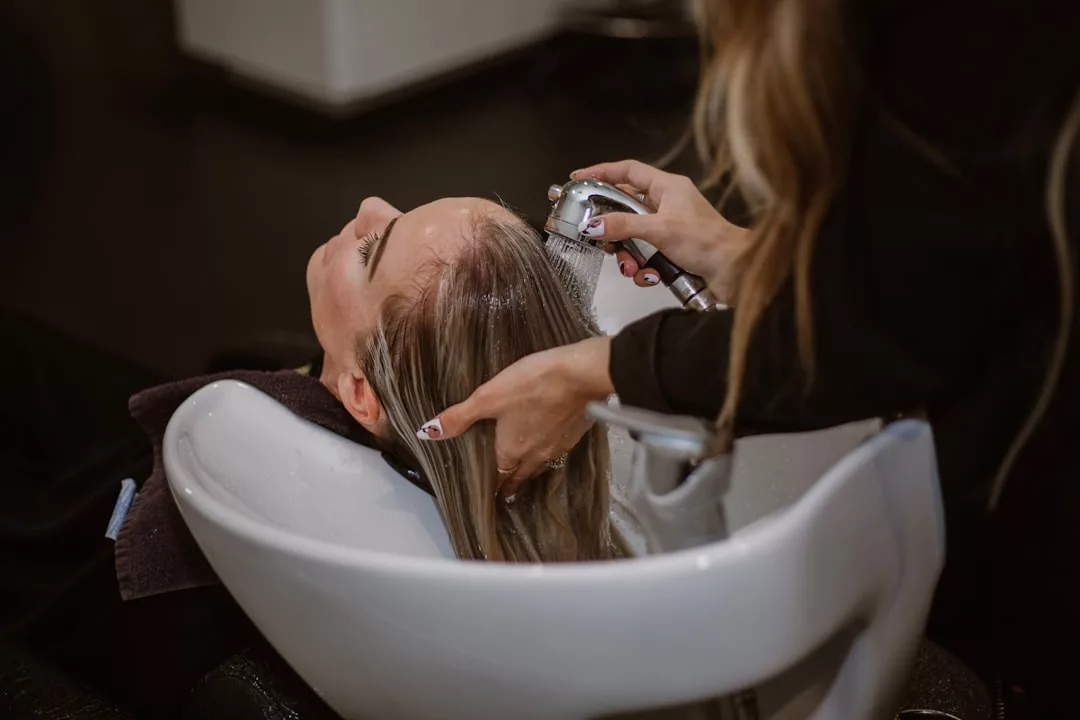
The scalp is often overlooked in discussions about hair care, yet it plays a crucial role in the overall health of hair. A healthy scalp provides the ideal environment for hair follicles to thrive, which in turn promotes hair growth and vitality. The scalp is home to a complex ecosystem of microorganisms, sebaceous glands, and hair follicles, all of which contribute to the health of your hair.
When the scalp is well-maintained, it can effectively regulate oil production, maintain moisture levels, and protect against environmental stressors. Neglecting scalp health can lead to a myriad of issues, including hair loss, dandruff, and irritation. Moreover, the scalp is an extension of the skin on your body, and just like any other part of your skin, it requires proper care and attention.
Factors such as pollution, product buildup, and even stress can negatively impact scalp health. By prioritizing scalp care, individuals can not only enhance their hair’s appearance but also improve their overall well-being. A healthy scalp can lead to increased confidence and a sense of empowerment, as individuals feel more in control of their hair and appearance.
Key Takeaways
- A healthy scalp is essential for overall hair health and growth.
- Signs of an unhealthy scalp include itchiness, flakiness, and excessive oiliness.
- Choose scalp treatments based on your specific needs, such as dandruff, dryness, or oil control.
- DIY scalp treatments like tea tree oil or apple cider vinegar can be effective for at-home care.
- Professional scalp treatments and spa options offer specialized care for scalp issues.
Signs of an Unhealthy Scalp
Identifying an unhealthy scalp is the first step toward restoring its balance and vitality. One of the most common signs is excessive dryness or flakiness, which can manifest as dandruff or an itchy sensation. This condition often arises from a lack of moisture or an imbalance in the scalp’s natural oils.
In contrast, an overly oily scalp can also indicate problems; excessive sebum production may lead to clogged hair follicles and contribute to conditions like acne on the scalp. Another indicator of an unhealthy scalp is inflammation or redness. This can be caused by various factors, including allergic reactions to hair products, fungal infections, or even underlying skin conditions such as psoriasis or eczema.
Individuals may also notice increased hair shedding or thinning, which can be distressing and may signal that the scalp environment is not conducive to healthy hair growth. Recognizing these signs early on allows for timely intervention and treatment, ultimately leading to a healthier scalp and more resilient hair.
Choosing the Right Scalp Treatment for Your Needs
Selecting an appropriate scalp treatment requires a nuanced understanding of your specific needs and concerns. For those dealing with dryness and flakiness, treatments that focus on hydration and moisture retention are essential. Ingredients such as aloe vera, hyaluronic acid, and natural oils like jojoba or argan oil can help restore balance to a parched scalp.
These ingredients work by providing essential nutrients while also creating a protective barrier that locks in moisture. Conversely, individuals with oily scalps may benefit from treatments that regulate sebum production. Products containing salicylic acid or tea tree oil can help cleanse the scalp deeply and reduce excess oil without stripping away necessary moisture.
Additionally, those experiencing irritation or inflammation should look for soothing ingredients like chamomile or calendula, which can calm redness and discomfort. Understanding your unique scalp type and its specific needs is crucial in selecting the right treatment that will yield the best results.
DIY Scalp Treatments for At-Home Care
For those who prefer a hands-on approach to scalp care, DIY treatments can be both effective and enjoyable. One popular method involves creating a nourishing scalp mask using natural ingredients found in most kitchens. For instance, a mixture of coconut oil and honey can provide deep hydration while also possessing antimicrobial properties that help combat dandruff.
Simply warm the coconut oil slightly, mix in honey, and apply it directly to the scalp. Another effective DIY treatment is an apple cider vinegar rinse.
Apple cider vinegar is known for its ability to balance pH levels on the scalp and remove product buildup. To create this rinse, mix equal parts apple cider vinegar and water in a spray bottle. After shampooing, spray the mixture onto the scalp and let it sit for a few minutes before rinsing with cool water.
This treatment not only helps clarify the scalp but also leaves hair looking shiny and healthy.
Professional Scalp Treatments and Spa Options
For those seeking more intensive care, professional scalp treatments available at salons and spas can provide significant benefits. Many salons offer specialized treatments that target specific scalp issues such as dandruff, dryness, or excessive oiliness. These treatments often involve deep cleansing techniques combined with therapeutic massages that stimulate blood circulation to the scalp.
Ingredients used in these treatments may include essential oils, herbal extracts, and advanced formulations designed to address particular concerns. In addition to salon treatments, some spas offer holistic approaches that incorporate aromatherapy and relaxation techniques into their services. For example, a spa may provide a soothing scalp massage using essential oils tailored to the client’s needs, lavender for relaxation or peppermint for invigorating stimulation.
These professional treatments not only address immediate concerns but also promote long-term scalp health by encouraging relaxation and reducing stress levels.
The Benefits of Scalp Massages
Scalp massages are an often-underestimated practice that can yield numerous benefits for both the scalp and overall well-being. The act of massaging the scalp increases blood circulation to hair follicles, which can enhance nutrient delivery and promote healthier hair growth. This increased blood flow helps to invigorate dormant follicles and may even stimulate new hair growth over time.
Additionally, scalp massages can serve as a powerful stress-relief technique. The gentle pressure applied during a massage can help release tension accumulated in the head and neck area, promoting relaxation and mental clarity. Incorporating regular scalp massages into your routine, whether through professional treatments or at-home practices, can significantly improve both your physical and emotional health.
Nutritional Support for a Healthy Scalp
A well-balanced diet plays a pivotal role in maintaining a healthy scalp and promoting optimal hair growth. Nutrients such as omega-3 fatty acids are essential for maintaining the integrity of cell membranes in the scalp, which helps retain moisture and prevent dryness. Foods rich in omega-3s include fatty fish like salmon, walnuts, flaxseeds, and chia seeds.
Vitamins also play a crucial role in supporting scalp health. Vitamin E is known for its antioxidant properties that protect cells from oxidative stress while promoting blood circulation to the scalp. Incorporating foods like almonds, spinach, and avocados into your diet can provide a significant boost in vitamin E levels.
Additionally, B vitamins, particularly biotin, are vital for hair health; they help strengthen hair strands and prevent breakage. Whole grains, eggs, nuts, and leafy greens are excellent sources of B vitamins that can contribute to a healthier scalp.
Lifestyle Habits for Scalp Health
In addition to dietary considerations, certain lifestyle habits can significantly impact scalp health. Regular exercise is one such habit that promotes overall circulation throughout the body, including the scalp. Increased blood flow helps deliver essential nutrients to hair follicles while also aiding in detoxification processes that remove impurities from the skin.
Moreover, managing stress levels is crucial for maintaining a healthy scalp environment. Chronic stress can lead to hormonal imbalances that may exacerbate issues like dandruff or hair loss. Engaging in mindfulness practices such as yoga or meditation can help mitigate stress effects on both mental health and physical well-being.
Prioritizing sleep is equally important; adequate rest allows the body to repair itself and maintain hormonal balance, contributing to healthier skin and scalp conditions.
Common Scalp Conditions and How to Treat Them
Several common conditions can affect the scalp’s health, each requiring specific treatment approaches. Dandruff is perhaps one of the most prevalent issues; it often results from an overgrowth of yeast on the scalp or dry skin conditions. Anti-fungal shampoos containing ingredients like ketoconazole or zinc pyrithione can effectively combat dandruff by targeting its root causes.
Another common condition is seborrheic dermatitis, characterized by red patches and greasy scales on the scalp. This condition may require medicated shampoos containing coal tar or salicylic acid to reduce inflammation and flakiness effectively. For individuals experiencing psoriasis on their scalps, marked by thick red patches covered with silvery scales, topical treatments containing corticosteroids or vitamin D analogs may be necessary to manage flare-ups.
Scalp Care for Different Hair Types
Different hair types require tailored approaches to scalp care due to varying needs regarding moisture retention and oil production. For instance, individuals with curly or coily hair often experience dryness due to the natural oils having difficulty traveling down the hair shaft. Therefore, they should focus on hydrating treatments that nourish both their hair and scalp while avoiding harsh sulfates that could exacerbate dryness.
On the other hand, those with straight or fine hair may struggle with excess oil production on their scalps. Lightweight formulations that cleanse without weighing down the hair are ideal for this hair type. Regular exfoliation of the scalp can also help prevent buildup that could lead to clogged follicles while promoting a balanced environment conducive to healthy hair growth.
Maintaining Scalp Health for Long-Term Results
Achieving long-term scalp health requires consistency in care practices tailored to individual needs. Establishing a regular cleansing routine using appropriate shampoos suited for your specific scalp type is essential; this helps remove impurities without stripping away necessary oils. Additionally, incorporating periodic deep conditioning treatments can provide extra nourishment that supports both the scalp and hair.
Regular check-ins with a dermatologist or trichologist can also be beneficial for monitoring any changes in scalp health over time. These professionals can offer personalized advice based on individual conditions or concerns while recommending suitable products or treatments tailored specifically for you. By committing to ongoing care practices, both at home and through professional guidance, you can ensure lasting results that promote a vibrant and healthy scalp environment conducive to beautiful hair growth.
More in
More from Beauty
Beauty · 8 min
Unlocking Radiant Skin with Serum
In the realm of skincare, serums have emerged as a transformative product that can significantly enhance the health and appearance of the skin. Unlike…

Beauty · 9 min
Revitalize Your Skin with Toner: The Ultimate Guide
Toner has long been a staple in many skincare routines, yet its purpose often remains misunderstood. Traditionally, toners were formulated to remove r…
Beauty · 8 min
Shiny and Smooth: The Ultimate Lip Gloss Guide
Lip gloss has long been a staple in the beauty industry, celebrated for its ability to enhance the natural beauty of lips while providing a glossy fin…