Beauty · Beauty
Revitalize Your Skin with a Facial Mask
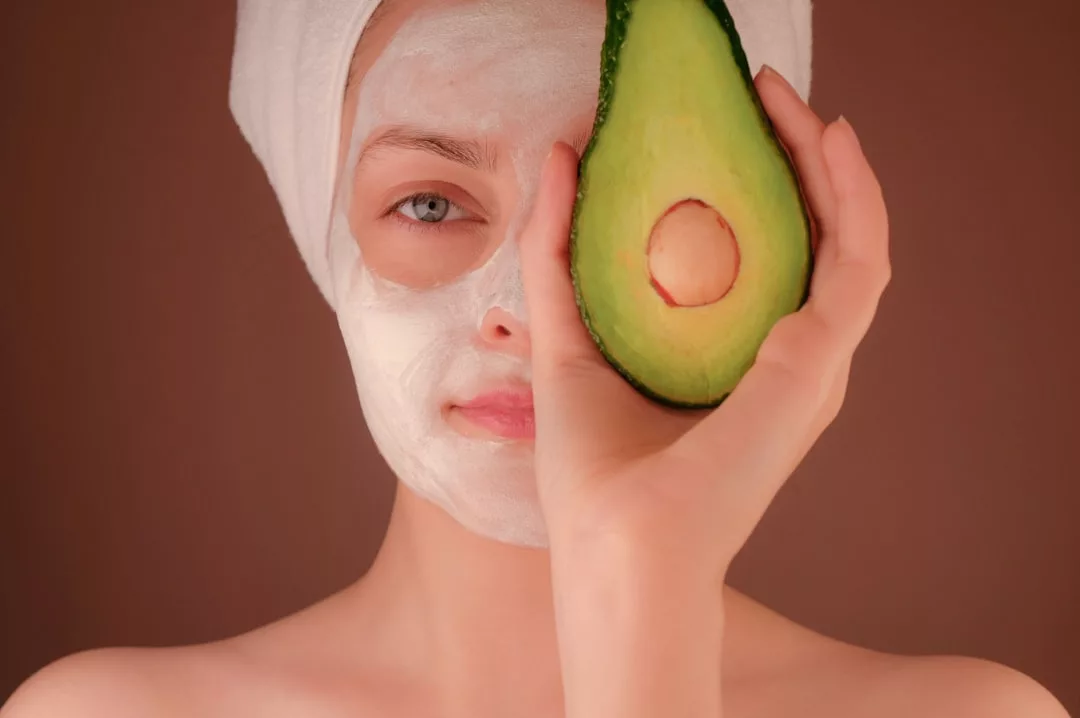
Facial masks have become a staple in skincare routines, celebrated for their ability to deliver concentrated ingredients directly to the skin. One of the primary benefits of using …

Facial masks have become a staple in skincare routines, celebrated for their ability to deliver concentrated ingredients directly to the skin. One of the primary benefits of using facial masks is their capacity to provide deep hydration. Many masks are formulated with humectants like hyaluronic acid, which can attract moisture from the environment and bind it to the skin.
This is particularly beneficial for individuals with dry or dehydrated skin, as it can help restore a plump, youthful appearance. Additionally, masks can offer a variety of other benefits, such as exfoliation, detoxification, and soothing irritated skin, depending on their specific ingredients. Another significant advantage of facial masks is their ability to target specific skin concerns.
For instance, clay masks are renowned for their oil-absorbing properties, making them ideal for those with oily or acne-prone skin. On the other hand, sheet masks infused with antioxidants and vitamins can brighten and rejuvenate dull complexions. The versatility of facial masks allows individuals to tailor their skincare regimen to address unique needs, whether that be combating signs of aging, reducing inflammation, or enhancing overall skin texture.
This targeted approach not only improves the skin’s appearance but also contributes to a more effective skincare routine.
Key Takeaways
- Facial masks can help improve skin texture, tone, and overall appearance
- It’s important to choose a facial mask that suits your skin type and addresses your specific skin concerns
- Preparing your skin by cleansing and exfoliating before applying a facial mask can enhance its effectiveness
- Proper application of a facial mask involves evenly spreading it over the skin and avoiding sensitive areas
- Relaxation during a facial mask treatment can help reduce stress and improve the overall experience
Choosing the Right Facial Mask for Your Skin Type
Selecting the appropriate facial mask is crucial for achieving optimal results. Different skin types, such as oily, dry, combination, and sensitive, require distinct formulations to address their unique needs. For oily skin, clay or charcoal masks are often recommended due to their ability to absorb excess sebum and unclog pores.
These masks can help prevent breakouts and reduce shine, making them a popular choice among those struggling with acne. Conversely, individuals with dry skin should look for hydrating masks that contain ingredients like glycerin or aloe vera, which can provide moisture and soothe irritation. Combination skin presents its own set of challenges, as it may exhibit both oily and dry areas.
In such cases, a multi-masking approach can be beneficial. This involves applying different masks to various areas of the face, using a clay mask on the T-zone while opting for a hydrating mask on the cheeks. Sensitive skin types should prioritize gentle formulations free from harsh chemicals and fragrances.
Calming ingredients like chamomile or calendula can help alleviate redness and irritation while providing nourishment.
Preparing Your Skin for a Facial Mask
Before applying a facial mask, proper skin preparation is essential to ensure that the mask adheres effectively and delivers its intended benefits. The first step in this process is cleansing the face thoroughly to remove dirt, oil, and makeup residue. A gentle cleanser suited to one’s skin type should be used to avoid stripping the skin of its natural oils.
Following cleansing, exfoliation can further enhance the effectiveness of the mask by sloughing off dead skin cells and promoting cell turnover. This step is particularly important for those using masks that target specific concerns like dullness or uneven texture. After cleansing and exfoliating, it’s advisable to tone the skin.
A toner can help restore the skin’s pH balance and prepare it for better absorption of the mask’s active ingredients. Toners containing hydrating elements or soothing botanicals can be especially beneficial in this step. Once the skin is clean and toned, it is ready for the application of a facial mask.
This preparation not only enhances the mask’s efficacy but also creates a more enjoyable experience by ensuring that the skin is in optimal condition to receive treatment.
Applying the Facial Mask Correctly
The application of a facial mask is an art that can significantly influence its effectiveness. To begin with, it’s important to follow the instructions provided with the specific mask being used, as different formulations may have unique application techniques. Generally, using clean fingers or a brush designed for facial treatments can help achieve an even layer across the face.
Starting from the center and working outward ensures that all areas receive adequate coverage while avoiding excessive product application in any one spot. When applying a mask, it’s crucial to avoid sensitive areas such as around the eyes and mouth unless specified otherwise by the product instructions. These areas often require gentler formulations due to their delicate nature.
Additionally, applying a thicker layer may not necessarily yield better results; in fact, it can lead to longer drying times or difficulty in removal. Instead, a thin, even layer is typically sufficient for most masks. Allowing the mask to sit for the recommended duration is essential; this time frame is designed to optimize ingredient absorption without risking irritation or discomfort.
The Importance of Relaxation During a Facial Mask Treatment
The experience of using a facial mask extends beyond mere skincare; it also encompasses relaxation and self-care. Taking time out of a busy schedule to indulge in a facial mask treatment can provide significant mental health benefits. The act of pampering oneself fosters a sense of well-being and can reduce stress levels.
Creating a calming environment, such as dimming lights, playing soft music, or lighting scented candles, can enhance this experience further. During the application of a facial mask, it’s beneficial to engage in mindfulness practices such as deep breathing or meditation. Focusing on one’s breath while allowing the mask to work can help clear the mind and promote relaxation.
This holistic approach not only enhances the effectiveness of the mask but also contributes to overall emotional health. By treating facial masking as a ritual rather than just a skincare step, individuals can cultivate a deeper connection with their self-care routines.
Customizing Your Facial Mask with Additional Ingredients
For those looking to elevate their facial mask experience, customizing it with additional ingredients can be an exciting option. Many individuals choose to enhance their masks by incorporating natural elements such as honey, yogurt, or essential oils that align with their specific skincare goals. For instance, adding honey, a natural humectant, can boost hydration levels in dry masks while providing antibacterial properties beneficial for acne-prone skin.
Essential oils like lavender or tea tree oil can also be mixed into certain masks for added therapeutic benefits; however, caution should be exercised when using essential oils due to their potency. Diluting them properly and performing patch tests beforehand is essential to avoid adverse reactions. Customizing facial masks not only allows individuals to tailor treatments to their unique needs but also adds an element of creativity and personalization to their skincare routine.
How Often Should You Use a Facial Mask?
Determining how often to use a facial mask depends largely on individual skin types and concerns as well as the specific formulation of the mask itself. Generally speaking, most people benefit from using a facial mask once or twice a week. This frequency allows for consistent treatment without overwhelming the skin with too many active ingredients at once.
For those with oily or acne-prone skin, more frequent use may be appropriate; clay masks can be applied up to three times weekly if needed. Conversely, individuals with sensitive or dry skin should approach masking with caution and may find that once every two weeks suffices. Overuse of certain masks, especially those containing exfoliating acids or strong active ingredients, can lead to irritation or compromised skin barriers.
It’s essential to listen to one’s skin and adjust frequency based on how it responds after each treatment.
Removing the Facial Mask and Post-Treatment Care
The removal process of a facial mask is just as important as its application; improper removal can negate some of its benefits or lead to irritation. Most masks should be removed gently using lukewarm water and a soft cloth or sponge. For peel-off masks, it’s crucial to follow instructions carefully to avoid damaging the skin during removal.
After taking off the mask, patting the face dry rather than rubbing helps maintain moisture levels. Post-treatment care is equally vital in maximizing results from a facial mask session. Following removal, applying a hydrating serum or moisturizer can help lock in moisture and further nourish the skin.
Products containing soothing ingredients like aloe vera or chamomile are particularly beneficial after masking sessions that may have caused mild irritation or redness. Additionally, incorporating sunscreen into one’s routine after masking, especially if using products with exfoliating properties, is essential for protecting newly treated skin from UV damage.
Addressing Common Skin Concerns with Facial Masks
Facial masks serve as effective tools for addressing various common skin concerns that many individuals face today. For those struggling with acne, clay masks infused with salicylic acid or tea tree oil can help reduce breakouts by drawing out impurities and controlling excess oil production. These masks not only target existing blemishes but also work preventively by minimizing pore congestion.
On the other hand, individuals dealing with signs of aging may benefit from masks containing retinol or peptides that promote collagen production and improve elasticity over time. Hydrating masks rich in antioxidants can also combat dullness and uneven texture associated with aging skin by revitalizing its appearance and enhancing radiance. By selecting masks tailored to specific concerns, individuals can effectively incorporate them into their skincare routines for targeted treatment.
Enhancing the Effects of a Facial Mask with a Skincare Routine
To maximize the benefits derived from facial masks, integrating them into a comprehensive skincare routine is essential. A well-rounded regimen typically includes cleansing, toning, moisturizing, and sun protection, each step playing a vital role in maintaining healthy skin. For instance, using a gentle exfoliating cleanser before applying a mask can enhance its effectiveness by allowing better penetration of active ingredients.
Moreover, following up with serums rich in vitamins C or E after masking can amplify results by providing additional nourishment and protection against environmental stressors.
Exploring Different Types of Facial Masks
The world of facial masks is diverse, offering an array of options tailored to various preferences and needs. Clay masks are popular for their oil-absorbing properties and are often favored by those with oily or combination skin types seeking detoxification benefits. Sheet masks have gained immense popularity due to their convenience; these pre-soaked fabric sheets deliver concentrated serums directly onto the skin for quick hydration and revitalization.
Gel masks are another option that provides cooling relief while delivering hydration; they are particularly beneficial during hot weather or after sun exposure. Cream masks tend to be richer in texture and are ideal for dry or mature skin types seeking intense nourishment. Each type of mask serves distinct purposes and caters to different preferences; thus allowing individuals to explore various formulations until they find what works best for them.
In summary, facial masks offer numerous benefits when incorporated thoughtfully into skincare routines tailored to individual needs and preferences. By understanding how to choose appropriate products based on skin type while preparing adequately before application, and following up with proper post-treatment care, individuals can unlock the full potential of these versatile skincare treatments.
More in
More from Beauty
Beauty · 8 min
Unlocking Radiant Skin with Serum
In the realm of skincare, serums have emerged as a transformative product that can significantly enhance the health and appearance of the skin. Unlike…

Beauty · 9 min
Revitalize Your Skin with Toner: The Ultimate Guide
Toner has long been a staple in many skincare routines, yet its purpose often remains misunderstood. Traditionally, toners were formulated to remove r…
Beauty · 8 min
Shiny and Smooth: The Ultimate Lip Gloss Guide
Lip gloss has long been a staple in the beauty industry, celebrated for its ability to enhance the natural beauty of lips while providing a glossy fin…