Beauty · Beauty
Revitalize Your Skin with a Peel-Off Mask
A peel-off mask is a type of facial treatment that is designed to adhere to the skin and, once dried, can be peeled away in one piece. This unique application method allows for the…
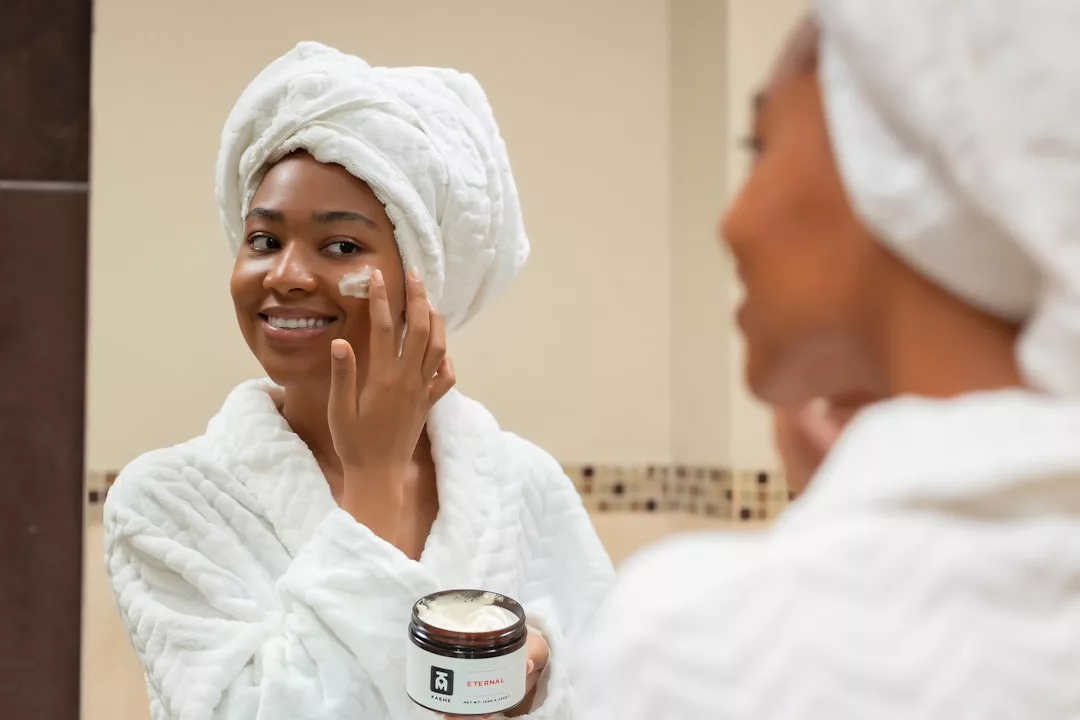
A peel-off mask is a type of facial treatment that is designed to adhere to the skin and, once dried, can be peeled away in one piece. This unique application method allows for the removal of dead skin cells, impurities, and excess oils, leaving the skin feeling refreshed and rejuvenated. Typically composed of a gel-like substance, these masks often contain a variety of active ingredients that target specific skin concerns, such as hydration, exfoliation, or detoxification.
The process of applying a peel-off mask can be both therapeutic and enjoyable, as it often involves a moment of self-care that many people incorporate into their skincare routines. The appeal of peel-off masks lies not only in their effectiveness but also in the sensory experience they provide. As the mask dries on the skin, it creates a tight sensation that many users find satisfying.
Once the mask is fully dried, the act of peeling it off can be quite gratifying, as it often reveals smoother and brighter skin underneath. This dual action of application and removal makes peel-off masks a popular choice among skincare enthusiasts looking for an instant boost in their complexion.
Key Takeaways
- Peel-off masks are skincare products that are applied to the skin and then peeled off once they have dried.
- Benefits of using a peel-off mask include removing dead skin cells, unclogging pores, and improving skin texture and appearance.
- It’s important to choose the right peel-off mask for your skin type, whether it’s oily, dry, sensitive, or combination.
- To apply a peel-off mask, start with clean, dry skin, apply an even layer, and then wait for it to dry before peeling it off.
- Tips for maximizing the benefits of a peel-off mask include using it regularly, following up with moisturizer, and avoiding sensitive areas like the eyes.
Benefits of Using a Peel-Off Mask
Peel-off masks offer a multitude of benefits that cater to various skin types and concerns. One of the primary advantages is their ability to exfoliate the skin effectively. By adhering to the outer layer of dead skin cells, these masks help to slough away impurities and promote cell turnover.
This exfoliation process can lead to a brighter complexion and improved skin texture, making it an excellent option for those dealing with dull or uneven skin tone. In addition to exfoliation, many peel-off masks are formulated with ingredients that provide hydration and nourishment. For instance, masks containing hyaluronic acid can help to draw moisture into the skin, while those with antioxidants can protect against environmental stressors.
This combination of exfoliation and hydration can result in a more youthful appearance, as well as a reduction in the visibility of fine lines and wrinkles. Furthermore, peel-off masks can also help to unclog pores, making them beneficial for individuals with oily or acne-prone skin.
Choosing the Right Peel-Off Mask for Your Skin Type
Selecting the appropriate peel-off mask for your specific skin type is crucial for achieving optimal results. For individuals with oily or acne-prone skin, masks containing ingredients like charcoal or salicylic acid can be particularly effective. Charcoal works by drawing out impurities and excess oil from the pores, while salicylic acid helps to exfoliate and prevent breakouts.
These ingredients work synergistically to create a clearer complexion. Conversely, those with dry or sensitive skin should opt for gentler formulations that prioritize hydration and soothing properties. Masks infused with aloe vera, honey, or chamomile can provide nourishment without causing irritation.
It’s essential to read product labels carefully and look for masks that are free from harsh chemicals or fragrances that could exacerbate sensitivity. Additionally, individuals with combination skin may benefit from using different masks on various areas of their face, targeting oilier zones with purifying ingredients while applying hydrating masks to drier areas.
How to Apply a Peel-Off Mask
The application process for a peel-off mask is relatively straightforward but requires some attention to detail to ensure effectiveness. First, it’s essential to start with a clean face; washing your skin with a gentle cleanser will remove any makeup or impurities that could hinder the mask’s performance.
When applying the peel-off mask, use clean fingers or a brush to spread an even layer across your face, avoiding sensitive areas such as the eyes and mouth. It’s important to apply enough product to create a solid layer; if the mask is too thin, it may not adhere properly and could tear during removal. Allow the mask to dry completely according to the product instructions, this typically takes around 20-30 minutes.
Once dry, gently peel off the mask starting from the edges and working your way toward the center. If any residue remains on your skin, you can rinse it off with warm water.
Tips for Maximizing the Benefits of a Peel-Off Mask
To enhance the effectiveness of your peel-off mask experience, consider incorporating some additional steps into your skincare routine. One effective strategy is to steam your face before applying the mask. Steaming opens up your pores and softens the skin, allowing for better penetration of the mask’s active ingredients.
This pre-treatment can significantly improve the results you achieve from using a peel-off mask. Another tip is to follow up with a hydrating serum or moisturizer after removing the mask. While peel-off masks can provide immediate benefits, they may also leave your skin feeling slightly tight or dry due to their exfoliating properties.
Applying a nourishing product afterward helps to replenish moisture and lock in hydration, ensuring that your skin remains supple and healthy. Additionally, consider using a peel-off mask as part of a regular skincare routine rather than an occasional treatment; consistency can lead to more pronounced long-term benefits.
The Science Behind Peel-Off Masks
The effectiveness of peel-off masks can be attributed to their unique formulation and the science behind how they interact with the skin. Most peel-off masks contain polymers that create a film-like layer when applied. As these polymers dry, they form a cohesive bond with dead skin cells and impurities on the surface of the skin.
When the mask is peeled away, it lifts away these unwanted elements along with it. Moreover, many peel-off masks are enriched with active ingredients that penetrate the skin during the application process. For example, ingredients like glycolic acid or lactic acid work as chemical exfoliants that help dissolve dead skin cells at a deeper level than physical exfoliants alone.
This dual action, mechanical peeling combined with chemical exfoliation, can lead to more significant improvements in skin texture and clarity.
DIY Peel-Off Mask Recipes
For those who prefer a more personalized approach to skincare, creating DIY peel-off masks at home can be both fun and rewarding. One popular recipe involves using gelatin as a base ingredient combined with fruit juices or herbal infusions. For instance, mixing unflavored gelatin with green tea creates an antioxidant-rich mask that helps detoxify the skin while providing anti-inflammatory benefits.
Another simple recipe includes combining activated charcoal powder with aloe vera gel and water. This mixture not only helps draw out impurities but also soothes irritated skin due to aloe’s calming properties. To use these DIY masks effectively, apply them in an even layer on clean skin and allow them to dry completely before peeling them off gently.
Common Ingredients in Peel-Off Masks and Their Benefits
Peel-off masks often contain a variety of active ingredients tailored to address specific skin concerns. Charcoal is one of the most common components found in these masks due to its ability to absorb toxins and excess oil from the skin’s surface. This makes it particularly beneficial for individuals with oily or acne-prone skin.
Another frequently used ingredient is hyaluronic acid, known for its exceptional hydrating properties. It helps retain moisture in the skin, making it plump and youthful-looking. Additionally, botanical extracts such as tea tree oil or witch hazel are often included for their antibacterial and soothing effects, which can help reduce inflammation and redness associated with acne-prone skin.
Precautions and Potential Risks of Using Peel-Off Masks
While peel-off masks can offer numerous benefits, there are precautions that users should keep in mind to avoid potential risks. One significant concern is irritation; individuals with sensitive skin may experience redness or discomfort after using certain formulations. It’s advisable to conduct a patch test on a small area of skin before applying a new product to your entire face.
Moreover, improper application or removal techniques can lead to adverse effects such as tearing of the skin or excessive pulling on delicate facial tissues. To minimize these risks, always follow product instructions carefully and avoid using peel-off masks on broken or inflamed skin. If you experience any adverse reactions during or after use, discontinue use immediately and consult a dermatologist if necessary.
How Often Should You Use a Peel-Off Mask?
The frequency of using peel-off masks largely depends on individual skin types and concerns. For most people, incorporating a peel-off mask into their skincare routine once a week is sufficient to reap its benefits without over-exfoliating or irritating the skin. However, those with oily or acne-prone skin may find that using these masks twice a week helps manage excess oil production and prevent breakouts.
On the other hand, individuals with dry or sensitive skin should limit their use to once every two weeks or even less frequently if they notice any signs of irritation. It’s essential to listen to your skin’s needs and adjust your usage accordingly; overuse can lead to compromised skin barriers and increased sensitivity.
Alternatives to Peel-Off Masks for Skin Revitalization
For those who may not find peel-off masks suitable for their skincare needs or preferences, there are several alternatives available that can also revitalize the skin effectively. Clay masks are an excellent option for detoxifying and purifying the skin without the need for peeling; they work by drawing out impurities while providing essential minerals. Sheet masks are another popular alternative that offers hydration and nourishment without any peeling action involved.
These pre-soaked fabric masks are infused with serums rich in vitamins and antioxidants that can deeply penetrate the skin while providing convenience and ease of use. Exfoliating scrubs are also effective for those who prefer physical exfoliation methods over chemical ones found in peel-off masks. These scrubs typically contain granules that help slough away dead skin cells while promoting circulation for a brighter complexion.
In summary, while peel-off masks offer unique benefits through their application method and formulation, there are numerous alternatives available that cater to different preferences and skincare needs.
More in
More from Beauty
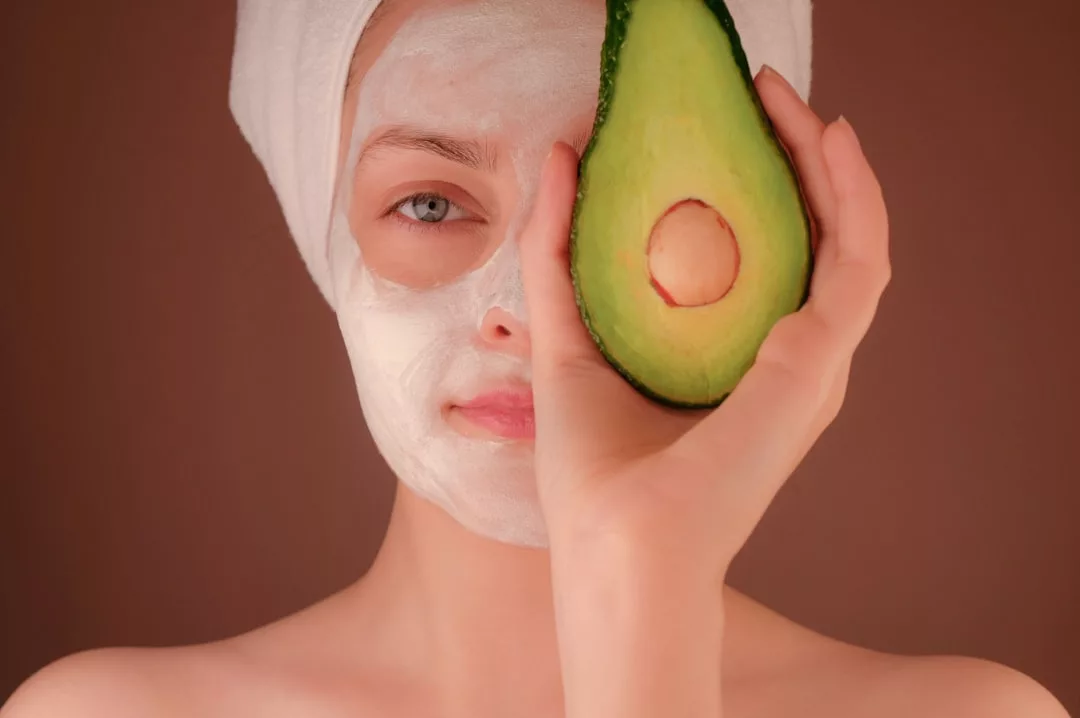
Beauty · 8 min
Unlocking Radiant Skin with Serum
In the realm of skincare, serums have emerged as a transformative product that can significantly enhance the health and appearance of the skin. Unlike…
Beauty · 9 min
Revitalize Your Skin with Toner: The Ultimate Guide
Toner has long been a staple in many skincare routines, yet its purpose often remains misunderstood. Traditionally, toners were formulated to remove r…
Beauty · 8 min
Shiny and Smooth: The Ultimate Lip Gloss Guide
Lip gloss has long been a staple in the beauty industry, celebrated for its ability to enhance the natural beauty of lips while providing a glossy fin…