Beauty · Beauty
Revitalize Your Skin with a Sheet Mask
A sheet mask is a thin, face-shaped sheet made from materials such as cotton, hydrogel, or cellulose that is soaked in a serum or essence rich in beneficial ingredients for the ski…
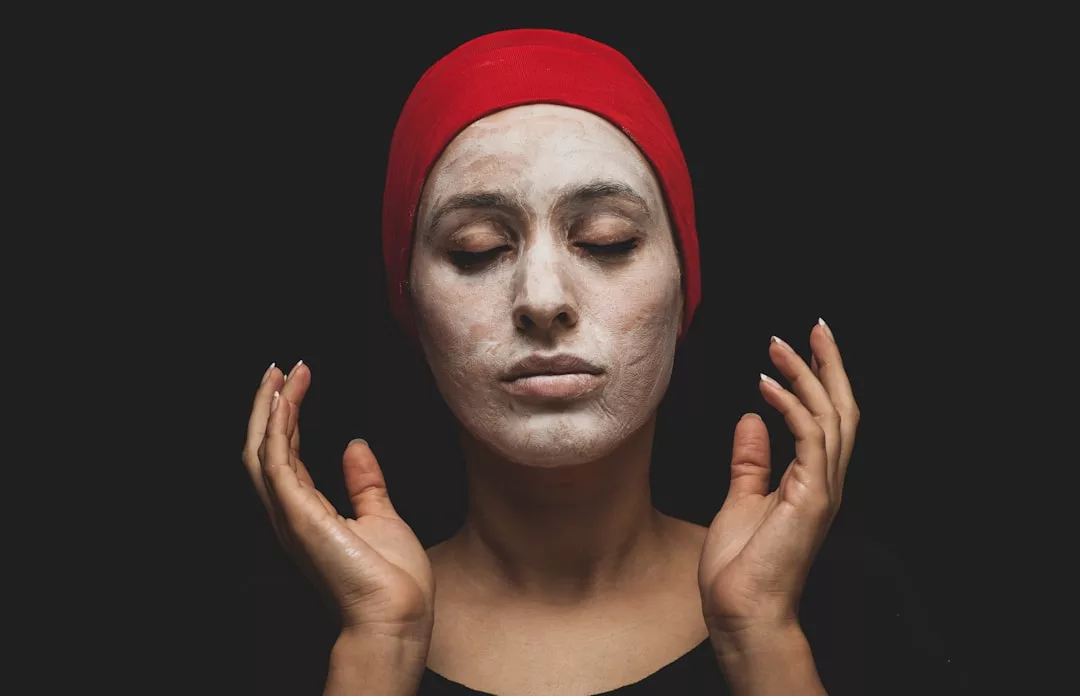
A sheet mask is a thin, face-shaped sheet made from materials such as cotton, hydrogel, or cellulose that is soaked in a serum or essence rich in beneficial ingredients for the skin. These masks are designed to adhere closely to the contours of the face, allowing for maximum absorption of the active ingredients. The concept of sheet masks originated in South Korea and has since gained immense popularity worldwide, becoming a staple in many skincare routines.
The convenience and ease of use make them an attractive option for individuals seeking a quick and effective way to enhance their skincare regimen. The primary function of a sheet mask is to deliver hydration and nourishment to the skin. The sheet acts as a barrier, preventing the serum from evaporating quickly, which allows the skin to absorb the nutrients more effectively.
This method of application not only provides immediate hydration but can also address various skin concerns depending on the ingredients infused in the mask. With a plethora of options available on the market, sheet masks cater to diverse skin types and conditions, making them a versatile tool in modern skincare.
Key Takeaways
- Sheet masks are face-shaped sheet fabrics soaked in nutrition-packed solution called serum.
- Using sheet masks can help hydrate, brighten, and nourish the skin, as well as provide anti-aging benefits.
- There are various types of sheet masks, including cotton, hydrogel, and bio-cellulose masks, each with different benefits and textures.
- When choosing a sheet mask, consider your skin type and specific concerns, such as dryness, acne, or aging.
- To use a sheet mask, start with a clean face, apply the mask, leave it on for 15-20 minutes, then remove and pat in the remaining serum.
Benefits of Using Sheet Masks
The benefits of using sheet masks extend beyond mere hydration; they offer a multitude of advantages that can significantly improve the overall appearance and health of the skin. One of the most notable benefits is their ability to provide an instant boost of moisture. Many sheet masks are formulated with hyaluronic acid, glycerin, or other humectants that draw water into the skin, resulting in a plump and dewy complexion.
This immediate effect is particularly appealing for those with dry or dehydrated skin, as it can alleviate tightness and flakiness almost instantly. In addition to hydration, sheet masks can also deliver targeted treatments for specific skin concerns. For instance, masks infused with antioxidants like vitamin C can help brighten the skin and reduce signs of aging, while those containing salicylic acid may assist in controlling acne breakouts.
The concentrated nature of the serum allows for deeper penetration of active ingredients compared to traditional creams or lotions. Furthermore, the act of applying a sheet mask can be a relaxing ritual, providing a moment of self-care that promotes mental well-being alongside physical benefits.
Different Types of Sheet Masks
Sheet masks come in various forms, each designed to cater to specific skin needs and preferences. The most common type is the cotton sheet mask, which is made from natural fibers and is known for its ability to hold a significant amount of serum while remaining breathable. These masks are often affordable and widely available, making them a popular choice among consumers.
Hydrogel masks are another innovative option that has gained traction in recent years. Made from a gel-like material, these masks provide a cooling sensation upon application and are often thicker than cotton masks. Hydrogel masks are particularly effective at adhering to the skin, ensuring that the serum remains in contact with the face for optimal absorption.
Additionally, there are bio-cellulose masks made from fermented coconut water that offer superior adherence and hydration, making them ideal for sensitive or irritated skin.
How to Choose the Right Sheet Mask for Your Skin Type
Selecting the right sheet mask involves understanding your skin type and its specific needs. For individuals with oily or acne-prone skin, look for masks that contain ingredients like tea tree oil, salicylic acid, or charcoal, which can help control excess oil and prevent breakouts. These masks often have a lightweight formula that won’t clog pores while still providing hydration.
On the other hand, those with dry or mature skin should opt for masks rich in emollients and humectants such as hyaluronic acid, glycerin, or ceramides. These ingredients help to lock in moisture and restore the skin’s barrier function. Additionally, masks infused with peptides or collagen can be beneficial for aging skin, as they promote elasticity and firmness.
It’s also essential to consider any sensitivities or allergies; fragrance-free and hypoallergenic options are available for those with sensitive skin.
Step-by-Step Guide on How to Use a Sheet Mask
Using a sheet mask is a straightforward process that can be easily incorporated into any skincare routine. Begin by cleansing your face thoroughly to remove any makeup, dirt, or impurities that may hinder absorption. Following cleansing, it’s advisable to apply a toner to prep the skin and enhance its receptiveness to the mask’s active ingredients.
Once your skin is prepped, carefully remove the sheet mask from its packaging. Gently unfold it and align it with your facial contours, ensuring that it covers your entire face evenly. Press down lightly to eliminate any air bubbles and ensure good contact with your skin.
Leave the mask on for the recommended time, typically between 15 to 30 minutes, allowing your skin to absorb the serum fully. After removing the mask, gently pat any remaining essence into your skin for added hydration before proceeding with your usual moisturizer.
Tips for Maximizing the Effects of a Sheet Mask
To enhance the efficacy of your sheet mask experience, consider incorporating a few additional steps into your routine. One effective method is to refrigerate your sheet mask prior to use; this not only provides a refreshing sensation but can also help reduce puffiness and inflammation. The cool temperature constricts blood vessels and can soothe irritated skin.
Another tip is to layer your skincare products strategically before applying the mask. For instance, using a hydrating essence or serum prior to the mask can create an additional layer of moisture that enhances absorption. After removing the mask, follow up with a moisturizer or facial oil to seal in all the beneficial ingredients and prevent transepidermal water loss.
This layering technique ensures that your skin receives maximum hydration and nourishment.
How Often Should You Use a Sheet Mask?
The frequency of sheet mask usage largely depends on individual skin needs and goals. For those seeking an immediate boost in hydration or preparing for a special event, using a sheet mask once or twice a week can yield noticeable results. However, individuals with specific concerns such as dryness or dullness may benefit from more frequent applications, up to three times per week, especially if they are using hydrating or soothing formulas.
Conversely, those with oily or acne-prone skin should be cautious about overusing sheet masks containing heavy oils or occlusive ingredients that could exacerbate breakouts. In such cases, one application per week may suffice, supplemented by other targeted treatments like spot treatments or exfoliants. Ultimately, listening to your skin’s response is key; adjust your usage based on how your skin feels and reacts after each application.
DIY Sheet Mask Recipes
For those who enjoy crafting their own skincare products, DIY sheet masks can be an exciting and cost-effective alternative to store-bought options. One simple recipe involves using green tea as a base due to its antioxidant properties. Brew green tea and allow it to cool before mixing it with honey and aloe vera gel for added hydration.
Soak a cotton sheet in this mixture and apply it to your face for 20 minutes. Another popular DIY option utilizes yogurt as a base ingredient due to its lactic acid content, which gently exfoliates while moisturizing the skin. Combine plain yogurt with mashed banana for added nourishment; soak a cotton sheet in this mixture before applying it to your face.
Sheet masks have evolved to address various specific skin concerns effectively. For acne-prone individuals, look for masks containing salicylic acid or tea tree oil; these ingredients help combat breakouts by unclogging pores and reducing inflammation. Masks infused with niacinamide can also be beneficial as they help regulate oil production while soothing redness.
For those concerned about aging, sheet masks enriched with peptides or retinol can promote collagen production and improve skin elasticity. These ingredients work synergistically to reduce fine lines and wrinkles while enhancing overall texture. Additionally, hydrating masks containing hyaluronic acid are excellent for mature skin types as they plump up the skin and diminish signs of dryness. Masks containing botanical extracts such as chamomile or calendula can also provide soothing relief for irritated or sensitive skin.
Incorporating Sheet Masks into Your Skincare Routine
Integrating sheet masks into your skincare routine can be seamless with proper planning. Consider designating specific days of the week for your masking ritual; this creates consistency and allows you to anticipate when you’ll be treating your skin. For example, you might choose Sundays as your self-care day where you indulge in a longer skincare routine that includes cleansing, exfoliating, and applying a sheet mask.
Additionally, consider pairing your sheet mask application with other treatments such as facial massages or gua sha techniques to enhance circulation and promote lymphatic drainage while the mask is on. This multi-step approach not only maximizes benefits but also transforms masking into an enjoyable self-care experience.
The Future of Sheet Masks: Innovative Ingredients and Technologies
The future of sheet masks looks promising as brands continue to innovate with new ingredients and technologies aimed at enhancing efficacy and user experience. One emerging trend is the incorporation of smart technology into sheet masks; some brands are developing masks that can adjust their delivery systems based on real-time feedback from the skin’s condition. Moreover, there is an increasing focus on sustainability within the beauty industry; biodegradable materials are being utilized in sheet mask production to reduce environmental impact without compromising performance.
Brands are also exploring unique ingredient combinations such as CBD-infused masks that offer anti-inflammatory benefits alongside traditional skincare ingredients. As consumer demand for personalized skincare grows, we may see more customizable sheet masks that allow users to select specific serums based on their individual needs at any given time. This level of personalization could revolutionize how we approach skincare routines, making them more effective and tailored than ever before.
In conclusion, sheet masks represent an exciting intersection of convenience and efficacy in modern skincare practices. With their diverse formulations catering to various concerns and their ease of use, they have become an essential tool for many seeking healthier, more radiant skin.
More in
More from Beauty
Beauty · 8 min
Unlocking Radiant Skin with Serum
In the realm of skincare, serums have emerged as a transformative product that can significantly enhance the health and appearance of the skin. Unlike…
Beauty · 9 min
Revitalize Your Skin with Toner: The Ultimate Guide
Toner has long been a staple in many skincare routines, yet its purpose often remains misunderstood. Traditionally, toners were formulated to remove r…
Beauty · 8 min
Shiny and Smooth: The Ultimate Lip Gloss Guide
Lip gloss has long been a staple in the beauty industry, celebrated for its ability to enhance the natural beauty of lips while providing a glossy fin…