Beauty · Beauty
Revitalize Your Skin with Microdermabrasion
Microdermabrasion is a non-invasive cosmetic procedure designed to rejuvenate the skin by exfoliating the outermost layer. This treatment employs a specialized device that sprays f…
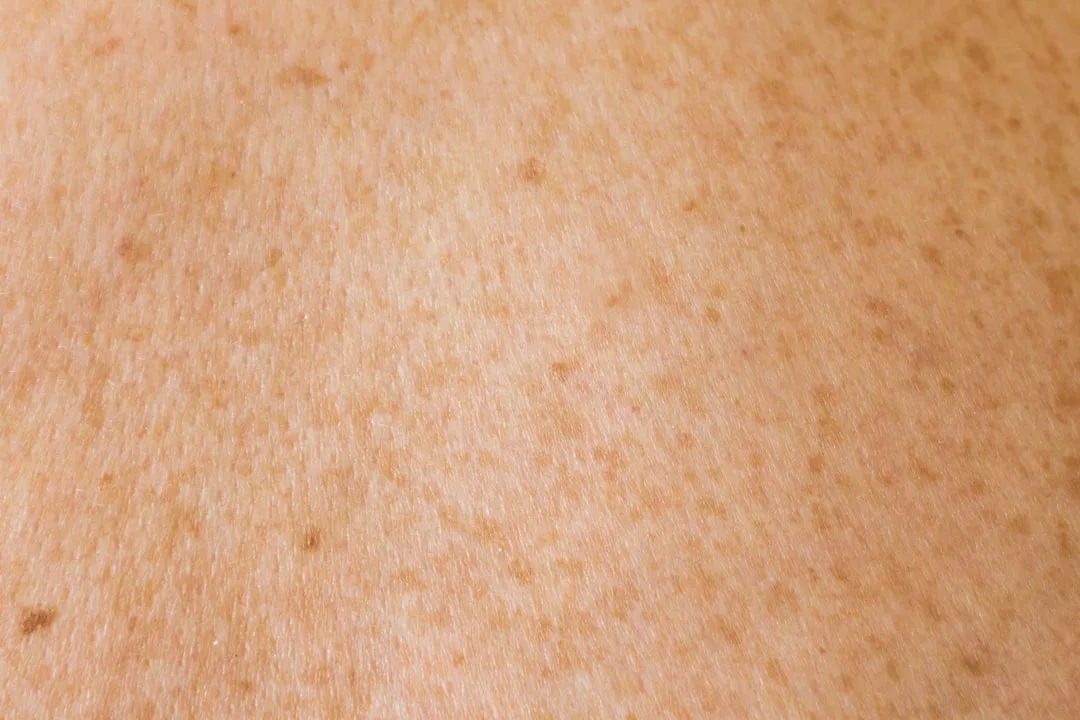
Microdermabrasion is a non-invasive cosmetic procedure designed to rejuvenate the skin by exfoliating the outermost layer. This treatment employs a specialized device that sprays fine crystals onto the skin’s surface, effectively sloughing off dead skin cells and promoting the growth of new, healthier skin. The process can also involve a diamond-tipped wand that gently abrades the skin, providing a more controlled and precise exfoliation.
Microdermabrasion is often sought for its ability to improve skin texture, tone, and overall appearance without the need for surgical intervention. The origins of microdermabrasion can be traced back to the 1980s in Italy, where it was first introduced as a method for treating various skin conditions. Over the years, it has gained popularity worldwide, becoming a staple in many dermatology and aesthetic clinics.
The procedure is particularly appealing due to its minimal downtime and immediate results, making it an attractive option for individuals seeking a quick refresh for their skin.
Key Takeaways
- Microdermabrasion is a non-invasive skin treatment that exfoliates and rejuvenates the skin.
- The benefits of microdermabrasion include improved skin texture, reduced appearance of fine lines and wrinkles, and minimized pores.
- Microdermabrasion works by using a handheld device to gently exfoliate the outer layer of the skin, promoting collagen production and cell turnover.
- Microdermabrasion is suitable for most skin types, but individuals with sensitive skin or certain skin conditions should consult a dermatologist first.
- During a microdermabrasion treatment, you can expect a mild tingling sensation and some redness, but there is no downtime and you can resume normal activities immediately.
The Benefits of Microdermabrasion for Your Skin
One of the primary benefits of microdermabrasion is its ability to enhance skin texture. By removing the outer layer of dead skin cells, the treatment reveals a smoother and more radiant complexion underneath. This can be particularly beneficial for individuals with rough or uneven skin, as it helps to promote a more uniform appearance.
Additionally, microdermabrasion can help reduce the visibility of fine lines and wrinkles, making it an effective anti-aging treatment. Another significant advantage of microdermabrasion is its role in improving skin tone. The procedure can help diminish the appearance of hyperpigmentation, sun damage, and age spots by encouraging cell turnover and promoting the growth of new skin.
Furthermore, microdermabrasion can assist in minimizing the appearance of enlarged pores and acne scars, providing a more refined look to the skin. Many patients report feeling more confident in their appearance following treatment, as their skin appears brighter and more youthful.
How Does Microdermabrasion Work?
Microdermabrasion works through a combination of mechanical exfoliation and vacuum suction. During the procedure, a trained professional uses a handheld device that either sprays fine aluminum oxide crystals or utilizes a diamond-tipped wand to gently abrade the skin’s surface. This process removes dead skin cells and stimulates the underlying layers of the dermis, promoting increased blood circulation and collagen production.
The vacuum suction component of the device plays a crucial role in enhancing the effectiveness of microdermabrasion. As dead skin cells are exfoliated, the suction helps to remove them from the skin’s surface, preventing them from settling back onto the newly exposed skin. This dual-action approach not only improves the immediate appearance of the skin but also encourages long-term benefits by stimulating cellular regeneration.
The entire procedure typically lasts between 30 to 60 minutes, depending on the area being treated and individual needs.
Is Microdermabrasion Suitable for All Skin Types?
Microdermabrasion is generally considered safe for most skin types, including oily, dry, and combination skin. However, individuals with certain skin conditions or sensitivities should approach this treatment with caution. For instance, those with active acne, rosacea, eczema, or psoriasis may experience irritation or exacerbation of their condition following microdermabrasion.
It is essential for potential candidates to consult with a qualified dermatologist or skincare professional to determine if this treatment is appropriate for their specific skin type and concerns. Moreover, individuals with darker skin tones may have unique considerations when it comes to microdermabrasion. While the treatment can be effective for all skin colors, there is a slightly higher risk of post-inflammatory hyperpigmentation in darker skin types if not performed correctly.
Therefore, it is crucial to seek out experienced practitioners who understand how to tailor the treatment to minimize risks while maximizing benefits.
What to Expect During a Microdermabrasion Treatment
During a microdermabrasion session, patients can expect a straightforward and relatively comfortable experience. Initially, the skincare professional will cleanse the face to remove any makeup or impurities. Once the skin is prepped, they will begin the exfoliation process using either crystals or a diamond-tipped wand.
Most patients describe the sensation as similar to light scratching or a gentle massage rather than painful. The duration of the treatment can vary based on individual needs and areas being addressed but typically lasts between 30 minutes to an hour. After exfoliation, a soothing serum or moisturizer may be applied to hydrate and calm the skin.
Patients often leave the clinic with an immediate glow and improved texture; however, some redness or sensitivity may occur post-treatment, which usually subsides within a few hours.
Aftercare Tips for Microdermabrasion
Post-treatment care is essential for maximizing the benefits of microdermabrasion and ensuring optimal healing. One of the most critical aftercare steps is to keep the skin well-hydrated. Using a gentle moisturizer can help soothe any temporary dryness or tightness that may occur after exfoliation.
Additionally, patients should avoid using harsh skincare products containing retinoids or alpha hydroxy acids for at least a few days following treatment to prevent irritation. Sun protection is another vital aspect of aftercare. The newly exposed skin is more susceptible to UV damage, so applying a broad-spectrum sunscreen with an SPF of at least 30 is crucial when going outdoors.
Patients should also avoid direct sun exposure for several days post-treatment and consider wearing hats or seeking shade when possible. Following these aftercare guidelines can significantly enhance results and promote healthy skin recovery.
Potential Side Effects of Microdermabrasion
While microdermabrasion is generally safe for most individuals, some potential side effects may arise following treatment. The most common side effect is temporary redness or sensitivity in the treated area, which typically resolves within a few hours. Some patients may also experience mild swelling or a slight burning sensation immediately after the procedure; however, these symptoms are usually short-lived.
In rare cases, individuals may experience more severe reactions such as bruising or changes in pigmentation, particularly if they have sensitive skin or underlying conditions. It is essential for patients to communicate openly with their skincare professional about any concerns or pre-existing conditions before undergoing treatment to minimize risks and ensure a safe experience.
How Often Should You Get Microdermabrasion?
The frequency of microdermabrasion treatments can vary based on individual skin concerns and goals. For most people seeking general maintenance and rejuvenation, treatments are typically recommended every four to six weeks. This interval allows sufficient time for the skin to heal and regenerate between sessions while still providing ongoing benefits.
For those with specific concerns such as acne scars or hyperpigmentation, more frequent treatments may be suggested initially, possibly every two to three weeks, until desired results are achieved. Afterward, transitioning to a maintenance schedule can help sustain improvements over time. Consulting with a skincare professional can provide personalized recommendations tailored to individual needs.
Comparing Microdermabrasion with Other Skin Treatments
Microdermabrasion stands out among various skincare treatments due to its non-invasive nature and minimal downtime. Unlike chemical peels or laser treatments that may require longer recovery periods and carry higher risks of side effects, microdermabrasion offers immediate results with little disruption to daily life. It is particularly appealing for individuals seeking quick fixes before special events or those who prefer less aggressive methods.
When compared to chemical peels, which utilize acids to exfoliate the skin chemically, microdermabrasion provides a gentler approach that may be better suited for sensitive skin types. However, chemical peels can penetrate deeper into the skin layers and may be more effective for specific concerns like severe acne or deep wrinkles. Ultimately, choosing between these treatments depends on individual goals, skin type, and tolerance levels.
DIY Microdermabrasion vs Professional Treatment
The rise of at-home skincare has led many individuals to explore DIY microdermabrasion options using over-the-counter products or devices marketed for home use. While these products can provide some level of exfoliation, they often lack the precision and effectiveness of professional treatments performed by trained practitioners. Home devices may not deliver consistent results and could potentially lead to over-exfoliation if not used correctly.
Professional microdermabrasion treatments offer several advantages over DIY methods, including access to advanced technology and expertise in tailoring treatments to individual needs. Licensed professionals can assess skin conditions accurately and adjust techniques accordingly to ensure safety and efficacy. For those seeking significant improvements in their skin’s appearance, investing in professional treatments is often more beneficial than relying solely on at-home alternatives.
Choosing the Right Professional for Your Microdermabrasion Treatment
Selecting a qualified professional for microdermabrasion is crucial for achieving optimal results while minimizing risks. When searching for a practitioner, consider their credentials and experience in performing microdermabrasion treatments specifically. Look for licensed dermatologists or licensed estheticians who have undergone specialized training in this procedure.
Reading reviews and testimonials from previous clients can provide valuable insights into their experiences with specific practitioners or clinics. Additionally, scheduling consultations with potential providers allows individuals to ask questions about their techniques, equipment used, and post-treatment care recommendations. A reputable professional will prioritize patient safety and comfort while providing personalized care tailored to individual needs.
In conclusion, microdermabrasion offers numerous benefits for those seeking smoother, brighter skin without invasive procedures. Understanding its workings, potential side effects, and aftercare requirements can empower individuals to make informed decisions about their skincare journeys while ensuring they receive safe and effective treatments tailored to their unique needs.
More in
More from Beauty
Beauty · 8 min
Unlocking Radiant Skin with Serum
In the realm of skincare, serums have emerged as a transformative product that can significantly enhance the health and appearance of the skin. Unlike…
Beauty · 9 min
Revitalize Your Skin with Toner: The Ultimate Guide
Toner has long been a staple in many skincare routines, yet its purpose often remains misunderstood. Traditionally, toners were formulated to remove r…
Beauty · 8 min
Shiny and Smooth: The Ultimate Lip Gloss Guide
Lip gloss has long been a staple in the beauty industry, celebrated for its ability to enhance the natural beauty of lips while providing a glossy fin…