Family · Family
Strengthening Bonds: Nurturing Relationships with Extended Family
Extended family relationships play a crucial role in shaping individual identities and fostering a sense of belonging. These connections often provide emotional support, cultural c…
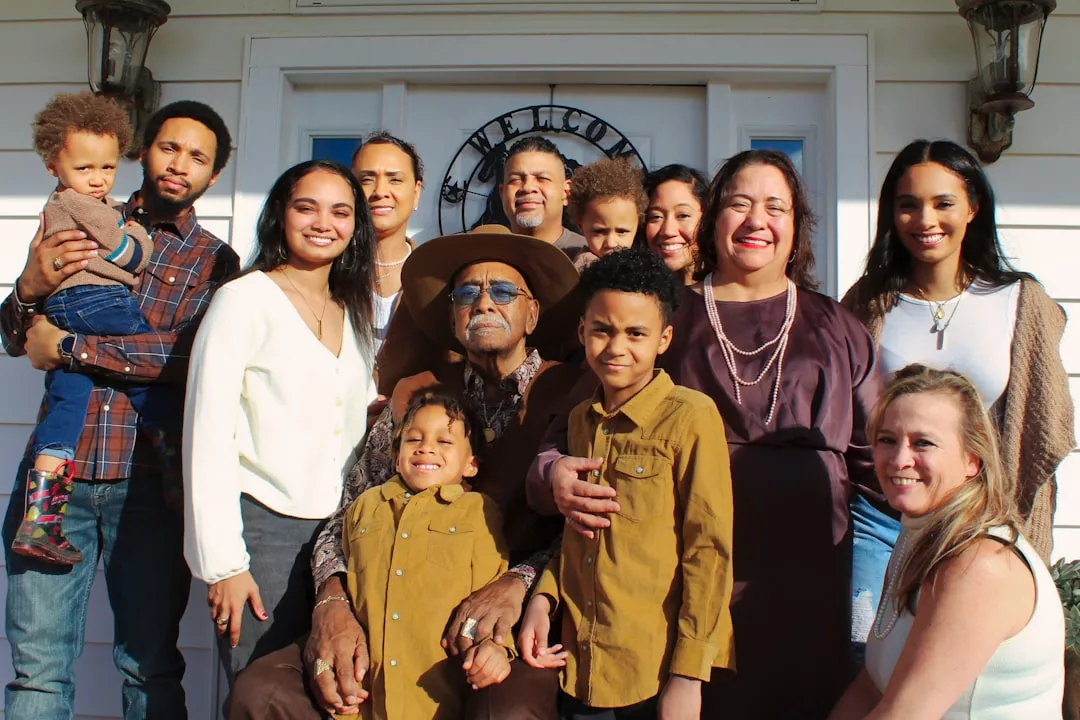
Extended family relationships play a crucial role in shaping individual identities and fostering a sense of belonging. Unlike immediate family, which typically consists of parents and siblings, extended family includes grandparents, aunts, uncles, cousins, and even close family friends.
This broader network can enrich one’s life by offering diverse perspectives and experiences that contribute to personal growth. For instance, children who grow up with strong ties to their extended family often develop a deeper understanding of their heritage and cultural practices, which can instill a sense of pride and identity. Moreover, extended family relationships can serve as a buffer against the stresses of modern life.
In times of crisis or uncertainty, having a supportive network can alleviate feelings of isolation and anxiety. For example, during significant life transitions such as moving to a new city or starting a new job, the encouragement and advice from extended family members can provide comfort and guidance. The emotional bonds formed within these relationships can also lead to increased resilience, as individuals feel more secure knowing they have a support system to rely on during challenging times.
Key Takeaways
- Extended family relationships provide a strong support system and sense of belonging
- Regular communication and connection helps to strengthen family bonds
- Planning and participating in family gatherings fosters a sense of unity and togetherness
- Sharing family history and traditions helps to preserve cultural heritage and identity
- Supporting each other in times of need creates a network of care and empathy
Communicating and Connecting Regularly
Regular communication is the cornerstone of maintaining strong extended family relationships. In today’s digital age, technology offers numerous platforms for staying connected, from social media to video calls. These tools can bridge geographical distances, allowing family members to share updates, celebrate achievements, and provide support regardless of physical location.
For instance, a family group chat can serve as a virtual gathering place where members share daily happenings, photos, and even jokes, fostering a sense of closeness despite being miles apart. However, it is essential to go beyond superficial interactions. Engaging in meaningful conversations can deepen connections and strengthen bonds.
Scheduling regular phone calls or video chats with extended family members can create opportunities for sharing life experiences and discussing personal challenges. For example, a weekly call with a grandparent can not only provide them with companionship but also allow younger generations to learn from their wisdom and life lessons. By prioritizing these interactions, families can cultivate an environment where open communication thrives, leading to stronger relationships over time.
Planning and Participating in Family Gatherings
Family gatherings are vital for nurturing extended family relationships. These events provide opportunities for members to reconnect, share stories, and create lasting memories together. Whether it’s a holiday celebration, a birthday party, or a simple picnic in the park, the act of coming together fosters a sense of unity and belonging.
Planning these gatherings requires effort and coordination but can yield significant rewards in terms of relationship building. In addition to traditional holidays, families can explore unique ways to gather that reflect their interests and values. For instance, organizing a family reunion at a favorite vacation spot or hosting themed gatherings based on shared hobbies can create excitement and anticipation among family members.
These events not only strengthen existing bonds but also allow newer generations to forge connections with relatives they may not see often. The laughter shared over a game night or the stories exchanged during a barbecue can become cherished memories that reinforce the importance of family ties.
Sharing Family History and Traditions
Sharing family history and traditions is an essential aspect of maintaining extended family relationships. These narratives not only provide context for individual identities but also create a sense of continuity across generations. By recounting stories about ancestors, cultural practices, and significant events, families can instill a sense of pride in their heritage.
For example, sharing tales about how grandparents immigrated to a new country or the traditions surrounding specific holidays can help younger generations appreciate their roots. Moreover, actively participating in family traditions reinforces connections among members. Whether it’s cooking traditional recipes during holidays or engaging in annual rituals like family game nights or storytelling sessions, these practices create shared experiences that bind families together.
As children grow up participating in these traditions, they are more likely to carry them forward into their own families, ensuring that the legacy continues. This transmission of culture not only strengthens familial bonds but also enriches the community by preserving diverse customs and practices.
Supporting Each Other in Times of Need
The ability to support one another during difficult times is one of the most significant benefits of having strong extended family relationships. Life is filled with challenges, be it health issues, financial struggles, or emotional crises, and having a reliable support system can make all the difference. Extended family members often step in to provide assistance in various forms, whether it’s offering practical help like babysitting or providing emotional support through listening and understanding.
For instance, during a health crisis such as an illness or surgery, extended family members may rally together to provide care or assistance with daily tasks. This collective effort not only alleviates stress for the individual in need but also reinforces the bonds among family members as they come together for a common purpose. Additionally, being there for one another during tough times fosters empathy and compassion within the family unit, creating an environment where individuals feel valued and understood.
Involving Extended Family in Major Life Events
Involving extended family in major life events is another way to strengthen relationships and create lasting memories. Significant milestones such as weddings, graduations, and births are often celebrated with immediate family; however, including extended family can enhance the experience and deepen connections. For example, inviting cousins to participate in wedding preparations or having grandparents share their wisdom during wedding vows can add layers of meaning to these occasions.
Moreover, involving extended family in life events allows for the sharing of diverse perspectives and experiences that enrich the celebration. During graduations, for instance, having relatives from different backgrounds share their insights on education and perseverance can inspire graduates as they embark on new journeys. These shared experiences not only create cherished memories but also reinforce the idea that family is an integral part of life’s significant moments.
Resolving Conflicts and Building Understanding
Conflicts are an inevitable part of any relationship, including those within extended families. However, how these conflicts are addressed can significantly impact the strength of familial bonds. Open communication is essential when navigating disagreements; addressing issues directly rather than allowing resentment to fester is crucial for maintaining healthy relationships.
For instance, if tensions arise during family gatherings due to differing opinions on sensitive topics like politics or parenting styles, creating an environment where everyone feels safe expressing their views can lead to constructive dialogue. Building understanding requires patience and empathy from all parties involved. Taking the time to listen actively to each other’s perspectives fosters an atmosphere of respect and consideration.
For example, if cousins disagree on how to celebrate a family tradition, discussing each person’s feelings about the tradition can lead to compromises that honor everyone’s sentiments. By working through conflicts together, families not only resolve issues but also strengthen their connections through shared understanding.
Creating and Maintaining Boundaries
While fostering close relationships with extended family is important, establishing boundaries is equally essential for maintaining healthy dynamics. Boundaries help define individual needs and expectations within familial relationships, ensuring that everyone feels respected and valued. For instance, some individuals may prefer limited contact due to personal circumstances or emotional needs; communicating these preferences openly can prevent misunderstandings and foster mutual respect.
Maintaining boundaries also involves recognizing when certain topics may be sensitive or triggering for specific family members. For example, discussions about finances or personal choices may lead to discomfort for some individuals; being mindful of these sensitivities allows families to navigate conversations more gracefully. By creating an environment where boundaries are respected, families can cultivate healthier relationships that prioritize individual well-being while still fostering connection.
Celebrating Milestones and Achievements Together
Celebrating milestones and achievements together is an integral part of nurturing extended family relationships. Acknowledging significant accomplishments, whether academic achievements, career advancements, or personal growth, reinforces the idea that family members are invested in each other’s success. For instance, hosting a celebratory dinner for a cousin who has just graduated from college not only honors their hard work but also strengthens familial bonds through shared joy.
These celebrations don’t have to be grand affairs; even small gestures like sending congratulatory messages or organizing virtual celebrations can make a significant impact. Recognizing achievements fosters an environment where individuals feel valued and supported by their extended family network. This encouragement can motivate individuals to pursue their goals with confidence, knowing they have a cheering squad behind them.
Showing Appreciation and Gratitude
Expressing appreciation and gratitude within extended family relationships is vital for nurturing positive connections. Simple gestures such as sending thank-you notes after gatherings or verbally acknowledging someone’s efforts can go a long way in reinforcing bonds. For example, if an aunt hosts a holiday dinner, taking the time to express gratitude for her hospitality not only makes her feel valued but also encourages her to continue fostering familial connections.
Moreover, showing appreciation can extend beyond individual acts; recognizing the collective efforts of extended family members during challenging times or significant events fosters a sense of unity. Acknowledging how everyone contributed during a family reunion or how relatives supported one another during difficult periods reinforces the idea that each member plays an essential role in the family dynamic.
Passing on Values and Lessons to the Next Generation
One of the most meaningful aspects of extended family relationships is the opportunity to pass on values and lessons to the next generation. Elders within the family often serve as custodians of wisdom, sharing insights gained from their life experiences with younger members. This transmission of knowledge not only enriches the lives of children but also strengthens familial ties by creating shared narratives that connect generations.
For instance, grandparents may share stories about resilience during tough times or impart lessons about kindness and empathy through anecdotes from their own lives. Engaging younger generations in discussions about values such as respect for others or the importance of hard work helps instill these principles early on. By actively involving children in conversations about family history and values, families ensure that these lessons endure over time, creating a legacy that transcends generations while reinforcing the importance of familial bonds.
More in
More from Family

Family · 9 min
Navigating Adolescence: Tips for Parents and Teens
Adolescence is a critical period of growth and transformation, marked by significant physical, emotional, and cognitive changes. This stage typically …

Family · 8 min
Breaking the Cycle: Confronting Domestic Violence
Domestic violence is a pervasive issue that transcends cultural, economic, and social boundaries. It encompasses a range of abusive behaviors that occ…

Family · 9 min
The Importance of Child Support for Single Parents
Single parenthood often brings with it a unique set of financial challenges that can significantly affect the quality of life for both the parent and …