Mallorca · Mallorca
Sunset Flamenco and Tapas in Palma’s Barrio Gótico
Palma’s Barrio Gótico, or Gothic Quarter, is a captivating labyrinth of narrow streets, ancient architecture, and vibrant culture that transports visitors back in time. Nestl…
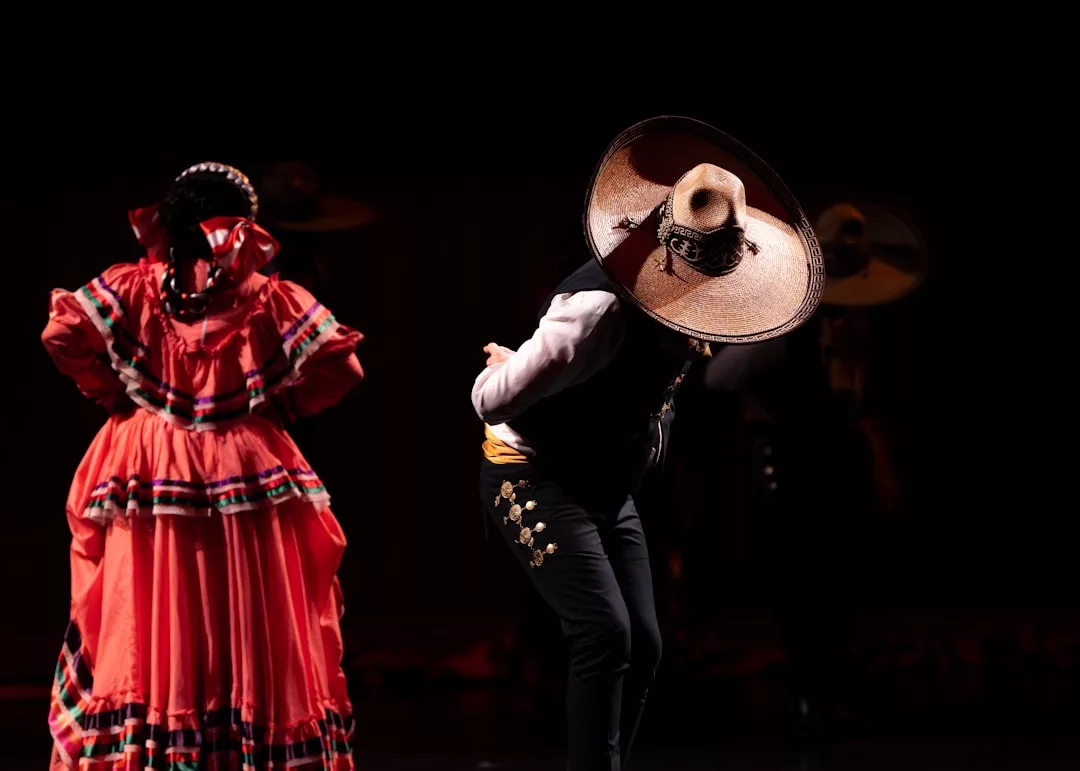
Palma’s Barrio Gótico, or Gothic Quarter, is a captivating labyrinth of narrow streets, ancient architecture, and vibrant culture that transports visitors back in time. Nestled in the heart of Palma, the capital of Mallorca, this historic district is characterized by its medieval buildings, charming plazas, and a rich tapestry of history that dates back to the Roman era. As one wanders through its cobblestone alleys, the echoes of centuries past resonate in the air, creating an enchanting atmosphere that invites exploration.
The Gothic Quarter is not just a visual feast; it is a living testament to the island’s diverse cultural heritage, where influences from various epochs converge to create a unique identity. The architectural highlights of the Barrio Gótico are numerous, with the majestic Palma Cathedral, known as La Seu, standing as a focal point. This stunning example of Gothic architecture boasts intricate facades and breathtaking stained glass windows that capture the sunlight in a kaleidoscope of colors.
Surrounding the cathedral are quaint shops, art galleries, and cafes that contribute to the vibrant ambiance of the area. The juxtaposition of historical landmarks with contemporary life creates a dynamic environment where tradition and modernity coexist harmoniously. As visitors delve deeper into the Barrio Gótico, they will discover hidden gems such as the ancient Arab baths and the charming Plaça de Cort, each telling its own story and adding to the allure of this remarkable district.
Key Takeaways
- Palma’s Barrio Gótico is a historic and charming neighborhood with a rich cultural heritage.
- Sunset Flamenco in Palma offers a unique and enchanting experience, combining music, dance, and the beauty of the setting sun.
- The history of Flamenco in Palma is deeply rooted in the city’s cultural identity, with influences from various cultures and traditions.
- Flamenco holds great cultural significance, representing the emotions, struggles, and triumphs of the Spanish people.
- Exploring tapas in Palma’s Barrio Gótico allows visitors to savor the local flavors and culinary traditions of the region.
The Charm of Sunset Flamenco
As the sun begins to dip below the horizon, casting a warm golden glow over Palma’s skyline, the charm of sunset flamenco comes alive. This traditional Spanish art form, characterized by its passionate dance and emotive music, offers an unforgettable experience that captivates both locals and tourists alike. The combination of rhythmic footwork, intricate hand movements, and expressive facial gestures creates a mesmerizing performance that tells stories of love, loss, and longing.
In the backdrop of the Gothic Quarter, where history and culture intertwine, sunset flamenco takes on an added layer of magic. The ambiance during sunset flamenco is particularly enchanting. The fading light enhances the colors of the dancers’ costumes, often adorned with vibrant reds and blacks that symbolize the fiery spirit of flamenco.
As the music begins to play: typically featuring guitarists strumming intricate melodies accompanied by clapping hands and soulful singing, the atmosphere becomes electric. The audience is drawn into the performance, feeling every note resonate within their hearts. This immersive experience is not just about watching; it’s about feeling the rhythm and connecting with the performers on an emotional level.
Sunset flamenco in Palma is more than just a show; it’s a celebration of life and culture that leaves an indelible mark on all who witness it.
The History of Flamenco in Palma
Flamenco’s roots can be traced back to the Andalusian region of Spain, where it emerged as a fusion of various cultural influences, including Gypsy, Moorish, and Jewish traditions. Over time, this expressive art form spread throughout Spain, finding its way to Mallorca and becoming an integral part of the island’s cultural landscape. In Palma, flamenco has evolved while retaining its traditional essence, reflecting the island’s unique identity and history.
The arrival of flamenco in Palma can be linked to the migration of Andalusian artists who brought their music and dance to the Balearic Islands in the late 19th century. As flamenco gained popularity in Palma, it began to intertwine with local customs and traditions. The island’s vibrant music scene embraced flamenco, leading to the establishment of numerous venues where artists could showcase their talents.
Over the decades, Palma has become a hub for flamenco enthusiasts, with local schools and academies dedicated to preserving this art form. The influence of flamenco can be seen in various aspects of Mallorcan culture, from festivals celebrating traditional music to contemporary interpretations that blend flamenco with other genres. This rich history has solidified flamenco’s place in Palma’s cultural identity, making it a vital part of the city’s artistic expression.
The Cultural Significance of Flamenco
Flamenco is more than just a dance; it is a profound expression of cultural identity and emotional depth. Rooted in centuries-old traditions, flamenco serves as a medium through which artists convey their innermost feelings and experiences. The art form encapsulates themes of passion, sorrow, joy, and resilience, emotions that resonate deeply with audiences across generations.
In Palma’s Barrio Gótico, flamenco acts as a bridge connecting people from diverse backgrounds, fostering a sense of community through shared experiences. The cultural significance of flamenco extends beyond its aesthetic appeal; it is also recognized as an important aspect of Spain’s intangible cultural heritage. In 2010, UNESCO declared flamenco a Masterpiece of the Oral and Intangible Heritage of Humanity, acknowledging its role in preserving cultural diversity and promoting artistic expression.
This recognition has further elevated flamenco’s status both nationally and internationally, encouraging artists to innovate while honoring traditional practices. In Palma, this cultural significance is palpable during performances where audiences are not merely spectators but participants in a collective celebration of life and heritage.
Exploring Tapas in Palma’s Barrio Gótico
No visit to Palma’s Barrio Gótico would be complete without indulging in its culinary delights, particularly its renowned tapas. These small plates offer a tantalizing glimpse into Spanish cuisine, showcasing a variety of flavors and ingredients that reflect the region’s agricultural bounty. From savory chorizo and marinated olives to fresh seafood and vibrant vegetable dishes, tapas are designed for sharing and enjoying in a communal setting.
This culinary tradition encourages social interaction and fosters connections among diners as they sample different dishes together. The charm of tapas lies not only in their diverse flavors but also in their presentation. Many tapas are beautifully arranged on colorful plates or served in rustic earthenware dishes that enhance their visual appeal.
In Palma’s Gothic Quarter, tapas bars often feature local specialties that highlight Mallorcan ingredients such as sobrasada (a cured sausage) and ensaimada (a sweet pastry). As visitors explore these culinary offerings, they are invited to embark on a gastronomic journey that reflects both tradition and innovation. The experience is further enriched by pairing these delectable bites with local wines or refreshing sangria, creating a perfect harmony between food and drink.
The Best Places to Enjoy Sunset Flamenco and Tapas
For those seeking an authentic experience of sunset flamenco paired with delicious tapas in Palma’s Barrio Gótico, several venues stand out as must-visit destinations. One such place is “Tablao de Carmen,” renowned for its intimate setting and exceptional performances by talented flamenco artists. Here, guests can enjoy a sumptuous dinner featuring an array of tapas while being mesmerized by captivating dance routines that showcase the passion and skill inherent in flamenco.
Another popular venue is “El Palacio del Flamenco,” which offers an immersive experience combining traditional flamenco shows with exquisite culinary offerings. Guests can savor dishes like patatas bravas or grilled octopus while watching skilled dancers perform under the soft glow of evening lights.
These venues not only provide an opportunity to witness flamenco but also create an atmosphere where food and culture intertwine seamlessly.
How to Experience a Traditional Flamenco Show
Experiencing a traditional flamenco show in Palma requires more than just purchasing a ticket; it involves immersing oneself in the culture and understanding the nuances that make this art form so special. To truly appreciate flamenco, one should arrive early to soak in the atmosphere and engage with fellow attendees who share a passion for this vibrant tradition. Many venues offer pre-show activities such as workshops or discussions about flamenco’s history and significance, providing valuable context for what lies ahead.
During the performance itself, it is essential to embrace the spirit of flamenco by being an active participant rather than a passive observer. Applauding at appropriate moments, such as after particularly impressive footwork or emotional singing, adds to the energy of the performance and encourages artists to give their best. Additionally, maintaining an open mind allows one to connect with the emotions conveyed through dance and music on a deeper level.
By fully engaging with the experience, attendees can leave with lasting memories that resonate long after the final note has been played.
The Influence of Spanish Guitar in Flamenco
The Spanish guitar plays a pivotal role in flamenco music, serving as both an accompaniment for dancers and a solo instrument that showcases intricate melodies and rhythms. Its unique sound, characterized by sharp strumming techniques known as “rasgueado” and delicate fingerpicking called “picking”, creates an evocative backdrop for flamenco performances. The guitarists’ skillful manipulation of strings allows them to convey emotions ranging from joy to melancholy, enhancing the overall impact of each performance.
In Palma’s flamenco scene, talented guitarists often collaborate with dancers and singers to create dynamic performances that highlight their individual artistry while contributing to a cohesive whole. The interplay between guitarists and dancers is particularly captivating; as dancers express their movements through footwork and body language, guitarists respond with improvisational flourishes that elevate the performance to new heights. This synergy exemplifies how integral the guitar is to flamenco, a true embodiment of passion that resonates deeply within both performers and audiences alike.
Pairing Tapas with Local Wines
Pairing tapas with local wines is an essential aspect of enjoying culinary experiences in Palma’s Barrio Gótico. Mallorca boasts a burgeoning wine industry known for producing high-quality wines that complement its diverse cuisine beautifully. Local grape varieties such as Manto Negro and Callet yield red wines with rich flavors that pair well with hearty tapas like grilled meats or rich cheeses.
Meanwhile, white wines made from indigenous grapes like Prensal Blanc offer crisp acidity that enhances lighter dishes such as seafood or vegetable-based tapas. Wine bars throughout Palma often feature curated selections highlighting local vineyards alongside traditional tapas offerings. Knowledgeable staff can guide diners through tasting experiences that showcase how specific wines enhance particular flavors in dishes, creating harmonious pairings that elevate both food and drink alike.
This exploration not only enriches one’s palate but also deepens appreciation for Mallorca’s culinary heritage, a delightful journey through taste that embodies the spirit of sharing inherent in tapas culture.
Tips for Enjoying Sunset Flamenco and Tapas in Palma
To make the most out of your sunset flamenco experience paired with tapas in Palma’s Barrio Gótico, consider several practical tips that can enhance your evening. First and foremost, booking reservations at popular venues is advisable due to high demand during peak tourist seasons; this ensures you secure your spot for both dinner and performance without any last-minute hassles. Arriving early allows you time to explore your surroundings before settling down for dinner or showtime, take advantage of this opportunity by wandering through nearby streets filled with shops selling artisanal crafts or local delicacies!
Additionally, engaging with locals can provide insights into hidden gems worth visiting beyond mainstream attractions; they may recommend lesser-known tapas bars or intimate venues showcasing emerging flamenco talent. Lastly, don’t hesitate to ask your server for recommendations on wine pairings! They possess valuable knowledge about which local wines complement specific dishes best, enhancing your overall dining experience while allowing you to discover new flavors unique to Mallorca’s culinary landscape.
Embracing the Magic of Palma’s Barrio Gótico
Palma’s Barrio Gótico offers an unparalleled blend of history, culture, gastronomy, and artistry that captivates all who visit this enchanting district. From exploring its medieval streets steeped in history to experiencing passionate sunset flamenco performances accompanied by delectable tapas, every moment spent here is infused with magic. The vibrant atmosphere created by locals sharing their traditions fosters connections among visitors from around the world while celebrating Mallorca’s rich heritage.
As you immerse yourself in this captivating experience, whether through dance or cuisine, you become part of something larger than yourself: A celebration not only honoring centuries-old traditions but also embracing contemporary interpretations that keep these art forms alive today! In doing so, you’ll find yourself enchanted by Palma’s Barrio Gótico, a place where every corner reveals new stories waiting to be discovered!
More in
More from Mallorca
Mallorca · 8 min
Premium Real Estate Advisory for Palma Property Purchases
In the complex world of real estate, having a knowledgeable advisor can make a significant difference in the buying or selling process. Real estate ad…
Mallorca · 7 min
Discover the Hiking Pilgrimage to Lluc Monastery
The significance of Lluc Monastery extends beyond its religious importance; it has played a crucial role in preserving Mallorcan culture and tradition…
Mallorca · 8 min
Exclusive Sunset Visits to Caves Del Hams in Porto Cristo
Nestled on the eastern coast of Mallorca, the Caves Del Hams are a breathtaking natural wonder that draws visitors from around the globe. Located near…