Travel · Travel
Surviving a Long-Haul Flight: Tips for a Comfortable Journey
The journey begins long before you step onto the airplane. Preparing for your flight involves a series of steps that can significantly enhance your travel experience. First and for…
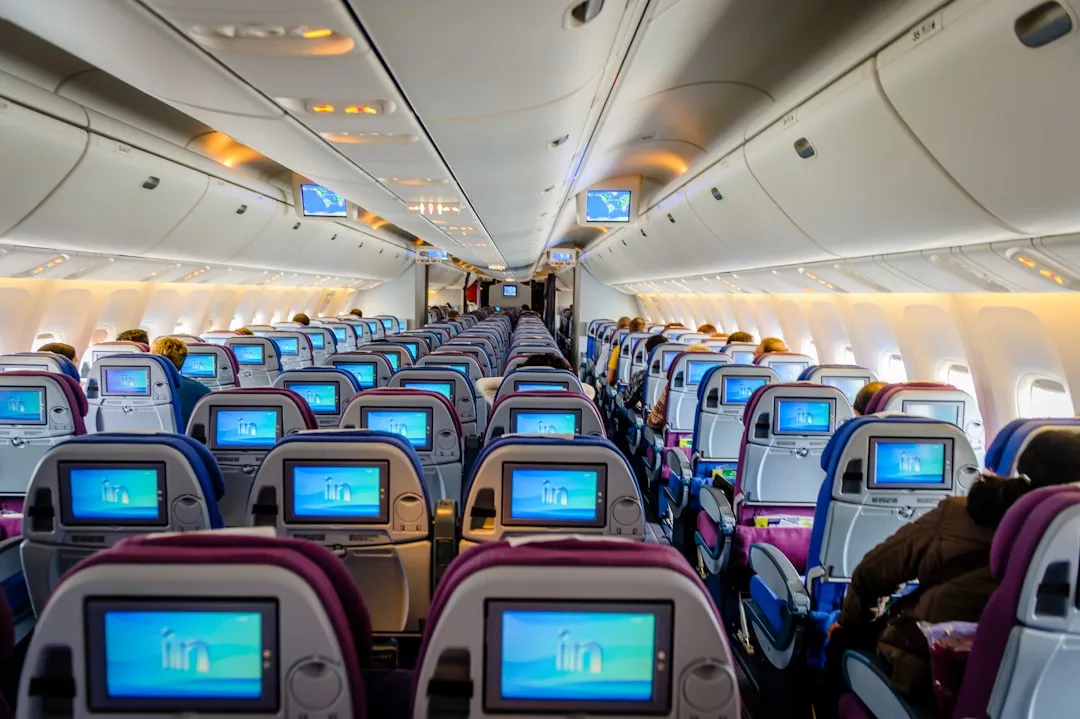
The journey begins long before you step onto the airplane. Preparing for your flight involves a series of steps that can significantly enhance your travel experience. First and foremost, it is essential to check your flight status and any travel advisories that may affect your journey.
This includes understanding the airport layout, security protocols, and potential delays. Familiarizing yourself with the airport can save you time and reduce stress on the day of travel. Additionally, ensure that all necessary travel documents, such as your passport, visa, and boarding pass, are readily accessible.
Having these documents organized in a travel wallet can streamline the check-in process and help you avoid last-minute scrambles. Another critical aspect of preparation is understanding the baggage policies of your airline. Each airline has specific rules regarding the size, weight, and number of bags you can bring on board.
Knowing these details in advance can prevent unexpected fees and complications at the airport. It’s also wise to arrive at the airport early, allowing ample time for check-in, security screening, and any unforeseen delays. This extra time can be particularly beneficial if you are traveling during peak hours when airports tend to be crowded.
By planning ahead and being well-informed, you can set a positive tone for your entire travel experience.
Key Takeaways
- Check-in online and arrive at the airport early to avoid stress and long lines
- Pack a travel pillow, earplugs, and eye mask for a more comfortable flight
- Wear loose, breathable clothing and slip-on shoes for easy security checks
- Drink plenty of water and avoid alcohol and caffeine to stay hydrated
- Get up and stretch regularly to prevent stiffness and improve circulation during the flight
Packing the Right Essentials
Creating a Packing List
Start by creating a packing list tailored to your destination and the duration of your trip. This list should include not only clothing but also essential items such as toiletries, medications, and electronic devices. Consider the climate of your destination; for instance, if you’re heading to a tropical location, lightweight clothing and sun protection should be prioritized.Packing Techniques
When it comes to packing techniques, rolling clothes instead of folding them can save space and reduce wrinkles. Utilize packing cubes or compression bags to organize your belongings efficiently. These tools not only maximize space but also make it easier to find specific items without rummaging through your entire suitcase.Don’t Forget Your Carry-On
Additionally, don’t forget to pack a small carry-on bag with essentials like snacks, a water bottle, and entertainment options. This bag will be invaluable during long flights or layovers, ensuring that you have everything you need within easy reach.Dressing for Comfort
Choosing the right outfit for air travel is crucial for ensuring comfort throughout your journey. Airplane cabins can vary significantly in temperature, so layering is often the best approach. Start with a breathable base layer made from materials like cotton or moisture-wicking fabric.
This will help regulate your body temperature while providing comfort during long hours of sitting. Over this base layer, consider adding a lightweight sweater or cardigan that can easily be removed if the cabin becomes too warm. Footwear is another important consideration when dressing for a flight.
Opt for shoes that are easy to slip on and off, as you may need to remove them during security checks. Sneakers or comfortable flats are excellent choices that provide support while allowing for easy movement through the airport. Additionally, wearing compression socks can improve circulation during long flights, reducing the risk of swelling and discomfort in your legs.
By prioritizing comfort in your clothing choices, you can arrive at your destination feeling refreshed rather than fatigued.
Staying Hydrated
Hydration is often overlooked during air travel, yet it plays a vital role in maintaining overall well-being while flying. The low humidity levels in airplane cabins can lead to dehydration, which may cause fatigue, headaches, and dry skin. To combat this, it’s essential to drink plenty of water before and during your flight.
Many airlines now allow passengers to bring their own water bottles through security, so consider investing in a reusable bottle that you can fill up after passing through checkpoints. In addition to water, be mindful of what you consume during the flight. While it may be tempting to indulge in caffeinated beverages or alcohol, these can exacerbate dehydration.
Instead, opt for herbal teas or electrolyte-rich drinks that can help replenish lost fluids without adding to dehydration concerns. If you’re unsure about how much water to drink, a good rule of thumb is to consume at least eight ounces of water for every hour spent in the air. Staying hydrated not only enhances comfort but also helps maintain energy levels throughout your journey.
Moving and Stretching
Sitting for extended periods can lead to stiffness and discomfort, making it essential to incorporate movement into your travel routine. During long flights, take advantage of opportunities to stand up and stretch whenever possible. Simple exercises like ankle circles or shoulder rolls can help alleviate tension and improve circulation.
If you’re on a long-haul flight, consider setting a timer on your phone as a reminder to get up every hour or so. In addition to stretching in your seat, walking up and down the aisle can provide significant relief from stiffness. This not only helps keep your blood flowing but also gives you a chance to interact with fellow passengers or grab a snack from the galley if available.
Some airlines even offer guided stretching routines or yoga sessions during long flights, which can be an excellent way to engage in physical activity while in the air. By prioritizing movement and stretching throughout your flight, you can arrive at your destination feeling more energized and less fatigued.
Choosing the Right Seat
Selecting the right seat on an airplane can greatly influence your comfort level during the flight. When booking your ticket, take the time to review the seating chart for your aircraft type. If you prefer extra legroom, consider opting for an exit row or bulkhead seat; however, be aware that these seats may come with certain restrictions regarding movement during takeoff and landing.
Conversely, if you value proximity to the restroom or galley, seats located near these areas may be more suitable. Another factor to consider is whether you prefer a window or aisle seat. A window seat offers a view and a place to rest your head during sleep but may limit your ability to move around freely.
An aisle seat provides easier access to the restroom and allows for more movement but may come with disturbances from fellow passengers or crew members passing by. Ultimately, choosing the right seat involves weighing personal preferences against practical considerations to ensure a more enjoyable flying experience.
Entertainment Options
Long flights can sometimes feel tedious without adequate entertainment options at hand. To make the most of your time in the air, consider downloading movies, TV shows, podcasts, or audiobooks onto your devices before departure. Many airlines now offer in-flight entertainment systems with a selection of movies and shows; however, relying solely on these options may not always be wise due to potential technical issues or limited selections.
In addition to digital entertainment, bringing along a good book or magazine can provide an engaging distraction during the flight. If you’re traveling with family or friends, consider packing card games or travel-sized board games that can be played in your seats. Engaging in conversation with fellow travelers can also be an enjoyable way to pass the time while making new connections along the way.
By preparing various entertainment options ahead of time, you can ensure that boredom doesn’t detract from your travel experience.
Managing Jet Lag
Jet lag is a common issue faced by travelers crossing multiple time zones, leading to fatigue and disorientation upon arrival at their destination. To mitigate its effects, it’s advisable to gradually adjust your sleep schedule before departure by shifting bedtime closer to that of your destination’s time zone. This gradual adjustment allows your body clock to adapt more smoothly once you arrive.
Once on board the flight, try to align your activities with the new time zone by eating meals and sleeping according to local time rather than sticking to your original schedule. Staying hydrated throughout the flight also plays a crucial role in combating jet lag; dehydration can exacerbate feelings of fatigue and disorientation upon arrival. Upon landing, spend some time outdoors in natural light if possible; exposure to sunlight helps reset your internal clock and signals to your body that it’s time to be awake and alert.
Eating and Drinking Wisely
The food choices available during air travel can significantly impact how you feel upon arrival at your destination. While airplane meals have improved over the years, they may still not align with your dietary preferences or needs. If you have specific dietary restrictions or simply prefer healthier options, consider packing snacks such as nuts, granola bars, or dried fruit that are easy to carry and consume on board. By making mindful choices about what you eat and drink during your flight, you can enhance both comfort and overall well-being.
Dealing with Discomfort
Despite careful planning and preparation, discomfort during flights is sometimes unavoidable due to cramped seating conditions or prolonged periods of inactivity. To address this discomfort proactively, consider bringing along items such as neck pillows or lumbar support cushions that provide additional comfort while seated. Noise-canceling headphones can also help create a more peaceful environment by blocking out ambient noise from fellow passengers or cabin announcements.
If discomfort arises during the flight, whether it’s back pain from sitting too long or headaches from dehydration, don’t hesitate to address it immediately. Simple stretches or adjusting your seating position can alleviate tension in tight muscles. Over-the-counter pain relievers may also be beneficial if taken as needed; however, always consult with a healthcare professional before taking any medication while traveling.
Arriving and Settling In
Upon arrival at your destination, taking time to settle in properly can set the tone for the rest of your trip. After disembarking from the plane, allow yourself a moment to gather belongings and mentally prepare for navigating through customs and baggage claim processes. If you’re traveling internationally, ensure that all necessary documentation is readily accessible for customs officials.
Once you’ve collected your luggage and cleared customs, take a moment to familiarize yourself with local transportation options available at the airport, whether it’s taxis, shuttles, or public transit systems, before heading out into unfamiliar surroundings. If possible, try not to rush into activities immediately after arriving; instead, allow yourself some downtime at your accommodation to rest and recharge before diving into exploration mode. By taking these initial steps upon arrival seriously, you’ll set yourself up for a more enjoyable experience as you embark on new adventures in an unfamiliar place.
More in
More from Travel

Travel · 9 min
Exploring the Ultimate Culinary Experience
The ultimate culinary experience transcends mere sustenance; it is an intricate tapestry woven from flavors, aromas, textures, and visual appeal. This…
Travel · 11 min
Exploring the Best of Paris: A 3-Day Itinerary
The first day in Paris is often a whirlwind of excitement and discovery, as travelers set out to explore the city’s most iconic landmarks. Starting at…

Travel · 8 min
Mastering the Art of Skiing: Tips for Perfecting Your Technique
Selecting the appropriate skiing equipment is a fundamental step for both beginners and seasoned skiers alike. The right gear not only enhances perfor…