Family · Family
The Impact of Education on Society
Education serves as a cornerstone for the development and progress of any society. It is not merely a means to acquire knowledge; rather, it is a transformative process that shapes…
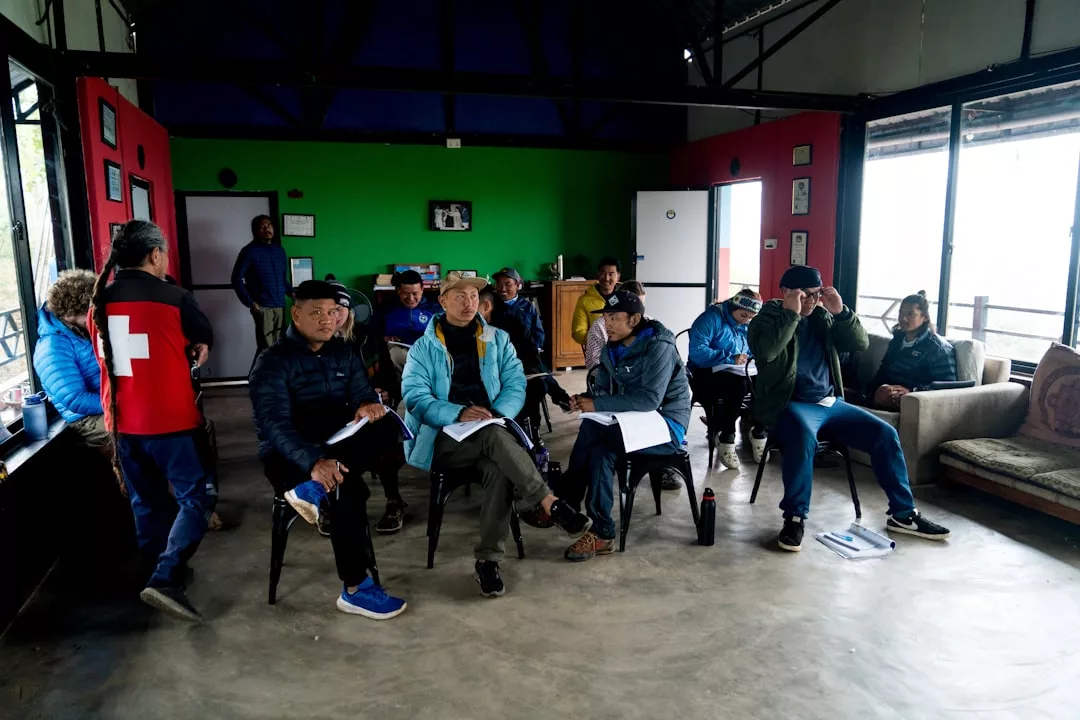
Education serves as a cornerstone for the development and progress of any society. It is not merely a means to acquire knowledge; rather, it is a transformative process that shapes individuals and, by extension, communities and nations. The impact of education extends far beyond the classroom, influencing various facets of life, including economic stability, social cohesion, political engagement, cultural identity, environmental awareness, technological advancement, health outcomes, and global interconnectedness.
As societies evolve, the role of education becomes increasingly critical in addressing contemporary challenges and fostering sustainable development. The multifaceted nature of education’s impact can be observed in both developed and developing nations. In many cases, education acts as a great equalizer, providing individuals with the tools necessary to improve their circumstances and contribute meaningfully to society.
The ripple effects of educational attainment can be profound, leading to enhanced quality of life, reduced poverty rates, and increased civic participation. As we delve into the various dimensions of education’s influence on society, it becomes evident that investing in education is not just a personal benefit but a societal imperative.
Key Takeaways
- Education has a significant impact on society, influencing various aspects such as economics, politics, culture, and health.
- Economically, education leads to higher earning potential and economic growth for individuals and the society as a whole.
- Socially, education promotes social mobility, reduces inequality, and fosters a more cohesive and inclusive society.
- Politically, education empowers individuals to participate in democratic processes and make informed decisions.
- Culturally, education promotes diversity, tolerance, and understanding, contributing to a more enriched and interconnected society.
The Economic Impact of Education on Society
The economic implications of education are vast and well-documented. A well-educated workforce is essential for driving innovation, productivity, and economic growth. Studies consistently show that higher levels of education correlate with increased earning potential.
For instance, individuals with a bachelor’s degree earn significantly more over their lifetimes compared to those with only a high school diploma. This disparity underscores the importance of education in enhancing individual economic prospects and contributing to national wealth. Moreover, education fosters entrepreneurship and job creation.
Educated individuals are more likely to start their own businesses, which can lead to job opportunities for others and stimulate local economies. For example, Silicon Valley’s tech boom can be attributed in part to the high concentration of educated individuals who have the skills necessary to innovate and create new technologies. Additionally, countries that prioritize education often experience lower unemployment rates and greater economic resilience during downturns.
The link between education and economic stability is clear; investing in education is tantamount to investing in a nation’s future prosperity.
The Social Impact of Education on Society
Education plays a pivotal role in shaping social structures and fostering community cohesion. It serves as a vehicle for social mobility, allowing individuals from diverse backgrounds to improve their circumstances and break the cycle of poverty. Access to quality education can empower marginalized groups, promoting inclusivity and reducing social inequalities.
For instance, initiatives aimed at increasing educational access for girls in developing countries have shown significant improvements in family income levels and community health outcomes. Furthermore, education cultivates critical thinking and civic responsibility among individuals. An educated populace is more likely to engage in community service, volunteerism, and political participation.
This engagement is crucial for the functioning of democracy, as informed citizens are better equipped to make decisions that affect their lives and communities. Educational institutions often serve as hubs for social interaction, fostering relationships across different demographics and promoting understanding among diverse groups. The social fabric of society is strengthened through these interactions, leading to more cohesive communities.
The Political Impact of Education on Society
The relationship between education and political engagement is profound. Higher levels of education are associated with increased voter turnout and civic involvement.
For example, research indicates that college-educated individuals are more likely to vote in elections compared to those with lower educational attainment. This trend highlights the role of education in fostering informed citizens who can advocate for their rights and influence policy decisions.
Individuals who have received a quality education are better able to analyze information critically, discern fact from misinformation, and engage in constructive dialogue about pressing societal issues. This capacity for critical engagement is vital in an era characterized by rapid information dissemination and polarized political discourse. By nurturing informed citizens who can contribute thoughtfully to political discussions, education strengthens democratic institutions and processes.
The Cultural Impact of Education on Society
Education serves as a conduit for cultural transmission and preservation. Through educational curricula, societies pass down their values, traditions, and histories to future generations. This cultural continuity is essential for maintaining a sense of identity and belonging within communities.
For instance, language instruction in schools not only teaches communication skills but also fosters an appreciation for cultural heritage among students. Additionally, education encourages cultural exchange and understanding in an increasingly globalized world. Exposure to diverse perspectives within educational settings promotes tolerance and empathy among students from different backgrounds.
Programs that emphasize multicultural education help students appreciate the richness of various cultures while also preparing them to navigate an interconnected world. This cultural awareness is crucial for fostering peaceful coexistence and collaboration among diverse populations.
The Environmental Impact of Education on Society
Education plays a critical role in shaping environmental awareness and promoting sustainable practices within society. As global challenges such as climate change become more pressing, educational initiatives focused on environmental science and sustainability are essential for equipping individuals with the knowledge needed to address these issues effectively. Schools that incorporate environmental education into their curricula help students understand the importance of conservation, resource management, and ecological balance.
Moreover, educated individuals are more likely to engage in environmentally responsible behaviors. Research has shown that higher levels of education correlate with increased participation in recycling programs, energy conservation efforts, and advocacy for sustainable policies. For example, communities with higher educational attainment often implement more effective environmental policies due to the active involvement of informed citizens who understand the implications of environmental degradation.
By fostering a culture of environmental stewardship through education, societies can work towards a more sustainable future.
The Technological Impact of Education on Society
In today’s digital age, education is intricately linked to technological advancement. The integration of technology into educational settings has transformed how knowledge is disseminated and acquired. Online learning platforms, educational apps, and digital resources have made education more accessible than ever before.
This democratization of knowledge allows individuals from various backgrounds to pursue learning opportunities that were previously out of reach. Furthermore, education equips individuals with the skills necessary to thrive in a technology-driven economy. As industries increasingly rely on technology for innovation and efficiency, educational institutions must adapt their curricula to prepare students for the demands of the modern workforce.
Programs focused on STEM (science, technology, engineering, and mathematics) are particularly vital in cultivating a skilled workforce capable of driving technological progress. By prioritizing technological literacy within education systems, societies can ensure that they remain competitive in an ever-evolving global landscape.
The Health Impact of Education on Society
The relationship between education and health outcomes is well-established; higher levels of education are associated with improved health indicators across populations. Educated individuals tend to make healthier lifestyle choices, have better access to healthcare services, and experience lower rates of chronic diseases. For instance, studies have shown that individuals with higher educational attainment are more likely to engage in regular physical activity and maintain a balanced diet.
Moreover, education plays a crucial role in public health awareness and disease prevention efforts. Health education programs within schools can equip students with essential knowledge about nutrition, mental health, sexual health, and substance abuse prevention. By fostering health literacy from an early age, educational institutions can empower individuals to make informed decisions about their well-being throughout their lives.
This proactive approach not only benefits individual health but also contributes to healthier communities overall.
The Global Impact of Education on Society
Education transcends national borders; its impact is felt globally as societies become increasingly interconnected through globalization. International educational initiatives promote cross-cultural understanding and collaboration among nations. Programs such as exchange student opportunities or global citizenship education foster relationships between individuals from different countries, encouraging dialogue about shared challenges such as poverty, inequality, and climate change.
Furthermore, global educational partnerships can enhance access to quality education in underserved regions. Organizations like UNESCO work tirelessly to promote educational equity worldwide by advocating for policies that prioritize access to education for all children regardless of their socio-economic status or geographic location. By addressing disparities in educational access on a global scale, these initiatives contribute to sustainable development goals aimed at eradicating poverty and promoting peace.
The Future Impact of Education on Society
As we look toward the future, the role of education will continue to evolve in response to emerging challenges and opportunities. The rapid pace of technological advancement necessitates ongoing adaptation within educational systems to prepare students for jobs that may not yet exist. Emphasizing skills such as critical thinking, creativity, adaptability, and collaboration will be essential for equipping future generations with the tools they need to navigate an uncertain world.
Additionally, addressing global challenges such as climate change will require innovative approaches within education that prioritize sustainability and environmental stewardship. Integrating sustainability into curricula at all levels will empower students to become proactive agents of change within their communities. As societies grapple with complex issues ranging from inequality to technological disruption, the importance of a robust educational framework cannot be overstated; it will be instrumental in shaping resilient societies capable of thriving amidst uncertainty.
Conclusion and Call to Action for Education in Society
The multifaceted impact of education on society underscores its significance as a fundamental pillar for progress across various domains, economic stability, social cohesion, political engagement, cultural preservation, environmental sustainability, technological advancement, health outcomes, global interconnectedness, all hinge upon the quality and accessibility of education available to individuals. As we navigate an increasingly complex world filled with challenges that require collective action and innovative solutions, prioritizing investment in education emerges as an urgent necessity. To harness the transformative power of education effectively requires collaboration among governments, educators, communities, and individuals alike.
Policymakers must commit to equitable funding for educational initiatives while ensuring that curricula remain relevant in addressing contemporary issues faced by society today. Communities should advocate for inclusive practices that promote access to quality education for all children regardless of their background or circumstances. In this era where knowledge is power, where informed citizens hold the key to shaping our collective future, let us champion efforts aimed at enhancing educational opportunities across all sectors of society so that every individual has the chance not only to learn but also thrive within their communities!
◦ Good to know
How does education affect the economy?
A well-educated workforce drives innovation, productivity and economic growth, with higher education levels correlating with increased earning potential. Education also fosters entrepreneurship and job creation, as educated individuals are more likely to start businesses that generate opportunities for others. Countries prioritising education often enjoy lower unemployment and greater resilience during economic downturns.
Why is education described as a great equaliser?
Education acts as a great equaliser by giving individuals from diverse backgrounds the tools to improve their circumstances and break the cycle of poverty. It promotes social mobility and community cohesion, allowing people to contribute meaningfully to society. The ripple effects include enhanced quality of life, reduced poverty and increased civic participation.
What broader areas of society does education influence?
Beyond the classroom, education shapes economic stability, social cohesion, political engagement, cultural identity, environmental awareness, technological advancement, health outcomes and global interconnectedness. Politically, it empowers people to take part in democratic processes and make informed decisions, while culturally it promotes diversity, tolerance and understanding, contributing to a more enriched and interconnected society.
More in
More from Family

Family · 9 min
Navigating Adolescence: Tips for Parents and Teens
Adolescence is a critical period of growth and transformation, marked by significant physical, emotional, and cognitive changes. This stage typically …

Family · 8 min
Breaking the Cycle: Confronting Domestic Violence
Domestic violence is a pervasive issue that transcends cultural, economic, and social boundaries. It encompasses a range of abusive behaviors that occ…

Family · 9 min
The Importance of Child Support for Single Parents
Single parenthood often brings with it a unique set of financial challenges that can significantly affect the quality of life for both the parent and …