Beauty · Beauty
The Rise of Clean Beauty: A Natural Approach to Skincare
Clean beauty is a term that has gained significant traction in recent years, representing a movement towards transparency, safety, and sustainability in the beauty industry. At its…

Clean beauty is a term that has gained significant traction in recent years, representing a movement towards transparency, safety, and sustainability in the beauty industry. At its core, clean beauty refers to products that are formulated without harmful ingredients, such as parabens, sulfates, phthalates, and synthetic fragrances. Instead, these products prioritize natural, non-toxic ingredients that are not only effective but also safe for both the user and the environment.
The clean beauty movement is not merely a trend; it reflects a growing awareness among consumers about the potential risks associated with conventional beauty products and a desire for healthier alternatives. The importance of clean beauty extends beyond individual health concerns. As consumers become more educated about the ingredients in their skincare and makeup products, they are demanding greater accountability from brands.
This shift is prompting companies to reformulate their products and adopt more sustainable practices. Clean beauty matters because it encourages a holistic approach to personal care that considers the well-being of the planet alongside individual health. By choosing clean beauty products, consumers can support brands that prioritize ethical sourcing, environmentally friendly packaging, and cruelty-free practices, thereby contributing to a more sustainable future.
Key Takeaways
- Clean beauty focuses on using natural, non-toxic, and sustainable ingredients in skincare and beauty products to promote overall health and well-being.
- Clean beauty products can benefit your skin by reducing the risk of irritation and allergic reactions, as well as supporting your overall health by minimizing exposure to harmful chemicals.
- To identify clean beauty products, it’s important to read labels and understand ingredients, looking for natural and organic components while avoiding potentially harmful chemicals.
- Clean beauty also has a positive environmental impact by reducing the use of harmful chemicals and minimizing packaging waste, contributing to a more sustainable beauty industry.
- The clean beauty movement is being led by a growing number of brands that prioritize natural, organic, vegan, and ethical practices, offering a wide range of clean beauty products to consumers.
The Benefits of Clean Beauty for Your Skin and Overall Health
The benefits of clean beauty are manifold, particularly when it comes to skin health. Many conventional beauty products contain harsh chemicals that can irritate the skin, disrupt hormonal balance, or even lead to long-term health issues. In contrast, clean beauty products often utilize gentle, plant-based ingredients that nourish the skin without causing adverse reactions.
For instance, oils like jojoba and argan are rich in vitamins and fatty acids that hydrate and protect the skin barrier, while botanical extracts such as chamomile and calendula can soothe inflammation and promote healing. Moreover, clean beauty extends its benefits beyond just skin health; it also encompasses overall well-being. Many clean beauty brands emphasize holistic wellness by incorporating ingredients known for their therapeutic properties.
For example, essential oils like lavender and tea tree not only provide pleasant scents but also offer antimicrobial and calming effects. By using products that prioritize natural ingredients, consumers can reduce their exposure to potentially harmful substances, leading to improved health outcomes over time. This shift towards clean beauty aligns with a broader trend of prioritizing wellness in all aspects of life, from diet to skincare.
How to Identify Clean Beauty Products: Reading Labels and Understanding Ingredients
Identifying clean beauty products requires a discerning eye and a willingness to educate oneself about ingredient labels. The first step is to familiarize oneself with common harmful ingredients that are often found in conventional beauty products. Ingredients such as parabens, which are used as preservatives, have been linked to hormone disruption, while sulfates can strip the skin of its natural oils, leading to dryness and irritation.
By learning to recognize these red flags on product labels, consumers can make more informed choices. In addition to avoiding harmful ingredients, it is essential to understand the significance of certifications and labels that indicate a product’s clean status. Look for certifications such as “USDA Organic,” “Cruelty-Free,” or “Vegan,” which can provide assurance about the product’s formulation and ethical practices.
However, it is important to note that not all brands adhere to strict definitions of clean beauty; some may use the term loosely without meeting rigorous standards. Therefore, consumers should research brands thoroughly and consider their transparency regarding ingredient sourcing and manufacturing processes. Engaging with online communities or resources dedicated to clean beauty can also provide valuable insights into trustworthy brands and products.
The Environmental Impact of Clean Beauty: Reducing Harmful Chemicals and Packaging Waste
The environmental implications of clean beauty are significant and multifaceted. Traditional beauty products often contain synthetic chemicals that can be harmful not only to human health but also to ecosystems. When these chemicals are washed down the drain, they can enter waterways and disrupt aquatic life.
Clean beauty brands aim to mitigate this impact by formulating products with biodegradable ingredients that do not pose a threat to the environment. For example, many clean beauty brands utilize plant-derived surfactants instead of harsh synthetic ones, reducing the ecological footprint of their formulations. In addition to ingredient safety, clean beauty also emphasizes sustainable packaging practices. Many clean beauty brands are taking steps to reduce their environmental impact by using recyclable materials or adopting refillable packaging systems. For instance, some companies offer refill pouches for their products, allowing consumers to reuse their containers rather than discarding them after a single use.
By supporting brands that prioritize sustainability in both their formulations and packaging, consumers can play a role in reducing waste and promoting a healthier planet.
The Rise of Clean Beauty Brands: Who’s Leading the Charge in the Industry
The clean beauty movement has given rise to a plethora of innovative brands that are redefining industry standards. Companies like Beautycounter have emerged as leaders in advocating for safer skincare by pushing for stricter regulations on cosmetic ingredients in the United States. Beautycounter’s commitment to transparency is evident in its “Never List,” which outlines over 1,500 harmful ingredients that the brand refuses to use in its formulations.
This level of accountability has resonated with consumers seeking safer alternatives. Another notable player in the clean beauty space is Tata Harper, known for its luxurious skincare line made from 100% natural ingredients sourced from its own farm in Vermont. Tata Harper’s emphasis on high-quality formulations without synthetic additives has garnered a loyal following among those who prioritize both efficacy and purity in their skincare routines.
Additionally, brands like Ilia Beauty and RMS Beauty have gained popularity for their makeup lines that combine clean ingredients with high-performance results. These brands exemplify how clean beauty can be both effective and luxurious, challenging the notion that natural products must compromise on quality.
Clean Beauty Trends: From Organic and Vegan to Sustainable and Ethical
The clean beauty landscape is continually evolving, with new trends emerging as consumer preferences shift towards more conscious choices. One prominent trend is the rise of organic and vegan formulations. Organic ingredients are cultivated without synthetic pesticides or fertilizers, making them a safer choice for both consumers and the environment.
Vegan beauty products exclude all animal-derived ingredients, appealing to those who prioritize cruelty-free practices in their purchasing decisions. Sustainability has also become a central theme in clean beauty trends. Brands are increasingly focusing on eco-friendly sourcing methods and sustainable production practices.
For instance, some companies are adopting regenerative agriculture techniques that not only minimize environmental impact but also enhance soil health and biodiversity. Additionally, ethical sourcing has gained traction as consumers seek transparency regarding where ingredients come from and how they are harvested. Brands that prioritize fair trade practices ensure that farmers receive fair compensation for their labor while promoting social responsibility within the industry.
DIY Clean Beauty: Making Your Own Skincare Products with Natural Ingredients
For those interested in taking control of their skincare routines, DIY clean beauty offers an exciting avenue for creativity and customization. Making your own skincare products allows you to select high-quality natural ingredients tailored to your specific skin needs while avoiding potentially harmful additives found in commercial products. Simple recipes can be created using common kitchen staples such as coconut oil, honey, aloe vera gel, and essential oils.
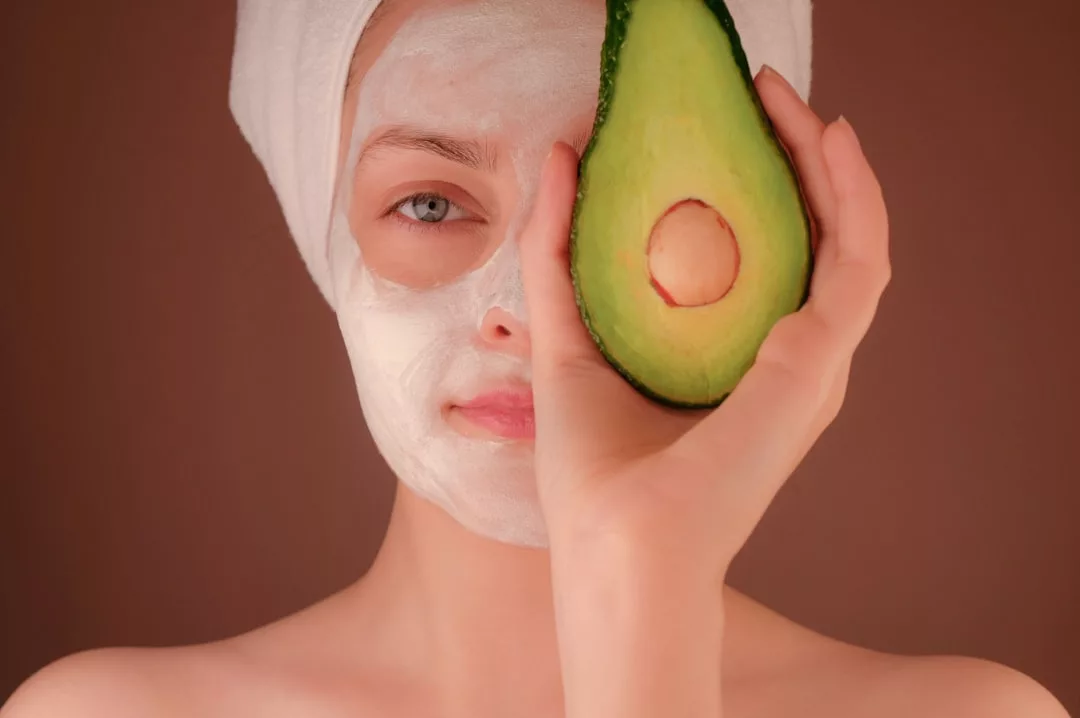
For example, a basic DIY face mask can be made by combining mashed avocado with honey for hydration and nourishment. Avocado is rich in healthy fats and vitamins E and C, while honey provides antibacterial properties that can help combat acne. Similarly, creating a sugar scrub using brown sugar mixed with olive oil can exfoliate dead skin cells while moisturizing the skin simultaneously.
Engaging in DIY clean beauty not only empowers individuals to take charge of their skincare but also fosters a deeper connection with the ingredients they use.
Clean Beauty in the Marketplace: Where to Find and Purchase Clean Beauty Products
As the demand for clean beauty continues to grow, various retail channels have emerged to cater to this market segment. Many traditional retailers have begun dedicating sections specifically for clean beauty products, making it easier for consumers to find safer alternatives amidst conventional offerings. Stores like Sephora have introduced “Clean at Sephora,” a curated selection of brands that meet specific criteria for ingredient safety and sustainability.
Online platforms have also become essential for discovering clean beauty products. Websites like Credo Beauty and The Detox Market specialize in offering a wide range of clean brands while providing detailed information about each product’s formulation and sourcing practices. Additionally, social media platforms have played a pivotal role in promoting clean beauty brands through influencer partnerships and user-generated content.
Consumers can easily access reviews and recommendations from fellow enthusiasts, helping them make informed purchasing decisions.
Clean Beauty Routines: Tips for Incorporating Natural Skincare into Your Daily Regimen
Incorporating clean beauty into your daily skincare routine can be both rewarding and transformative. Start by assessing your current regimen and identifying areas where you can replace conventional products with cleaner alternatives. For instance, if you currently use a moisturizer containing synthetic fragrances or parabens, consider switching to a natural moisturizer formulated with nourishing oils like shea butter or almond oil.
Establishing a consistent routine is key to achieving optimal results with clean beauty products. A basic regimen typically includes cleansing, toning, moisturizing, and applying sunscreen during the day. Look for gentle cleansers made from plant-based ingredients that effectively remove impurities without stripping the skin’s natural moisture barrier.
Additionally, incorporating serums rich in antioxidants or hyaluronic acid can enhance hydration levels while providing targeted treatment for specific concerns such as fine lines or uneven skin tone.
Clean Beauty Myths Debunked: Separating Fact from Fiction in the Natural Skincare Movement
As with any movement gaining popularity, misconceptions about clean beauty abound. One common myth is that natural products are always less effective than their synthetic counterparts. While it is true that some natural ingredients may take longer to show results compared to potent synthetic actives, many clean formulations harness the power of botanicals known for their efficacy in addressing various skin concerns.
For example, plant extracts like green tea or niacinamide have been shown to provide significant benefits for skin health. Another prevalent myth is that all natural ingredients are inherently safe for everyone. While many natural substances are gentle on the skin, some individuals may still experience allergic reactions or sensitivities to certain botanicals or essential oils.
Embracing Clean Beauty: How to Transition to a Natural Approach to Skincare
Transitioning to a clean beauty regimen does not have to be overwhelming; it can be approached gradually for a smoother experience. Start by replacing one product at a time rather than overhauling your entire routine all at once. This allows you to assess how your skin responds to new formulations without introducing too many variables simultaneously.
Educating yourself about ingredient safety is also vital during this transition period. Familiarize yourself with reputable resources that provide information on safe ingredients versus harmful ones so you can make informed choices when shopping for new products. Joining online communities focused on clean beauty can offer support and recommendations from others who have successfully made similar transitions.
By embracing clean beauty principles, prioritizing transparency, sustainability, and health, you can cultivate a skincare routine that aligns with your values while promoting overall well-being for yourself and the planet.
More in
More from Beauty
Beauty · 8 min
Unlocking Radiant Skin with Serum
In the realm of skincare, serums have emerged as a transformative product that can significantly enhance the health and appearance of the skin. Unlike…

Beauty · 9 min
Revitalize Your Skin with Toner: The Ultimate Guide
Toner has long been a staple in many skincare routines, yet its purpose often remains misunderstood. Traditionally, toners were formulated to remove r…
Beauty · 8 min
Shiny and Smooth: The Ultimate Lip Gloss Guide
Lip gloss has long been a staple in the beauty industry, celebrated for its ability to enhance the natural beauty of lips while providing a glossy fin…