Beauty · Beauty
The Rise of Cruelty-Free Cosmetics
The concept of cruelty-free cosmetics has evolved significantly over the decades, tracing its roots back to the early 20th century when animal testing was a common practice in the …
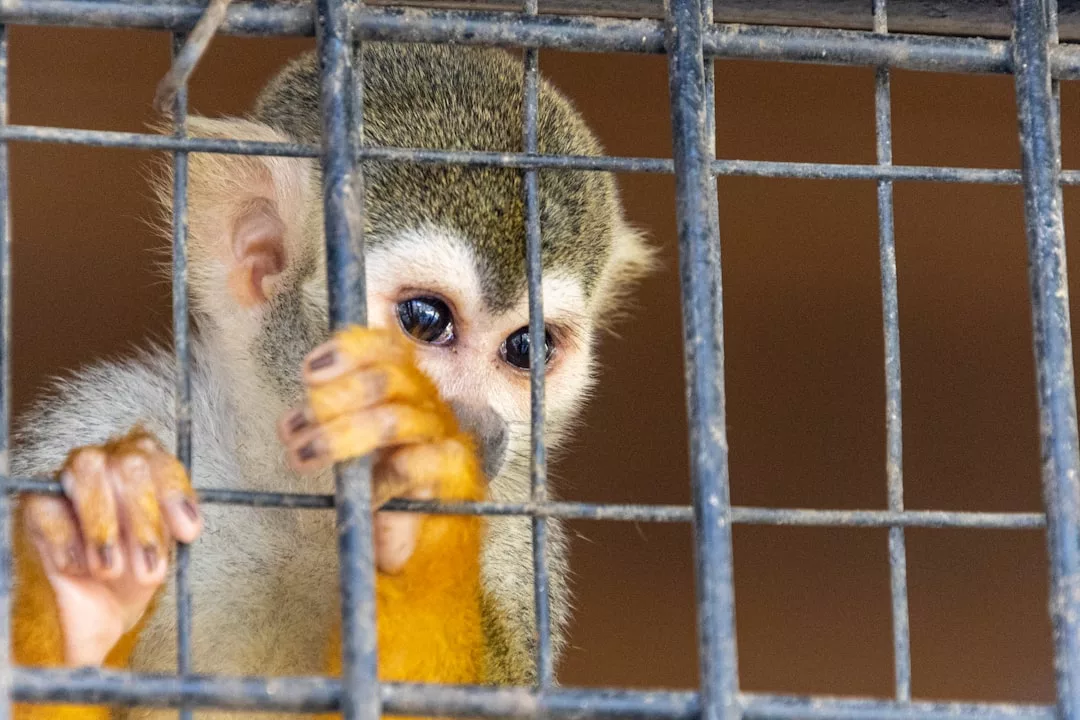
The concept of cruelty-free cosmetics has evolved significantly over the decades, tracing its roots back to the early 20th century when animal testing was a common practice in the beauty industry. Initially, the use of animals for testing was largely unregulated, with companies employing various species to assess the safety and efficacy of their products. This often involved painful procedures that resulted in suffering and death for countless animals.
The first significant push against this practice emerged in the 1960s, coinciding with a broader animal rights movement that sought to challenge the ethical implications of using animals for human benefit. In 1976, the Humane Society of the United States launched a campaign to promote cruelty-free cosmetics, which marked a pivotal moment in the history of beauty products. This initiative encouraged consumers to seek out brands that did not engage in animal testing, leading to the establishment of the first cruelty-free certification programs.
By the 1980s, several organizations, including PETA (People for the Ethical Treatment of Animals), began to advocate for stricter regulations and transparency in the beauty industry. These efforts laid the groundwork for a growing awareness of animal welfare issues and prompted many companies to reconsider their testing practices.
Key Takeaways
- The history of cruelty-free cosmetics dates back to the 1950s, when animal testing became a common practice in the beauty industry.
- Animal testing in the beauty industry has had a significant impact on the well-being of animals and has raised ethical concerns among consumers.
- Consumer awareness and demand for cruelty-free products have risen, leading to a shift in the beauty industry towards more ethical practices.
- Legislation has played a crucial role in promoting cruelty-free cosmetics by implementing bans on animal testing and requiring cruelty-free labeling.
- Cruelty-free cosmetics offer ethical and environmental benefits, as they do not harm animals and often use sustainable and eco-friendly ingredients.
The Impact of Animal Testing in the Beauty Industry
Animal testing in the beauty industry has far-reaching consequences that extend beyond ethical concerns. Many scientists argue that animal models do not accurately predict human reactions due to significant biological differences between species.
For instance, a product deemed safe for a rabbit may cause adverse reactions in humans, leading to potential health risks for consumers. This disconnect highlights the need for more effective and humane testing methods. Moreover, animal testing can have economic implications for companies.
As consumer awareness grows, brands that continue to rely on outdated testing methods risk alienating a significant portion of their customer base. The financial burden associated with animal testing can also be substantial, as it often requires extensive resources and time to conduct studies. In contrast, cruelty-free brands that prioritize alternative testing methods can streamline their processes and potentially reduce costs while appealing to a more ethically conscious market.
The Rise of Consumer Awareness and Demand for Cruelty-Free Products
In recent years, there has been a notable shift in consumer attitudes towards cruelty-free cosmetics. This change is largely driven by increased access to information through social media and digital platforms, which have empowered consumers to make informed choices about the products they purchase. As awareness of animal welfare issues has grown, many individuals are actively seeking out brands that align with their ethical values.
This trend is particularly pronounced among younger generations, who are more likely to prioritize sustainability and ethical considerations when making purchasing decisions. The demand for cruelty-free products has prompted many beauty brands to adapt their marketing strategies and product offerings. Companies are increasingly highlighting their commitment to ethical practices, often featuring cruelty-free certifications prominently on packaging and advertising materials.
This shift not only caters to consumer preferences but also fosters brand loyalty among those who prioritize ethical consumption. As a result, the beauty industry is witnessing a transformation where cruelty-free options are becoming mainstream rather than niche.
The Role of Legislation in Promoting Cruelty-Free Cosmetics
Legislation plays a crucial role in shaping the landscape of cruelty-free cosmetics. Various countries have implemented laws aimed at reducing or eliminating animal testing in the beauty industry. For instance, the European Union enacted a ban on animal testing for cosmetics in 2013, making it illegal to sell products that have been tested on animals within its member states.
This landmark legislation has set a precedent for other regions and has encouraged companies to seek alternative testing methods. In addition to bans on animal testing, some countries have introduced regulations that require transparency regarding testing practices. For example, in California, legislation mandates that companies disclose whether they engage in animal testing or not.
Such laws empower consumers by providing them with essential information about the products they purchase, enabling them to make choices that align with their values. As more regions adopt similar measures, the pressure on companies to adopt cruelty-free practices will continue to grow.
The Ethical and Environmental Benefits of Cruelty-Free Cosmetics
Choosing cruelty-free cosmetics extends beyond ethical considerations; it also encompasses environmental benefits that resonate with eco-conscious consumers. Many cruelty-free brands prioritize sustainable sourcing and production methods, often opting for natural ingredients that are less harmful to the environment. For instance, brands that avoid synthetic chemicals not only reduce their ecological footprint but also contribute to healthier ecosystems by minimizing pollution and habitat destruction.
Furthermore, cruelty-free cosmetics often promote a more holistic approach to beauty that emphasizes well-being and sustainability. By supporting brands that prioritize ethical practices, consumers contribute to a market that values compassion and responsibility. This shift towards cruelty-free options encourages companies to adopt more sustainable practices across their supply chains, ultimately fostering a culture of environmental stewardship within the beauty industry.
The Challenges and Obstacles Faced by Cruelty-Free Beauty Brands
Despite the growing demand for cruelty-free cosmetics, brands face numerous challenges in navigating this competitive landscape. One significant obstacle is the prevalence of misinformation surrounding animal testing and cruelty-free claims. Some companies may exploit consumer interest by labeling their products as cruelty-free without adhering to rigorous standards or certifications.
This lack of transparency can lead to consumer skepticism and confusion, making it difficult for genuine cruelty-free brands to stand out. Additionally, smaller cruelty-free brands often struggle with limited resources compared to larger corporations that dominate the market. These smaller entities may find it challenging to invest in research and development for alternative testing methods or sustainable sourcing practices.
As a result, they may face difficulties in scaling their operations or competing with established brands that have greater financial backing. Overcoming these hurdles requires innovation, collaboration, and a commitment to ethical practices.
The Growing Market for Cruelty-Free Cosmetics
The market for cruelty-free cosmetics has experienced remarkable growth over recent years, reflecting changing consumer preferences and values. According to various market research reports, the global cruelty-free cosmetics market is projected to expand significantly as more consumers prioritize ethical considerations in their purchasing decisions. This growth is not limited to traditional beauty products; it encompasses skincare, haircare, and even fragrance lines that adhere to cruelty-free principles.
As major retailers increasingly recognize this trend, they are expanding their offerings of cruelty-free products both online and in-store. Many beauty retailers now feature dedicated sections for cruelty-free brands, making it easier for consumers to find products that align with their values. This increased visibility not only benefits consumers but also encourages brands to innovate and develop new products that meet the demand for ethical alternatives.
The Innovation and Development of Alternative Testing Methods
The quest for cruelty-free cosmetics has spurred significant innovation in alternative testing methods that do not involve animals. Researchers are exploring various technologies such as in vitro testing, which utilizes human cells and tissues to assess product safety and efficacy. These methods can provide more relevant data regarding human reactions while eliminating the ethical concerns associated with animal testing.
Another promising avenue is the use of computer modeling and simulations to predict how substances will interact with human biology. These advanced technologies can significantly reduce the need for animal testing while providing accurate results that inform product development. As these alternative methods gain traction within the industry, they hold the potential to revolutionize how cosmetics are tested and approved for consumer use.
The Influence of Celebrities and Influencers in Promoting Cruelty-Free Beauty
Celebrities and social media influencers play a pivotal role in shaping consumer perceptions of cruelty-free cosmetics. Many high-profile figures have publicly advocated for animal rights and ethical beauty practices, leveraging their platforms to raise awareness about the importance of cruelty-free products. For instance, celebrities like Ellen DeGeneres and Ariana Grande have openly endorsed cruelty-free brands, encouraging their followers to make conscious choices when it comes to beauty products.
Influencers on platforms like Instagram and TikTok have also contributed significantly to the popularity of cruelty-free cosmetics by sharing personal experiences with specific brands and products. Their authentic recommendations resonate with audiences seeking trustworthy guidance in an increasingly crowded market. As these influencers continue to promote cruelty-free options, they help normalize ethical consumption within mainstream beauty culture.
The Future of Cruelty-Free Cosmetics: Trends and Projections
Looking ahead, the future of cruelty-free cosmetics appears promising as consumer demand continues to rise alongside growing awareness of ethical issues within the beauty industry. Trends indicate an increasing emphasis on transparency and accountability among brands as consumers seek assurance regarding product sourcing and testing practices. Companies that prioritize ethical standards are likely to gain a competitive edge as consumers become more discerning about their choices.
Moreover, advancements in technology will likely play a crucial role in shaping the future landscape of cruelty-free cosmetics. As alternative testing methods become more refined and widely accepted, brands will have greater opportunities to innovate while adhering to ethical principles. This evolution may lead to an even broader range of products that cater to diverse consumer needs without compromising on safety or ethics.
How to Identify and Support Cruelty-Free Beauty Brands
For consumers looking to support cruelty-free beauty brands, several strategies can help navigate this landscape effectively. One approach is to seek out certifications from reputable organizations such as Leaping Bunny or PETA’s Beauty Without Bunnies program, which provide assurance that products meet strict cruelty-free standards. These certifications often appear on packaging or brand websites, making it easier for consumers to identify compliant products.
Additionally, researching brand practices through online resources or social media can provide valuable insights into a company’s commitment to ethical practices. Engaging with brands directly by asking questions about their testing methods or sourcing can also foster transparency and accountability within the industry. By making informed choices and supporting genuinely cruelty-free brands, consumers can contribute to a more compassionate beauty landscape while enjoying high-quality products that align with their values.
More in
More from Beauty
Beauty · 8 min
Unlocking Radiant Skin with Serum
In the realm of skincare, serums have emerged as a transformative product that can significantly enhance the health and appearance of the skin. Unlike…

Beauty · 9 min
Revitalize Your Skin with Toner: The Ultimate Guide
Toner has long been a staple in many skincare routines, yet its purpose often remains misunderstood. Traditionally, toners were formulated to remove r…
Beauty · 8 min
Shiny and Smooth: The Ultimate Lip Gloss Guide
Lip gloss has long been a staple in the beauty industry, celebrated for its ability to enhance the natural beauty of lips while providing a glossy fin…