Travel · Travel
The Ultimate Guide to Glamping: Luxury Camping at its Finest
Glamping, a portmanteau of “glamorous” and “camping,” represents a luxurious twist on traditional camping experiences. It combines the allure of nature with…
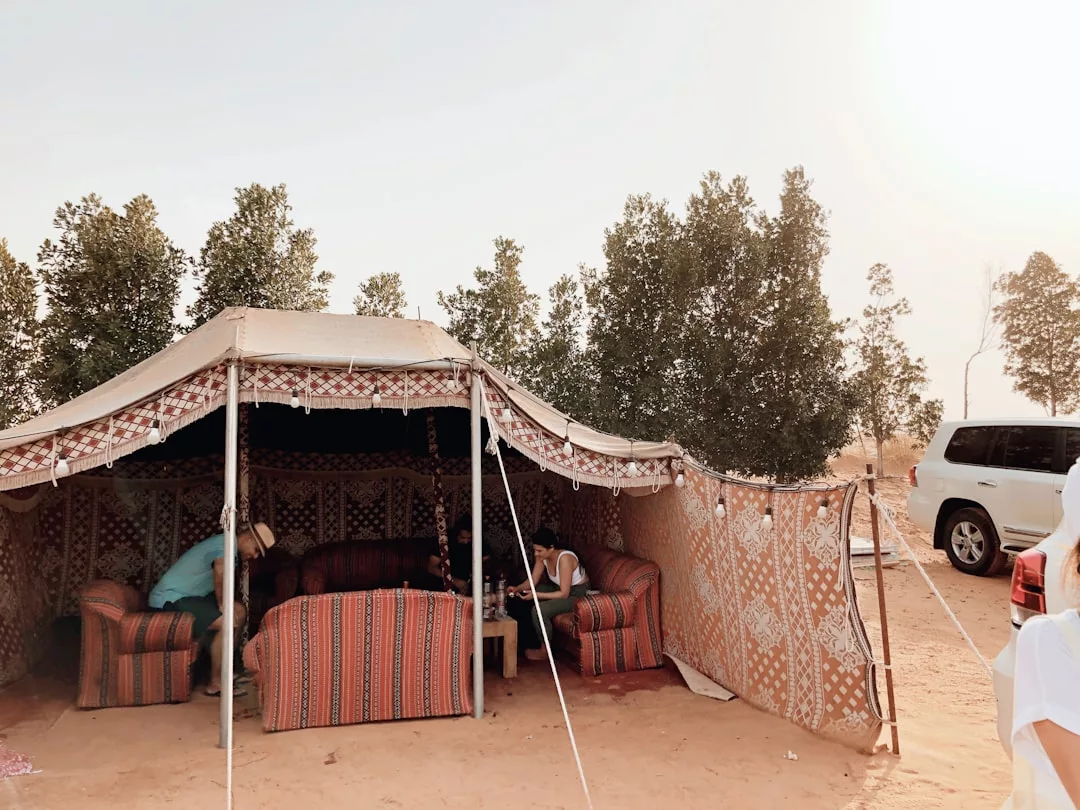
Glamping, a portmanteau of “glamorous” and “camping,” represents a luxurious twist on traditional camping experiences. It combines the allure of nature with the comforts and amenities typically found in upscale accommodations. Unlike conventional camping, which often involves pitching a tent and sleeping on the ground, glamping offers a range of unique lodging options, from yurts and safari tents to treehouses and airstreams, all designed to provide a more comfortable and stylish experience in the great outdoors.
This trend appeals to those who wish to immerse themselves in nature without sacrificing the conveniences of modern living. The essence of glamping lies in its ability to cater to diverse preferences and lifestyles. Whether one seeks a romantic getaway, a family adventure, or a solo retreat, glamping can accommodate various needs while still allowing guests to connect with nature.
Many glamping sites are strategically located in picturesque settings, such as national parks, mountains, or by the beach, providing breathtaking views and opportunities for outdoor activities. The combination of luxury and nature creates an inviting atmosphere that attracts both seasoned campers and those who may be hesitant to embrace the wilderness.
Key Takeaways
- Glamping is a luxurious form of camping that combines the experience of being in nature with the comforts of a hotel.
- Glamping has a rich history, with roots dating back to ancient civilizations and gaining popularity in the 21st century.
- When choosing a glamping destination, consider factors such as location, scenery, and available activities.
- Glamping accommodations can range from safari tents and yurts to treehouses and eco-pods, offering a unique experience for every traveler.
- Packing for a glamping trip should include essentials such as comfortable clothing, outdoor gear, and personal items, as well as any specific items needed for the chosen accommodation.
The History of Glamping
The concept of glamping is not as modern as it may seem; its roots can be traced back to the early 20th century when wealthy individuals sought to experience the great outdoors without sacrificing comfort. The term “glamping” itself gained popularity in the early 2000s, but the practice of luxurious camping has existed for over a century. In the 1920s, for instance, affluent travelers would embark on safari trips in Africa, where they would stay in lavish tents equipped with fine furnishings, gourmet meals, and personal attendants.
This early form of glamping set the stage for what would later evolve into the contemporary glamping movement. As society progressed through the decades, camping became more accessible to the general public. However, the rise of glamping can be attributed to a growing desire for unique travel experiences that prioritize comfort and sustainability.
In recent years, as environmental awareness has increased, many travelers have sought alternatives to traditional hotels that allow them to enjoy nature while minimizing their ecological footprint. This shift has led to a resurgence in interest in glamping, with numerous sites emerging worldwide that offer eco-friendly accommodations and experiences.
Choosing the Perfect Glamping Destination
Selecting the ideal glamping destination is crucial for ensuring a memorable experience. Factors such as location, amenities, and available activities should all be considered when making this decision. For instance, if one is seeking a serene escape from urban life, a remote site nestled in the mountains or by a tranquil lake may be ideal.
Conversely, those looking for adventure might prefer a location near national parks or coastal areas that offer hiking, kayaking, or other outdoor pursuits. Some destinations may offer themed accommodations, such as vintage trailers or luxurious treehouses, while others might provide additional services like guided tours or wellness retreats.
Reading reviews from previous guests can provide valuable insights into the quality of service and overall experience at each location. Ultimately, choosing the right destination involves balancing personal preferences with the desire for adventure and relaxation.
The Different Types of Glamping Accommodations
The variety of glamping accommodations available today is one of the most appealing aspects of this trend. Each type offers a distinct experience that caters to different tastes and preferences. Yurts, for example, are circular tents traditionally used by nomadic cultures in Central Asia.
Modern yurts often come equipped with comfortable beds, electricity, and even private bathrooms, providing an authentic yet luxurious camping experience. Safari tents are another popular option, typically featuring canvas walls and wooden floors that create a rustic yet elegant atmosphere. These tents often include amenities such as plush bedding and en-suite bathrooms, allowing guests to enjoy nature without compromising on comfort.
Treehouses have also gained popularity in recent years; these elevated accommodations provide stunning views and a unique perspective on the surrounding environment. For those seeking a more unconventional experience, converted airstreams or vintage trailers offer a nostalgic charm while still providing modern conveniences.
What to Pack for a Glamping Trip
Packing for a glamping trip requires careful consideration to ensure that guests have everything they need for both comfort and adventure. While glamping provides many amenities that traditional camping does not, it is still essential to bring along certain items to enhance the experience. Comfortable clothing suitable for outdoor activities is crucial; breathable fabrics that wick moisture away from the skin can help keep guests cool during warm days while layering options are essential for cooler evenings.
In addition to clothing, packing personal items such as toiletries and medications is important. Many glamping sites provide basic amenities like soap and towels; however, bringing along favorite personal care products can make the stay feel more like home. Outdoor gear such as hiking boots, water bottles, and backpacks should also be included for those planning to explore the surrounding area.
Finally, don’t forget entertainment options like books or games for leisurely evenings spent under the stars.
Glamping Activities and Experiences
One of the most exciting aspects of glamping is the array of activities and experiences available at many sites. Depending on the location, guests can engage in various outdoor pursuits that allow them to connect with nature while enjoying their luxurious surroundings. Hiking is often a popular choice; many glamping destinations are situated near scenic trails that cater to all skill levels.
Guided hikes led by knowledgeable local experts can enhance this experience by providing insights into the flora and fauna of the area. Water-based activities are also common at glamping sites located near lakes or rivers. Kayaking, paddleboarding, or fishing can provide hours of enjoyment while allowing guests to soak in their natural surroundings.
For those seeking relaxation rather than adventure, many glamping locations offer wellness experiences such as yoga classes or spa treatments that promote rejuvenation amidst nature’s tranquility. Evening activities like stargazing or campfire storytelling can create lasting memories and foster connections among guests.
The Importance of Sustainable Glamping
Sustainability has become an increasingly important consideration in travel and tourism, and glamping is no exception. Many glamping sites prioritize eco-friendly practices that minimize their environmental impact while providing guests with an unforgettable experience. This commitment to sustainability can manifest in various ways, from using renewable energy sources like solar power to implementing water conservation measures.
Choosing sustainable materials for accommodations is another way glamping sites demonstrate their dedication to environmental stewardship. For example, some locations utilize reclaimed wood or eco-friendly fabrics in their structures while others focus on creating minimal disturbance to the surrounding ecosystem during construction. Additionally, many glamping operators engage in responsible waste management practices by composting organic waste and recycling materials whenever possible.
By prioritizing sustainability, glamping not only enhances guests’ experiences but also contributes positively to the preservation of natural landscapes.
Glamping Food and Dining Options
Dining is an integral part of any travel experience, and glamping often elevates this aspect with gourmet meal options that reflect local flavors and ingredients. Many glamping sites offer on-site dining experiences featuring farm-to-table cuisine prepared by skilled chefs who emphasize fresh produce and sustainable practices. Guests may find themselves enjoying meals made from locally sourced ingredients while surrounded by stunning natural vistas.
For those who prefer a more hands-on approach to dining, some glamping locations provide cooking classes or guided culinary experiences that allow guests to learn about local cuisine while preparing their own meals. Campfire cooking is another popular option; many sites equip guests with outdoor cooking facilities where they can grill fresh produce or roast marshmallows under the stars. Whether indulging in gourmet meals or participating in interactive culinary experiences, dining during a glamping trip can be both satisfying and memorable.
Glamping Safety and Health Considerations
While glamping offers many comforts associated with traditional accommodations, it is essential to consider safety and health aspects when planning a trip. First and foremost, guests should familiarize themselves with any specific safety guidelines provided by their chosen glamping site. This may include information about wildlife encounters or emergency procedures in case of inclement weather.
Health considerations are equally important; travelers should ensure they have access to necessary medical supplies such as first aid kits or personal medications during their stay. Additionally, it is wise to check if there are any health advisories related to the area being visited, such as water quality or potential allergens, before embarking on a trip. By taking these precautions into account, guests can enjoy their glamping experience with peace of mind.
Tips for Planning the Ultimate Glamping Trip
Planning an unforgettable glamping trip involves careful consideration of various factors that contribute to an enjoyable experience. First and foremost, selecting the right destination is crucial; researching different locations based on personal preferences, such as desired activities or scenery, can help narrow down options effectively. Once a destination has been chosen, booking accommodations well in advance is advisable since popular sites tend to fill up quickly during peak seasons.
Creating an itinerary that balances relaxation with adventure can enhance the overall experience as well. Additionally, communicating any special requests or dietary restrictions with your chosen glamping site ahead of time can ensure that your needs are met during your stay.
The Future of Glamping: Trends and Innovations
As travel trends continue to evolve, so too does the world of glamping. One notable trend is the increasing emphasis on unique accommodations that offer immersive experiences beyond traditional lodging options. For instance, some companies are now offering luxury camping experiences in unusual settings such as converted shipping containers or even floating tents on lakes, providing guests with novel perspectives on nature.
Technological innovations are also shaping the future of glamping; many sites are incorporating smart technology into their accommodations for enhanced convenience and comfort. Features such as app-controlled lighting or climate control systems allow guests to customize their environment according to personal preferences while maintaining an eco-friendly approach through energy-efficient solutions. As sustainability remains at the forefront of travelers’ minds, future glamping developments will likely continue prioritizing eco-conscious practices while offering luxurious experiences that cater to diverse interests and lifestyles.
The evolution of this trend promises exciting possibilities for those seeking adventure without sacrificing comfort in their outdoor escapades.
More in
More from Travel

Travel · 9 min
Exploring the Ultimate Culinary Experience
The ultimate culinary experience transcends mere sustenance; it is an intricate tapestry woven from flavors, aromas, textures, and visual appeal. This…

Travel · 11 min
Exploring the Best of Paris: A 3-Day Itinerary
The first day in Paris is often a whirlwind of excitement and discovery, as travelers set out to explore the city’s most iconic landmarks. Starting at…
Travel · 8 min
Mastering the Art of Skiing: Tips for Perfecting Your Technique
Selecting the appropriate skiing equipment is a fundamental step for both beginners and seasoned skiers alike. The right gear not only enhances perfor…