Family · Family
Tips for a Pet-Friendly Family Vacation
Selecting the ideal accommodations for a trip with your pet is a crucial first step in ensuring a smooth and enjoyable experience. Not all hotels, motels, or vacation rentals are c…
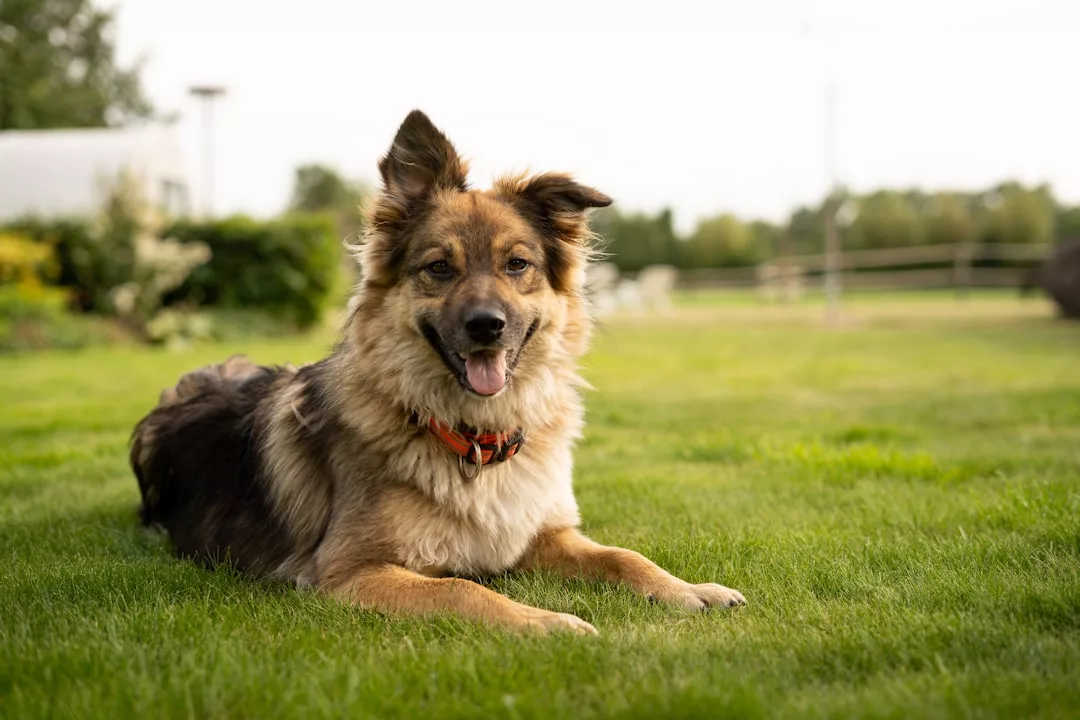
Selecting the ideal accommodations for a trip with your pet is a crucial first step in ensuring a smooth and enjoyable experience. Not all hotels, motels, or vacation rentals are created equal when it comes to welcoming furry companions. It is essential to conduct thorough research to find places that not only allow pets but also cater to their needs.
Websites like BringFido and Airbnb have dedicated filters for pet-friendly options, allowing travelers to narrow down their choices based on size restrictions, breed limitations, and additional amenities. For instance, some establishments may offer pet beds, bowls, or even treats upon arrival, which can significantly enhance your pet’s comfort during the stay. Moreover, it is wise to read reviews from other pet owners who have stayed at the accommodations you are considering.
These reviews can provide valuable insights into how accommodating the staff is towards pets and whether the environment is suitable for your animal. For example, a hotel that boasts a large outdoor area or nearby parks can be a significant advantage for energetic dogs that require ample space to play and explore. Additionally, consider the location of your accommodation in relation to pet-friendly attractions and activities, as this can save time and make your trip more enjoyable.
Key Takeaways
- Choose pet-friendly accommodations that cater to your pet’s needs and preferences
- Pack essential items such as food, water, medications, and comfort items for your pet
- Research pet-friendly activities and attractions at your destination to ensure a fun and enjoyable trip for your pet
- Plan for rest stops and potty breaks during your journey to keep your pet comfortable and happy
- Keep your pet safe during travel by using a secure carrier or harness and ensuring they have proper identification
Packing the Essentials for Your Pet
When preparing for a trip with your pet, packing the right essentials is paramount. Start by creating a checklist that includes food, water, bowls, leashes, and waste bags. It’s important to bring enough of your pet’s regular food to last the duration of the trip, as sudden changes in diet can lead to gastrointestinal issues.
If your pet has any specific dietary needs or preferences, consider packing a few extra days’ worth of food just in case of travel delays. Additionally, bringing along a portable water bowl can help keep your pet hydrated during long journeys. In addition to food and water supplies, don’t forget to pack your pet’s favorite toys and bedding.
Familiar items can provide comfort and reduce anxiety in new environments. A blanket or bed that smells like home can help your pet settle in more easily. If your pet is prone to anxiety during travel, consider bringing calming aids such as pheromone sprays or anxiety wraps.
These items can help create a more relaxed atmosphere for your furry friend, making the journey more enjoyable for both of you.
Researching Pet-Friendly Activities and Attractions
Before embarking on your trip, it’s essential to research pet-friendly activities and attractions at your destination. Many cities now offer a variety of options for pet owners, from dog parks to pet-friendly beaches and hiking trails. Websites like PetFriendlyTravel.com can provide comprehensive lists of activities that welcome pets, ensuring that you can include your furry companion in your adventures.
For example, if you’re visiting a coastal area, look for beaches that allow dogs to run freely or restaurants with outdoor seating where pets are welcome. In addition to outdoor activities, consider local events that may be pet-friendly. Some towns host dog parades, festivals, or even markets where pets are encouraged to join their owners.
Engaging in these activities not only allows you to bond with your pet but also provides opportunities for socialization with other animals and their owners. Furthermore, visiting local pet boutiques or specialty shops can be a fun way to explore the area while treating your pet to something special.
Planning for Rest Stops and Potty Breaks
Long journeys can be taxing on both pets and their owners, making it essential to plan for regular rest stops and potty breaks. Depending on the length of your trip, aim to take breaks every two to three hours. This not only allows your pet to relieve themselves but also gives them a chance to stretch their legs and burn off some energy.
Look for rest areas that are equipped with grassy patches or designated pet areas where your furry friend can comfortably do their business. When stopping for breaks, it’s also important to keep your pet’s safety in mind. Always use a leash when letting them out of the vehicle, as unfamiliar surroundings can lead to distractions or potential escape attempts.
If you’re traveling with multiple pets, consider using a secure harness or crate during stops to prevent any unexpected incidents. Additionally, bringing along portable water and snacks during these breaks can help keep your pet refreshed and energized for the remainder of the journey.
Keeping Your Pet Safe During Travel
Ensuring the safety of your pet during travel is paramount. If you’re traveling by car, consider using a pet seatbelt or a secured crate to keep them safe while on the road. This not only protects them in case of sudden stops but also minimizes distractions for the driver.
If you opt for a crate, make sure it is well-ventilated and large enough for your pet to stand up, turn around, and lie down comfortably. For air travel, familiarize yourself with airline policies regarding pet travel well in advance. Some airlines allow pets in the cabin while others may require them to be transported in cargo.
In either case, ensure that your pet is comfortable in their carrier by allowing them time to acclimate before the trip. It’s also advisable to have identification tags on your pet’s collar and microchip them if possible. This added layer of security can be invaluable should you become separated during travel.
Understanding Pet-Friendly Policies and Fees
Before finalizing your accommodations, it’s crucial to understand the specific pet policies and any associated fees at your chosen lodging. Many hotels have weight limits or breed restrictions that could affect your ability to stay there with your pet. Additionally, some establishments may charge a non-refundable cleaning fee or require a deposit upon check-in.
Being aware of these policies ahead of time can help you avoid unexpected costs and ensure that you are fully compliant with the rules. Furthermore, inquire about any additional services offered for pets at the accommodation. Some hotels provide dog-walking services or have designated areas for pets to play.
Understanding these offerings can enhance your stay and make it easier for you to manage your pet’s needs while traveling. Always read the fine print regarding cancellation policies as well; some places may have different rules if you need to cancel due to unforeseen circumstances related to your pet.
Creating a Comfortable Space for Your Pet
Once you arrive at your destination, creating a comfortable space for your pet is essential for their well-being. Set up their sleeping area with familiar bedding or blankets from home to help them feel secure in an unfamiliar environment. If possible, designate a specific corner of the room where they can retreat when they need some quiet time away from the hustle and bustle of travel. Keeping their routine as consistent as possible will help minimize stress during the transition period. If you’re staying in a rental property or an extended-stay hotel, consider bringing along some toys or interactive games that can keep them entertained while you settle in or explore the area.
Being Mindful of Other Guests and Wildlife
Traveling with pets requires a heightened sense of awareness regarding other guests and local wildlife. When staying at accommodations that allow pets, be considerate of other guests who may not be as comfortable around animals.
If your dog tends to bark or exhibit anxious behavior when encountering new people or animals, it may be wise to avoid crowded areas until they acclimate. Additionally, when exploring outdoor areas such as parks or trails, be mindful of local wildlife that may pose risks to your pet or vice versa. Animals such as deer or rabbits can provoke excitement in dogs, leading them to chase after them without regard for safety.
Always keep an eye on your surroundings and maintain control over your pet at all times to prevent any unwanted encounters.
Finding Pet-Friendly Dining Options
Dining out while traveling with pets can be challenging but rewarding if you know where to look. Many restaurants now offer outdoor seating areas where pets are welcome, allowing you to enjoy meals without leaving your furry friend behind. Websites like Yelp often have filters for pet-friendly dining options, making it easier to find suitable places in advance.
When choosing dining spots, consider calling ahead to confirm their pet policy and whether they provide amenities such as water bowls or treats for dogs. Some establishments even go above and beyond by offering special menus for pets! This not only allows you to enjoy a meal but also gives your pet an opportunity to indulge in something tasty while out on the town.
Preparing for Emergencies
No one wants to think about emergencies while traveling with their pets; however, being prepared can make all the difference in critical situations. Before embarking on your journey, ensure that you have an emergency kit packed specifically for your pet. This kit should include basic first-aid supplies such as bandages, antiseptic wipes, tweezers for removing ticks, and any medications they may need.
Additionally, familiarize yourself with local veterinary clinics along your route or near your destination in case of emergencies. Having this information readily available can save precious time should an unexpected situation arise. It’s also wise to carry copies of important documents such as vaccination records and identification tags that include contact information should you become separated from your pet.
Making Memories with Your Pet
Traveling with pets offers unique opportunities for creating lasting memories together. From exploring new trails to enjoying beach days or simply relaxing at a cozy café, each experience strengthens the bond between you and your furry companion. Capture these moments through photographs or journaling about your adventures; this not only serves as a keepsake but also allows you to reflect on the joy of sharing these experiences with your beloved animal.
Engaging in activities that cater specifically to pets can also enhance these memories, consider visiting dog-friendly events or participating in local charity walks that support animal welfare organizations. These experiences not only provide fun but also foster a sense of community among fellow pet owners who share similar passions for their animals. Ultimately, traveling with pets enriches both their lives and yours by creating cherished memories that will last long after the journey ends.
More in
More from Family

Family · 9 min
Navigating Adolescence: Tips for Parents and Teens
Adolescence is a critical period of growth and transformation, marked by significant physical, emotional, and cognitive changes. This stage typically …

Family · 8 min
Breaking the Cycle: Confronting Domestic Violence
Domestic violence is a pervasive issue that transcends cultural, economic, and social boundaries. It encompasses a range of abusive behaviors that occ…

Family · 9 min
The Importance of Child Support for Single Parents
Single parenthood often brings with it a unique set of financial challenges that can significantly affect the quality of life for both the parent and …