Travel · Travel
Ultimate Camping Guide: Tips for a Memorable Outdoor Adventure
When embarking on a camping adventure, the right gear and equipment can make all the difference between a memorable experience and a challenging ordeal. At the core of any camping …
When embarking on a camping adventure, the right gear and equipment can make all the difference between a memorable experience and a challenging ordeal. At the core of any camping setup is a reliable tent. A good tent should be weather-resistant, easy to set up, and spacious enough to accommodate the number of campers.
For instance, a three-season tent is ideal for most conditions, providing adequate protection against rain and wind while allowing for ventilation during warmer months. Additionally, investing in a quality sleeping bag that suits the climate is crucial. A sleeping bag rated for colder temperatures will ensure warmth during chilly nights, while a lightweight, breathable option is preferable for summer camping.
Beyond the tent and sleeping gear, other essential items include a portable stove or campfire cooking equipment, a first aid kit, and appropriate clothing layers. A portable stove allows for efficient meal preparation, while a well-stocked first aid kit can address minor injuries or ailments that may arise in the wilderness. Clothing should be chosen based on the expected weather conditions, with moisture-wicking fabrics and waterproof outer layers being particularly beneficial.
Footwear is another critical consideration; sturdy hiking boots provide support and protection on rugged terrain, while camp shoes offer comfort around the campsite.
Key Takeaways
- Essential gear includes a tent, sleeping bag, camping stove, and first aid kit
- Choose a campsite with level ground, access to water, and protection from wind
- When setting up camp, pitch your tent on high ground and away from potential hazards
- Practice campfire safety by keeping it small and never leaving it unattended
- Be aware of wildlife, store food properly, and make noise while hiking to avoid surprising animals
Choosing the Perfect Campsite
Selecting the right campsite can significantly enhance your camping experience. Factors such as proximity to water sources, terrain type, and local regulations should all be taken into account. Ideally, a campsite should be located near a clean water source for cooking and drinking but not so close that it risks flooding during heavy rains.
Additionally, flat ground is essential for pitching a tent comfortably; uneven surfaces can lead to restless nights and potential injuries. Another important aspect of campsite selection is considering the surrounding environment. Look for natural windbreaks like trees or hills that can shield your camp from harsh winds.
It’s also wise to avoid areas with signs of wildlife activity, such as animal tracks or droppings, to minimize encounters with bears or other animals. Furthermore, many parks and forests have designated camping areas that come with established fire rings and picnic tables, which can enhance convenience and safety.
Setting Up Camp
Once you’ve chosen the perfect campsite, the next step is setting up camp efficiently. Begin by unpacking your gear and laying out your tent in a clear area free from rocks, sticks, or other debris that could damage the tent floor or cause discomfort while sleeping. It’s advisable to orient the tent entrance away from prevailing winds to minimize drafts and keep out rain.
After securing the tent stakes firmly into the ground, ensure that the rainfly is properly attached to provide additional protection against moisture. After setting up the tent, it’s time to organize your campsite. Designate specific areas for cooking, eating, and relaxing to maintain order and safety.
Keeping food away from sleeping areas is crucial to deter wildlife from approaching your camp. Establishing a cooking zone at least 200 feet from your sleeping area not only helps in keeping food odors away but also reduces the risk of attracting animals. Additionally, creating a communal space with seating arrangements can foster social interaction among campers while providing a comfortable area to unwind after a day of outdoor activities.
Campfire Safety and Cooking Tips
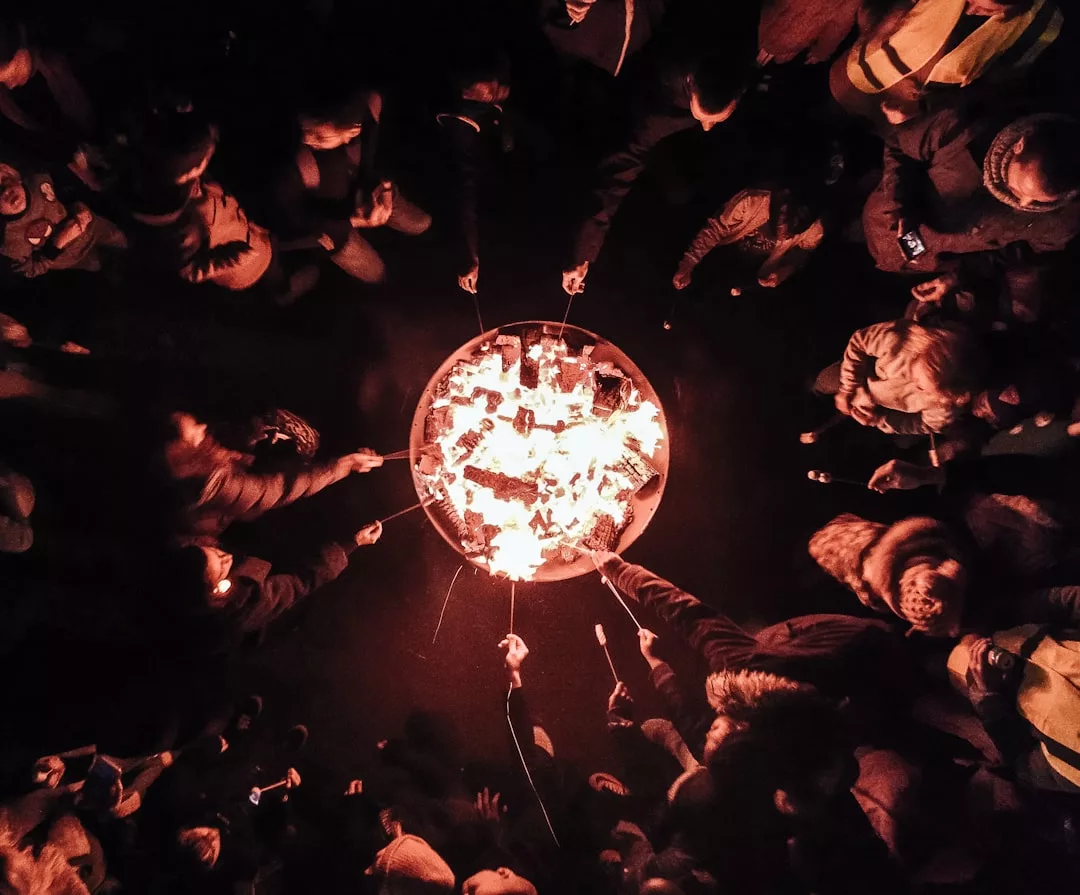
A campfire often serves as the heart of any camping experience, providing warmth, light, and a place to cook meals. However, fire safety should always be a top priority. Before starting a fire, check local regulations regarding open flames; some areas may have restrictions due to fire hazards.
When you’re ready to build a fire, choose a designated fire ring if available or create a safe fire pit by clearing away flammable materials from around the site. Use dry wood and kindling to start your fire efficiently while avoiding accelerants like gasoline that can be dangerous. Cooking over an open flame can be both enjoyable and practical.
Skewers for roasting marshmallows or hot dogs are classic camping staples, but more elaborate meals can also be prepared using cast iron cookware or aluminum foil packets. For instance, wrapping seasoned vegetables and fish in foil allows for easy cooking over coals while minimizing cleanup afterward. Always keep water or sand nearby to extinguish the fire completely when finished cooking or when leaving the campsite.
Wildlife Safety and Awareness
Encountering wildlife can be one of the most exhilarating aspects of camping; however, it also requires vigilance and respect for nature. Understanding local wildlife behavior is essential for ensuring safety during your trip. For example, bears are often attracted to food odors; therefore, storing food in bear-proof containers or hanging it from trees at least 10 feet off the ground can help prevent unwanted encounters.
Additionally, learning how to react if you encounter wildlife, such as remaining calm and backing away slowly, can make a significant difference in ensuring both your safety and that of the animal. It’s important to educate yourself about the specific wildlife in the area you’re camping in and follow guidelines provided by park services regarding food storage and wildlife interactions.
Carrying bear spray in bear country is advisable as an added precaution, but understanding how to use it effectively is equally important.
Packing the Right Food and Drinks
Food planning is an integral part of any camping trip that can greatly influence your overall experience. When selecting food items, consider non-perishable options that are easy to prepare and pack efficiently. Canned goods, dried fruits, nuts, and energy bars are excellent choices that provide sustenance without requiring refrigeration.
For those who prefer fresh ingredients, consider packing items like bell peppers, carrots, or apples that can withstand travel without spoiling quickly. Meal planning should also take into account cooking methods available at your campsite. If you have a portable stove or grill, you might opt for quick-cooking items like pasta or rice that can be prepared in one pot.
On the other hand, if you plan to cook over an open fire, consider meals that can be easily wrapped in foil or skewered for grilling. Hydration is equally important; packing enough water for drinking and cooking is essential, especially in hot weather. Portable water filters or purification tablets can also be useful if you plan to source water from nearby streams or lakes.
Staying Comfortable in the Outdoors
Comfort in the great outdoors often hinges on preparation and adaptability. One of the most effective ways to ensure comfort is through proper clothing choices tailored to changing weather conditions. Layering is key; wearing moisture-wicking base layers helps regulate body temperature while insulating layers provide warmth when needed.
A waterproof outer layer protects against rain and wind while allowing breathability during physical activities. In addition to clothing, personal comfort items can enhance your camping experience significantly. A lightweight camping chair can provide a comfortable place to relax after a long day of hiking or exploring.
Additionally, bringing along items like travel pillows or compact blankets can make sleeping under the stars more enjoyable. Don’t forget about personal hygiene; biodegradable soap and quick-dry towels are practical additions that help maintain cleanliness without harming the environment.
Fun and Engaging Outdoor Activities
Camping offers an array of opportunities for outdoor activities that cater to various interests and skill levels. Hiking is perhaps one of the most popular pursuits; exploring local trails allows campers to immerse themselves in nature while enjoying physical exercise. Whether it’s a leisurely stroll through scenic landscapes or tackling more challenging hikes with breathtaking views as rewards, there’s something for everyone. Fishing can provide both relaxation and sustenance if you’re lucky enough to catch dinner; many campsites are located near lakes or rivers teeming with fish. Kayaking offers an adventurous way to explore waterways while observing wildlife from a different perspective.
Birdwatching can be an engaging way to connect with nature; bringing along binoculars and a field guide can enhance this experience as you identify various species in their natural habitats.
Leave No Trace: Environmental Responsibility
As outdoor enthusiasts, it’s our responsibility to protect the natural environments we enjoy by adhering to Leave No Trace principles. This philosophy emphasizes minimizing human impact on nature through practices such as proper waste disposal, respecting wildlife habitats, and staying on designated trails. By following these guidelines, campers can help preserve the beauty of natural spaces for future generations.
One of the most critical aspects of Leave No Trace is waste management; this includes packing out all trash generated during your trip as well as disposing of human waste responsibly by using designated restroom facilities or following guidelines for digging catholes at least 200 feet away from water sources. Additionally, campers should avoid picking plants or disturbing wildlife habitats to maintain ecological balance within these environments.
Dealing with Weather and Emergencies
Weather conditions can change rapidly in outdoor settings; being prepared for unexpected shifts is essential for safety during camping trips. Before heading out, check weather forecasts for your destination and pack accordingly, this includes bringing extra layers for warmth or rain gear if storms are predicted. Understanding how to set up your tent securely against wind or rain will also contribute significantly to your comfort level.
In case of emergencies, whether they involve severe weather events or injuries, having a plan in place is crucial. Carrying a fully stocked first aid kit is essential; knowing basic first aid techniques can make a significant difference in addressing injuries promptly until professional help arrives if needed. Additionally, having access to communication devices such as satellite phones or emergency beacons can provide peace of mind when venturing into remote areas where cell service may be unreliable.
Tips for a Successful Camping Trip with Kids
Camping with children presents unique challenges but also offers incredible opportunities for bonding and adventure. To ensure a successful trip with kids in tow, preparation is key, this includes involving them in planning activities they’ll enjoy while teaching them about nature along the way. Engaging children in tasks such as setting up tents or gathering firewood fosters teamwork and instills a sense of responsibility.
Creating a flexible itinerary that balances structured activities with free play allows children to explore their surroundings at their own pace while still enjoying planned adventures like hiking or fishing trips together as a family unit. Bringing along games or outdoor toys can keep kids entertained during downtime at camp while encouraging creativity and physical activity outside screens’ reach. Ultimately, fostering an environment where children feel empowered to explore their surroundings will create lasting memories that inspire future generations of outdoor enthusiasts.
More in
More from Travel

Travel · 9 min
Exploring the Ultimate Culinary Experience
The ultimate culinary experience transcends mere sustenance; it is an intricate tapestry woven from flavors, aromas, textures, and visual appeal. This…
Travel · 11 min
Exploring the Best of Paris: A 3-Day Itinerary
The first day in Paris is often a whirlwind of excitement and discovery, as travelers set out to explore the city’s most iconic landmarks. Starting at…

Travel · 8 min
Mastering the Art of Skiing: Tips for Perfecting Your Technique
Selecting the appropriate skiing equipment is a fundamental step for both beginners and seasoned skiers alike. The right gear not only enhances perfor…