Beauty · Beauty
Ultimate Guide to Ombre Hair: Everything You Need to Know
Ombre hair is a popular hair coloring technique characterized by a gradual transition from one color to another, typically moving from darker shades at the roots to lighter shades …
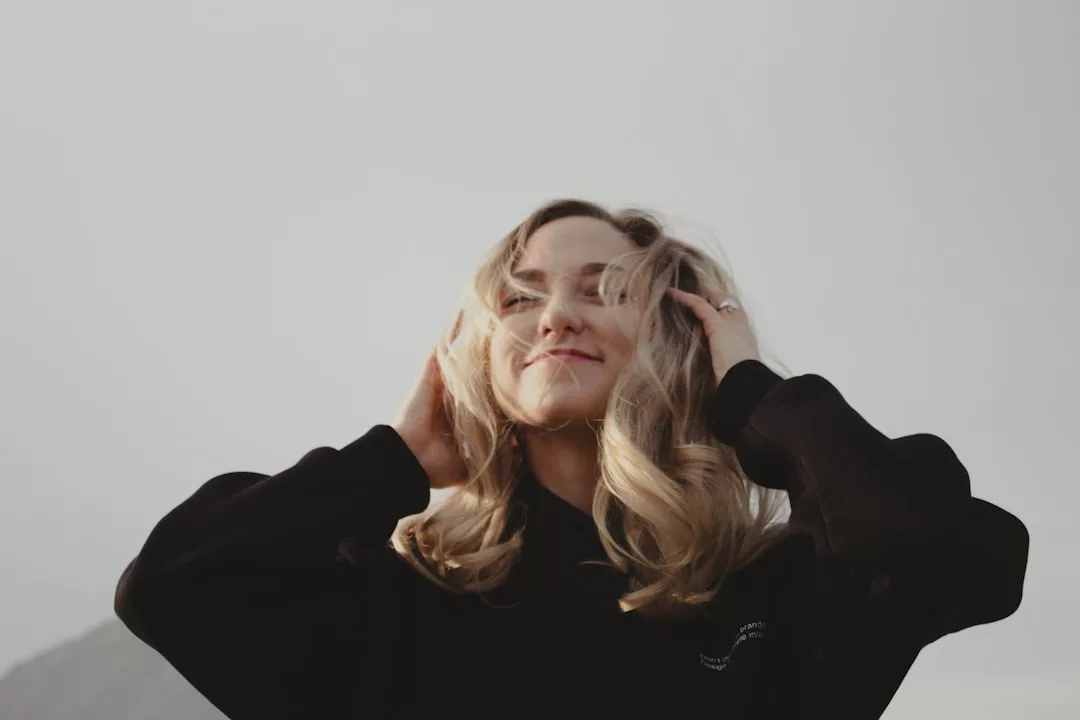
Ombre hair is a popular hair coloring technique characterized by a gradual transition from one color to another, typically moving from darker shades at the roots to lighter shades at the tips. This style creates a striking visual effect that can enhance the natural beauty of the hair while providing a sense of depth and dimension. The term “ombre” is derived from the French word meaning “shadow,” which aptly describes the way the colors blend seamlessly into one another.
This technique can be applied to various hair colors, allowing for a wide range of creative possibilities, from subtle highlights to bold contrasts. The appeal of ombre hair lies in its versatility and low-maintenance nature. Unlike traditional highlights that require frequent touch-ups, ombre hair allows for a more natural grow-out process, making it an attractive option for those who prefer a less demanding hair care routine.
Additionally, ombre can be customized to suit individual preferences, whether one desires a soft, sun-kissed look or a dramatic, high-contrast effect. This adaptability has made ombre hair a favorite among celebrities and fashion enthusiasts alike, solidifying its place in contemporary hairstyling.
Key Takeaways
- Ombre hair is a hair coloring technique where the color gradually transitions from dark to light, creating a natural sun-kissed effect.
- Ombre hair has been around since the 1800s, but gained popularity in the 2000s with celebrities like Alexa Chung and Jessica Biel.
- Popular ombre hair styles include the classic dark to light transition, reverse ombre with light to dark transition, and sombre for a more subtle look.
- When choosing the right ombre hair color, consider your natural hair color, skin tone, and desired level of maintenance.
- Ombre hair maintenance involves using color-safe products, minimizing heat styling, and regular touch-ups to keep the color looking fresh.
The History of Ombre Hair
The origins of ombre hair can be traced back to the early 2000s when it began to gain popularity in the fashion world. However, the concept of gradient coloring has existed for centuries in various forms. In the 1970s and 1980s, techniques such as dip-dyeing were used to create similar effects, albeit in a more rudimentary manner.
The modern interpretation of ombre hair emerged as hairstylists began experimenting with color blending techniques, leading to the refined styles we see today. As ombre hair gained traction, it was embraced by numerous celebrities, further propelling its popularity. Stars like Drew Barrymore and Rachel Bilson were often seen sporting this trend, showcasing its versatility across different hair types and colors.
The rise of social media platforms like Instagram and Pinterest also played a significant role in the spread of ombre hair trends, as users shared their own interpretations and variations. This digital exposure allowed for an explosion of creativity within the hairstyling community, leading to innovative techniques and color combinations that continue to evolve.
Different Ombre Hair Styles
Ombre hair is not a one-size-fits-all approach; rather, it encompasses a variety of styles that cater to different tastes and preferences. One popular variation is the classic ombre, where the transition from dark to light is smooth and gradual. This style works well for those who prefer a more understated look while still wanting to add dimension to their hair.
The classic ombre can be achieved with natural shades or vibrant colors, depending on the desired effect. Another exciting variation is the balayage ombre, which involves hand-painting color onto the hair for a more organic and sun-kissed appearance. This technique allows for greater customization, as stylists can create soft highlights that mimic the way hair naturally lightens in the sun.
Balayage ombre is particularly appealing for those who want a low-maintenance style that grows out beautifully without harsh lines. Additionally, reverse ombre has gained popularity, where lighter shades are applied at the roots and darker shades at the tips, creating a striking contrast that can be both edgy and sophisticated.
Choosing the Right Ombre Hair Color
Selecting the right ombre hair color is crucial for achieving a look that complements one’s features and personal style. Factors such as skin tone, eye color, and natural hair color should all be considered when making this decision. For individuals with warm undertones in their skin, colors like honey blonde or caramel can create a harmonious effect when blended into darker shades.
Conversely, those with cool undertones may find that ash blonde or platinum shades work better for them. It’s also essential to consider the base color of the hair when choosing an ombre shade. For instance, individuals with dark brown or black hair may opt for rich caramel or auburn tones at the tips for a warm contrast.
On the other hand, lighter-haired individuals might choose pastel shades or vibrant colors like teal or lavender for a more playful look. Consulting with a professional stylist can provide valuable insights into which colors will work best based on individual characteristics and desired outcomes.
Ombre Hair Maintenance
While ombre hair is often touted as a low-maintenance option compared to traditional highlights, it still requires some care to keep it looking fresh and vibrant. Regular conditioning treatments are essential to maintain moisture levels in the hair, especially for those with lighter ends that may be more prone to dryness and damage. Deep conditioning masks can help restore hydration and improve overall hair health.
Additionally, using sulfate-free shampoos and conditioners can prolong the life of the color while preventing fading. These products are gentler on colored hair and help maintain its vibrancy over time. It’s also advisable to limit heat styling tools, as excessive heat can lead to dryness and breakage.
When styling is necessary, using heat protectant sprays can help shield the hair from damage while allowing individuals to enjoy their beautiful ombre locks.
DIY Ombre Hair Techniques
For those who prefer a hands-on approach to hairstyling, DIY ombre techniques can be an exciting way to achieve this trendy look at home. One popular method involves using a brush or sponge to apply bleach or dye in a gradient fashion. To start, it’s essential to gather all necessary supplies, including gloves, an applicator brush, bleach or dye, and a mixing bowl.
Begin by sectioning the hair into manageable parts and securing them with clips. Apply the bleach or dye starting from mid-lengths down to the ends, ensuring an even distribution of color. Following up with a deep conditioner will help restore moisture and shine after the bleaching process.
Ombre Hair for Different Hair Types
Ombre hair can be adapted to suit various hair types, making it an inclusive option for many individuals. For straight hair, ombre can create a sleek and polished appearance that highlights the color transition beautifully. The smooth texture allows for clear visibility of the gradient effect, making it an excellent choice for those who prefer a more refined look.
Curly or wavy hair also benefits from ombre techniques, as the added dimension can enhance natural curls and waves. The interplay of light and dark shades can create depth within curls, making them appear fuller and more voluminous. When applying ombre on textured hair, it’s crucial to consider how curls will absorb color differently than straight strands; therefore, consulting with a stylist experienced in working with textured hair can yield optimal results.
Ombre Hair for Different Skin Tones
Choosing an ombre color that complements one’s skin tone is vital for achieving a harmonious look. Individuals with fair skin often find that soft pastels or light blonde shades work well for them, as these colors enhance their natural complexion without overwhelming it. Shades like strawberry blonde or soft caramel can provide warmth without clashing with lighter skin tones.
On the other hand, those with medium skin tones may have more flexibility in their color choices. Rich browns blended with golden highlights or deep reds transitioning into lighter shades can create stunning contrasts that enhance their features. Darker skin tones can embrace bold colors like deep burgundy or vibrant copper that stand out beautifully against their complexion.
Ultimately, understanding one’s skin tone can guide individuals toward selecting an ombre style that enhances their overall appearance.
Ombre Hair for Different Hair Lengths
Ombre hair is versatile enough to suit various hair lengths, from short bobs to long flowing locks. For shorter hairstyles, such as chin-length bobs or pixie cuts, ombre can add dimension without overwhelming the overall look. A subtle gradient from dark roots to lighter ends can create an illusion of length while maintaining a chic appearance.
Longer hairstyles benefit from more dramatic ombre effects, allowing for greater contrast between colors. The length provides ample space for blending multiple shades seamlessly into one another. For instance, transitioning from dark brown at the roots through caramel and into blonde at the tips can create an eye-catching effect that draws attention to long tresses.
Regardless of length, ombre techniques can be tailored to enhance each individual’s unique hairstyle.
Ombre Hair for Different Hair Textures
Different hair textures respond uniquely to ombre techniques, making it essential to consider texture when planning an ombre style. Straight hair often showcases color transitions clearly due to its smooth surface; therefore, individuals with straight locks may opt for bold contrasts or subtle gradients depending on their desired aesthetic. Conversely, textured or coily hair may require more careful consideration when applying ombre techniques.
The natural curl pattern can affect how color appears on each strand; thus, stylists often recommend using softer transitions between colors to ensure a cohesive look throughout curls or waves. Additionally, incorporating multiple shades within an ombre style can enhance texture by creating depth and dimension that complements natural curls beautifully.
Ombre Hair Care Products and Tips
To maintain vibrant ombre hair and ensure its longevity, investing in quality hair care products is essential. Look for shampoos specifically formulated for color-treated hair; these products are designed to protect against fading while nourishing strands. Additionally, incorporating leave-in conditioners or serums can help keep ends hydrated and prevent dryness.
Regular trims are also crucial in maintaining healthy ombre hair; split ends can detract from the overall appearance of color transitions and lead to further damage if left unaddressed. Scheduling appointments every six to eight weeks allows individuals to keep their styles looking fresh while promoting healthy growth. Incorporating protective hairstyles into one’s routine can also benefit those with colored ends; styles such as braids or buns minimize exposure to environmental stressors while allowing individuals to showcase their beautiful ombre locks without compromising their health.
By following these care tips and utilizing appropriate products tailored for colored hair, individuals can enjoy their stunning ombre styles for an extended period while keeping their locks healthy and vibrant.
◦ Good to know
What is ombre hair?
Ombre hair is a colouring technique featuring a gradual transition from one colour to another, typically moving from darker roots to lighter tips. The word "ombre" comes from the French for "shadow," describing how the colours blend seamlessly. It creates depth and dimension and can be applied to many different hair colours.
Why is ombre hair considered low-maintenance?
Unlike traditional highlights that need frequent touch-ups, ombre allows a more natural grow-out process, making it far less demanding to maintain. This makes it attractive for anyone wanting a relaxed hair-care routine. Maintenance mainly involves using colour-safe products, minimising heat styling and occasional touch-ups to keep the colour looking fresh.
What are some popular ombre styles?
Popular options include the classic ombre, with a smooth, gradual dark-to-light transition that suits those wanting understated dimension. There is also reverse ombre, moving from light to dark, and sombre, a softer, more subtle variation. Ombre's versatility means it can be customised from a soft, sun-kissed look to dramatic, high-contrast effects.
More in
More from Beauty
Beauty · 8 min
Unlocking Radiant Skin with Serum
In the realm of skincare, serums have emerged as a transformative product that can significantly enhance the health and appearance of the skin. Unlike…
Beauty · 9 min
Revitalize Your Skin with Toner: The Ultimate Guide
Toner has long been a staple in many skincare routines, yet its purpose often remains misunderstood. Traditionally, toners were formulated to remove r…
Beauty · 8 min
Shiny and Smooth: The Ultimate Lip Gloss Guide
Lip gloss has long been a staple in the beauty industry, celebrated for its ability to enhance the natural beauty of lips while providing a glossy fin…