Beauty · Beauty
Ultimate Guide to the Perfect Pedicure
A pedicure is more than just a cosmetic treatment; it is an essential aspect of personal grooming that contributes significantly to overall foot health. The feet, often neglected i…
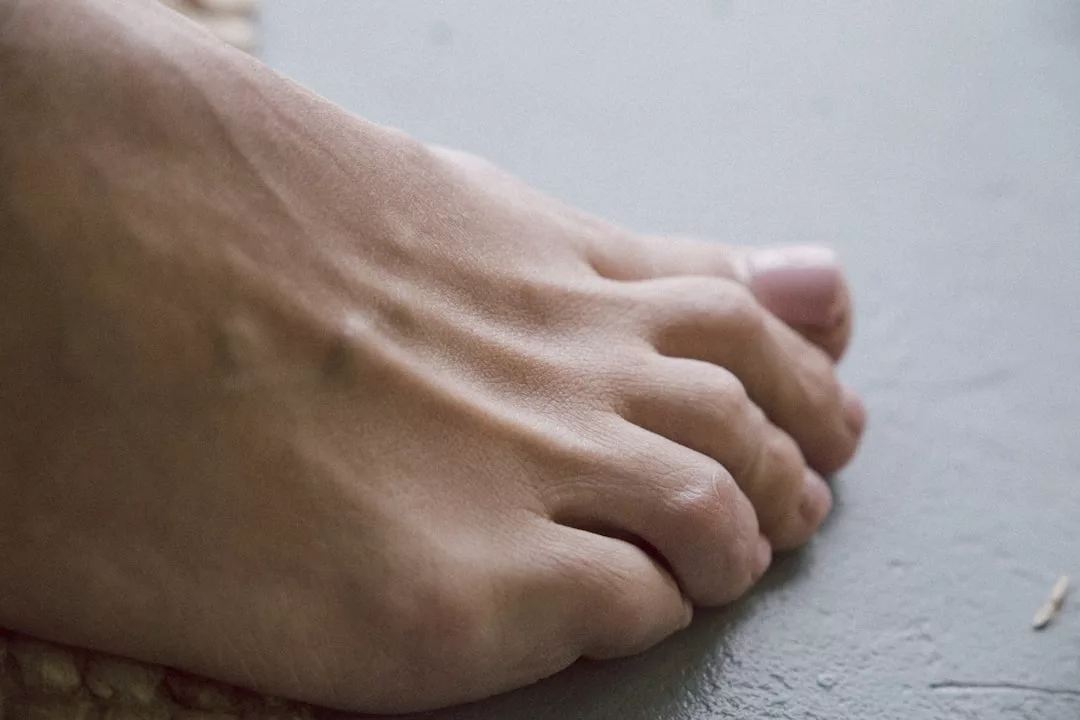
A pedicure is more than just a cosmetic treatment; it is an essential aspect of personal grooming that contributes significantly to overall foot health. The feet, often neglected in daily self-care routines, bear the weight of our bodies and endure the rigors of daily activities. Regular pedicures can help prevent various foot ailments, such as fungal infections, ingrown toenails, and calluses.
By maintaining the health of the feet, individuals can enhance their mobility and comfort, which is particularly important for those who are on their feet for extended periods. Moreover, a pedicure serves as a form of self-care that promotes relaxation and well-being. The process often involves soaking the feet, exfoliating dead skin, and massaging the soles, which can alleviate stress and tension.
This therapeutic aspect of pedicures can lead to improved mental health, as taking time for oneself is crucial in today’s fast-paced world. The aesthetic benefits of a pedicure, such as beautifully polished nails and soft skin, also contribute to an individual’s confidence and self-esteem, making it a worthwhile investment in both health and beauty.
Key Takeaways
- Regular pedicures are important for maintaining healthy and attractive feet
- Prepare for a pedicure by removing old nail polish and soaking your feet
- Choose the right nail shape and length based on your personal style and comfort
- Nail care and maintenance is essential for preventing ingrown nails and other issues
- Soaking and exfoliating your feet helps to soften and remove dead skin
Preparing for a Pedicure
Preparation is key to ensuring a successful pedicure experience. Before heading to a salon or setting up a home pedicure station, it is essential to gather all necessary tools and products. Basic items include nail clippers, a nail file, cuticle pushers, foot scrubs, moisturizers, and nail polish.
If opting for a professional service, consider researching local salons to find one that prioritizes hygiene and has positive reviews. A clean environment is crucial to avoid infections and ensure a pleasant experience. In addition to gathering tools, it is advisable to assess the condition of your feet prior to the appointment.
Look for any signs of issues such as athlete’s foot, blisters, or severe calluses that may require special attention. If you have any medical conditions affecting your feet, such as diabetes or circulatory issues, consult with a healthcare professional before proceeding with a pedicure. This proactive approach not only enhances the effectiveness of the treatment but also ensures safety during the process.
Choosing the Right Nail Shape and Length
Selecting the appropriate nail shape and length is a critical step in achieving the desired look for your pedicure. The most common nail shapes include square, round, oval, almond, and stiletto. Each shape has its unique appeal and can complement different foot types and personal styles.
For instance, square nails provide a modern and chic appearance, while round nails offer a softer look that can be more comfortable for everyday wear. Length is another important consideration. Shorter nails are often more practical for those who lead active lifestyles or prefer low-maintenance grooming.
Conversely, longer nails can create an elegant aesthetic but may require more upkeep. When deciding on nail length and shape, consider factors such as lifestyle, personal preference, and even seasonal trends. For example, during summer months, many opt for brighter colors and longer lengths to showcase their pedicured feet in sandals or open-toed shoes.
Nail Care and Maintenance
Proper nail care and maintenance are essential for prolonging the life of your pedicure and ensuring healthy nails. Regular trimming and filing help prevent breakage and maintain an aesthetically pleasing shape. It is advisable to trim nails straight across to avoid ingrown toenails while filing them gently in one direction to prevent splitting.
Additionally, keeping nails clean and free from debris is crucial; using a soft brush can help remove dirt from under the nails. Moisturizing is another vital aspect of nail care that should not be overlooked. Dry nails can become brittle and prone to breakage.
Applying a nourishing cuticle oil or hand cream regularly can help maintain hydration levels in both the nails and surrounding skin. Furthermore, consider incorporating a weekly at-home treatment that includes soaking your feet in warm water with Epsom salts or essential oils to promote relaxation while also benefiting nail health.
Soaking and Exfoliating
Soaking the feet is an integral part of the pedicure process that serves multiple purposes. It softens the skin, making it easier to remove dead skin cells and calluses during exfoliation. A typical soak lasts around 10-15 minutes in warm water mixed with bath salts or essential oils like lavender or tea tree oil for added benefits.
This step not only prepares the feet for further treatment but also provides a soothing experience that can help relieve stress. Exfoliating follows soaking and is crucial for removing dead skin cells that accumulate on the feet over time.
Alternatively, pumice stones can be used to buff away calluses effectively. Regular exfoliation not only enhances the appearance of the feet but also promotes better absorption of moisturizers applied afterward.
Nail Polish Selection and Application
Choosing the right nail polish color can elevate your pedicure from ordinary to extraordinary. Seasonal trends often influence color choices; for instance, pastel shades are popular in spring while bold reds or deep blues may dominate winter months. Additionally, consider your wardrobe when selecting colors, neutral shades can complement various outfits while vibrant hues can make a statement during special occasions.
When applying nail polish, preparation is key to achieving a flawless finish. Start by ensuring that nails are clean and dry; any residue from lotions or oils can hinder polish adhesion. Apply a base coat to protect the nails from staining and enhance polish longevity.
Follow with two thin layers of your chosen color, allowing each coat to dry completely before applying the next.
Nail Art and Designs
Nail art has gained immense popularity in recent years, transforming simple pedicures into creative expressions of individuality. From intricate designs featuring floral patterns to minimalist geometric shapes, the possibilities are virtually endless. Nail art can be achieved using various techniques such as stamping, freehand painting, or using decals and stickers for those who prefer a less time-consuming approach.
Incorporating nail art into your pedicure allows for personalization that reflects your style or mood. For instance, during festive seasons like Halloween or Christmas, themed designs can add a playful touch to your look. Additionally, consider using contrasting colors on different toes for an eclectic vibe or opting for subtle accents like glitter or rhinestones on one or two nails for an elegant touch without overwhelming the overall design.
Moisturizing and Massaging
Moisturizing is an essential step in any pedicure routine that should not be overlooked. After exfoliating and polishing the nails, applying a rich foot cream helps lock in moisture and keeps the skin soft and supple. Look for creams containing ingredients like shea butter or coconut oil that provide deep hydration while also nourishing the skin.
Regular moisturizing not only enhances the appearance of your feet but also prevents dryness and cracking. Incorporating a massage into your pedicure routine can significantly enhance relaxation and improve circulation in the feet. Using gentle pressure with your fingers or a massage tool, work through each area of the foot, focusing on the arches, heels, and toes, to relieve tension accumulated throughout the day.
This practice not only feels indulgent but also promotes overall foot health by stimulating blood flow and reducing fatigue.
Foot Scrub and Callus Removal
Foot scrubs play an essential role in maintaining smooth feet by effectively removing dead skin cells and calluses that can accumulate over time. A good foot scrub typically contains exfoliating agents such as sugar or salt combined with moisturizing oils that nourish the skin while sloughing off rough patches. Regular use of foot scrubs can prevent calluses from becoming thickened and painful.
For those with more severe callus buildup, professional treatments may be necessary. Salons often offer specialized services that include callus removal using tools designed specifically for this purpose. However, at-home methods such as using a pumice stone or foot file after soaking can also be effective if done regularly.
It’s important to approach callus removal gently; aggressive scraping can lead to injury or infection.
Cuticle Care
Cuticle care is an often-overlooked aspect of pedicures that plays a significant role in overall nail health. The cuticles serve as a protective barrier against bacteria entering the nail bed; therefore, maintaining their health is crucial. During a pedicure, it’s important to avoid cutting cuticles excessively as this can lead to painful hangnails or infections.
Instead of cutting cuticles, consider gently pushing them back using a cuticle pusher after soaking your feet. This method helps maintain their appearance without compromising their protective function. Additionally, applying cuticle oil regularly can keep them hydrated and prevent dryness or cracking, further enhancing the overall look of your pedicure.
Maintaining Your Pedicure
To prolong the life of your pedicure and keep your feet looking their best between appointments, several maintenance tips can be beneficial. First and foremost, avoid exposing freshly painted nails to water for at least 24 hours after application; this allows the polish to cure properly and reduces chipping risk. When showering or swimming, consider wearing flip-flops to protect your toes from potential damage.
Regular touch-ups at home can also help maintain your pedicure’s appearance. Keep a small bottle of your chosen nail polish on hand for quick fixes if chips occur; applying a top coat every few days can also enhance shine and longevity. Additionally, continue practicing good foot hygiene by moisturizing daily and exfoliating weekly to keep skin smooth and healthy.
By following these guidelines for pedicures, from preparation through maintenance, you can enjoy beautiful feet that not only look great but feel great too. Whether indulging in professional treatments or creating an at-home spa experience, prioritizing foot care is essential for overall well-being.
More in
More from Beauty
Beauty · 8 min
Unlocking Radiant Skin with Serum
In the realm of skincare, serums have emerged as a transformative product that can significantly enhance the health and appearance of the skin. Unlike…
Beauty · 9 min
Revitalize Your Skin with Toner: The Ultimate Guide
Toner has long been a staple in many skincare routines, yet its purpose often remains misunderstood. Traditionally, toners were formulated to remove r…
Beauty · 8 min
Shiny and Smooth: The Ultimate Lip Gloss Guide
Lip gloss has long been a staple in the beauty industry, celebrated for its ability to enhance the natural beauty of lips while providing a glossy fin…