Beauty · Beauty
Ultimate Skincare Guide: Achieve Healthy, Glowing Skin
Understanding your skin type is the cornerstone of an effective skincare regimen. Skin types can generally be categorized into four main categories: oily, dry, combination, and sen…
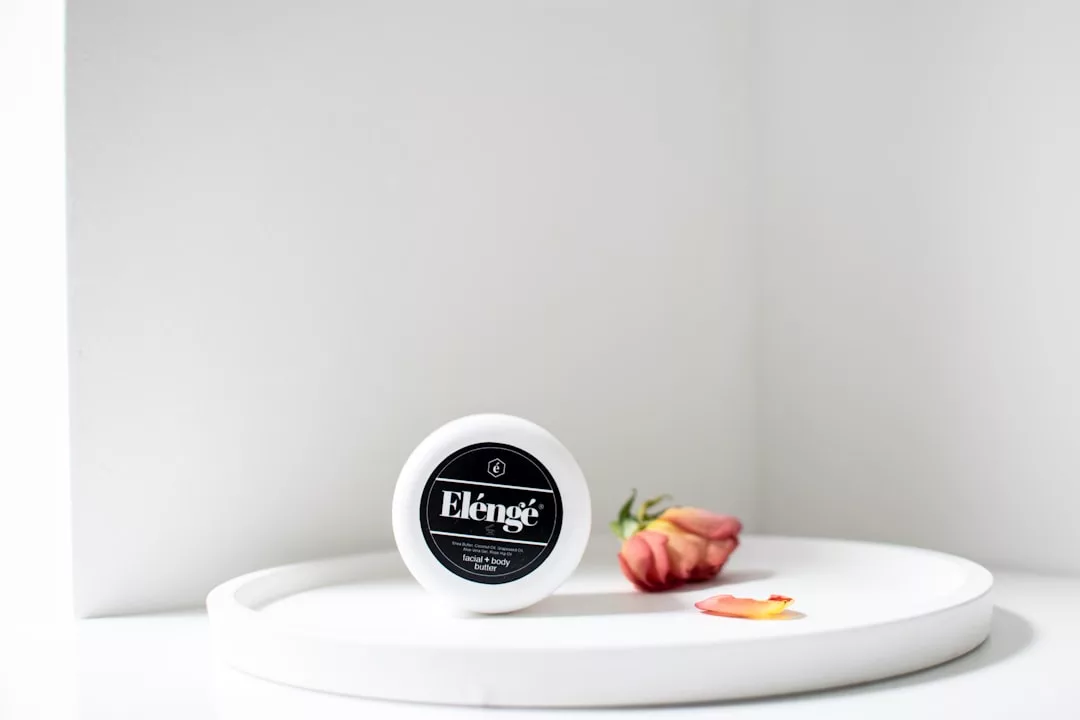
Understanding your skin type is the cornerstone of an effective skincare regimen. Skin types can generally be categorized into four main categories: oily, dry, combination, and sensitive. Oily skin is characterized by an excess production of sebum, leading to a shiny appearance and a propensity for acne.
Individuals with oily skin often find that their pores are enlarged and may experience frequent breakouts. On the other hand, dry skin lacks moisture and can feel tight, rough, or flaky. This skin type may also be more prone to irritation and redness, particularly in harsh weather conditions.
Combination skin presents a unique challenge, as it exhibits characteristics of both oily and dry skin. Sensitive skin is often reactive and can be easily irritated by environmental factors or certain skincare products.
Identifying your skin type is crucial because it informs the selection of products and treatments that will be most beneficial. For instance, someone with oily skin might benefit from lightweight, oil-free moisturizers, while those with dry skin should seek out richer creams that provide deep hydration.
Key Takeaways
- Understanding your skin type is crucial for choosing the right skincare products and routine.
- A daily skincare routine including cleansing, moisturizing, and sunscreen application is essential for healthy skin.
- Sun protection is important to prevent premature aging, sunburn, and skin cancer.
- Hydration is key for maintaining plump, youthful-looking skin and preventing dryness and irritation.
- Choosing the right skincare products involves considering your skin type, concerns, and ingredients.
Daily Skincare Routine for Healthy Skin
Cleansing: The First Step
Cleansing is the first step in any skincare routine and should be tailored to your skin type. For example, gel-based cleansers work well for oily skin, while cream-based cleansers are better suited for dry skin. This step removes dirt, makeup, and excess oil, preparing the skin for subsequent products.Toning: Restoring Balance
After cleansing, toning can help restore the skin’s pH balance and remove any residual impurities. Toners containing ingredients like witch hazel or rose water can be particularly beneficial for oily or combination skin types.Moisturizing and Sunscreen: Hydration and Protection
Following toning, moisturizing is crucial regardless of skin type; even oily skin needs hydration to maintain balance. A lightweight gel moisturizer can provide hydration without clogging pores for those with oily skin, while a thicker cream may be necessary for dry skin types. Finally, applying sunscreen every morning is non-negotiable; it protects against harmful UV rays that can lead to premature aging and skin cancer.Importance of Sun Protection
Sun protection is one of the most critical aspects of skincare that is often overlooked. Ultraviolet (UV) rays from the sun can cause significant damage to the skin, leading to issues such as sunburn, hyperpigmentation, and accelerated aging. The two types of UV rays, UVA and UVB, affect the skin differently; UVA rays penetrate deeply and contribute to aging and wrinkles, while UVB rays are primarily responsible for sunburn.
Regular use of sunscreen can mitigate these effects and is essential for maintaining healthy skin over time. Choosing a broad-spectrum sunscreen with an SPF of at least 30 is recommended for daily use.
Additionally, sun protection should not be limited to sunny days; UV rays can penetrate clouds and affect the skin even on overcast days. Incorporating sun protection into your daily routine not only helps prevent immediate damage but also plays a significant role in long-term skin health.
The Power of Hydration
Hydration is a fundamental aspect of skincare that often goes hand in hand with maintaining a healthy complexion. The skin is the body’s largest organ and requires adequate moisture to function optimally. When the skin is well-hydrated, it appears plump, radiant, and youthful.
Conversely, dehydrated skin can lead to a dull appearance, increased sensitivity, and a higher likelihood of developing fine lines and wrinkles. To enhance hydration levels in the skin, it’s essential to incorporate hydrating products into your routine. Ingredients such as hyaluronic acid are particularly effective because they can hold up to 1,000 times their weight in water.
This powerful humectant draws moisture from the environment into the skin, providing lasting hydration. Additionally, drinking plenty of water throughout the day supports overall hydration from within. While topical products are vital for maintaining moisture levels on the surface, internal hydration through proper fluid intake cannot be overlooked.
Choosing the Right Skincare Products
Selecting the right skincare products is crucial for achieving desired results and addressing specific concerns effectively. With an overwhelming array of options available on the market, it can be challenging to navigate which products will work best for your unique skin type and concerns. One effective strategy is to look for products that contain active ingredients known for their efficacy in treating particular issues.
For example, salicylic acid is excellent for acne-prone skin due to its ability to penetrate pores and reduce inflammation. When choosing products, it’s also essential to consider formulations that align with your skin type. For instance, individuals with oily skin should opt for non-comedogenic products that won’t clog pores, while those with dry skin may benefit from richer formulations containing nourishing oils or butters.
Additionally, always check for potential irritants or allergens in product ingredients if you have sensitive skin. Conducting patch tests before fully incorporating new products into your routine can help prevent adverse reactions.
Incorporating Exfoliation into Your Routine
Exfoliation is a vital step in any skincare routine that helps remove dead skin cells from the surface of the skin, promoting cell turnover and revealing a brighter complexion underneath. There are two primary types of exfoliation: physical and chemical. Physical exfoliation involves using scrubs or tools to manually slough off dead skin cells, while chemical exfoliation utilizes acids or enzymes to dissolve bonds between dead cells for a gentler approach.
Incorporating exfoliation into your routine should be done thoughtfully; over-exfoliating can lead to irritation and compromise the skin barrier. For most individuals, exfoliating 1-3 times per week is sufficient depending on their skin type and sensitivity levels. Those with oily or acne-prone skin may benefit from more frequent exfoliation using chemical exfoliants like glycolic acid or salicylic acid, which can help clear clogged pores and reduce breakouts.
Conversely, individuals with dry or sensitive skin should opt for gentler exfoliants and limit their frequency to avoid exacerbating dryness or irritation.
Treating Acne and Blemishes
Acne is one of the most common skincare concerns affecting individuals of all ages. It occurs when hair follicles become clogged with oil and dead skin cells, leading to inflammation and breakouts. Treating acne effectively requires a multifaceted approach that includes proper cleansing, targeted treatments, and lifestyle adjustments.
Over-the-counter products containing benzoyl peroxide or salicylic acid can help reduce acne by targeting bacteria and unclogging pores. In addition to topical treatments, lifestyle factors such as diet and stress management play a significant role in acne development. Foods high in sugar and dairy have been linked to increased breakouts in some individuals; therefore, adopting a balanced diet rich in whole foods may help improve overall skin health.
Furthermore, managing stress through practices like yoga or meditation can reduce hormonal fluctuations that contribute to acne flare-ups.
Anti-Aging Skincare Tips
As we age, our skin undergoes various changes that can lead to visible signs of aging such as fine lines, wrinkles, and loss of elasticity. To combat these effects effectively, incorporating anti-aging products into your skincare routine is essential. Ingredients like retinoids are renowned for their ability to stimulate collagen production and promote cell turnover, making them a staple in many anti-aging regimens.
In addition to topical treatments, maintaining a healthy lifestyle can significantly impact how your skin ages. Regular exercise improves circulation and promotes a healthy glow while also reducing stress levels that can contribute to premature aging. Furthermore, prioritizing sleep allows the body time to repair itself overnight; lack of sleep can lead to dullness and exacerbate signs of aging.
Combining effective skincare products with healthy lifestyle choices creates a comprehensive approach to maintaining youthful-looking skin.
The Role of Diet and Lifestyle in Skincare
Diet and lifestyle choices play an integral role in determining the health and appearance of your skin. Consuming a balanced diet rich in antioxidants, found in fruits and vegetables, can help combat oxidative stress caused by environmental factors such as pollution and UV exposure. Foods high in omega-3 fatty acids, like salmon and walnuts, support the skin’s lipid barrier and help maintain moisture levels.
In addition to diet, lifestyle factors such as sleep quality and stress management are crucial for optimal skin health. Chronic stress can lead to hormonal imbalances that trigger breakouts or exacerbate existing conditions like eczema or psoriasis. Engaging in regular physical activity not only improves circulation but also promotes mental well-being, both of which contribute positively to your complexion.
By adopting a holistic approach that encompasses both diet and lifestyle choices alongside topical skincare products, you can achieve healthier-looking skin.
Professional Treatments for Glowing Skin
For those seeking more immediate results or addressing specific concerns beyond what at-home care can provide, professional treatments offer an array of options tailored to individual needs. Treatments such as chemical peels utilize acids to exfoliate the outer layer of the skin effectively; this process can improve texture, tone, and clarity while reducing signs of aging or acne scarring. Another popular option is microdermabrasion, a non-invasive procedure that gently exfoliates the top layer of dead skin cells using fine crystals or a diamond-tipped wand.
This treatment promotes cell turnover and enhances product absorption while leaving the skin looking refreshed and rejuvenated. Additionally, laser treatments can target specific issues such as pigmentation irregularities or vascular lesions by using focused light energy to stimulate collagen production or reduce redness.
Maintaining Consistency for Long-Term Results
Consistency is key when it comes to achieving long-term results in skincare. Many individuals may become discouraged if they do not see immediate improvements after starting a new regimen; however, it often takes time for products to work effectively at a cellular level. Establishing a daily routine that incorporates cleansing, moisturizing, sun protection, and targeted treatments will yield better results over time.
Moreover, regularly reassessing your skincare routine based on seasonal changes or shifts in your skin’s needs is essential for maintaining optimal results. As environmental factors change, such as humidity levels or temperature, your skincare approach may need adjustments to continue addressing your unique concerns effectively. By committing to a consistent routine while remaining adaptable to your skin’s evolving needs, you can achieve lasting improvements in your complexion over time.
More in
More from Beauty
Beauty · 8 min
Unlocking Radiant Skin with Serum
In the realm of skincare, serums have emerged as a transformative product that can significantly enhance the health and appearance of the skin. Unlike…

Beauty · 9 min
Revitalize Your Skin with Toner: The Ultimate Guide
Toner has long been a staple in many skincare routines, yet its purpose often remains misunderstood. Traditionally, toners were formulated to remove r…
Beauty · 8 min
Shiny and Smooth: The Ultimate Lip Gloss Guide
Lip gloss has long been a staple in the beauty industry, celebrated for its ability to enhance the natural beauty of lips while providing a glossy fin…