Beauty · Beauty
Unlock the Secret to Luscious Locks with Hair Oil
Hair oil has been a staple in hair care routines across various cultures for centuries, revered for its ability to nourish, protect, and enhance the natural beauty of hair. The pra…
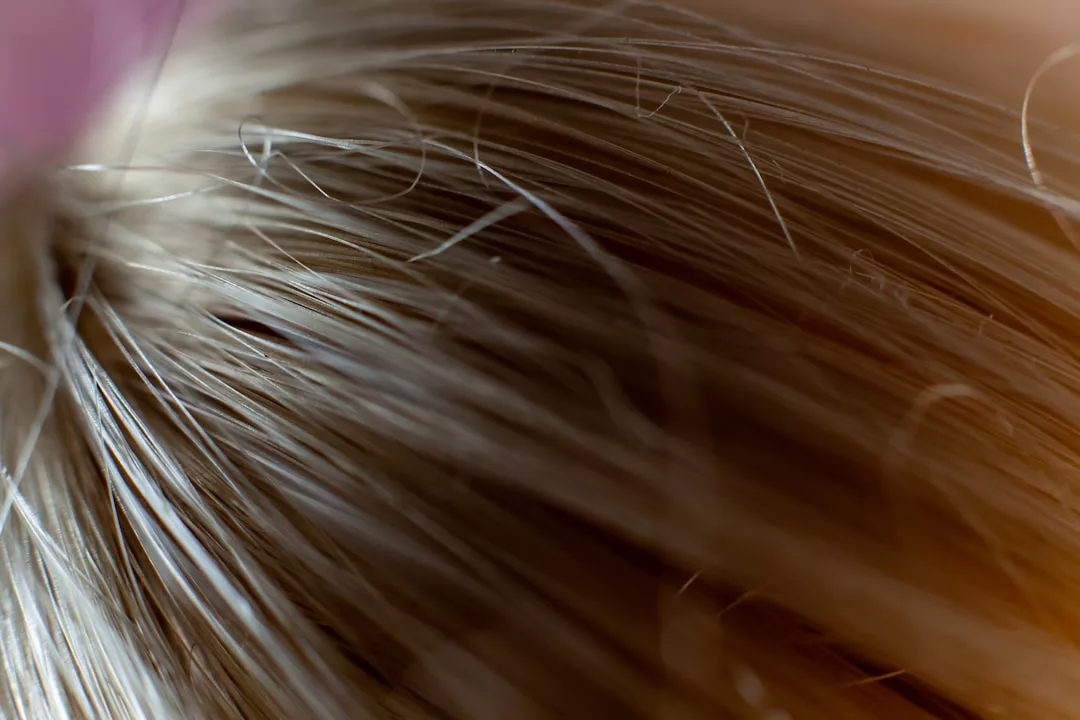
Hair oil has been a staple in hair care routines across various cultures for centuries, revered for its ability to nourish, protect, and enhance the natural beauty of hair. The practice of using oils on hair can be traced back to ancient civilizations, where natural oils were extracted from seeds, nuts, and fruits to maintain healthy locks. In many cultures, hair is considered a symbol of beauty and vitality, and the use of hair oil has been an integral part of rituals aimed at promoting hair health.
Today, the resurgence of interest in natural beauty products has brought hair oils back into the spotlight, with a plethora of options available to cater to diverse hair types and concerns. The appeal of hair oil lies not only in its historical significance but also in its versatility. Whether you have dry, frizzy hair or are looking to add shine and manageability to your tresses, there is likely a hair oil that can meet your needs.
The formulation of these oils can vary widely, with some designed for deep conditioning while others focus on providing a protective barrier against environmental stressors. As consumers become more aware of the ingredients in their beauty products, the demand for natural and organic hair oils has surged, leading to innovative blends that harness the power of nature to promote healthy hair.
Key Takeaways
- Hair oil is a popular hair care product that can provide numerous benefits for the hair and scalp.
- Using hair oil can help nourish and moisturize the hair, promote hair growth, and improve overall hair health.
- There are different types of hair oils, such as coconut oil, argan oil, and jojoba oil, each with its own unique properties and benefits.
- When choosing the right hair oil for your hair type, consider factors such as hair texture, scalp condition, and specific hair care needs.
- Applying hair oil properly and incorporating it into your hair care routine can help maximize its benefits and promote healthier, more beautiful hair.
Benefits of Using Hair Oil
The benefits of using hair oil are manifold, making it an essential component of many hair care regimens. Oils penetrate the hair shaft more effectively than many traditional conditioners, providing essential nutrients that help to restore moisture balance.
This is particularly beneficial for individuals with dry or damaged hair, as it can help to reduce breakage and split ends, leading to healthier-looking strands. In addition to hydration, hair oils can also enhance shine and luster. Many oils contain fatty acids and vitamins that contribute to a glossy finish, making hair appear more vibrant and well-groomed.
For those struggling with frizz or flyaways, a few drops of oil can smooth the cuticle layer, creating a sleeker appearance. Furthermore, certain oils possess protective properties that shield hair from environmental damage caused by UV rays, pollution, and heat styling tools. This protective barrier can be crucial for maintaining the integrity of the hair over time.
Different Types of Hair Oils
The market is flooded with various types of hair oils, each offering unique benefits tailored to specific hair needs. Coconut oil is one of the most popular choices due to its lightweight texture and ability to penetrate the hair shaft effectively. Rich in lauric acid, coconut oil helps to reduce protein loss in both damaged and undamaged hair, making it an excellent option for those looking to strengthen their strands. It is particularly effective for taming frizz and adding shine without weighing the hair down. Jojoba oil closely resembles the natural sebum produced by our scalp, making it an ideal choice for balancing oil production and providing moisture without clogging pores.
Other notable oils include olive oil, which is renowned for its deep conditioning properties; castor oil, known for promoting hair growth; and almond oil, which is rich in vitamins E and D and helps nourish the scalp. Each type of oil has its own unique composition and benefits, allowing individuals to select one that aligns with their specific hair care goals.
How to Choose the Right Hair Oil for Your Hair Type
Selecting the right hair oil requires an understanding of your individual hair type and its specific needs. For those with fine or thin hair, lightweight oils such as argan or grapeseed oil are ideal as they provide nourishment without weighing the hair down. These oils can be used sparingly to avoid greasiness while still delivering essential moisture.
On the other hand, individuals with thick or coarse hair may benefit from heavier oils like coconut or olive oil. These oils can provide intense hydration and help manage frizz effectively. Additionally, those with curly or textured hair often find that thicker oils help define their curls while reducing dryness.
It’s also important to consider any specific concerns you may have, such as scalp health or dandruff. For instance, tea tree oil is known for its antifungal properties and can be beneficial for those dealing with scalp issues. Ultimately, understanding your hair’s unique characteristics will guide you in choosing an oil that complements your overall hair care routine.
How to Apply Hair Oil
Applying hair oil correctly is crucial for maximizing its benefits. The method of application can vary depending on whether you are using it as a treatment or a styling aid. For deep conditioning treatments, it’s best to apply the oil to dry or slightly damp hair before washing.
Start by warming a small amount of oil in your palms and then distribute it evenly through your hair, focusing on the ends where damage is most likely to occur. For added effectiveness, consider wrapping your hair in a warm towel or using a shower cap to create a mini sauna effect that allows the oil to penetrate more deeply. When using hair oil as a styling product, a few drops can be applied to damp or dry hair after washing.
This method helps tame frizz and adds shine without making the hair feel greasy. It’s important to start with a small amount, typically a dime-sized portion, and gradually increase if necessary. Applying too much oil can lead to buildup and an unkempt appearance.
Tips for Maximizing the Benefits of Hair Oil
To truly harness the power of hair oils, there are several tips that can enhance their effectiveness. First and foremost, consistency is key; incorporating hair oil into your routine regularly will yield better results over time. Whether you choose to use it as a pre-wash treatment or a leave-in conditioner, establishing a routine will help maintain optimal moisture levels in your hair.
Another effective strategy is to combine different types of oils for a customized blend that addresses multiple concerns simultaneously. For example, mixing coconut oil with argan oil can provide both deep hydration and shine enhancement. Additionally, consider incorporating essential oils such as lavender or rosemary into your blend for added benefits like promoting scalp health or stimulating hair growth.
Lastly, pay attention to how your hair responds to different oils and adjust your usage accordingly. Some individuals may find that certain oils work better during specific seasons; for instance, heavier oils may be more beneficial during winter months when humidity levels drop.
Common Mistakes to Avoid When Using Hair Oil
While using hair oil can be incredibly beneficial, there are common pitfalls that many people encounter. One frequent mistake is applying too much product at once. Overloading your hair with oil can lead to greasiness and buildup on both the strands and scalp.
It’s advisable to start with a small amount and gradually increase as needed based on your hair’s response. Another common error is neglecting the scalp when applying oil. Many individuals focus solely on the lengths and ends of their hair but forget that a healthy scalp is essential for overall hair health.
Massaging oil into the scalp can stimulate blood circulation and promote healthy growth while also addressing dryness or flakiness. Additionally, failing to wash out excess oil properly can lead to residue buildup over time. It’s important to use a clarifying shampoo occasionally if you notice your hair feeling weighed down or greasy after using oils regularly.
DIY Hair Oil Recipes
Creating your own DIY hair oil blends can be an enjoyable way to tailor treatments specifically for your needs while ensuring you know exactly what goes into your products. A simple yet effective recipe involves combining equal parts coconut oil and jojoba oil for a nourishing blend that hydrates while balancing scalp sebum production. This mixture can be warmed slightly before application for enhanced absorption.
For those looking to promote growth, consider infusing castor oil with rosemary essential oil. Mix two tablespoons of castor oil with a few drops of rosemary essential oil in a small bottle. This combination not only nourishes but also stimulates blood flow to the scalp, potentially encouraging new growth.
Another delightful option is a soothing lavender-infused oil blend. Combine sweet almond oil with dried lavender flowers in a glass jar and let it sit in a warm place for about two weeks before straining out the flowers. This calming blend can be used as a pre-wash treatment or added to bathwater for an indulgent experience.
Incorporating Hair Oil into Your Hair Care Routine
Integrating hair oil into your existing routine doesn’t have to be complicated; it can seamlessly complement other products you already use. For instance, if you typically apply conditioner after shampooing, consider adding a few drops of oil into your conditioner before application for an extra boost of hydration. Alternatively, you might choose to use hair oil as part of your styling process after washing your hair.
Applying it on damp strands before blow-drying can help protect against heat damage while also providing moisture and shine. For those who enjoy overnight treatments, applying a generous amount of oil before bed can allow it ample time to penetrate while you sleep. Just remember to cover your pillow with an old towel or use a shower cap to prevent any staining.
Frequently Asked Questions About Hair Oil
Many people have questions regarding the use of hair oils in their routines. One common inquiry is whether it’s necessary to wash out the oil after application. The answer largely depends on how you’re using it; if applied as a treatment before washing, it should be rinsed out thoroughly afterward.
However, if used sparingly as a styling aid on dry or damp hair, it does not need to be washed out. Another frequent question pertains to how often one should use hair oil. This varies based on individual needs; those with dry or damaged hair may benefit from more frequent applications compared to individuals with oily scalps who might prefer less frequent use.
Lastly, many wonder if they can mix different types of oils together safely. Generally speaking, combining oils is perfectly fine as long as they complement each other’s properties; however, it’s wise to test any new blend on a small section of hair first to ensure compatibility.
Embracing the Power of Hair Oil
Hair oils offer an array of benefits that cater to various needs within the realm of hair care. From enhancing moisture levels and promoting shine to protecting against environmental damage and stimulating growth, these versatile products have earned their place in modern beauty routines. By understanding how different oils work and how best to incorporate them into daily practices, individuals can unlock their full potential for healthier, more vibrant locks.
Embracing the power of natural ingredients through thoughtful application will not only enhance one’s appearance but also foster a deeper connection with personal care rituals rooted in tradition and efficacy.
More in
More from Beauty
Beauty · 8 min
Unlocking Radiant Skin with Serum
In the realm of skincare, serums have emerged as a transformative product that can significantly enhance the health and appearance of the skin. Unlike…

Beauty · 9 min
Revitalize Your Skin with Toner: The Ultimate Guide
Toner has long been a staple in many skincare routines, yet its purpose often remains misunderstood. Traditionally, toners were formulated to remove r…
Beauty · 8 min
Shiny and Smooth: The Ultimate Lip Gloss Guide
Lip gloss has long been a staple in the beauty industry, celebrated for its ability to enhance the natural beauty of lips while providing a glossy fin…