Beauty · Beauty
Unlocking the Benefits of Face Oil: A Must-Have for Glowing Skin
Face oil is a concentrated blend of botanical oils designed to nourish, hydrate, and protect the skin. These oils are derived from various plant sources, including seeds, nuts, and…
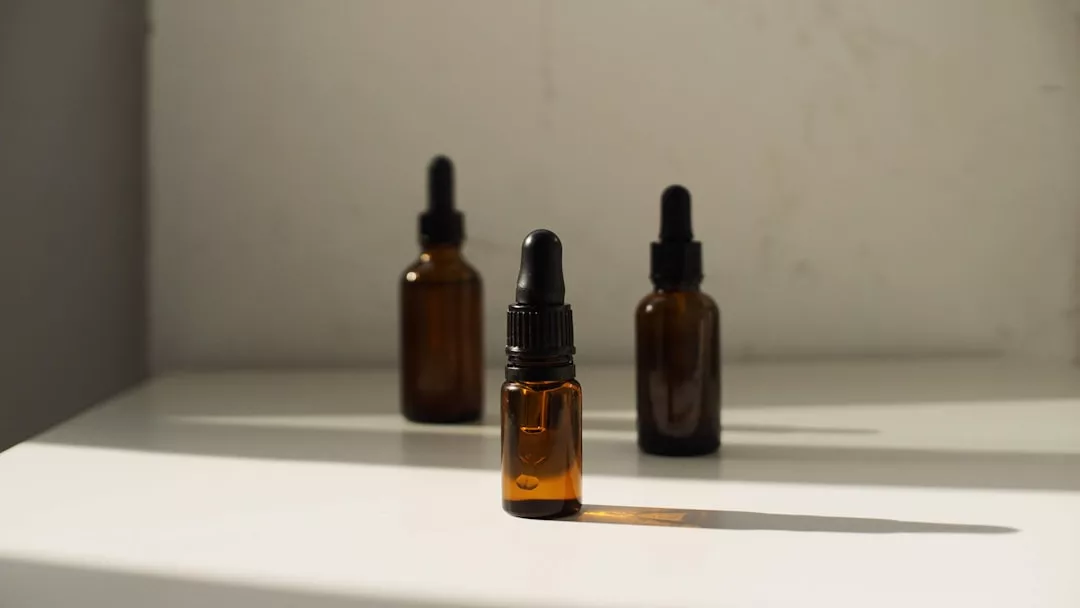
Face oil is a concentrated blend of botanical oils designed to nourish, hydrate, and protect the skin. These oils are derived from various plant sources, including seeds, nuts, and fruits, and are rich in essential fatty acids, vitamins, and antioxidants. Unlike traditional moisturizers that often contain water as a primary ingredient, face oils are anhydrous, meaning they do not contain water.
This unique composition allows them to penetrate the skin more deeply, providing a potent source of hydration and nourishment. The mechanism by which face oils work is multifaceted. They create a barrier on the skin’s surface that helps to lock in moisture, preventing transepidermal water loss.
This is particularly beneficial for individuals with dry or dehydrated skin. Additionally, the fatty acids found in face oils can help to restore the skin’s natural lipid barrier, which is essential for maintaining overall skin health. By delivering essential nutrients directly to the skin, face oils can enhance the skin’s texture and appearance, making it look more radiant and youthful.
Key Takeaways
- Face oil is a skincare product that helps to nourish and protect the skin by providing a barrier against environmental stressors and locking in moisture.
- Using face oil can help to improve skin hydration, reduce the appearance of fine lines and wrinkles, and promote a healthy, radiant complexion.
- It’s important to choose a face oil that is suitable for your specific skin type, whether it’s dry, oily, combination, or sensitive.
- Incorporating face oil into your skincare routine can be as simple as applying a few drops after cleansing and before moisturizing, or mixing it with your moisturizer for added benefits.
- Face oil can also be used as a primer for makeup, providing a smooth base and helping makeup to last longer throughout the day.
The Benefits of Using Face Oil for Your Skin
Incorporating face oil into your skincare regimen can yield a multitude of benefits. One of the most significant advantages is its ability to provide intense hydration. Many face oils contain ingredients like jojoba oil or argan oil, which mimic the skin’s natural sebum.
This similarity allows them to be easily absorbed, delivering moisture without leaving a greasy residue. As a result, skin feels plump and supple, reducing the appearance of fine lines and dryness. Moreover, face oils can offer protective benefits against environmental stressors.
Many oils are rich in antioxidants, which combat free radicals that can lead to premature aging. For instance, rosehip oil is known for its high vitamin C content, which not only brightens the complexion but also helps to repair damaged skin.
Choosing the Right Face Oil for Your Skin Type
Selecting the appropriate face oil for your specific skin type is crucial for maximizing its benefits. For those with oily or acne-prone skin, lightweight oils such as grapeseed oil or squalane are ideal. These oils have a non-comedogenic nature, meaning they won’t clog pores while still providing necessary hydration.
Grapeseed oil is particularly beneficial due to its high linoleic acid content, which can help regulate sebum production. Conversely, individuals with dry or mature skin may benefit from richer oils like avocado oil or marula oil. These oils are packed with fatty acids and vitamins that provide deep nourishment and hydration.
Avocado oil is known for its ability to penetrate deeply into the skin, delivering moisture and promoting elasticity. Understanding your skin type and its unique needs will guide you in selecting the most effective face oil for your skincare goals.
How to Incorporate Face Oil into Your Skincare Routine
Integrating face oil into your skincare routine can be done seamlessly with a few simple steps. It is generally recommended to apply face oil after your serums but before your moisturizer. This layering technique allows the oil to lock in the benefits of the products applied beforehand while providing an additional layer of hydration.
Start by cleansing your face thoroughly and applying any toners or serums you typically use. Once your skin is prepped, dispense a few drops of face oil into your palms and gently warm it between your hands. This warming process helps to activate the oil’s properties and makes it easier to spread across your skin.
Using your fingertips, apply the oil in upward motions, focusing on areas that may require extra attention, such as dry patches or fine lines. Allow the oil to absorb fully before applying your moisturizer or sunscreen to ensure maximum efficacy.
Face Oil as a Primer for Makeup
Face oils can serve as an excellent primer for makeup application, providing a smooth canvas that enhances the overall finish of your makeup look. When used as a primer, face oils can help to hydrate the skin while creating a dewy glow that many desire in their makeup routine. The key is to choose a lightweight oil that absorbs quickly without leaving a greasy residue.
To use face oil as a primer, apply it after your skincare routine but before foundation application. A few drops massaged into the skin can create a luminous base that allows foundation to glide on effortlessly. For those with oily skin, it’s advisable to use a minimal amount of oil or opt for a mattifying primer afterward to balance shine throughout the day.
The result is a radiant complexion that looks fresh and vibrant.
Face Oil for Hydration and Nourishment
One of the primary functions of face oil is its ability to provide deep hydration and nourishment to the skin. Many face oils are formulated with ingredients that are rich in essential fatty acids, vitamins, and antioxidants that work synergistically to improve skin health. For instance, oils like sweet almond oil and coconut oil are known for their emollient properties, which help to soften and smooth the skin.
In addition to hydration, face oils can also deliver vital nutrients that support skin repair and regeneration. Oils such as sea buckthorn oil are packed with vitamins A, C, and E, which are crucial for maintaining healthy skin function. These nutrients not only hydrate but also promote cell turnover and repair damaged tissues, leading to a more youthful appearance over time.
Face Oil for Anti-Aging Benefits
The anti-aging benefits of face oils are well-documented and make them a popular choice among those looking to maintain youthful skin. Many face oils contain potent antioxidants that combat oxidative stress caused by environmental factors such as pollution and UV exposure. For example, pomegranate seed oil is renowned for its high levels of punicic acid and antioxidants that help protect against free radical damage.
Additionally, certain oils can stimulate collagen production, which is essential for maintaining skin elasticity and firmness. Oils like rosehip seed oil contain trans-retinoic acid, which has been shown to improve skin texture and reduce the appearance of fine lines and wrinkles. Regular use of these oils can lead to visibly firmer and smoother skin over time.
Face Oil for Acne-Prone Skin
Contrary to common misconceptions, face oils can be beneficial for acne-prone skin when chosen wisely. The key lies in selecting non-comedogenic oils that won’t clog pores while still providing necessary hydration. Oils such as jojoba oil are particularly effective because they closely resemble the natural sebum produced by our skin, helping to balance oil production without exacerbating breakouts.
Moreover, certain face oils possess anti-inflammatory properties that can soothe irritated skin and reduce redness associated with acne. Tea tree oil is well-known for its antibacterial properties and can be diluted with carrier oils like argan or hemp seed oil for safe application on blemish-prone areas. By incorporating these targeted oils into their routine, individuals with acne-prone skin can achieve clearer complexions without sacrificing hydration.
DIY Face Oil Blends for Customized Skincare
Creating DIY face oil blends allows individuals to tailor their skincare products according to their specific needs and preferences. By combining different carrier oils with essential oils, one can create a personalized blend that addresses unique concerns such as dryness, sensitivity, or aging. For instance, mixing jojoba oil with lavender essential oil can create a calming blend perfect for sensitive or irritated skin.
When crafting DIY blends, it’s essential to consider the properties of each ingredient used. For example, adding vitamin E oil not only enhances the blend’s antioxidant properties but also acts as a natural preservative. Additionally, experimenting with different ratios can help achieve the desired consistency and effectiveness of the blend.
This hands-on approach not only fosters creativity but also ensures that users know exactly what they are applying to their skin.
Tips for Applying Face Oil for Maximum Benefits
To maximize the benefits of face oil application, certain techniques can enhance absorption and efficacy. First and foremost, applying face oil on slightly damp skin can significantly improve its hydrating effects. After cleansing or toning, patting the skin lightly with water before applying the oil allows it to lock in moisture more effectively.
Another effective method is using facial massage techniques during application. Gently massaging the oil into the skin not only promotes better absorption but also stimulates blood circulation, enhancing overall radiance. Tools such as jade rollers or gua sha stones can further elevate this experience by providing additional lymphatic drainage benefits while ensuring even distribution of the product across the face.
Common Myths and Misconceptions About Face Oil
Despite their growing popularity in skincare routines, several myths surrounding face oils persist. One prevalent misconception is that all face oils are greasy and unsuitable for oily or acne-prone skin; however, this is far from true. As previously mentioned, many lightweight oils are specifically formulated to hydrate without clogging pores or leaving an oily residue.
Another common myth is that using face oil will lead to breakouts; in reality, when used correctly with non-comedogenic options tailored for specific skin types, face oils can actually help balance sebum production and improve overall skin clarity.
More in
More from Beauty

Beauty · 8 min
Unlocking Radiant Skin with Serum
In the realm of skincare, serums have emerged as a transformative product that can significantly enhance the health and appearance of the skin. Unlike…

Beauty · 9 min
Revitalize Your Skin with Toner: The Ultimate Guide
Toner has long been a staple in many skincare routines, yet its purpose often remains misunderstood. Traditionally, toners were formulated to remove r…
Beauty · 8 min
Shiny and Smooth: The Ultimate Lip Gloss Guide
Lip gloss has long been a staple in the beauty industry, celebrated for its ability to enhance the natural beauty of lips while providing a glossy fin…