Jewelry · Jewelry
Unlocking the Elegance of the Emerald Cut
The emerald cut has a rich and storied history that dates back to the 15th century, originating in the lapidary practices of the Spanish and Portuguese jewelers. Initially designed…
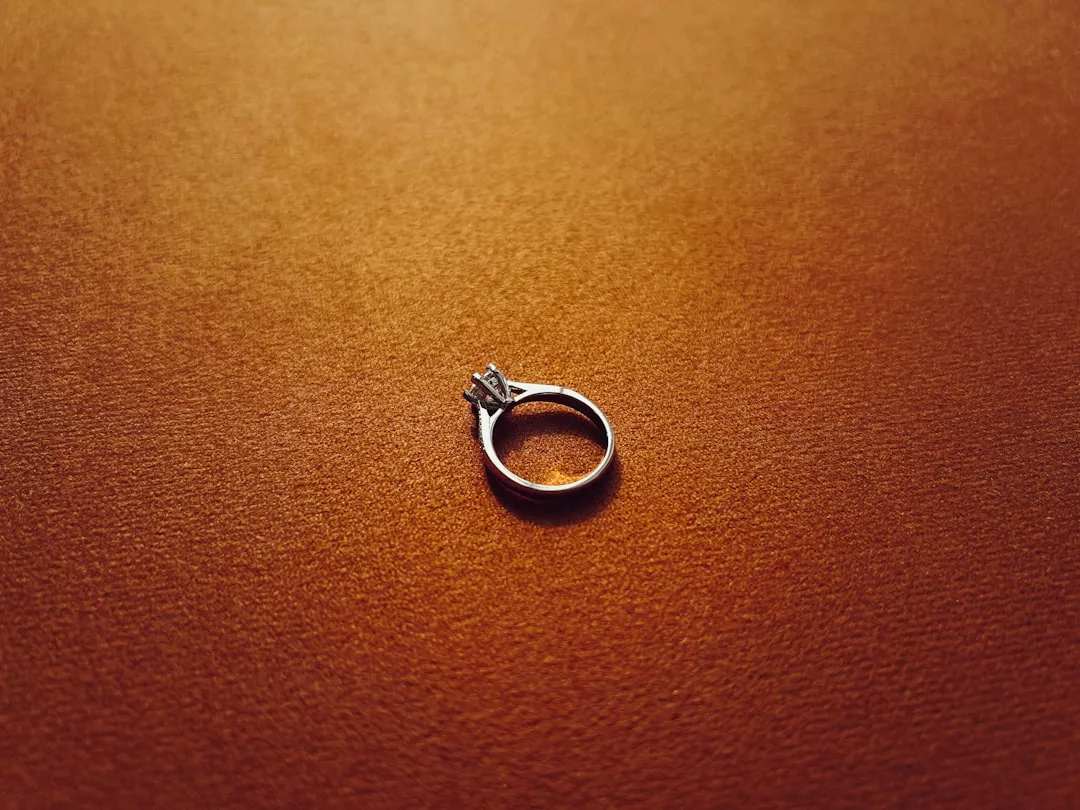
The emerald cut has a rich and storied history that dates back to the 15th century, originating in the lapidary practices of the Spanish and Portuguese jewelers. Initially designed for emeralds, the cut was developed to enhance the stone’s color and clarity while minimizing the risk of chipping, which is particularly important for softer gemstones. The rectangular shape with truncated corners allowed for a larger surface area, showcasing the stone’s vibrant green hues.
Over time, this cut evolved to accommodate diamonds and other gemstones, becoming a staple in the world of fine jewelry. As the centuries progressed, the emerald cut gained popularity among European aristocracy and royalty. Its elegant lines and sophisticated appearance made it a favored choice for engagement rings and statement pieces.
The Art Deco movement of the 1920s further propelled the emerald cut into the limelight, as designers embraced geometric shapes and clean lines. This period saw the emergence of bold designs that highlighted the emerald cut’s unique characteristics, leading to its enduring status as a symbol of luxury and refinement.
Key Takeaways
- The emerald cut has a rich history dating back to the 16th century, originally designed for emeralds to minimize waste during cutting.
- Characteristics of the emerald cut include a rectangular shape, step-cut facets, and a large open table, which highlights the clarity of the stone.
- When choosing a setting for an emerald cut, consider a four-prong setting to protect the corners and showcase the stone’s elegant shape.
- The emerald cut has gained popularity in engagement rings for its timeless and sophisticated look, favored by celebrities and trendsetters.
- To care for an emerald cut stone, avoid exposing it to harsh chemicals, clean it regularly, and have it professionally inspected and maintained.
Understanding the Characteristics of the Emerald Cut
The emerald cut is distinguished by its rectangular shape, featuring step-like facets that create a hall of mirrors effect. This unique facet arrangement allows for a captivating play of light, emphasizing clarity over brilliance. Unlike brilliant cuts, which are designed to maximize sparkle, the emerald cut showcases a stone’s internal characteristics, making clarity an essential factor in its selection.
The open table and large facets can reveal inclusions or imperfections, so high-quality stones are often preferred for this cut. Another defining characteristic of the emerald cut is its elongated shape, which can create an illusion of greater size. This aspect makes it particularly appealing to those seeking a dramatic yet understated look.
The cut typically features a 1.5:1 or 2:1 ratio, although variations exist. The corners are often clipped or beveled, softening the overall appearance and adding to its elegance. When set in jewelry, the emerald cut can be framed by smaller stones or paired with intricate designs that enhance its beauty without overshadowing it.
Choosing the Right Setting for an Emerald Cut
Selecting the right setting for an emerald cut stone is crucial to maximizing its beauty and ensuring it complements the wearer’s style. Classic settings such as solitaire or three-stone designs allow the emerald cut to take center stage, showcasing its unique shape and clarity. A solitaire setting, with its simple band and single stone, emphasizes the elegance of the emerald cut while providing a timeless appeal.
On the other hand, a three-stone setting can symbolize the past, present, and future, making it a popular choice for engagement rings. For those looking to add a modern twist to their emerald cut jewelry, halo settings are an excellent option. A halo of smaller diamonds or gemstones encircling the central emerald cut can enhance its brilliance and create a striking contrast.
Additionally, settings that incorporate intricate metalwork or vintage-inspired designs can further elevate the overall aesthetic. When choosing a setting, it’s essential to consider factors such as metal type, band width, and additional embellishments to ensure that they harmonize with the emerald cut’s distinctive features.
The Popularity of the Emerald Cut in Engagement Rings
In recent years, the emerald cut has surged in popularity as a choice for engagement rings, appealing to couples seeking something unique yet timeless. Its sophisticated appearance sets it apart from more traditional round brilliant cuts, making it an ideal option for those who want to express their individuality. Celebrities and public figures have also contributed to this trend; notable personalities like Beyoncé and Amal Clooney have been spotted wearing stunning emerald cut engagement rings, further solidifying its status as a fashionable choice.
The allure of the emerald cut lies not only in its aesthetic appeal but also in its symbolism. The elongated shape is often associated with elegance and sophistication, making it a fitting representation of love and commitment. Couples are increasingly drawn to this cut for its ability to convey a sense of modernity while still maintaining a classic charm.
As more individuals seek personalized and meaningful engagement rings, the emerald cut continues to capture hearts and inspire creativity in design.
How to Care for and Maintain an Emerald Cut Stone
Caring for an emerald cut stone requires attention to detail due to its unique characteristics and potential vulnerabilities. Regular cleaning is essential to maintain its brilliance and clarity. A gentle solution of warm water and mild soap can be used to clean the stone; however, it’s crucial to avoid harsh chemicals that may damage both the stone and its setting.
A soft brush can help remove dirt from hard-to-reach areas, particularly around the facets where grime may accumulate. In addition to regular cleaning, proper storage is vital for preserving an emerald cut stone’s integrity. It is advisable to store jewelry pieces separately in soft pouches or lined boxes to prevent scratches or damage from contact with other pieces.
When wearing an emerald cut ring or pendant, one should be cautious during activities that may expose it to impact or harsh conditions. Regular inspections by a professional jeweler can also help identify any potential issues with the setting or stone before they become significant problems.
The Versatility of the Emerald Cut in Jewelry Design
Versatility in Design
Its geometric shape makes it suitable for both modern and vintage styles, allowing designers to experiment with different settings and combinations of materials. For instance, an emerald cut diamond pendant can be paired with delicate chains for a minimalist look or surrounded by colorful gemstones for a more vibrant statement piece.Combining Cuts for Unique Designs
Emerald cuts can also be used in combination with other cuts to create unique designs that showcase multiple stones. For example, pairing an emerald cut center stone with round brilliant side stones can create a stunning contrast that highlights each stone’s individual beauty.A Favorite Among Jewelers
This adaptability makes the emerald cut a favorite among jewelers who seek to create innovative pieces that cater to diverse tastes and preferences.Famous Emerald Cut Diamonds and Gemstones
Throughout history, several famous emerald cut diamonds and gemstones have captured public attention due to their size, beauty, and storied pasts. One of the most renowned is the “Koh-i-Noor,” a diamond weighing 105 carats that has been part of British royal history since its acquisition by Queen Victoria in 1850. The diamond’s emerald cut enhances its clarity and brilliance while showcasing its rich history as one of the largest diamonds in existence.
Another notable example is Elizabeth Taylor’s “Taylor-Burton Diamond,” a 69.42-carat diamond that was famously set in an emerald cut ring given to her by Richard Burton. This piece not only symbolizes their passionate relationship but also highlights how the emerald cut can elevate even the most exquisite stones into iconic status. These examples illustrate how emerald cuts have been associated with luxury and prestige throughout history.
The Art of Customizing an Emerald Cut Piece
Customizing an emerald cut piece allows individuals to create something truly unique that reflects their personal style and story. This process often begins with selecting an emerald cut stone that resonates with the buyer’s preferences regarding color, clarity, and carat weight.
Once the stone is chosen, clients can collaborate with designers to develop a setting that complements their vision. This may involve selecting specific metals, such as platinum or rose gold, and incorporating additional elements like side stones or intricate engravings. Customization not only results in a one-of-a-kind piece but also creates a deeper emotional connection between the wearer and their jewelry.
Tips for Buying an Emerald Cut Stone
When purchasing an emerald cut stone, several factors should be considered to ensure you select a high-quality gem that meets your expectations. First and foremost is clarity; since this cut emphasizes transparency and internal characteristics, opting for a stone with minimal inclusions is crucial. A clarity grade of VS1 or higher is often recommended for optimal visual appeal.
Color is another important aspect; while many people associate emerald cuts with colorless diamonds, colored gemstones such as sapphires or aquamarines can also be stunning choices. When selecting colorless stones, look for those with minimal yellow or brown tinting, ideally rated G-H on the GIA scale for near-colorless options. Additionally, consider carat weight; larger stones tend to command higher prices but may not always be necessary depending on personal preference and budget constraints.
The Symbolism and Meaning of the Emerald Cut
The symbolism associated with the emerald cut extends beyond its aesthetic appeal; it embodies qualities such as elegance, sophistication, and clarity of thought. The elongated shape is often interpreted as representing growth and progress, a fitting metaphor for relationships that evolve over time. Many couples choose emerald cuts for engagement rings not only because of their beauty but also due to these deeper meanings.
In various cultures, gemstones have been attributed with specific meanings; for instance, emeralds are often associated with love and rebirth due to their vibrant green color. This connection enhances the significance of an emerald cut piece as it symbolizes enduring love and commitment while also serving as a reminder of personal growth within relationships.
The Future of the Emerald Cut in Jewelry Trends
As trends in jewelry design continue to evolve, the emerald cut remains relevant due to its timeless elegance and versatility. In recent years, there has been a noticeable shift towards personalized jewelry that tells individual stories; this trend aligns perfectly with the unique characteristics of the emerald cut. As more consumers seek distinctive pieces that reflect their identities rather than conforming to traditional styles, we can expect continued interest in this classic cut.
Moreover, advancements in technology have made it easier for jewelers to create innovative designs that incorporate emerald cuts alongside other elements such as colored gemstones or mixed metals. This fusion of traditional craftsmanship with modern techniques will likely lead to exciting new interpretations of the emerald cut in future collections. As sustainability becomes increasingly important in consumer choices, ethically sourced stones will also play a significant role in shaping future trends within this category.
The enduring appeal of the emerald cut lies not only in its historical significance but also in its ability to adapt to contemporary tastes while maintaining its classic charm. As we look ahead, it is clear that this iconic cut will continue to captivate jewelry enthusiasts around the world for generations to come.
More in
More from Jewelry
Jewelry · 8 min
Stylish Bar Jewelry: Elevate Your Look
Bar jewelry has emerged as a captivating trend in the world of accessories, captivating fashion enthusiasts and casual wearers alike. Characterized by…
Jewelry · 9 min
Bangle: A Timeless Fashion Accessory
Bangle jewelry has a rich and diverse history that spans across various cultures and epochs. The origins of bangles can be traced back to ancient civi…
Jewelry · 11 min
Mastering Micro Pavé: The Art of Intricate Jewelry Design
Micro pavé is a sophisticated jewelry setting technique that involves the meticulous placement of small gemstones, typically diamonds, into a metal su…