Family · Family
Unraveling Your Family Tree: Tracing Your Ancestry
Genealogy, the study of family lineage and history, has gained significant traction in recent years, fueled by a growing interest in personal heritage and identity. This field enco…
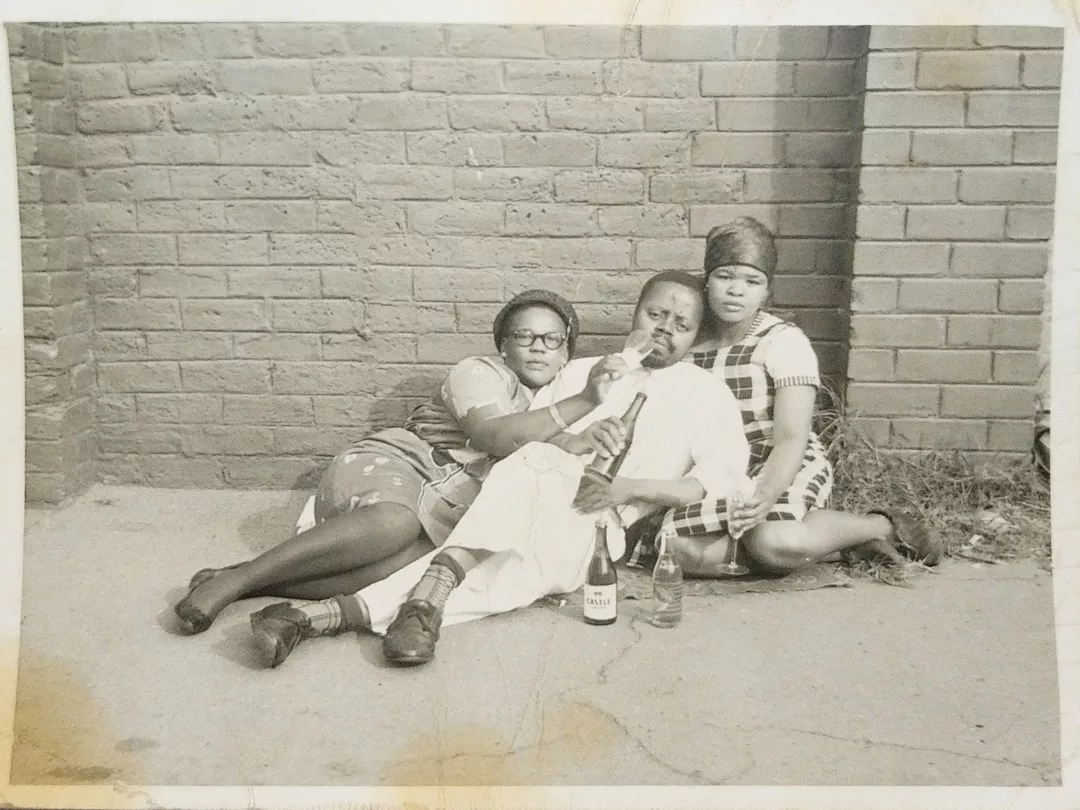
Genealogy, the study of family lineage and history, has gained significant traction in recent years, fueled by a growing interest in personal heritage and identity. This field encompasses a wide array of practices, from meticulous record-keeping to the exploration of cultural narratives that shape familial identities. Ancestry, a subset of genealogy, specifically focuses on tracing lineage and understanding the connections between individuals and their forebears.
The allure of uncovering one’s roots is not merely about names and dates; it is about understanding the stories, struggles, and triumphs that have shaped a family over generations. The rise of technology has transformed the landscape of genealogy, making it more accessible than ever before. Online databases, social media platforms, and DNA testing services have democratized the process of ancestry research, allowing individuals to delve into their past with unprecedented ease.
As people seek to connect with their heritage, they often find themselves on a journey that reveals not only their familial connections but also broader historical narratives that resonate with their own life experiences. This exploration can lead to profound insights about identity, culture, and the shared human experience.
Key Takeaways
- Genealogy and ancestry research involves tracing and documenting the lineage and history of one’s family.
- Gathering information and documents from family members, public records, and other sources is crucial for starting genealogical research.
- Online resources such as ancestry websites, genealogy databases, and social media platforms can be valuable tools for ancestral research.
- DNA testing can provide insights into ancestral connections and help in building a more comprehensive family tree.
- Organizing and analyzing family tree information is essential for making sense of the data and identifying gaps in the research.
Getting Started: Gathering Information and Documents
The first step in any genealogical endeavor is to gather as much information as possible about one’s family. This process often begins at home, where individuals can collect documents such as birth certificates, marriage licenses, and death records. These primary sources serve as the foundation for building a family tree and provide essential details about names, dates, and relationships.
Additionally, family bibles, letters, photographs, and oral histories can offer invaluable context and personal anecdotes that enrich the genealogical narrative. Engaging with older relatives can be particularly fruitful in this initial phase. Conversations with grandparents or great-aunts can yield stories that may not be documented elsewhere.
These narratives often include details about family traditions, migrations, and significant life events that are crucial for understanding the family’s history. Recording these conversations, whether through audio or video, can preserve these stories for future generations. Assembling this information creates a robust starting point for further research and helps to establish a clearer picture of one’s ancestry.
Utilizing Online Resources for Ancestry Research
The digital age has ushered in a plethora of online resources that have revolutionized the way individuals conduct ancestry research. Websites such as Ancestry.com, MyHeritage, and FamilySearch offer vast databases filled with historical records, census data, and user-generated family trees. These platforms allow users to search for their ancestors using various filters, including names, locations, and dates.
The ability to access such extensive archives from the comfort of one’s home has made genealogy more approachable for many. Moreover, these online resources often include tools for building family trees and connecting with other researchers. Users can collaborate with distant relatives who may have already conducted research on shared ancestors, facilitating a more comprehensive understanding of family history.
Additionally, many platforms provide access to historical newspapers and military records, which can shed light on the lives of ancestors in ways that traditional records may not capture. The integration of technology into genealogy has not only streamlined the research process but has also fostered a sense of community among those engaged in uncovering their heritage.
Exploring DNA Testing for Ancestral Connections
In recent years, DNA testing has emerged as a groundbreaking tool in genealogical research. Companies like 23andMe and AncestryDNA offer tests that analyze an individual’s genetic material to provide insights into ancestral origins and potential familial connections. By comparing DNA samples with those of others in their databases, users can discover relatives they may not have known existed and gain a clearer understanding of their ethnic background.
The implications of DNA testing extend beyond mere curiosity; they can also help resolve questions about lineage that traditional records may not answer. For instance, adoptees seeking information about their biological families can use DNA tests to connect with birth relatives or uncover unknown ancestry. Furthermore, these tests can reveal migration patterns and historical connections that align with documented family histories, enriching the overall narrative of one’s ancestry.
However, it is essential to approach DNA testing with an understanding of its limitations and ethical considerations, particularly regarding privacy and the potential emotional impact of unexpected results.
Organizing and Analyzing Your Family Tree
Once sufficient information has been gathered, organizing and analyzing the data becomes crucial for effective genealogical research. Creating a family tree is often the most visual representation of one’s ancestry, allowing researchers to see connections at a glance. Various software programs and online platforms provide templates for building family trees that can be customized to include photos, documents, and notes about each individual.
Analyzing the data collected is equally important. Researchers should look for patterns in names, locations, and dates that may indicate migration trends or familial connections across generations. For example, if multiple ancestors share a particular surname or geographic origin, it may suggest a common lineage or cultural heritage worth exploring further.
Additionally, cross-referencing information from different sources can help verify facts and uncover discrepancies that may need further investigation. This analytical approach not only enhances the accuracy of the family tree but also deepens the researcher’s understanding of their ancestral narrative.
Understanding the Importance of Historical Context in Ancestral Research
Genealogy is not merely an exercise in collecting names; it is deeply intertwined with historical context. Understanding the social, political, and economic conditions during different periods can provide critical insights into the lives of ancestors. For instance, knowing about significant events such as wars, migrations, or economic depressions can illuminate why certain family members made specific choices or relocated to new areas.
Historical context also aids in interpreting records accurately. For example, census data from different eras may reflect varying societal norms regarding marriage or household structures. By situating ancestors within their historical milieu, researchers can better appreciate their experiences and challenges.
This broader perspective enriches the genealogical narrative by connecting individual stories to larger historical themes, thereby fostering a deeper appreciation for one’s heritage.
Overcoming Common Challenges in Tracing Ancestry
While genealogy can be an exciting journey of discovery, it is not without its challenges. Additionally, records may be incomplete or contain errors due to transcription mistakes or changes in naming conventions over time.
Researchers often encounter “brick walls,” where they struggle to find information about specific ancestors due to missing links in documentation. Another challenge lies in navigating cultural differences in naming practices across various regions and time periods. For instance, some cultures may have used patronymics or matronymics instead of fixed surnames, complicating lineage tracing.
Furthermore, language barriers can pose difficulties when accessing records written in foreign languages or dialects. To overcome these challenges, researchers must be persistent and resourceful; utilizing alternative sources such as local histories or community archives can often yield valuable information that traditional records do not capture.
Exploring International Ancestry and Immigration Records
As globalization continues to shape our world, many individuals find themselves tracing ancestry across international borders. Immigration records are particularly valuable for understanding how ancestors arrived in new countries and adapted to different cultures. These records often include passenger lists from ships or immigration documents that detail an individual’s journey and reasons for migration.
Exploring international ancestry requires an understanding of the historical context surrounding migration patterns. For example, many Irish families emigrated to the United States during the Great Famine in the mid-19th century due to dire economic conditions at home. Similarly, waves of immigrants from Eastern Europe sought refuge from political unrest during the early 20th century.
By examining these patterns alongside personal family histories, researchers can gain insights into how broader historical events influenced their ancestors’ lives.
Connecting with Living Relatives and Ancestral Communities
One of the most rewarding aspects of genealogical research is the opportunity to connect with living relatives who share a common ancestry. Online platforms often facilitate these connections by allowing users to search for potential relatives based on shared DNA or family trees. Reaching out to distant cousins can lead to exciting discoveries about shared heritage and familial stories that have been passed down through generations.
Additionally, engaging with ancestral communities, whether through local cultural organizations or online forums, can enhance one’s understanding of heritage. These communities often provide resources for learning about cultural traditions, languages, and histories that are integral to one’s identity. Participating in events such as family reunions or cultural festivals can further strengthen these connections and foster a sense of belonging within a larger narrative.
Preserving and Sharing Your Ancestral Discoveries
As genealogical research uncovers rich histories and narratives, preserving these findings becomes essential for future generations. Creating a comprehensive family history book or digital archive allows researchers to document their discoveries in an organized manner. Including photographs, documents, and personal anecdotes adds depth to the narrative and ensures that these stories are not lost over time.
Sharing ancestral discoveries with family members can also foster a sense of connection among relatives who may not have been aware of their shared history. Hosting family gatherings where stories are shared or creating online platforms where relatives can contribute their own findings encourages collaboration and engagement within the family unit. By actively preserving and sharing these discoveries, individuals contribute to a living legacy that honors their ancestors while enriching their own understanding of identity.
Embracing the Complexity and Diversity of Your Family Tree
Genealogy often reveals a tapestry of complexity within one’s family tree that reflects broader societal dynamics such as migration patterns, intermarriage between cultures, and varying social statuses across generations. Embracing this diversity allows individuals to appreciate the multifaceted nature of their heritage rather than viewing it through a singular lens. For instance, many families may discover connections to different ethnicities or cultures that were previously unknown to them.
This realization can lead to a deeper exploration of those cultural backgrounds, learning about traditions, languages, and histories that contribute to one’s identity today. Acknowledging this complexity fosters an appreciation for the rich tapestry of human experience while encouraging individuals to celebrate their unique heritage in all its forms. In conclusion, genealogy is an intricate journey that intertwines personal discovery with broader historical narratives.
By gathering information diligently, utilizing modern resources effectively, and embracing both challenges and complexities along the way, individuals can uncover profound insights into their ancestry that resonate deeply within their lives today.
More in
More from Family

Family · 9 min
Navigating Adolescence: Tips for Parents and Teens
Adolescence is a critical period of growth and transformation, marked by significant physical, emotional, and cognitive changes. This stage typically …

Family · 8 min
Breaking the Cycle: Confronting Domestic Violence
Domestic violence is a pervasive issue that transcends cultural, economic, and social boundaries. It encompasses a range of abusive behaviors that occ…

Family · 9 min
The Importance of Child Support for Single Parents
Single parenthood often brings with it a unique set of financial challenges that can significantly affect the quality of life for both the parent and …