News · News
5 Decluttering Tips for a Cleaner and Calmer Home
Decluttering has emerged as a vital practice in contemporary living, particularly as the pace of life accelerates and the demands of modern society increase. The act of declutterin…
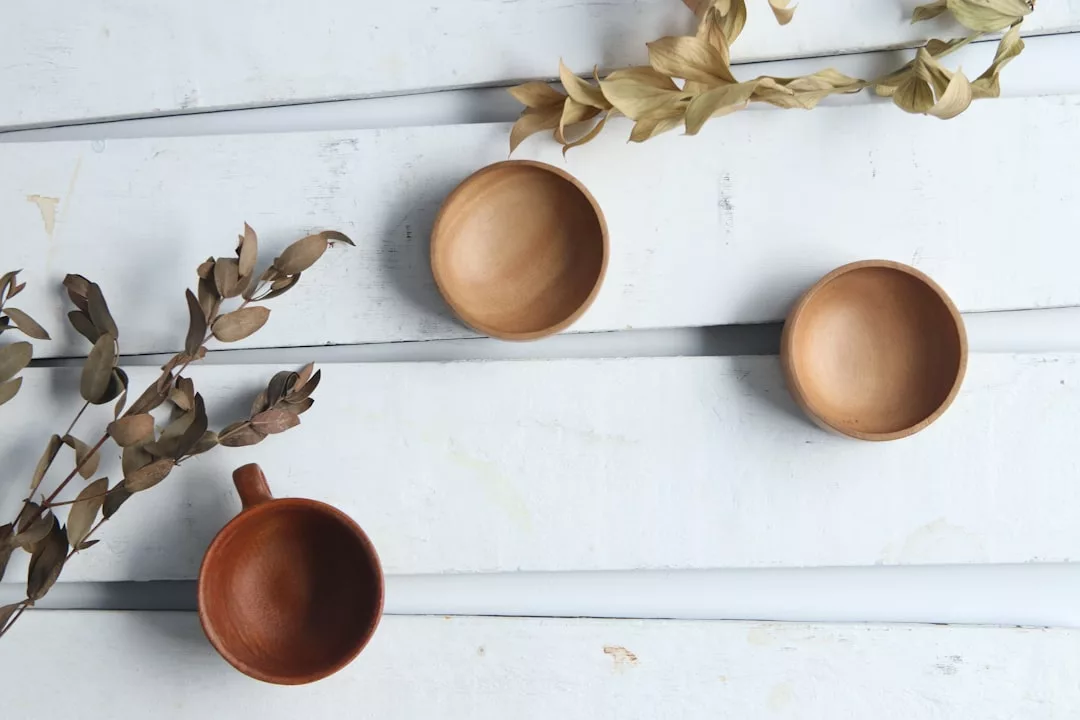
Decluttering has emerged as a vital practice in contemporary living, particularly as the pace of life accelerates and the demands of modern society increase. The act of decluttering transcends mere tidiness; it embodies a philosophy that promotes mental clarity, emotional well-being, and a more organized lifestyle. In a world inundated with material possessions, the process of decluttering serves as a powerful antidote to the chaos that often accompanies excessive accumulation.
It invites individuals to reflect on their belongings, assess their true value, and make conscious decisions about what to keep and what to release. The journey of decluttering is not solely about physical space; it also encompasses emotional and psychological dimensions. Many people find themselves attached to items that no longer serve a purpose, often due to nostalgia or societal pressures.
By engaging in decluttering, individuals can liberate themselves from the weight of these possessions, fostering a sense of freedom and empowerment. This article will explore various strategies and methodologies for effective decluttering, providing insights into how to create a serene and organized living environment.
Key Takeaways
- Decluttering is the process of removing unnecessary items from your living space to create a clean and organized environment.
- Assess your space by identifying problem areas and determining your decluttering goals.
- Sort and categorize your belongings into different groups to make the decluttering process more manageable.
- The KonMari Method, popularized by Marie Kondo, emphasizes keeping items that spark joy and discarding the rest.
- Utilize storage solutions such as bins, baskets, and shelves to maintain a clutter-free home.
Assessing Your Space
Before embarking on the decluttering journey, it is essential to conduct a thorough assessment of your space. This initial evaluation serves as the foundation for understanding the extent of clutter and identifying areas that require immediate attention. Begin by walking through each room in your home, taking note of spaces that feel overwhelming or disorganized.
Pay close attention to closets, drawers, and storage areas, as these often harbor forgotten items that contribute to clutter. As you assess your space, consider the functionality of each area. Are there rooms that are underutilized due to clutter?
Are there items that occupy valuable real estate without serving a clear purpose? Documenting your observations can provide clarity and motivation as you move forward with the decluttering process. Additionally, envision how you would like each space to function and feel.
This vision will guide your decision-making as you sort through your belongings and create a more harmonious living environment.
Sorting and Categorizing
Once you have assessed your space, the next step is sorting and categorizing your belongings. This process involves breaking down your possessions into manageable groups, making it easier to evaluate what to keep and what to discard. Start by selecting a specific area or category, such as clothing, books, or kitchenware, and focus on that before moving on to other categories.
This targeted approach prevents overwhelm and allows for a more systematic evaluation. Do I love it?
When was the last time I used it? These questions can help clarify your attachment to certain items and guide your decision-making process. Create distinct piles for items you wish to keep, donate, sell, or discard.
This visual representation of your belongings can be incredibly enlightening, revealing patterns in your consumption habits and helping you make informed choices about what truly adds value to your life.
The KonMari Method
One of the most popular decluttering methodologies is the KonMari Method, developed by tidying expert Marie Kondo. This approach emphasizes the importance of joy in the decluttering process, encouraging individuals to keep only those items that “spark joy.” The KonMari Method is structured around specific categories rather than rooms, which allows for a more holistic evaluation of belongings. The categories include clothing, books, papers, miscellaneous items, and sentimental items.
To implement the KonMari Method effectively, begin by gathering all items within a category in one place. For example, when tackling clothing, collect every piece from closets, drawers, and storage bins. This visual accumulation can be eye-opening, often revealing the sheer volume of items owned.
As you handle each item, take a moment to assess its emotional impact. If an item brings joy or serves a practical purpose, it deserves a place in your home; if not, it may be time to let it go. This method not only streamlines the decluttering process but also fosters a deeper connection with your belongings.
Utilizing Storage Solutions
After sorting through your belongings and determining what to keep, the next step is to implement effective storage solutions that promote organization and accessibility. Proper storage is crucial for maintaining a clutter-free environment; it ensures that items have designated places and can be easily retrieved when needed. Consider investing in storage bins, baskets, shelves, and drawer organizers that suit your aesthetic preferences while providing functional benefits.
When organizing your belongings, think vertically as well as horizontally. Utilizing wall space for shelving can free up floor space and create an illusion of openness in smaller rooms. Additionally, consider multi-functional furniture pieces, such as ottomans with hidden storage or coffee tables with drawers, that can help maximize space while keeping items neatly tucked away.
The goal is to create an environment where everything has its place, making it easier to maintain order over time.
Letting Go of Sentimental Items
One of the most challenging aspects of decluttering is letting go of sentimental items. These possessions often carry emotional weight and memories that can make parting with them feel daunting. However, it is essential to recognize that memories are not solely tied to physical objects; they reside within us and can be cherished without retaining every item associated with them.
To navigate this emotional terrain, consider setting boundaries around sentimental items. Begin by selecting a specific number of sentimental items you wish to keep, this could be a box or a designated shelf. As you sift through these items, reflect on their significance and whether they truly contribute to your current life.
For instance, instead of keeping every piece of artwork created by your child over the years, consider selecting a few standout pieces that encapsulate their growth and creativity. Alternatively, take photographs of items before letting them go; this allows you to preserve the memory without retaining the physical object.
Creating Daily Habits
Establishing daily habits is crucial for maintaining a clutter-free environment after the initial decluttering process is complete. Small actions taken consistently can prevent clutter from accumulating again and foster a sense of order in daily life. Start by implementing a “one in, one out” rule: for every new item brought into your home, commit to removing an existing item.
This practice encourages mindfulness about consumption and helps maintain balance in your living space. In addition to this rule, consider dedicating a few minutes each day to tidying up. Whether it’s putting away shoes at the end of the day or clearing off surfaces before bed, these small habits can significantly impact the overall organization of your home.
Furthermore, involve family members in these routines; creating shared responsibilities fosters accountability and ensures that everyone contributes to maintaining a clutter-free environment.
Maintaining a Clutter-Free Environment
Maintaining a clutter-free environment requires ongoing effort and commitment. It is essential to regularly reassess your belongings and evaluate whether they continue to serve a purpose in your life. Schedule periodic decluttering sessions, perhaps quarterly or biannually, to revisit areas that may have become cluttered over time.
During these sessions, apply the same sorting criteria used during your initial decluttering process. Additionally, cultivate an awareness of new purchases and their potential impact on your space. Before acquiring new items, ask yourself if they align with your values and if they will enhance your living environment or simply add to existing clutter.
By fostering this mindset of intentionality regarding consumption, you can create a sustainable approach to maintaining order in your home.
Incorporating Minimalist Decor
Incorporating minimalist decor into your living space can complement your decluttering efforts by promoting simplicity and tranquility. Minimalism emphasizes clean lines, open spaces, and a limited color palette, elements that contribute to an uncluttered aesthetic. When selecting decor items, prioritize quality over quantity; choose pieces that resonate with you personally and enhance the overall ambiance of your home.
Consider adopting multifunctional decor elements that serve both aesthetic and practical purposes. For example, decorative baskets can provide storage while adding texture to a room; wall-mounted shelves can display curated collections without overwhelming surfaces. By thoughtfully curating your decor choices, you can create an environment that feels both inviting and serene.
Seeking Professional Help
For some individuals, the decluttering process may feel overwhelming or insurmountable due to emotional attachments or sheer volume of possessions. In such cases, seeking professional help from organizers or decluttering specialists can provide valuable support and guidance. These professionals bring expertise in efficient sorting techniques and organizational strategies tailored to individual needs.
Working with a professional organizer can also offer an objective perspective on belongings that may be difficult to assess independently. They can help facilitate difficult decisions regarding sentimental items while providing encouragement throughout the process. Additionally, many organizers offer customized plans that align with personal goals and lifestyles, ensuring that the decluttering journey is both effective and sustainable.
Enjoying the Benefits of a Clean and Calm Home
The culmination of decluttering efforts leads to numerous benefits that extend beyond mere aesthetics; a clean and calm home fosters improved mental clarity and emotional well-being. Research has shown that clutter can contribute to feelings of stress and anxiety; by creating an organized environment, individuals often experience increased focus and productivity in their daily lives. Moreover, a clutter-free home encourages mindfulness and intentionality in daily routines.
With fewer distractions vying for attention, individuals can cultivate deeper connections with their surroundings and engage more fully in activities they enjoy. Ultimately, embracing decluttering as an ongoing practice not only transforms physical spaces but also enriches overall quality of life, creating an oasis of calm amidst the chaos of modern living.
More in
More from News

News · 15 min
Future of Luxury Fashion: Innovation, Technology, and the Next Frontier
Discover the future of luxury fashion: how AI, blockchain, digital couture, bio-fabricated materials and sustainability are reshaping maisons and the …

News · 15 min
Celebrity Style Guide: Decoding the Fashion of the Famous
Decode celebrity style: how stylists, red carpet partnerships, and social media shape fashion, plus archetypes and tips to build a celebrity-inspired …
News · 14 min
Luxury Lifestyle Guide: Curating the Art of Living Well
Discover the luxury lifestyle as the art of living well: quiet luxury in travel, wine, home design, wardrobe, watches, and wellness, curated with inte…