Celebrity Style Guide: Decoding the Fashion of the Famous
Decode celebrity style: how stylists, red carpet partnerships, and social media shape fashion, plus archetypes and tips to build a celebrity-inspired wardrobe on any budget.…
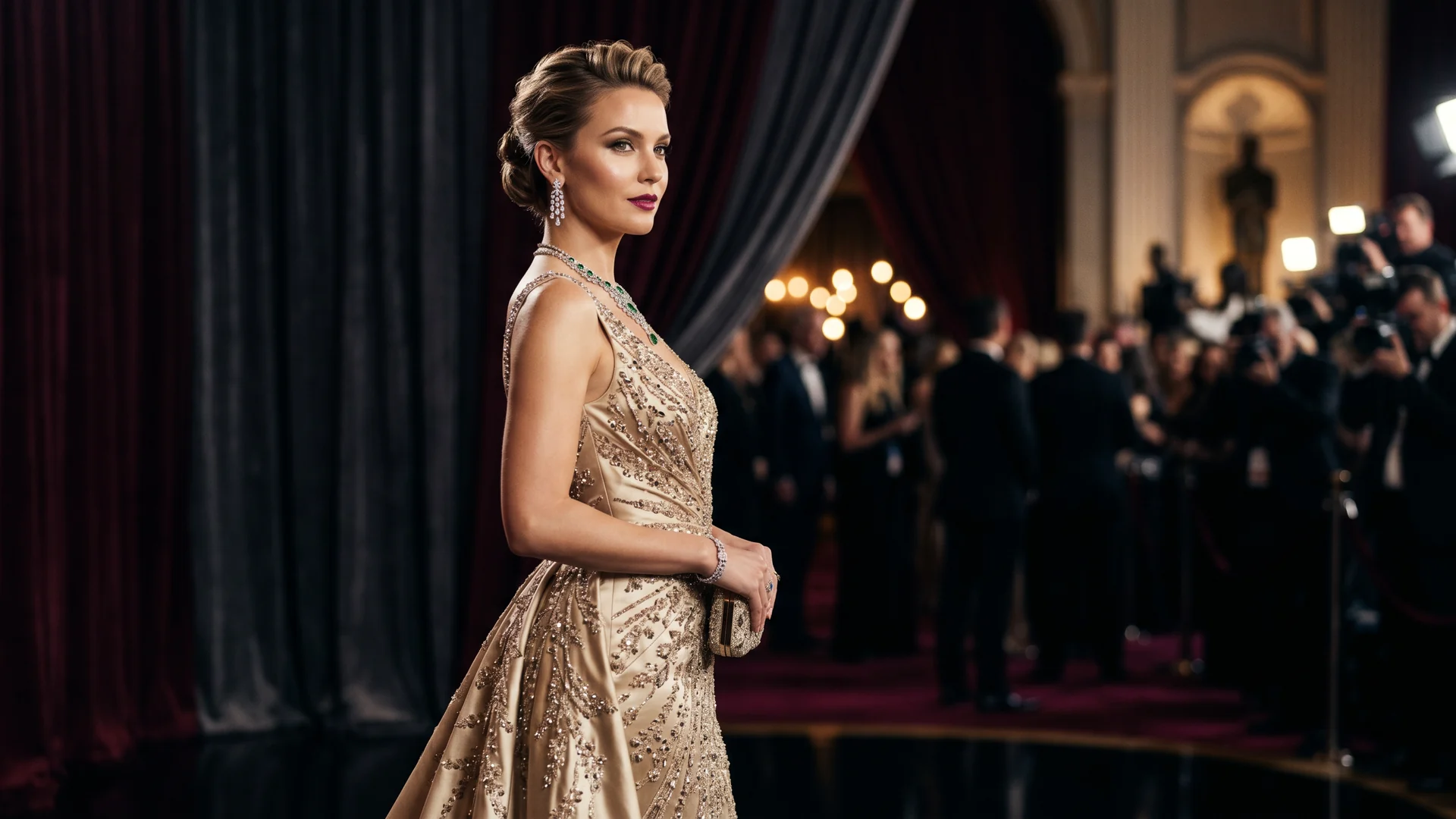
Celebrity style is a deliberate ecosystem of stylists, designers, and brand partnerships that translates a public persona into recognizable, wearable looks, far more crafted than spontaneous.
Key Takeaways
- Red carpet events like the Academy Awards, the Met Gala, and the Cannes Film Festival generate enormous media attention and serve as invaluable platforms for luxury brands, since a dress photographed there can travel the world before the evening ends.
- Celebrity-fashion-house relationships have evolved into sophisticated, long-term partnerships such as brand ambassadorships, custom creation collaborations, and multi-year contracts that replaced earlier, looser arrangements.
- Stylists like Law Roach (Zendaya), Kate Young (Margot Robbie and Selena Gomez), and Ilaria Urbinati craft narrative identities through clothing and help decide which designers and silhouettes feel current.
- Street style, the off-duty look popularized by Kendall Jenner and Hailey Bieber, and airport style now rival the red carpet because they read as attainable and authentic rather than produced.
- Social media creates a direct pipeline from celebrity to consumer, letting fans identify worn items within hours or minutes, and has pushed many stars from being muses to founding their own brands.
- Five recurring style archetypes reward study: the minimalist, the maximalist, the classicist, the trend-setter, and the chameleon, with most memorable dressers blending several around a consistent sense of self.
- Emulating celebrity style needs no celebrity budget; excellent tailoring, a coherent palette, fewer but better pieces, ruthless editing, and high-impact accessories matter most.
🌐 Also available in: Deutsch
Why Celebrity Style Has Become a Force in Fashion
Celebrity style has grown into one of the most powerful forces in modern fashion, shaping trends, launching brands, and influencing millions of consumers across the globe. What once lived only in glossy magazine spreads now plays out in real time across screens, feeds, and front rows. To understand celebrity fashion is to understand a vast and intricate ecosystem of stylists, designers, publicists, and strategic image-makers, all working to translate a public persona into something we can recognize, admire, and ultimately wear.
The fascination is not new. For as long as cinema and music have produced household names, audiences have looked to the famous as living mood boards. What has changed is the speed and scale of that influence. A single appearance can now ripple outward in hours, reshaping what feels desirable, modern, or aspirational. Decoding the fashion of the famous means looking past the surface glamour to the deliberate choices, relationships, and craft that make a look land.
The Power of the Red Carpet
The red carpet remains fashion’s most visible stage. Events like the Academy Awards, the Met Gala, and the Cannes Film Festival generate enormous waves of media attention, making them invaluable platforms for luxury brands. A dress photographed at one of these events can travel the world before the evening is over, carrying a maison’s name with it. For the houses involved, dressing a celebrity is not a favor or an afterthought but a carefully considered piece of brand storytelling.
The relationship between celebrities and fashion houses has evolved into sophisticated, long-term partnerships. Brand ambassadorships, custom creation collaborations, and multi-year contracts have replaced the looser arrangements of earlier decades. A star may now be the public face of a house across campaigns, fragrance launches, and seasonal collections, with the red carpet serving as the most theatrical expression of that alliance.
Custom Couture Versus Ready-to-Wear
Not all red carpet looks are created equally. The most coveted moments often involve custom couture, garments conceived and constructed specifically for one person and one occasion. These pieces can take many weeks of skilled atelier work, with fittings, hand embroidery, and structural engineering hidden beneath the glamour. Other appearances draw from a house’s ready-to-wear or archive, sometimes reviving a vintage design to make a statement about heritage and craft.
The choice between custom and existing pieces is rarely accidental. A bespoke gown signals a deep partnership and a willingness to invest in a single image. A revived archival look nods to fashion history and the enduring relevance of a house’s design language. Both can become iconic, but they tell different stories about the wearer and the brand standing behind them.
The Stylists Behind the Magic
Behind every iconic red carpet moment is a stylist whose influence is often underappreciated. Figures such as Law Roach, long associated with Zendaya, and Kate Young, who has worked with Margot Robbie and Selena Gomez, along with peers like Ilaria Urbinati, have become nearly as recognizable as the clients they dress. They sit at the intersection of fashion, celebrity, and commerce, translating a brief into a coherent visual identity.
The best stylists do not merely dress celebrities. They craft narrative identities through clothing, building a sense of who a person is and where they are headed. A young actor stepping into more serious roles, a musician launching a bolder era, a returning icon reasserting their relevance, each of these transitions can be guided and amplified by thoughtful styling.
What a Stylist Actually Does
The work is far broader than choosing a single outfit. A modern celebrity stylist typically manages:
- Relationship building with houses, showrooms, and press offices to secure access to the right pieces.
- Look development across an entire press tour or awards season, ensuring variety, consistency, and momentum.
- Fittings and alterations so each garment fits the body and the moment with precision.
- Coordination with hair, makeup, jewelry, and creative teams to deliver a unified image.
- Strategic timing, deciding when to play it safe and when to take a risk that gets people talking.
This combination of taste, logistics, and diplomacy is why the most sought-after stylists command real influence within the industry. They help determine which designers are seen, which silhouettes feel current, and which emerging names get their breakthrough moment in front of a global audience.
Street Style and Everyday Influence
The rise of street style photography and social media has transformed how celebrity fashion is consumed. Paparazzi shots of celebrities in quotidian moments now rival red carpet appearances in terms of influence. A coffee run in well-chosen separates can spark as much conversation as a couture gown, because it feels attainable in a way that custom eveningwear never can.
The “off-duty” look, popularized by figures like Kendall Jenner and Hailey Bieber, has spawned entire retail categories built around the idea of effortless cool. The appeal lies in its apparent simplicity: relaxed denim, a clean knit, sleek outerwear, and a few precise accessories. In reality, these looks are often as considered as anything on a carpet, but they read as personal rather than produced, and that authenticity is exactly what audiences respond to.
Airport Style and the Casual Uniform
Few settings illustrate this better than airport style, where the casual uniform of the famous gets dissected in detail. Comfortable yet polished travel looks have become a genre of their own, demonstrating how elevated basics, considered proportions, and a strong accessory can make even the most practical clothing feel intentional. The lesson for everyone else is that ease and elegance are not opposites when the foundations are right.
Social Media and the Direct Pipeline to Consumers
Social media platforms have democratized celebrity style, allowing fans to identify and admire items worn by their favorite stars within hours, sometimes minutes, of an appearance. Technology and online communities now enable rapid outfit identification, creating a direct pipeline from celebrity to consumer that earlier generations of brands could only dream of.
This immediacy has reshaped the rhythm of the industry. A look that resonates can drive sudden, intense interest in a specific designer, color, or silhouette. Houses and retailers watch these moments closely, knowing that genuine enthusiasm cannot be fully manufactured, only encouraged. The most successful collaborations feel organic, as though the celebrity truly loves the piece, because audiences are quick to sense when something is purely transactional.
From Muse to Founder
The relationship has also evolved in the other direction. Rather than only wearing established labels, many celebrities now build brands of their own across fashion, beauty, and lifestyle. This shift turns personal taste into a business proposition, and it raises the stakes for authenticity. The most credible celebrity brands tend to reflect a genuine point of view their audience already associates with the founder, rather than a generic attempt to cash in on fame.
Iconic Style Archetypes Worth Studying
While individual celebrities come and go, certain style archetypes recur and reward close study. Recognizing them helps explain why some looks feel timeless and others feel tied to a single season.
- The minimalist, who relies on impeccable tailoring, a restrained palette, and quality over quantity.
- The maximalist, who embraces color, pattern, and bold statement pieces with confidence.
- The classicist, who returns to enduring staples such as a tailored coat, crisp shirting, and elegant footwear.
- The trend-setter, who experiments early and signals where fashion may be heading next.
- The chameleon, who shifts deliberately between identities to match new projects or eras.
Most memorable dressers blend more than one of these tendencies, anchored by a consistent sense of self. That consistency is what allows them to evolve without ever seeming lost. Studying these archetypes is more useful than chasing any single trend, because it reveals the logic underneath the glamour.
The Role of Accessories and Jewelry
Accessories carry a disproportionate share of the impact in celebrity style. A handbag, a pair of statement earrings, or a single striking ring can define a look as much as the clothing itself. On the red carpet, high jewelry, often borrowed from leading houses, adds a layer of rarity and value that elevates even a simple silhouette. In everyday settings, a recognizable bag or a pair of well-chosen sunglasses can become a signature that fans instantly associate with a particular star.
This is good news for anyone working with a realistic budget. Accessories offer a flexible, high-impact way to refresh and personalize an outfit without rebuilding an entire wardrobe. A few considered pieces can transform familiar basics, which is precisely the principle that the most polished celebrity looks rely on.
Building a Celebrity-Inspired Wardrobe
Emulating celebrity style does not require a celebrity budget. The key is understanding proportion, fit, and the quiet power of accessories. Celebrities look impeccable largely because their clothes fit perfectly, so the single most valuable investment is often excellent tailoring. A garment that drapes correctly on your body will always outperform a more expensive piece that does not.
From there, the goal is a curated capsule of versatile pieces rather than a closet full of impulse purchases. Consider building around dependable foundations:
- A well-cut blazer that bridges casual and formal settings.
- Quality denim in a flattering, timeless silhouette.
- Classic footwear that pairs with most of your wardrobe.
- A neutral coat or jacket with strong structure.
- A small selection of statement accessories to shift the mood.
Practical Principles to Borrow
Several habits separate genuinely stylish people from those simply following trends:
- Prioritize fit and tailoring over labels or price tags.
- Choose a coherent palette so pieces work together effortlessly.
- Invest in fewer, better items rather than many disposable ones.
- Edit ruthlessly, removing anything that does not fit your life or your point of view.
- Adapt trends rather than adopting them wholesale, keeping only what suits you.
These principles explain why a thoughtfully assembled wardrobe can read as luxurious even when it is not extravagant. The appearance of effortlessness is usually the result of careful editing and consistency, not unlimited spending.
The Enduring Takeaway
For all the stylists, contracts, and technology involved, the most stylish celebrities share something that cannot be bought. They wear their clothes rather than letting their clothes wear them. Confidence, authenticity, and a clear personal point of view remain the most compelling accessories of all, and they translate to anyone willing to develop them.
Celebrity style endures as a source of inspiration not because the famous have access to beautiful things, though they do, but because the best of them demonstrate how clothing can express identity. Decoding the fashion of the famous ultimately teaches a lesson that applies far beyond the red carpet: style is less about what you own and more about how clearly you know who you are.
Frequently Asked Questions (FAQ)
What is celebrity style and why does it influence fashion so much?
Celebrity style is a deliberate ecosystem of stylists, designers, publicists, and image-makers who translate a public persona into recognizable, wearable looks. It influences fashion so much because today a single appearance can ripple outward in hours, reshaping what feels desirable, modern, or aspirational across screens, feeds, and front rows worldwide.
Why is the red carpet so important for luxury fashion brands?
The red carpet is fashion's most visible stage, and events like the Academy Awards, the Met Gala, and Cannes generate enormous media attention for luxury brands. A dress photographed there can travel the world before the evening is over, carrying a maison's name. For these houses, dressing a celebrity is carefully considered brand storytelling, not an afterthought.
What is the difference between custom couture and ready-to-wear on the red carpet?
Custom couture is conceived and constructed for one person and one occasion, requiring weeks of atelier work, fittings, and hand embroidery, and signaling a deep brand partnership. Ready-to-wear or revived archival pieces draw from existing collections and nod to fashion history. Both can become iconic but tell different stories about the wearer and brand.
What does a celebrity stylist actually do?
A celebrity stylist does far more than pick one outfit. They build relationships with houses and press offices to secure access, develop looks across an entire press tour, manage fittings and alterations, coordinate hair, makeup, and jewelry teams, and time risks strategically. This blend of taste, logistics, and diplomacy gives top stylists real industry influence.
Why have off-duty and street style become so influential?
Off-duty street style, popularized by figures like Kendall Jenner and Hailey Bieber, feels attainable in a way custom eveningwear never can. A coffee run in well-chosen separates can spark as much conversation as a couture gown. Although often as considered as red carpet looks, these outfits read as personal rather than produced, and audiences respond to that authenticity.
How has social media changed celebrity style?
Social media has democratized celebrity style, letting fans identify and admire items worn by stars within hours or minutes of an appearance. This creates a direct pipeline from celebrity to consumer and can drive sudden interest in a specific designer, color, or silhouette. It has also pushed many celebrities from being muses to founding their own brands.
What style archetypes are worth studying in celebrity fashion?
Five recurring archetypes reward study: the minimalist relies on impeccable tailoring and a restrained palette, the maximalist embraces color and bold statements, the classicist returns to enduring staples, the trend-setter experiments early, and the chameleon shifts identities deliberately. Most memorable dressers blend several of these, anchored by a consistent sense of self.
How can I build a celebrity-inspired wardrobe on a budget?
Emulating celebrity style needs no celebrity budget; the keys are proportion, fit, and accessories. Invest first in excellent tailoring, then build a curated capsule: a well-cut blazer, quality denim, classic footwear, a structured neutral coat, and a few statement accessories. Prioritize fit over labels, choose a coherent palette, buy fewer better items, and edit ruthlessly.
More from News
Future of Luxury Fashion: Innovation, Technology, and the Next Frontier
Discover the future of luxury fashion: how AI, blockchain, digital couture, bio-fabricated materials and sustainability are reshaping maisons and the …
Luxury Lifestyle Guide: Curating the Art of Living Well
Discover the luxury lifestyle as the art of living well: quiet luxury in travel, wine, home design, wardrobe, watches, and wellness, curated with inte…
Perfume & Fragrance Guide: The Art of Olfactory Excellence
A complete perfume and fragrance guide: master top, heart and base notes, oil concentrations, olfactive families, heritage and niche houses, plus stor…