Jewelry · Jewelry
Accessorize in Style with Elegant Cufflinks
Cufflinks have a rich and storied history that dates back to the 16th century, when they were first introduced as a practical solution for fastening shirt cuffs. Initially, these a…
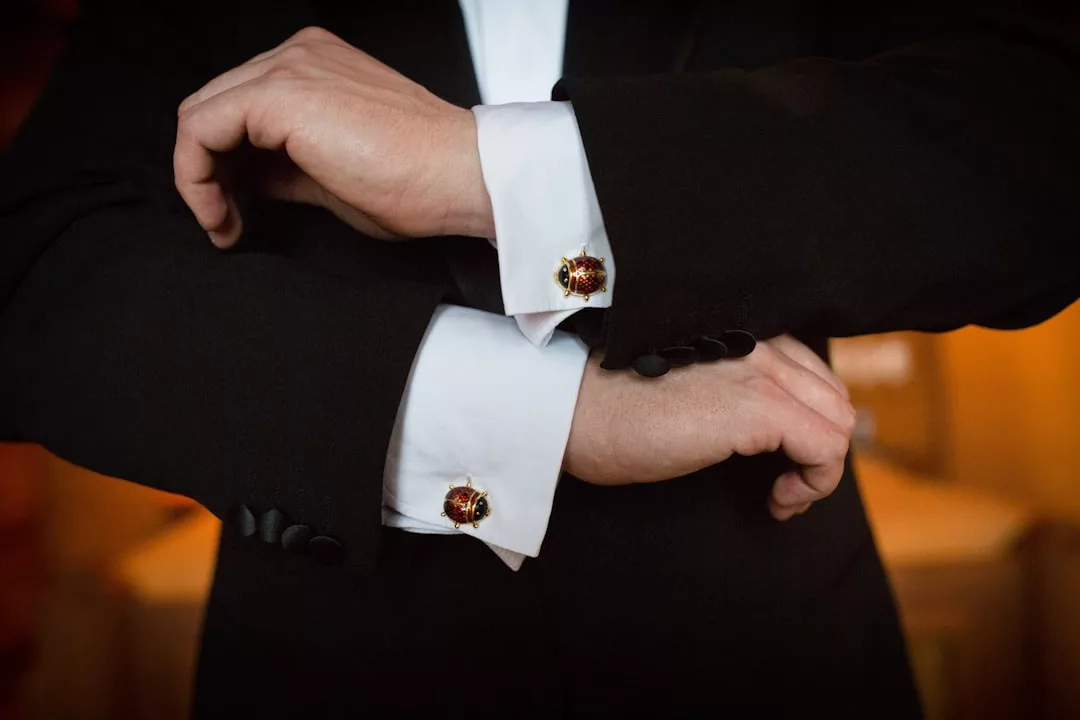
Cufflinks have a rich and storied history that dates back to the 16th century, when they were first introduced as a practical solution for fastening shirt cuffs. Initially, these accessories were simple strings or ribbons that held the cuffs together, but as fashion evolved, so did the design of cuff fasteners. By the 17th century, cufflinks began to take on a more decorative form, often crafted from precious metals and adorned with intricate designs.
The transition from mere functionality to a symbol of status and style marked a significant turning point in the evolution of cufflinks. As the centuries progressed, cufflinks became increasingly popular among the upper echelons of society. By the 19th century, they had transformed into a staple of men’s formal wear, often featuring elaborate designs that showcased the craftsmanship of skilled artisans.
The Industrial Revolution further propelled their popularity, as mass production made cufflinks more accessible to the burgeoning middle class. This period saw the introduction of various materials, including gold, silver, and enamel, allowing for a wider range of styles and personalization.
Key Takeaways
- Cufflinks have evolved from functional to fashionable accessories over the years, with a rich history dating back to the 17th century.
- There are various types of cufflinks, including bullet back, whale back, chain link, and fabric cufflinks, each offering a unique style and functionality.
- When choosing the right cufflinks for your outfit, consider the color, material, and style to complement your attire and personal style.
- Matching cufflinks with other accessories such as tie bars, pocket squares, and watches can elevate your overall look and create a cohesive ensemble.
- For formal occasions, it’s important to follow etiquette guidelines when wearing cufflinks, such as matching them with the color of your shirt and avoiding flashy designs.
Types of Cufflinks: Understanding the Different Styles
Cufflinks come in a variety of styles, each serving a unique purpose and aesthetic appeal. The most common types include bullet back, whale back, and chain link cufflinks. Bullet back cufflinks feature a hinged mechanism that allows for easy fastening and unfastening.
This design is favored for its simplicity and functionality, making it a popular choice for both formal and casual occasions. Whale back cufflinks, on the other hand, have a hinged closure that resembles a whale’s tail. This style is known for its secure fit and is often chosen for more formal events due to its elegant appearance.
Chain link cufflinks consist of two decorative ends connected by a chain. This design offers a more relaxed and playful vibe, making it suitable for less formal settings. Additionally, there are also novelty cufflinks that feature whimsical designs or themes, such as sports or hobbies.
These can serve as conversation starters and allow wearers to express their personality through their accessories. Understanding these different styles is essential for selecting the right cufflinks that align with one’s personal style and the occasion at hand.
How to Choose the Right Cufflinks for Your Outfit
Selecting the right cufflinks involves considering several factors, including the occasion, outfit color scheme, and personal style. For formal events such as weddings or black-tie affairs, classic designs in silver or gold are often preferred. These metals exude sophistication and can complement a variety of suit colors.
For instance, silver cufflinks pair beautifully with navy or charcoal suits, while gold can add warmth to earth-toned ensembles. Additionally, opting for cufflinks with subtle embellishments or textures can elevate an outfit without overwhelming it. Conversely, when dressing for casual occasions, one can afford to be more adventurous with cufflink choices.
Bright colors or unique shapes can add a playful touch to a smart-casual outfit. For example, pairing a crisp white shirt with vibrant enamel cufflinks can create an eye-catching contrast that showcases individuality. It’s also important to consider the overall theme of the outfit; if one is wearing patterned shirts or ties, opting for simpler cufflink designs can help maintain balance and cohesion in the look.
Matching Cufflinks with Other Accessories
Cufflinks are not standalone accessories; they should harmonize with other elements of an outfit to create a cohesive look. When coordinating cufflinks with ties and pocket squares, it’s essential to consider color and pattern compatibility. For instance, if one is wearing a patterned tie, choosing solid-colored cufflinks can prevent clashing while still adding an element of interest.
Conversely, if the tie is solid, patterned or textured cufflinks can introduce visual intrigue without overwhelming the ensemble. Additionally, metal finishes play a crucial role in achieving harmony among accessories. If one opts for silver cufflinks, it’s advisable to match them with other silver accessories such as tie clips or watches.
This creates a unified appearance that reflects attention to detail. On the other hand, mixing metals can be done tastefully; however, it requires careful consideration to ensure that the overall look remains polished rather than chaotic.
Cufflinks for Formal Occasions: Tips and Etiquette
When it comes to formal occasions, cufflinks serve not only as functional items but also as symbols of sophistication and style. Understanding proper etiquette is crucial for making the right impression. For black-tie events, classic styles such as silk knot or simple metal cufflinks are recommended.
These understated designs align with the formal dress code while allowing wearers to showcase their personal flair subtly. Moreover, it’s essential to consider the shirt being worn; French cuffs are typically required for cufflink use at formal events. These cuffs are designed specifically for cufflinks and provide an elegant finish to dress shirts.
Additionally, ensuring that the cufflinks are clean and well-maintained is vital; tarnished or damaged accessories can detract from an otherwise polished appearance. Ultimately, adhering to these guidelines will ensure that one presents themselves appropriately at any formal gathering.
Cufflinks for Casual Wear: Adding a Touch of Sophistication
Cufflinks are not limited to formal attire; they can also enhance casual outfits by adding an unexpected touch of sophistication. When dressing down, incorporating cufflinks can elevate even the simplest ensembles. For example, pairing a casual button-down shirt with denim can be transformed into a stylish look by adding colorful or uniquely designed cufflinks.
This approach allows individuals to express their personality while maintaining an air of refinement. In casual settings, one can experiment with bolder colors and unconventional materials such as leather or fabric-covered cufflinks. These options provide an opportunity to showcase creativity without compromising on style.
Additionally, wearing cufflinks with rolled-up sleeves can create a relaxed yet polished appearance that is perfect for social gatherings or informal events.
Cufflinks as a Statement Piece: Making a Fashion Statement
Cufflinks have evolved into statement pieces that allow wearers to express their individuality and style preferences boldly. Designers have embraced this trend by creating unique and artistic designs that go beyond traditional aesthetics. For instance, some cufflinks feature intricate motifs inspired by art movements or cultural symbols, making them not just accessories but conversation starters. Wearing statement cufflinks can transform an outfit from ordinary to extraordinary. For example, pairing a classic black suit with oversized gemstone cufflinks can create a striking contrast that draws attention without being overly ostentatious. This approach allows individuals to showcase their fashion-forward thinking while still adhering to traditional dress codes.
Customizing Cufflinks: Adding Personal Touch to Your Accessories
Customization has become increasingly popular in the world of fashion accessories, and cufflinks are no exception. Personalized cufflinks offer an opportunity to create unique pieces that reflect individual tastes or commemorate special occasions. Many jewelers now offer engraving services where initials, dates, or meaningful symbols can be added to cufflink designs.
Customizing cufflinks not only adds sentimental value but also ensures that they stand out in a crowd. For instance, couples may choose to have their wedding date engraved on their cufflinks as a lasting reminder of their special day. Additionally, businesses often opt for customized cufflinks featuring their logo as gifts for employees or clients, merging professionalism with personal touch.
Caring for Your Cufflinks: Maintenance and Storage Tips
Proper care and maintenance are essential for preserving the beauty and longevity of cufflinks. Depending on the material, be it silver, gold, or enamel, different cleaning methods may be required. For metal cufflinks, regular polishing with a soft cloth can help remove tarnish and maintain shine.
It’s advisable to avoid harsh chemicals that could damage delicate finishes. Storage is equally important; keeping cufflinks in a dedicated box or organizer prevents scratches and tangling with other accessories. Some individuals prefer using velvet-lined cases that not only protect but also display their collection elegantly.
By taking these simple steps in maintenance and storage, one can ensure that their cufflinks remain in pristine condition for years to come.
The Evolution of Cufflinks in Modern Fashion
The evolution of cufflinks reflects broader trends in fashion and societal changes over time. In recent years, there has been a resurgence of interest in vintage styles as well as artisanal craftsmanship. Many contemporary designers draw inspiration from historical designs while incorporating modern materials and techniques to create unique pieces that resonate with today’s fashion sensibilities.
Moreover, the rise of casual wear has led to innovative interpretations of traditional cufflink designs. As more individuals embrace smart-casual attire in professional settings, cufflinks have adapted accordingly, offering versatile options that bridge the gap between formal elegance and relaxed style. This evolution signifies not only changing fashion norms but also an increasing appreciation for personal expression through accessories.
Where to Buy Quality Cufflinks: Tips for Finding the Best Options
When searching for quality cufflinks, it’s essential to consider several factors to ensure you make an informed purchase. Start by exploring reputable jewelry stores or specialized accessory boutiques known for their craftsmanship and selection. Online platforms also offer vast options; however, it’s crucial to read reviews and check return policies before committing to a purchase.
Additionally, attending craft fairs or artisan markets can provide opportunities to discover unique handmade pieces that stand out from mass-produced options. Engaging directly with artisans allows buyers to learn about materials used and design inspirations behind each piece, adding depth to their purchase experience. Ultimately, whether shopping online or in-store, prioritizing quality over quantity will lead to finding exceptional cufflinks that enhance any wardrobe.
More in
More from Jewelry
Jewelry · 8 min
Stylish Bar Jewelry: Elevate Your Look
Bar jewelry has emerged as a captivating trend in the world of accessories, captivating fashion enthusiasts and casual wearers alike. Characterized by…
Jewelry · 9 min
Unlocking the Elegance of the Emerald Cut
The emerald cut has a rich and storied history that dates back to the 15th century, originating in the lapidary practices of the Spanish and Portugues…
Jewelry · 9 min
Bangle: A Timeless Fashion Accessory
Bangle jewelry has a rich and diverse history that spans across various cultures and epochs. The origins of bangles can be traced back to ancient civi…