Jewelry · Jewelry
Accessorize with Style: The Allure of Costume Jewelry
Costume jewelry, often referred to as fashion jewelry, has a rich and varied history that reflects the changing tastes and social dynamics of different eras. Its origins can be tra…
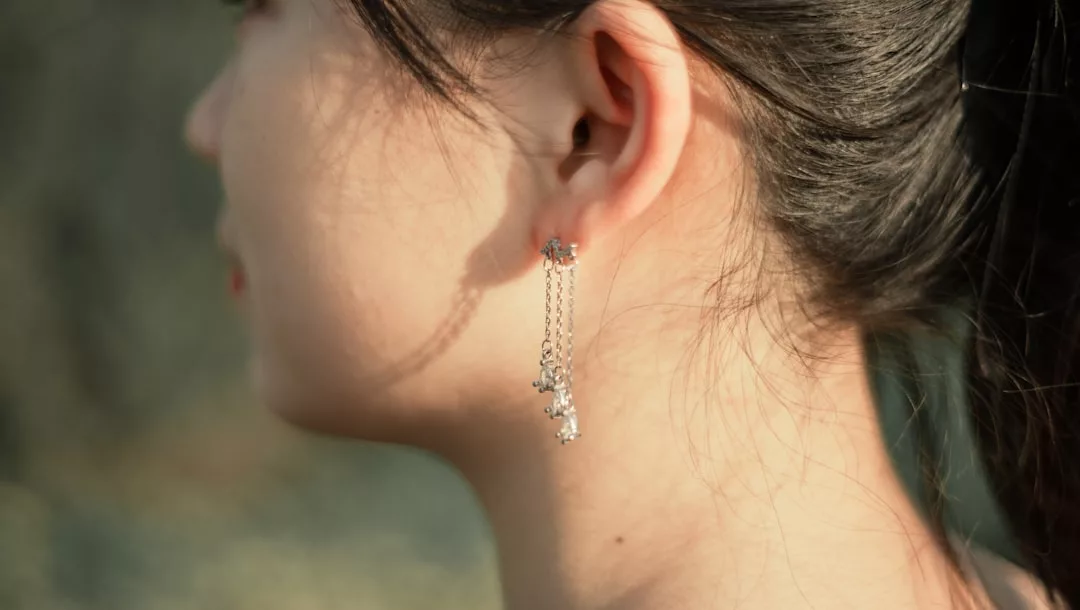
Costume jewelry, often referred to as fashion jewelry, has a rich and varied history that reflects the changing tastes and social dynamics of different eras. Its origins can be traced back to the 19th century, when advancements in manufacturing techniques allowed for the mass production of jewelry that was both affordable and stylish. The term “costume jewelry” itself emerged in the early 20th century, particularly during the 1920s, when designers began creating pieces that complemented the extravagant fashions of the time.
Notable figures such as Coco Chanel played a pivotal role in popularizing costume jewelry, as she famously adorned herself with faux pearls and other non-precious materials, challenging the notion that only fine jewelry could be elegant. The evolution of costume jewelry continued through the decades, with each era leaving its distinct mark. The 1930s and 1940s saw the rise of Hollywood glamour, where stars like Bette Davis and Joan Crawford showcased bold, statement pieces that captured the public’s imagination.
During World War II, due to material shortages, costume jewelry became even more significant as it provided an accessible means for women to express their style without relying on precious metals and stones. The post-war period ushered in a new wave of creativity, with designers experimenting with innovative materials such as plastics and resin, leading to the vibrant and eclectic styles that characterize costume jewelry today.
Key Takeaways
- Costume jewelry has a rich history dating back to ancient civilizations, with its popularity increasing during the Art Deco and Retro eras.
- Costume jewelry is incredibly versatile, offering a wide range of styles, materials, and designs to complement any outfit or occasion.
- When choosing costume jewelry, consider the color, style, and neckline of your outfit to ensure a cohesive and stylish look.
- Costume jewelry has had a significant influence on fashion trends, with designers and celebrities often incorporating statement pieces into their looks.
- Costume jewelry has made a lasting impact on pop culture, with iconic pieces becoming synonymous with certain eras and celebrities.
The Versatility of Costume Jewelry
One of the most appealing aspects of costume jewelry is its remarkable versatility. Unlike fine jewelry, which often carries a sense of formality and occasion-specificity, costume jewelry can be worn in a multitude of settings, from casual outings to formal events. This adaptability allows individuals to express their personal style without the constraints typically associated with more expensive pieces.
For instance, a simple pair of statement earrings can elevate a basic t-shirt and jeans ensemble, while a bold necklace can transform a little black dress into a standout outfit for an evening event. Moreover, costume jewelry offers an opportunity for experimentation. With a wide array of colors, styles, and materials available, wearers can mix and match pieces to create unique looks that reflect their mood or personality.
Layering necklaces of varying lengths or stacking bracelets can add depth and interest to an outfit. This playful approach to accessorizing encourages creativity and self-expression, making costume jewelry an essential component of modern wardrobes. Whether one opts for vintage-inspired brooches or contemporary geometric designs, the possibilities are virtually limitless.
How to Choose the Right Costume Jewelry for Your Outfit
Selecting the right costume jewelry to complement an outfit involves a keen understanding of both personal style and the overall aesthetic one wishes to achieve. A fundamental principle is to consider the neckline of a garment when choosing necklaces. For example, a plunging V-neck may be beautifully accentuated by a long pendant necklace, while a high neckline might call for shorter, more delicate pieces that sit close to the collarbone.
Additionally, the color palette of an outfit plays a crucial role; choosing jewelry that either contrasts or harmonizes with clothing can create a cohesive look. A bright red dress might be paired with gold-toned accessories for a classic combination or with turquoise pieces for a more bohemian vibe. Another important factor is the occasion for which one is dressing.
For casual outings, lightweight and playful pieces can add a touch of fun without overwhelming the outfit. Conversely, for formal events, opting for more sophisticated designs, perhaps featuring crystals or intricate metalwork, can enhance elegance. It’s also essential to consider one’s own comfort level; while bold statement pieces can be eye-catching, they may not suit everyone’s taste or comfort zone.
Ultimately, choosing costume jewelry should be an enjoyable process that reflects individuality while enhancing the overall ensemble.
The Influence of Costume Jewelry in Fashion
Costume jewelry has significantly influenced fashion trends throughout history, often serving as a barometer for societal changes and cultural movements. In the 1960s, for instance, the rise of youth culture and countercultural movements led to an explosion of bold and colorful designs that mirrored the vibrant spirit of the times. Designers like Kenneth Jay Lane became synonymous with playful yet luxurious pieces that appealed to a generation eager to break free from traditional norms.
This period also saw the democratization of fashion; costume jewelry allowed individuals from various socioeconomic backgrounds to participate in style trends previously reserved for the elite. In contemporary fashion, costume jewelry continues to play a vital role in shaping trends. Designers frequently incorporate statement pieces into their runway shows, showcasing how these accessories can redefine an outfit’s narrative. This cyclical nature of fashion ensures that costume jewelry remains relevant, adapting to new styles while retaining its historical significance.
The Impact of Costume Jewelry on Pop Culture
Costume jewelry has made indelible marks on pop culture, often serving as iconic symbols associated with specific celebrities or cultural moments. Similarly, artists like Madonna and Beyoncé have utilized bold costume jewelry as part of their public personas, using it to convey messages of empowerment and individuality.
The influence of costume jewelry extends beyond film and music; it permeates social media platforms where influencers and fashion enthusiasts showcase their unique styles. Platforms like Instagram have become vital spaces for sharing outfit inspirations that often highlight costume jewelry as key components in achieving desired looks. This visibility not only elevates the status of costume jewelry but also encourages consumers to explore diverse styles and brands that may have previously gone unnoticed.
The Sustainability of Costume Jewelry
As awareness around sustainability grows within the fashion industry, costume jewelry presents both challenges and opportunities. On one hand, many pieces are made from synthetic materials or non-recyclable components that contribute to environmental waste. However, there is also a burgeoning movement towards sustainable practices within the realm of costume jewelry production.
Artisans and brands are increasingly focusing on eco-friendly materials such as recycled metals or ethically sourced stones, allowing consumers to make choices that align with their values. Moreover, the longevity of costume jewelry can contribute positively to sustainability efforts. Unlike fast fashion garments that may be worn only a few times before being discarded, well-made costume jewelry can last for years if cared for properly.
This durability encourages consumers to invest in quality pieces rather than disposable trends. Additionally, vintage costume jewelry has gained popularity as a sustainable option; purchasing second-hand items not only reduces waste but also allows individuals to own unique pieces with history and character.
The Artistry and Craftsmanship Behind Costume Jewelry
The creation of costume jewelry involves a blend of artistry and craftsmanship that often goes unnoticed by consumers. While it may not always carry the same prestige as fine jewelry made from precious metals and gemstones, many designers pour their creativity into crafting intricate pieces that showcase their skills. Techniques such as enameling, beadwork, and metal casting are commonly employed in producing stunning designs that rival their more expensive counterparts.
Artisans often draw inspiration from various sources, nature, architecture, or cultural motifs, to create unique collections that tell stories through their designs. For instance, some contemporary designers incorporate elements from traditional crafts into their work, blending modern aesthetics with age-old techniques. This fusion not only elevates the quality of costume jewelry but also highlights the importance of preserving artisanal skills in an increasingly automated world.
The Affordable Luxury of Costume Jewelry
Costume jewelry embodies the concept of affordable luxury: a way for individuals to indulge in stylish accessories without breaking the bank. This accessibility allows consumers to experiment with different styles and trends without the financial commitment associated with fine jewelry purchases. As fashion cycles continue to evolve rapidly, having a diverse collection of costume pieces enables wearers to stay on-trend while maintaining their personal style.
The allure of affordable luxury is particularly evident during special occasions such as weddings or parties where individuals may wish to adorn themselves with eye-catching accessories without investing in high-cost items they may only wear once or twice. Brands have recognized this demand and often produce limited-edition collections that offer unique designs at reasonable prices, further enhancing the appeal of costume jewelry as an accessible luxury.
The Role of Costume Jewelry in Self-Expression
Costume jewelry serves as a powerful medium for self-expression, allowing individuals to communicate their identities and personal narratives through their accessory choices. Each piece can reflect aspects of one’s personality, be it boldness through oversized earrings or subtlety through delicate bracelets, enabling wearers to curate their public image intentionally. This form of expression is particularly significant in today’s diverse society where individuality is celebrated.
Furthermore, costume jewelry can act as a conversation starter or a means of connecting with others who share similar tastes or values. For instance, wearing vintage pieces may evoke nostalgia or appreciation for history among like-minded individuals at social gatherings. In this way, costume jewelry transcends mere adornment; it becomes an extension of one’s identity and an avenue for forging connections within communities.
Tips for Caring for and Storing Costume Jewelry
Proper care and storage are essential for maintaining the beauty and longevity of costume jewelry. Unlike fine jewelry that may withstand harsher conditions due to its materials, costume pieces often require more delicate handling. To preserve their appearance, it is advisable to store them in a cool, dry place away from direct sunlight which can cause fading or discoloration over time.
Using soft pouches or lined boxes can prevent scratches and tangling among different pieces. Cleaning costume jewelry should also be approached with care; using mild soap and water along with a soft cloth can help remove dirt without damaging delicate finishes. Avoiding exposure to harsh chemicals found in perfumes or cleaning products is crucial as these can tarnish or degrade materials used in costume designs.
By adopting these simple care practices, wearers can ensure their favorite pieces remain vibrant and intact for years to come.
The Future of Costume Jewelry in the Fashion Industry
As we look ahead, the future of costume jewelry within the fashion industry appears promising yet dynamic. With increasing consumer demand for sustainable practices and ethical sourcing, brands are likely to innovate further in creating eco-friendly options that do not compromise on style or quality. This shift could lead to greater collaboration between designers and artisans who prioritize sustainability while still delivering fashionable products.
Additionally, technological advancements may play a role in shaping future trends within costume jewelry design and production processes. From 3D printing techniques that allow for intricate designs at lower costs to augmented reality applications enabling virtual try-ons before purchase, these innovations could revolutionize how consumers interact with costume jewelry brands. As fashion continues to evolve alongside societal values and technological advancements, costume jewelry will undoubtedly remain an integral part of personal expression and style evolution in years to come.
More in
More from Jewelry
Jewelry · 8 min
Stylish Bar Jewelry: Elevate Your Look
Bar jewelry has emerged as a captivating trend in the world of accessories, captivating fashion enthusiasts and casual wearers alike. Characterized by…
Jewelry · 9 min
Unlocking the Elegance of the Emerald Cut
The emerald cut has a rich and storied history that dates back to the 15th century, originating in the lapidary practices of the Spanish and Portugues…
Jewelry · 9 min
Bangle: A Timeless Fashion Accessory
Bangle jewelry has a rich and diverse history that spans across various cultures and epochs. The origins of bangles can be traced back to ancient civi…