Jewelry · Jewelry
Achieving a Perfect Brushed Finish
The brushed finish is a popular technique used in various industries, particularly in metalworking and woodworking, to create a textured surface that is both aesthetically pleasing…
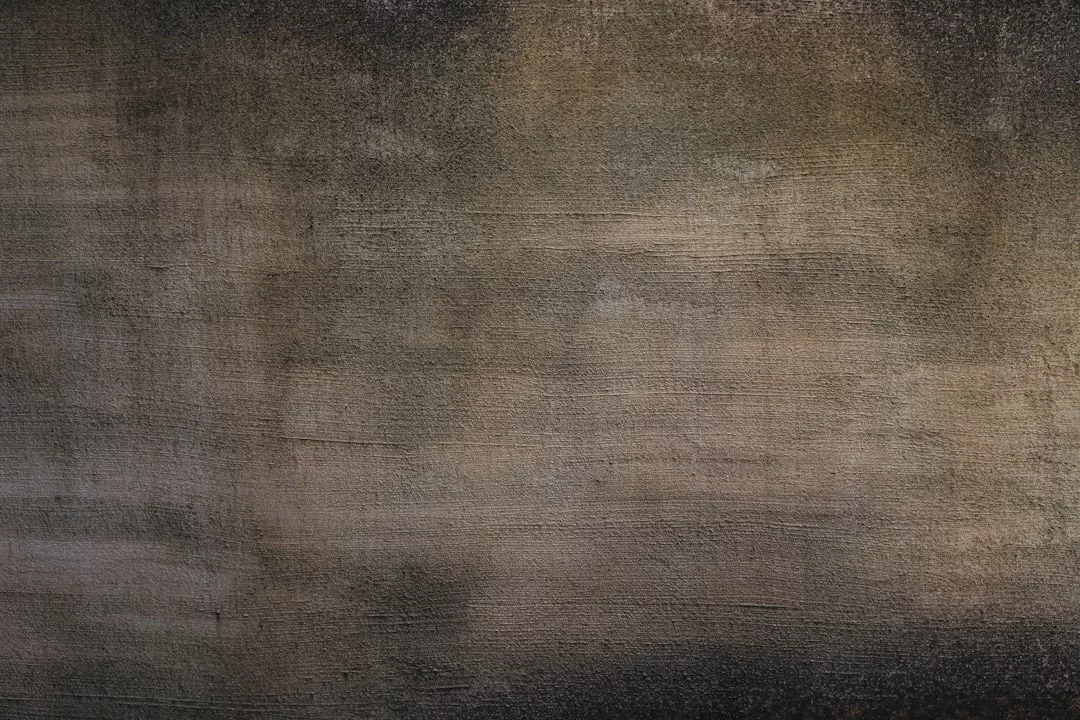
The brushed finish is a popular technique used in various industries, particularly in metalworking and woodworking, to create a textured surface that is both aesthetically pleasing and functional. This finish is characterized by fine lines or scratches that are typically aligned in a single direction, giving the material a distinctive look that can enhance its visual appeal. The process of achieving a brushed finish involves using abrasive materials to create these linear patterns, which not only contribute to the surface’s appearance but also help to mask imperfections and improve resistance to fingerprints and scratches.
In metal applications, such as stainless steel, the brushed finish is often employed in kitchen appliances, fixtures, and architectural elements. The subtle sheen of a brushed surface can elevate the overall design of a product while providing a level of durability that is essential in high-use environments.
Understanding the nuances of this finish is crucial for artisans and manufacturers alike, as it can significantly impact the final product’s quality and appeal.
Key Takeaways
- Understanding the Brushed Finish: Learn about the characteristics and uses of brushed finishes in metalworking and woodworking.
- Choosing the Right Tools and Materials: Select the appropriate tools and materials for achieving a brushed finish on different surfaces.
- Preparing the Surface for Brushing: Understand the importance of surface preparation before applying the brushing technique.
- Applying the Brushing Technique: Master the art of brushing to create a consistent and attractive finish on various materials.
- Achieving Consistency in Brushing: Discover tips for maintaining a uniform brushed finish across a large surface area.
Choosing the Right Tools and Materials
Selecting the appropriate tools and materials is fundamental to achieving a successful brushed finish. The choice of abrasive pads or brushes is critical; they come in various grits and materials, such as steel wool, scouring pads, or specialized sanding discs.
Conversely, when working with wood, softer abrasives like synthetic pads or fine-grit sandpaper are recommended to avoid gouging the material. In addition to abrasives, the choice of protective gear cannot be overlooked. Safety goggles, gloves, and masks are essential when working with abrasive materials, as they can produce fine particles that may be harmful if inhaled or if they come into contact with the skin.
Furthermore, selecting the right type of finish, whether oil-based, water-based, or lacquer, can enhance the final appearance of the brushed surface. Each type of finish interacts differently with the texture created by brushing, influencing both the look and durability of the final product.
Preparing the Surface for Brushing
Before applying a brushed finish, proper surface preparation is vital to ensure optimal results. This process begins with cleaning the surface thoroughly to remove any dirt, grease, or old finishes that could interfere with adhesion or the brushing process itself. For metal surfaces, a degreaser or solvent may be used to eliminate contaminants, while wood surfaces should be sanded lightly to remove any existing finish and open up the grain for better absorption of subsequent treatments.
Once cleaned, it is essential to inspect the surface for any imperfections such as dents, scratches, or uneven areas. Addressing these issues prior to brushing will lead to a more uniform finish. For metals, minor imperfections can often be smoothed out with finer grits of sandpaper before proceeding with the brushing technique.
In woodworking, filling any gaps or holes with wood filler can create a seamless appearance once the brushing is complete. This meticulous preparation phase sets the stage for achieving a high-quality brushed finish that meets both aesthetic and functional requirements.
Applying the Brushing Technique
The application of the brushing technique requires both skill and precision to achieve a consistent and attractive finish. For metal surfaces, begin by selecting an appropriate abrasive pad or brush and attaching it securely to your power tool or hand tool. It is crucial to maintain a steady hand and apply even pressure while moving the tool in one direction along the surface.
This directional brushing creates the characteristic linear pattern that defines a brushed finish. When working with wood, it is advisable to follow the grain of the wood rather than going against it. This approach not only enhances the natural beauty of the wood but also minimizes the risk of splintering or damaging the fibers.
Depending on the desired depth of texture, multiple passes may be necessary; however, care should be taken not to over-brush, as this can lead to an uneven appearance. The key is to maintain consistency in both pressure and speed throughout the process to ensure that each section of the surface matches seamlessly with adjacent areas.
Achieving Consistency in Brushing
Consistency is paramount when applying a brushed finish; variations in pressure or technique can lead to an uneven appearance that detracts from the overall quality of the work. One effective method for achieving uniformity is to establish a systematic approach to brushing. This could involve dividing the surface into manageable sections and focusing on one area at a time while ensuring that each section receives equal attention.
Additionally, using guides or templates can help maintain straight lines and consistent patterns across larger surfaces. For instance, when brushing metal sheets or large wooden panels, employing a straight edge as a guide can prevent wandering strokes that disrupt the linearity of the finish. Regularly inspecting your work as you progress allows for adjustments to be made on-the-fly, ensuring that any inconsistencies are addressed before they become more pronounced.
Sanding and Polishing the Brushed Surface
After achieving the desired brushed texture, sanding and polishing are crucial steps that enhance both the appearance and feel of the surface. For metal finishes, using finer grits of sandpaper or polishing pads can help smooth out any rough edges left by the brushing process while still preserving the linear texture. This step not only refines the look but also prepares the surface for any protective coatings that may be applied afterward.
In woodworking applications, sanding should be approached with care; starting with a medium grit and gradually moving to finer grits allows for a smooth transition from texture to polish without losing the character imparted by brushing. Once sanding is complete, applying a suitable polish or finishing oil can further enhance the depth of color in wood while providing protection against moisture and wear. The final result should be a beautifully textured surface that feels as good as it looks.
Troubleshooting Common Brushed Finish Issues
Despite careful planning and execution, issues may arise during the brushing process that can compromise the quality of the finish. One common problem is uneven texture, which can occur due to inconsistent pressure or varying speeds during application. If this happens, it may be necessary to go back over affected areas with your abrasive tool while ensuring uniformity in technique.
Another issue could be visible scratches or marks left by abrasive materials that are too coarse for the desired finish. In such cases, switching to finer abrasives or adjusting your technique can help mitigate these problems. If discoloration occurs, especially in wood finishes, this may indicate an incompatibility between materials used during preparation and those used for finishing.
Conducting tests on scrap pieces before applying techniques on final products can help identify potential issues early on.
Maintaining the Brushed Finish
Maintaining a brushed finish requires regular care to preserve its appearance and functionality over time. For metal surfaces, routine cleaning with mild soap and water is often sufficient; however, avoiding harsh chemicals is crucial as they can strip away protective coatings and dull the finish. A soft cloth should be used for cleaning to prevent scratching; additionally, applying a light coat of wax can provide an extra layer of protection against fingerprints and smudges.
In woodworking applications, maintaining a brushed finish involves periodic reapplication of oils or sealants that protect against moisture and wear. Dusting regularly with a soft cloth helps prevent buildup that could dull the surface over time. If scratches do occur, light sanding followed by reapplication of finish can restore its original beauty without needing to redo the entire piece.
Enhancing the Brushed Finish with Additional Techniques
To elevate a brushed finish further, various enhancement techniques can be employed that complement its unique texture. One popular method is applying stains or dyes specifically designed for use on brushed surfaces; these products can penetrate deeper into the texture created by brushing, resulting in richer colors that highlight grain patterns in wood or add depth to metal finishes. Another enhancement technique involves layering different finishes; for instance, applying a matte topcoat over a brushed metal surface can create an elegant contrast between textures while providing additional protection against wear.
In woodworking projects, combining brushing with techniques like distressing or antiquing can yield stunning results that add character and uniqueness to each piece.
Examples of Successful Brushed Finish Projects
Numerous successful projects showcase the versatility and appeal of brushed finishes across various materials and applications. In modern kitchen design, brushed stainless steel appliances have become staples due to their sleek appearance and ability to blend seamlessly with other materials like wood or stone countertops. These appliances not only offer functionality but also contribute significantly to contemporary aesthetics.
In woodworking, custom furniture pieces featuring brushed finishes have gained popularity among artisans looking to create unique designs that stand out in residential spaces. For example, dining tables crafted from reclaimed wood often utilize brushing techniques to enhance their rustic charm while maintaining durability against everyday use. Such projects exemplify how effectively a brushed finish can transform ordinary materials into extraordinary works of art.
Tips and Tricks for Perfecting the Brushed Finish
Achieving perfection in a brushed finish often comes down to attention to detail and practice. One effective tip is to experiment with different abrasive materials on scrap pieces before committing them to final projects; this allows you to gauge how each material interacts with your chosen substrate and helps refine your technique accordingly. Another valuable trick involves using varying angles during brushing; tilting your tool slightly can create interesting patterns that add depth without compromising consistency across larger surfaces.
Finally, patience is key: allowing adequate drying time between steps ensures optimal adhesion of finishes while preventing unsightly blemishes from forming during application processes. By incorporating these tips into your workflow, you can elevate your brushed finishes from good to exceptional.
More in
More from Jewelry
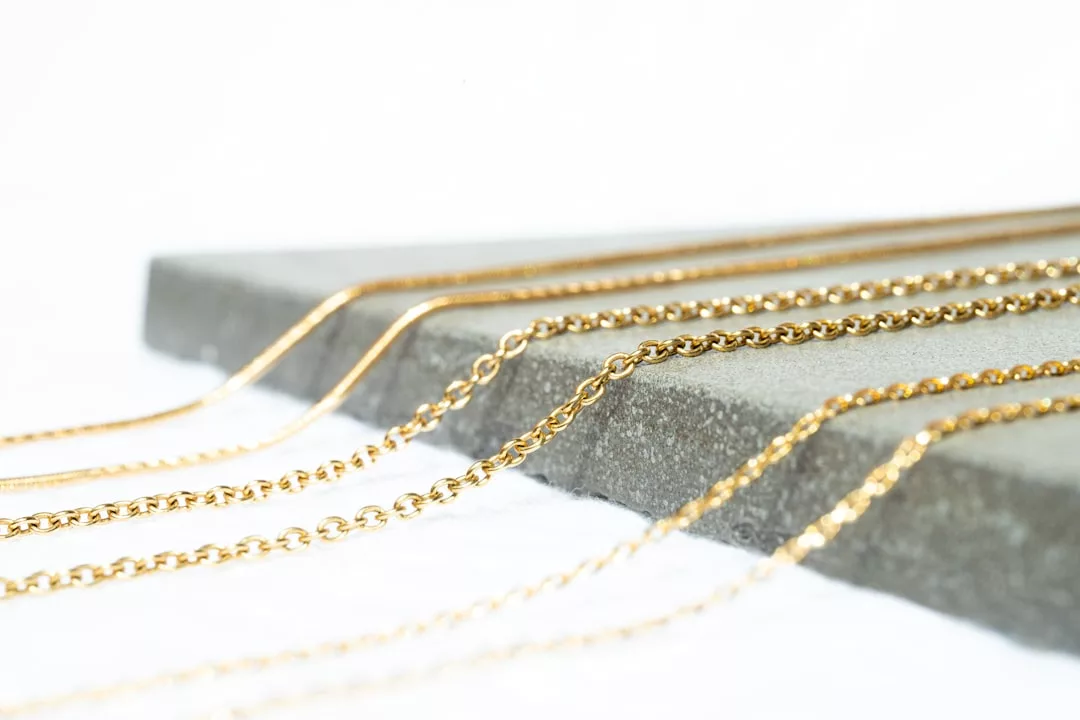
Jewelry · 8 min
Stylish Bar Jewelry: Elevate Your Look
Bar jewelry has emerged as a captivating trend in the world of accessories, captivating fashion enthusiasts and casual wearers alike. Characterized by…
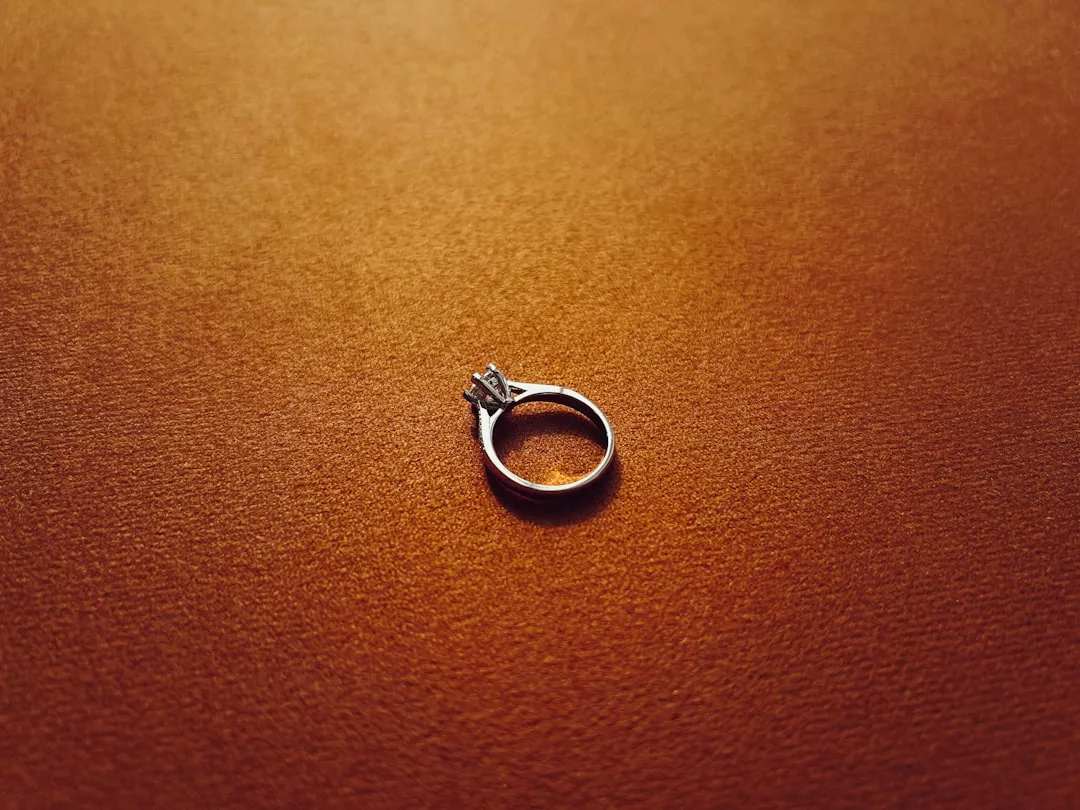
Jewelry · 9 min
Unlocking the Elegance of the Emerald Cut
The emerald cut has a rich and storied history that dates back to the 15th century, originating in the lapidary practices of the Spanish and Portugues…
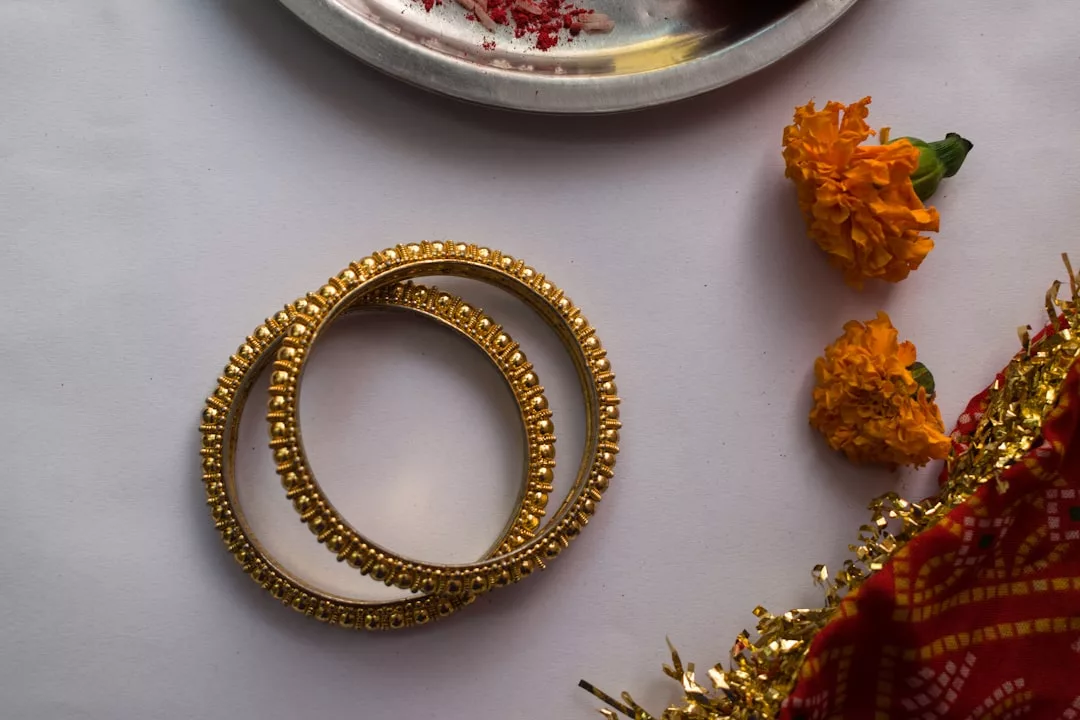
Jewelry · 9 min
Bangle: A Timeless Fashion Accessory
Bangle jewelry has a rich and diverse history that spans across various cultures and epochs. The origins of bangles can be traced back to ancient civi…