Fashion · Fashion
Blazer: The Ultimate Wardrobe Essential
The blazer has a rich and storied history that traces its origins back to the early 19th century. Initially, it was a part of the British naval uniform, designed for functionality …
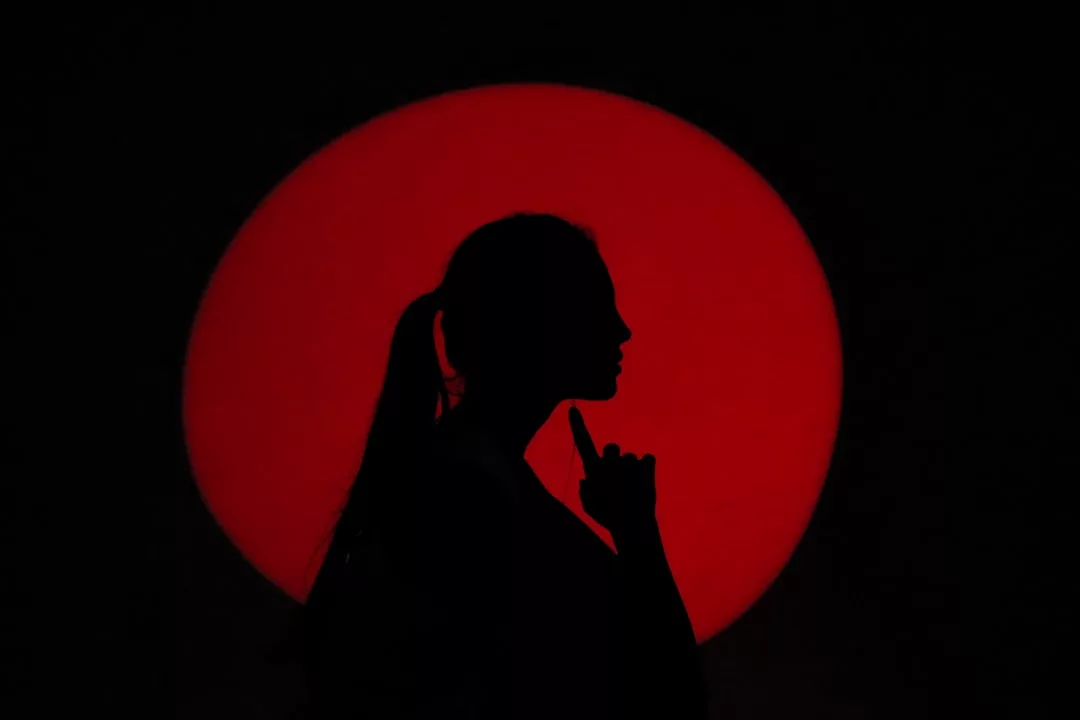
The blazer has a rich and storied history that traces its origins back to the early 19th century. Initially, it was a part of the British naval uniform, designed for functionality and ease of movement. The term “blazer” is believed to have originated from the bright red jackets worn by the crew of the HMS Blazer in 1837, which were intended to be both practical and visually striking.
This military connection imbued the blazer with a sense of authority and discipline, characteristics that would later be embraced by various social classes as it transitioned into civilian fashion. As the decades progressed, the blazer evolved from its utilitarian roots into a symbol of sophistication and style. By the late 19th century, it had made its way into the wardrobes of gentlemen and ladies alike, often worn as part of a more casual ensemble compared to the formal tailcoats of the time.
The blazer became synonymous with leisure activities, particularly in sports such as sailing and cricket, where it was often paired with flannel trousers. This shift marked the beginning of the blazer’s journey into mainstream fashion, paving the way for its status as a versatile wardrobe staple.
Key Takeaways
- The blazer has a rich history, originating as a military uniform and evolving into a fashion staple.
- When choosing a blazer, consider your body type to find the perfect fit and silhouette.
- A blazer can be dressed up with tailored trousers or dressed down with jeans for a versatile look.
- Investing in a quality blazer is worth the price for its versatility and timeless appeal.
- Different types of blazers, such as single-breasted and double-breasted, offer various style options for different occasions.
How to Choose the Perfect Blazer for Your Body Type
Flattering the Athletic Build
For those with an athletic build, a single-breasted blazer with structured shoulders can create a balanced look. Opting for blazers with a slight taper at the waist can add definition without compromising comfort.Fabric Selection for Versatility
Fabrics like wool or cotton blends provide structure while allowing for movement, making them ideal for both formal and casual settings.Accentuating Curves
Conversely, individuals with a curvier figure may find that a double-breasted blazer offers a flattering fit. The overlapping buttons can create an hourglass shape, especially when paired with a fitted blouse underneath. Choosing blazers with softer fabrics can also help avoid adding bulk, while details like a cinched waist or peplum can further enhance curves. Additionally, paying attention to sleeve length and shoulder fit is crucial; sleeves should ideally end just above the wrist bone to maintain a polished appearance.Styling Tips: How to Dress Up and Dress Down a Blazer
The versatility of a blazer allows it to transition seamlessly from formal to casual settings, making it an essential piece in any wardrobe. To dress up a blazer, consider pairing it with tailored trousers or a pencil skirt. A crisp white shirt or a silk blouse underneath can elevate the look, while accessories such as statement jewelry or a sleek clutch can add an element of sophistication.
Footwear plays a significant role in this transformation; opting for pointed-toe heels or polished loafers can complete the ensemble, making it suitable for business meetings or formal events. On the other hand, dressing down a blazer is equally achievable with the right combinations. For a more relaxed look, try pairing it with well-fitted jeans and a simple t-shirt or tank top.
This combination strikes a balance between casual and chic, perfect for weekend outings or casual Fridays at work. Sneakers or ankle boots can further enhance this laid-back vibe. Layering with a lightweight sweater or graphic tee can also add personality to the outfit while maintaining comfort.
The Versatility of the Blazer: From Workwear to Casual Wear
The blazer’s adaptability is one of its most appealing features, allowing it to fit seamlessly into various contexts. In professional environments, blazers are often seen as essential components of business attire. They convey professionalism and confidence, making them ideal for interviews, presentations, and networking events.
When styled correctly, blazers can help create an authoritative presence while still allowing for personal expression through color and fabric choices. However, the blazer’s versatility extends far beyond the office. In casual settings, it can be paired with denim shorts or a sundress for an effortlessly chic summer look.
The ability to layer a blazer over different outfits makes it suitable for transitional seasons as well. For instance, wearing a blazer over a lightweight sweater during fall not only adds warmth but also elevates an otherwise simple outfit. This adaptability ensures that blazers remain relevant across various fashion trends and lifestyle changes.
Investing in Quality: Why a Good Blazer is Worth the Price
When it comes to blazers, quality often trumps quantity. Investing in a well-made blazer can yield dividends in terms of longevity and versatility. High-quality materials such as wool, cashmere, or linen not only provide comfort but also maintain their shape over time, resisting wrinkles and sagging that often plague cheaper alternatives.
A good blazer will feature meticulous stitching, sturdy buttons, and a lining that enhances both comfort and durability. Moreover, a quality blazer can serve as a foundation for countless outfits, making it a wise investment for any wardrobe. Unlike fast fashion pieces that may fall out of style quickly or deteriorate after a few wears, a timeless blazer can be styled in various ways across seasons and trends.
This longevity means that while the initial cost may be higher, the cost-per-wear decreases significantly over time, making it an economically sound choice for fashion-conscious individuals.
The Different Types of Blazers: Single-breasted, Double-breasted, and more
Blazers come in various styles, each offering unique characteristics that cater to different tastes and occasions. The single-breasted blazer is perhaps the most common type; featuring one row of buttons and typically designed with a more streamlined silhouette, it is versatile enough for both formal and casual wear. This style is particularly flattering for those looking to create an elongated appearance.
In contrast, double-breasted blazers feature two rows of buttons and often provide a more structured look. They are ideal for creating an hourglass shape and are frequently associated with power dressing in professional settings. Additionally, there are variations such as cropped blazers that hit above the waistline, perfect for pairing with high-waisted trousers or skirts for a modern twist on classic styles.
Oversized blazers have also gained popularity in recent years; their relaxed fit offers comfort while still maintaining an air of sophistication.
Blazers for Women: How to Rock the Power Suit Look
The power suit has become synonymous with female empowerment in professional settings, and blazers play a pivotal role in achieving this look. A well-fitted blazer can exude confidence and authority while allowing women to express their personal style through color and fabric choices. Pairing a tailored blazer with matching trousers creates an ensemble that commands attention in boardrooms and meetings alike.
To truly rock the power suit look, women can experiment with different textures and patterns. A plaid or houndstooth blazer can add visual interest while still maintaining professionalism. Accessories such as bold earrings or statement belts can further enhance this look without detracting from its seriousness.
Additionally, incorporating modern elements like wide-leg trousers or ankle boots can keep the outfit fresh and relevant in today’s fashion landscape.
The Blazer as a Statement Piece: Bold Colors, Prints, and Patterns
While blazers are often associated with classic colors like navy or black, they can also serve as vibrant statement pieces that elevate any outfit. Bold colors such as emerald green or deep burgundy can add personality to an otherwise neutral ensemble. When styled correctly, these eye-catching blazers can become focal points of an outfit rather than mere layering pieces.
Prints and patterns also offer exciting opportunities for self-expression through blazers. Floral prints or geometric patterns can infuse energy into traditional styles, making them suitable for both casual outings and more formal events when paired thoughtfully with complementary pieces. A printed blazer over a simple dress or paired with tailored trousers can create an intriguing juxtaposition that showcases individual style while remaining polished.
The Blazer as a Layering Piece: Pairing it with Shirts, Sweaters, and Turtlenecks
Layering is an art form that can transform any outfit into something special, and blazers are perfect for this purpose. They provide structure and polish when layered over various tops such as button-down shirts or lightweight sweaters. For instance, pairing a classic navy blazer with a crisp white shirt creates an effortlessly chic look suitable for both work and social gatherings.
As temperatures drop, incorporating turtlenecks under blazers becomes increasingly popular. A fitted turtleneck adds warmth while maintaining elegance; this combination works particularly well in colder months when styled with tailored trousers or skirts. Additionally, experimenting with textures, such as pairing a wool blazer with a cashmere turtleneck, can create depth in an outfit while ensuring comfort during chilly days.
Blazers for Different Occasions: Formal Events, Casual Outings, and Everything in Between
The adaptability of blazers makes them suitable for virtually any occasion, from formal events to casual outings. Pairing these blazers with tailored trousers or elegant dresses creates an ensemble that is both sophisticated and stylish.
In contrast, for casual outings like brunches or weekend get-togethers, blazers can be styled more relaxedly without sacrificing style. Pairing them with denim jeans and comfortable footwear allows for ease of movement while still looking put-together. The key is to balance comfort with style; choosing lighter fabrics during warmer months ensures breathability while maintaining an effortlessly chic appearance.
How to Care for Your Blazer: Cleaning, Storage, and Maintenance Tips
Proper care is essential to prolonging the life of your blazer and ensuring it remains looking sharp over time. Dry cleaning is often recommended for blazers made from delicate fabrics like wool or silk; however, frequent dry cleaning can wear down materials faster than necessary. Instead, consider spot cleaning minor stains with cold water and mild detergent when possible.
Storage is equally important; hanging your blazer on padded hangers helps maintain its shape while preventing creases from forming. Avoid overcrowding your closet to allow adequate space for air circulation around each garment. For seasonal storage, consider using breathable garment bags to protect your blazers from dust while keeping them wrinkle-free until they are ready to be worn again.
By understanding these various aspects of blazers, from their historical significance to practical styling tips, you can appreciate their role as timeless fashion staples that continue to evolve within contemporary wardrobes.
More in
More from Fashion
Fashion · 2 min
Silk and Sartorial Smarts: Embracing the Singular Garment Principle
In an age of overwhelming choice, the ultimate luxury isn’t having more, it’s having the right thing. The modern wardrobe is undergoing a quiet r…
Fashion · 9 min
Dressing to Impress: The Art of Formal Wear
First impressions are often described as lasting impressions, and this adage holds significant weight in both personal and professional contexts. When…

Fashion · 9 min
Timeless Style: The Trench Coat
The trench coat has a rich and storied history that dates back to the late 19th century. Originally designed for military use, the trench coat was cre…