Fashion · Fashion
Bringing Back Retro: Embracing Vintage Style
In recent years, vintage style has experienced a remarkable resurgence, captivating the hearts of fashion enthusiasts and casual wearers alike. This revival is not merely a fleetin…
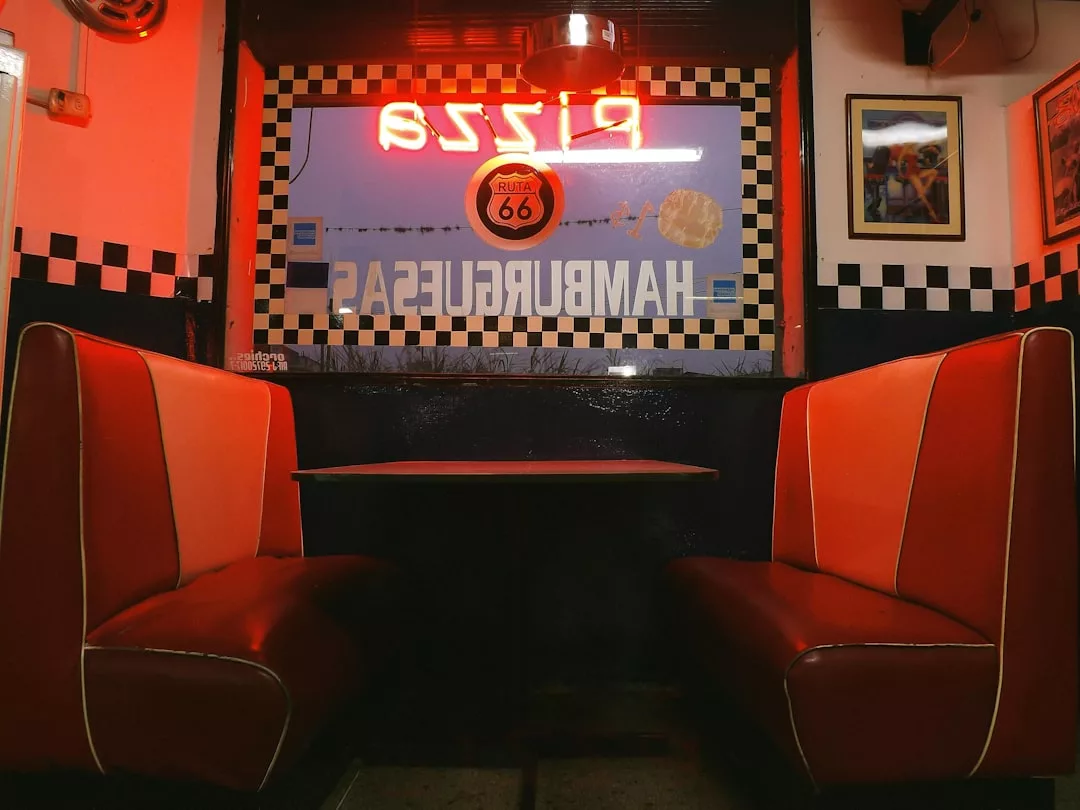
In recent years, vintage style has experienced a remarkable resurgence, captivating the hearts of fashion enthusiasts and casual wearers alike. This revival is not merely a fleeting trend; it represents a profound shift in how individuals perceive fashion and its relationship with personal identity. The allure of vintage clothing lies in its unique character, often telling stories of the past through intricate designs, fabrics, and craftsmanship that are increasingly rare in contemporary mass-produced garments.
As consumers become more discerning about their fashion choices, the desire for authenticity and individuality has propelled vintage style into the spotlight. The resurgence of vintage fashion can be attributed to several factors, including the rise of social media platforms that celebrate personal style and the growing awareness of sustainable practices in the fashion industry. Platforms like Instagram and TikTok have allowed vintage enthusiasts to showcase their finds, inspiring others to explore thrift stores and vintage shops.
This digital age has created a community where sharing outfits and styling tips fosters a sense of belonging among those who appreciate the charm of bygone eras. As a result, vintage style has transcended mere aesthetics, becoming a lifestyle choice that resonates with a generation seeking to express their uniqueness.
Key Takeaways
- Vintage style is making a comeback, with a resurgence in retro clothing and accessories.
- Embracing nostalgia and incorporating vintage pieces into your wardrobe can create a modern vintage look.
- Thrifting and shopping for quality vintage pieces can be rewarding and sustainable.
- Iconic vintage fashion trends are making a comeback and influencing contemporary fashion designers.
- Embracing vintage style allows for expressing personal style and finding comfort in the familiar.
Embracing Nostalgia: Why Vintage Fashion is Making a Comeback
Nostalgia plays a pivotal role in the resurgence of vintage fashion, as many individuals find comfort in styles reminiscent of their childhood or earlier decades. The emotional connection to past eras often evokes feelings of warmth and familiarity, making vintage clothing an appealing choice for those looking to reconnect with simpler times. For instance, the resurgence of 90s fashion, characterized by oversized denim jackets, graphic tees, and chunky sneakers, has been fueled by millennials and Gen Z who grew up during that decade.
This longing for the past is not just about aesthetics; it reflects a desire for authenticity in an increasingly digital world. Moreover, the current socio-political climate has led many to seek solace in nostalgia. As people navigate uncertainty and change, vintage fashion offers a tangible link to history, allowing them to express their identities through styles that have stood the test of time.
The cyclical nature of fashion means that trends from previous decades often resurface, but the emotional resonance behind these styles is what truly drives their popularity. Vintage clothing serves as a canvas for self-expression, enabling individuals to curate their wardrobes with pieces that reflect their personal narratives while simultaneously connecting them to a broader cultural heritage.
The Timeless Appeal of Retro Clothing and Accessories
Retro clothing and accessories possess an undeniable charm that transcends time. The craftsmanship evident in vintage garments often surpasses that of contemporary fast fashion, with attention to detail and quality materials that are increasingly hard to find today. For example, a well-tailored 1960s shift dress or a 1970s bohemian maxi skirt not only showcases unique silhouettes but also embodies the artistry of skilled artisans who poured their creativity into each piece.
This emphasis on quality over quantity resonates with consumers who are becoming more conscious of their purchasing decisions. Accessories also play a crucial role in the timeless appeal of vintage style. Items such as vintage handbags, statement jewelry, and classic sunglasses can elevate any outfit while adding a touch of personality.
A vintage brooch or a pair of cat-eye sunglasses can transform a simple ensemble into something extraordinary, allowing wearers to express their individuality effortlessly. The versatility of retro accessories means they can be paired with modern clothing, creating a harmonious blend of old and new that enhances personal style.
How to Incorporate Vintage Style into Your Wardrobe
Incorporating vintage style into your wardrobe can be an exciting journey of self-discovery and creativity. One effective approach is to start with statement pieces that resonate with your personal aesthetic. For instance, if you are drawn to the elegance of the 1950s, consider investing in a classic A-line dress or a tailored blazer that can be paired with contemporary bottoms for a balanced look.
Layering is another technique that allows you to mix vintage items with modern staples seamlessly; for example, pairing a vintage blouse with high-waisted jeans can create an effortlessly chic outfit. Floral prints from the 70s or bold geometric patterns from the 80s can add vibrancy to your wardrobe while allowing you to express your personality.
Accessories are also key; incorporating vintage belts, hats, or scarves can enhance your outfits without overwhelming them. Ultimately, the goal is to curate a wardrobe that reflects your individuality while celebrating the rich history of fashion.
Finding Quality Vintage Pieces: Tips for Thrifting and Shopping
Finding quality vintage pieces requires patience and an eye for detail, but the rewards are well worth the effort. Thrifting is one of the most popular methods for sourcing vintage clothing, as it allows you to discover unique items at affordable prices. When visiting thrift stores or flea markets, it’s essential to approach your search with an open mind and a willingness to explore various sections beyond just clothing, vintage home decor or accessories can also yield hidden gems.
When shopping for vintage pieces, consider factors such as fabric quality, construction techniques, and overall condition. Look for garments made from natural fibers like cotton, wool, or silk, as these materials tend to age better than synthetic alternatives. Additionally, inspect seams and stitching for signs of wear; well-constructed items will often have reinforced seams and finishings that indicate durability.
Don’t hesitate to ask store staff for assistance or recommendations; they may have insights into new arrivals or hidden treasures within the store.
The Art of Mixing Old and New: Creating a Modern Vintage Look
Creating a modern vintage look involves skillfully blending contemporary pieces with retro finds to achieve a harmonious aesthetic. One effective strategy is to choose one or two standout vintage items as focal points in your outfit while grounding them with modern basics. For example, pairing a vintage floral midi dress with sleek ankle boots and a minimalist handbag can create an effortlessly stylish ensemble that feels fresh yet nostalgic.
Layering is another powerful technique for achieving this look. A vintage denim jacket can be worn over a modern graphic tee and tailored trousers for an edgy yet sophisticated vibe. Accessories play a crucial role in this mix-and-match approach; incorporating modern jewelry or footwear can help bridge the gap between eras while allowing you to express your personal style.
Ultimately, the key is to experiment with different combinations until you find what resonates with you.
Embracing Sustainable Fashion: The Environmental Benefits of Vintage Style
The environmental benefits of embracing vintage style cannot be overstated in today’s fast-paced fashion landscape. Fast fashion contributes significantly to environmental degradation through excessive waste, pollution, and resource depletion. By choosing vintage clothing, consumers actively participate in sustainable practices by extending the life cycle of garments that might otherwise end up in landfills.
This conscious decision not only reduces waste but also promotes a circular economy where clothing is reused and repurposed rather than discarded. Moreover, vintage shopping often supports local businesses and artisans who prioritize ethical production methods over mass manufacturing. By investing in quality pieces from thrift stores or independent vintage shops, consumers contribute to sustainable economic practices while enjoying unique items that carry history and character.
This shift towards sustainability aligns with broader societal movements advocating for responsible consumption and environmental stewardship.
Iconic Vintage Fashion Trends That Are Making a Comeback
Several iconic vintage fashion trends have made notable comebacks in recent years, reflecting society’s evolving tastes and preferences. The high-waisted jeans trend from the 1980s has returned with a vengeance, embraced by both men and women who appreciate its flattering silhouette and versatility. Paired with crop tops or oversized sweaters, high-waisted jeans offer a nostalgic nod while remaining relevant in contemporary wardrobes.
Another trend experiencing revival is the classic trench coat: a staple from the 1960s that exudes sophistication and timeless elegance. Modern interpretations often feature updated fabrics and cuts while retaining the original design’s essence. Additionally, accessories like bucket hats and platform shoes from the 90s have resurfaced as popular choices among younger generations seeking to channel retro vibes in their outfits.
The Influence of Vintage Style on Contemporary Fashion Designers
Contemporary fashion designers increasingly draw inspiration from vintage styles as they seek to create collections that resonate with today’s consumers while paying homage to fashion history. Designers like Gucci’s Alessandro Michele have embraced eclectic aesthetics reminiscent of past decades, blending bold prints and textures that evoke nostalgia while remaining fresh and innovative. This fusion of old and new allows designers to create garments that tell stories while appealing to diverse audiences.
Moreover, many designers are incorporating sustainable practices into their collections by utilizing vintage-inspired designs or repurposing materials from previous seasons. This approach not only honors traditional craftsmanship but also aligns with growing consumer demand for ethical fashion choices. As vintage style continues to influence contemporary design, it fosters a deeper appreciation for fashion’s rich heritage while encouraging innovation within the industry.
Embracing Individuality: Expressing Your Personal Style Through Vintage Fashion
Vintage fashion offers an unparalleled opportunity for individuals to express their unique identities through clothing choices that reflect personal narratives and experiences. Unlike mass-produced garments that often prioritize conformity over individuality, vintage pieces allow wearers to curate wardrobes filled with items that resonate on a deeper level. Each piece carries its own story, whether it’s a 1940s dress passed down through generations or a quirky accessory found at a flea market, creating connections between past and present.
This emphasis on individuality extends beyond mere aesthetics; it encourages self-exploration and creativity as individuals experiment with different styles and combinations. This journey towards self-expression fosters confidence and authenticity in one’s style choices.
The Psychological Benefits of Embracing Vintage Style: Finding Comfort in the Familiar
The psychological benefits of embracing vintage style extend beyond aesthetics; they tap into deeper emotional connections rooted in nostalgia and familiarity. Wearing vintage clothing can evoke feelings of comfort and security as individuals connect with memories associated with specific styles or eras. For many, donning a retro piece may remind them of cherished moments spent with family or friends during formative years, creating an emotional anchor amidst life’s uncertainties.
Additionally, engaging with vintage fashion allows individuals to cultivate mindfulness around their clothing choices, encouraging them to appreciate craftsmanship rather than succumbing to fast fashion’s fleeting trends. This intentional approach fosters a sense of pride in one’s wardrobe while promoting self-acceptance through unique expressions of style. Ultimately, embracing vintage fashion becomes not just about looking good but also about feeling good, nurturing both personal identity and emotional well-being through thoughtful sartorial choices.
More in
More from Fashion
Fashion · 2 min
Silk and Sartorial Smarts: Embracing the Singular Garment Principle
In an age of overwhelming choice, the ultimate luxury isn’t having more, it’s having the right thing. The modern wardrobe is undergoing a quiet r…
Fashion · 9 min
Dressing to Impress: The Art of Formal Wear
First impressions are often described as lasting impressions, and this adage holds significant weight in both personal and professional contexts. When…

Fashion · 9 min
Timeless Style: The Trench Coat
The trench coat has a rich and storied history that dates back to the late 19th century. Originally designed for military use, the trench coat was cre…