Jewelry · Jewelry
Choosing the Perfect Engagement Ring
When embarking on the journey to purchase an engagement ring, one of the first concepts to grasp is the 4 Cs of diamonds: Carat, Cut, Color, and Clarity. Each of these attributes p…
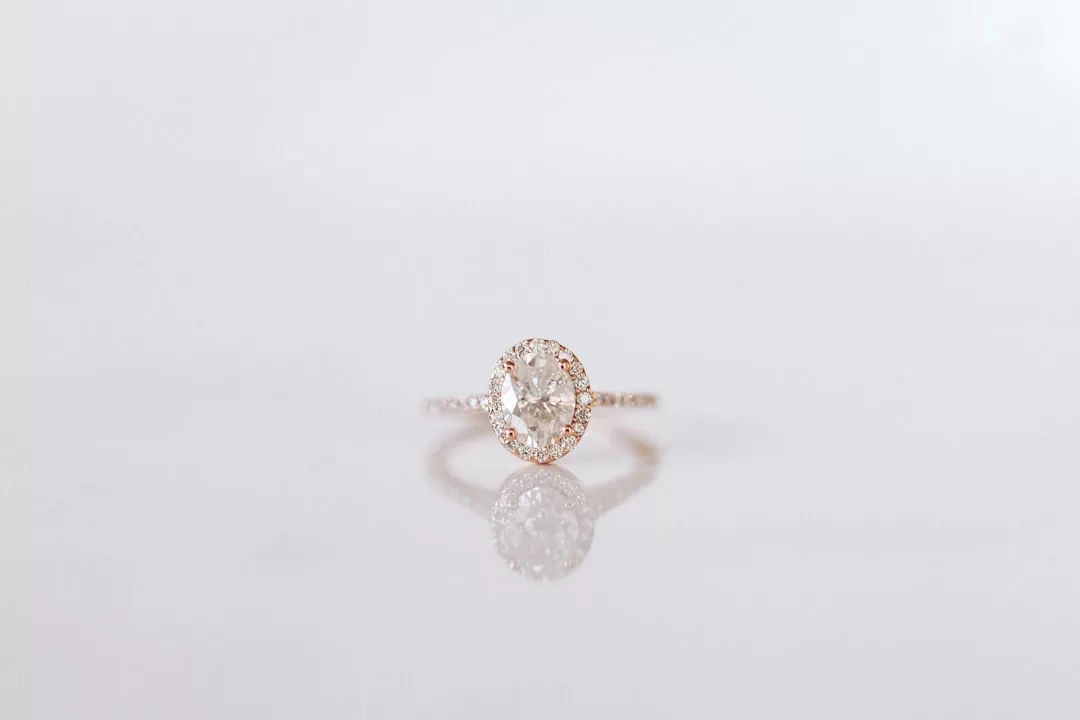
When embarking on the journey to purchase an engagement ring, one of the first concepts to grasp is the 4 Cs of diamonds: Carat, Cut, Color, and Clarity. Each of these attributes plays a crucial role in determining the overall quality and value of a diamond.2 grams.
While larger diamonds are often more desirable, it’s essential to balance carat weight with other factors, as a smaller diamond with superior cut and clarity can sometimes outshine a larger stone. It encompasses how well the diamond has been shaped and faceted, affecting how light interacts with the stone.
A well-cut diamond will reflect light beautifully, creating a dazzling effect that captures attention. Color, on the other hand, refers to the presence of any hues in a diamond, with the most sought-after stones being near colorless. The grading scale ranges from D (colorless) to Z (light yellow or brown).
Clarity assesses the presence of internal or external flaws, known as inclusions and blemishes, respectively. A diamond with fewer imperfections will not only be more beautiful but also more valuable.
Key Takeaways
- Understanding the 4 Cs of Diamonds: Learn about the cut, color, clarity, and carat weight to make an informed decision.
- Setting a Budget for the Ring: Determine a realistic budget that aligns with your financial situation and priorities.
- Choosing the Right Metal for the Band: Consider the durability, color, and style of metals like platinum, gold, and silver.
- Selecting the Perfect Diamond Shape: Explore various diamond shapes such as round, princess, and cushion to find the ideal one for your partner.
- Considering the Bride’s Personal Style: Take into account her preferences and lifestyle when choosing the ring design and setting.
Setting a Budget for the Ring
Establishing a budget for an engagement ring is a critical step that can significantly influence your purchasing decisions. Traditionally, it has been suggested that one should spend two to three months’ salary on an engagement ring; however, this guideline is increasingly viewed as outdated. The most important aspect of budgeting is to determine what you can comfortably afford without compromising your financial stability.
Consider your current financial situation, including savings, monthly expenses, and any upcoming financial commitments. Once you have a clear understanding of your financial landscape, it’s wise to allocate a specific amount for the ring. This budget should encompass not only the cost of the diamond but also the setting and any additional features you may want to include, such as engraving or side stones.
By setting a realistic budget, you can narrow down your options and focus on finding a ring that meets both your aesthetic desires and financial constraints. Remember that there are beautiful rings available at various price points, and it’s possible to find something stunning without breaking the bank.
Choosing the Right Metal for the Band
The choice of metal for the engagement ring band is another vital consideration that can affect both aesthetics and durability. Common options include platinum, white gold, yellow gold, and rose gold, each offering distinct characteristics and visual appeal. Platinum is known for its durability and hypoallergenic properties, making it an excellent choice for those with sensitive skin.
Its natural white sheen complements diamonds beautifully and resists tarnishing over time. White gold is an alloy that combines yellow gold with metals like palladium or nickel to achieve its silvery appearance. It is often plated with rhodium to enhance its luster but may require re-plating over time to maintain its shine.
Yellow gold has a classic appeal and is often associated with traditional engagement rings; its warm hue can enhance the color of certain diamonds. Rose gold has surged in popularity in recent years due to its romantic blush tone, which adds a unique touch to any ring design. When selecting the metal, consider not only personal preference but also lifestyle factors; for instance, if you lead an active lifestyle, a more durable metal like platinum may be preferable.
Selecting the Perfect Diamond Shape
The shape of the diamond is one of the most personal choices in designing an engagement ring. Each shape has its own unique characteristics and can evoke different emotions or styles. The round brilliant cut is the most popular shape due to its timeless appeal and exceptional sparkle; it features 58 facets that maximize light reflection.
Other popular shapes include princess cut, which offers a modern square silhouette; oval cut, which creates an elongated appearance; and cushion cut, known for its vintage charm with rounded corners. Beyond these traditional shapes, there are also less common options like pear-shaped diamonds, which combine elements of both round and marquise cuts for a teardrop effect, or marquise cut diamonds that create an illusion of greater size due to their elongated shape. When selecting a diamond shape, consider not only personal taste but also how it complements the overall design of the ring and fits with the bride’s hand shape.
Some shapes may appear larger than others at the same carat weight, so it’s worth exploring various options to find the perfect fit.
Considering the Bride’s Personal Style
Understanding the bride’s personal style is paramount when selecting an engagement ring that she will cherish for a lifetime. Her fashion preferences can provide valuable insights into what type of ring will resonate with her aesthetic sensibilities. For instance, if she gravitates towards vintage clothing and antique jewelry, a ring featuring intricate details or a vintage-inspired design may be ideal.
Conversely, if her style leans towards modern minimalism, a sleek solitaire setting with clean lines might be more appropriate. Additionally, consider her everyday jewelry choices. Does she prefer gold or silver?
Is she drawn to bold statement pieces or more delicate designs? Observing her existing jewelry collection can help guide your decision-making process. It’s also beneficial to take note of any hints she may drop about her dream ring or styles she admires.
Engaging in conversations about jewelry trends or browsing together can provide further clarity on her preferences without revealing your intentions.
Customizing the Ring to Make it Unique
In an age where personalization is highly valued, customizing an engagement ring can add a special touch that reflects the couple’s unique love story. Customization allows for creative freedom in designing a ring that embodies personal significance and style preferences. This could involve selecting specific gemstones, choosing unique settings, or incorporating meaningful symbols into the design.
For example, some couples opt for birthstones or other gemstones alongside diamonds to represent their birth months or significant milestones in their relationship. Working with a jeweler who specializes in custom designs can facilitate this process. They can help translate your ideas into tangible designs while providing expert advice on materials and techniques.
Whether you envision an intricate filigree band or a simple yet elegant setting with personalized engravings, customization ensures that the ring is one-of-a-kind and holds sentimental value for both partners.
Sizing and Fitting the Ring Properly
Ensuring that the engagement ring fits perfectly is crucial for both comfort and aesthetics. A well-fitted ring will not only look beautiful but also be practical for everyday wear. To determine the correct size, consider visiting a jeweler for an accurate measurement; they can assess finger size using specialized tools and techniques.
It’s important to note that finger size can fluctuate due to various factors such as temperature or time of day, so measuring at different times may yield different results. If you want to keep the proposal a surprise but are unsure about her size, there are discreet methods to gather this information. You could borrow one of her existing rings (from the correct finger) and take it to a jeweler for sizing or ask her friends or family for assistance in finding out her size without raising suspicion.
Additionally, consider whether she prefers a snug fit or slightly looser fit based on her lifestyle; those who work with their hands may prefer a slightly looser fit to accommodate swelling throughout the day.
Shopping for the Ring Together as a Couple
While traditional proposals often involve surprising one’s partner with an engagement ring, shopping for the ring together can be an enriching experience that fosters connection and collaboration. This approach allows both partners to express their preferences openly while ensuring that the final choice aligns with their shared vision for their future together. Visiting jewelry stores together provides an opportunity to explore various styles and settings while discussing what resonates with each individual.
Shopping together also alleviates some pressure from the person purchasing the ring; it eliminates uncertainty about whether their partner will love the chosen design. Furthermore, this collaborative process can lead to deeper conversations about values and expectations surrounding marriage and commitment. It’s essential to approach this experience with an open mind and willingness to compromise; after all, finding a ring that reflects both partners’ tastes is key to creating something truly special.
Researching Different Engagement Ring Designers
The choice of designer can significantly impact not only the quality of the engagement ring but also its overall aesthetic appeal and craftsmanship. Researching various designers allows you to discover unique styles and approaches to jewelry making that resonate with your vision for the perfect ring. Some designers specialize in vintage-inspired pieces while others focus on contemporary designs; understanding their specialties can help narrow down your options.
When evaluating designers, consider their reputation within the industry as well as customer reviews and testimonials. Many reputable jewelers have online portfolios showcasing their previous work; browsing these collections can provide insight into their design philosophy and craftsmanship quality. Additionally, visiting local boutiques or artisan jewelers can lead to discovering hidden gems that offer personalized service and unique designs not found in larger retail chains.
Considering Alternative Gemstones for the Ring
While diamonds are traditionally associated with engagement rings, alternative gemstones are gaining popularity as couples seek unique expressions of their love story. Gemstones such as sapphires, emeralds, rubies, and morganite offer vibrant colors and distinctive characteristics that can set an engagement ring apart from conventional designs. For instance, sapphires are known for their durability and come in various hues beyond blue; they symbolize loyalty and nobility.
Choosing an alternative gemstone allows couples to express individuality while often being more budget-friendly than diamonds. Additionally, some gemstones carry specific meanings or cultural significance that may resonate deeply with couples based on their backgrounds or experiences together. When considering alternative gemstones, it’s essential to research their properties regarding durability and care requirements; some stones may require more maintenance than others.
Ensuring the Ring is Ethically Sourced and Conflict-Free
In today’s socially conscious world, many couples prioritize ethical considerations when purchasing an engagement ring. Ensuring that the diamond or gemstone is ethically sourced means verifying that it has been obtained without contributing to human rights abuses or environmental degradation. The Kimberley Process was established to prevent conflict diamonds from entering the market; however, it’s essential to go beyond this certification by researching jewelers who prioritize ethical sourcing practices.
Many jewelers now offer lab-grown diamonds as an alternative; these stones possess identical physical properties to natural diamonds but are created in controlled environments without mining-related ethical concerns. Additionally, some jewelers focus on sourcing gemstones from responsible mines that adhere to fair labor practices and environmental sustainability standards. By choosing ethically sourced materials, couples can feel confident that their engagement ring represents not only their love but also their commitment to social responsibility.
More in
More from Jewelry
Jewelry · 8 min
Stylish Bar Jewelry: Elevate Your Look
Bar jewelry has emerged as a captivating trend in the world of accessories, captivating fashion enthusiasts and casual wearers alike. Characterized by…
Jewelry · 9 min
Unlocking the Elegance of the Emerald Cut
The emerald cut has a rich and storied history that dates back to the 15th century, originating in the lapidary practices of the Spanish and Portugues…
Jewelry · 9 min
Bangle: A Timeless Fashion Accessory
Bangle jewelry has a rich and diverse history that spans across various cultures and epochs. The origins of bangles can be traced back to ancient civi…