Jewelry · Jewelry
Choosing the Perfect Wedding Band
Establishing a budget is a fundamental step in the journey of purchasing a wedding band. It serves as a guiding framework that helps narrow down choices and ensures that the select…
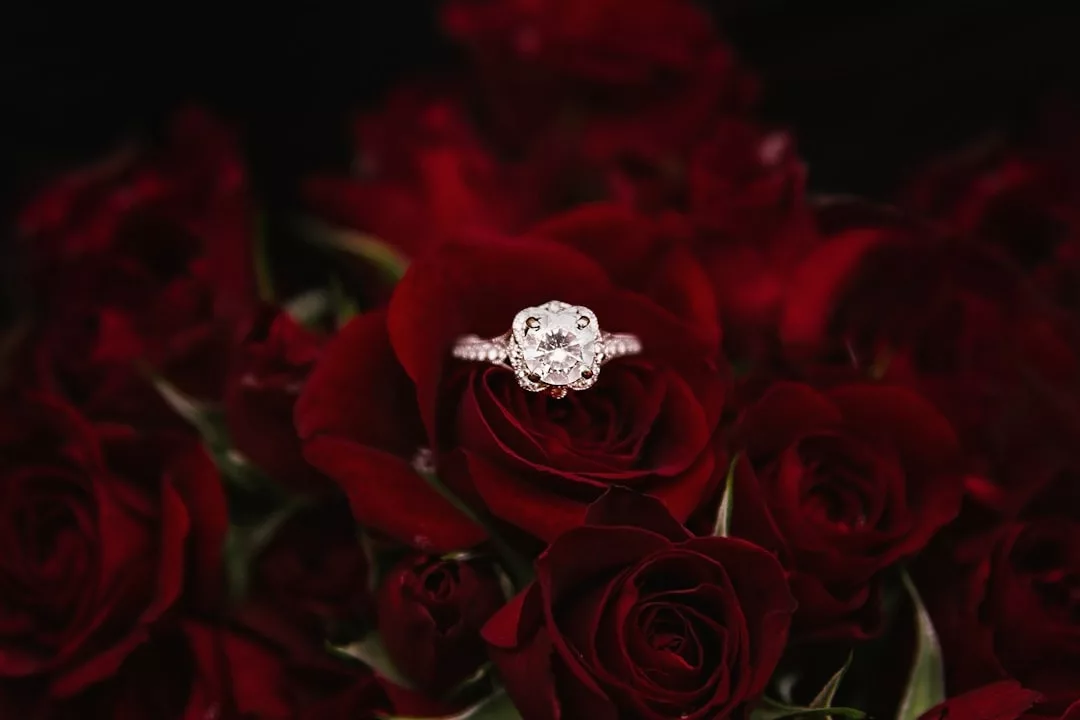
Establishing a budget is a fundamental step in the journey of purchasing a wedding band. It serves as a guiding framework that helps narrow down choices and ensures that the selection process remains enjoyable rather than overwhelming. When setting a budget, it is essential to consider not only the cost of the band itself but also any additional expenses that may arise, such as customizations, engravings, or the purchase of matching bands.
A well-defined budget allows couples to explore options within their financial means while still finding a piece that resonates with their personal style and significance. Moreover, it is crucial to approach budgeting with flexibility. While it is wise to set a limit, unexpected opportunities may arise, such as discovering a unique design or a higher-quality metal that may be slightly above the initial budget.
Couples should also consider the longevity of the piece; investing a bit more in a durable and timeless design can often be more economical in the long run. By balancing aspirations with financial realities, couples can find a wedding band that not only fits their budget but also embodies their love story.
Key Takeaways
- Setting a budget is the first step in the engagement ring buying process, helping to narrow down options and prevent overspending.
- Understanding different metal options such as platinum, gold, and silver can help in choosing a ring that suits personal style and budget.
- Considering personal style and preferences, such as vintage or modern designs, can help in selecting the perfect engagement ring.
- Choosing the right width and thickness of the band is important for both aesthetic appeal and comfort.
- Selecting a matching band for the engagement ring ensures a cohesive and complementary look for the wedding set.
Understanding Different Metal Options
The choice of metal for a wedding band is one of the most significant decisions couples will make, as it affects both the aesthetic and durability of the ring. Common options include gold, platinum, palladium, and silver, each with its unique properties and appeal. Gold, available in various karats and colors such as yellow, white, and rose, is a classic choice that offers warmth and versatility.
The karat indicates the purity of gold; for instance, 18k gold contains 75% gold and 25% other metals, providing a balance between durability and luster. Platinum, on the other hand, is renowned for its strength and hypoallergenic properties. It is denser than gold, making it an excellent choice for those who lead active lifestyles or work with their hands frequently.
Its natural white sheen does not tarnish over time, ensuring that the ring maintains its brilliance. Palladium, part of the platinum family, offers similar benefits but at a lower price point. Silver is another option, though it is less durable than gold or platinum and may require more maintenance to keep its shine.
Understanding these metal options allows couples to make informed decisions based on their lifestyle, preferences, and budget.
Considering Personal Style and Preferences
When selecting a wedding band, personal style plays an integral role in ensuring that the ring reflects the couple’s individuality and shared values. Some individuals may prefer classic designs that exude timeless elegance, while others might gravitate toward modern or unconventional styles that make a bold statement. It is essential to consider how the wedding band will complement the engagement ring, as well as how it aligns with the wearer’s everyday aesthetic.
For those who appreciate minimalism, a simple band with clean lines may be ideal. Conversely, individuals who enjoy intricate details might opt for bands adorned with milgrain edges or subtle engravings. Additionally, personal preferences can extend to lifestyle considerations; for example, someone who frequently engages in outdoor activities may prioritize comfort and durability over elaborate designs.
By reflecting on personal style and preferences, couples can select a wedding band that not only symbolizes their commitment but also resonates with their unique identities.
Choosing the Right Width and Thickness
The width and thickness of a wedding band are critical factors that influence both comfort and appearance. Bands come in various widths, typically ranging from 2mm to 10mm or more. A narrower band may be more suitable for individuals with smaller hands or those who prefer a delicate look, while wider bands can create a bolder statement and may be more appropriate for larger hands.
It is essential to try on different widths to see how they feel and look on the finger; what appears appealing in theory may not always translate well in practice. Thickness also plays a role in the overall comfort of the ring. A thicker band may provide a sense of sturdiness and presence but could feel cumbersome for some wearers.
Conversely, thinner bands can be lightweight and comfortable but may require more care to avoid bending or damage. Couples should consider their daily activities when choosing width and thickness; for instance, those who work with their hands frequently might prefer a medium-width band that balances comfort with durability. Ultimately, finding the right combination of width and thickness ensures that the wedding band feels as good as it looks.
Selecting a Matching Band for Your Engagement Ring
For many couples, finding a wedding band that complements the engagement ring is an essential part of the selection process. When selecting a matching band, it is important to consider factors such as metal type, design elements, and overall aesthetic.
For example, if the engagement ring features intricate detailing or unique gemstones, a simpler wedding band may provide balance while still maintaining visual interest. Additionally, some couples opt for custom-designed bands that are specifically tailored to fit alongside the engagement ring. This approach allows for greater creativity and personalization, ensuring that both rings tell a cohesive story.
It is also worth considering how the two rings will look when worn together; trying on both rings simultaneously can help visualize how they interact in terms of size, shape, and overall style. By thoughtfully selecting a matching band, couples can create a stunning ensemble that symbolizes their commitment while reflecting their unique tastes.
Customizing with Engravings or Gemstones
Customization adds a personal touch to wedding bands, allowing couples to infuse their rings with meaningful symbols or messages. Engravings are a popular choice; they can range from initials and significant dates to heartfelt phrases or quotes that resonate with the couple’s journey together. This intimate detail transforms an ordinary band into a cherished keepsake that tells a story beyond its physical appearance.
In addition to engravings, incorporating gemstones into the design can further enhance personalization. Some couples choose to add birthstones or other meaningful stones that represent significant moments in their relationship. For instance, sapphires symbolize loyalty and wisdom, while emeralds represent love and rebirth.
The placement of these stones can vary; they may be set into the band itself or used as accents alongside diamonds or other precious gems. Customization not only elevates the aesthetic appeal of the wedding band but also creates an enduring connection between the couple and their chosen piece.
Exploring Unique Designs and Finishes
In today’s jewelry market, there is an abundance of unique designs and finishes available for wedding bands that cater to diverse tastes and preferences. Beyond traditional styles, couples can explore options such as twisted bands, braided designs, or asymmetrical shapes that break away from conventional norms. These distinctive styles allow individuals to express their personalities while celebrating their union in an innovative way.
Finishes also play a significant role in defining the overall look of a wedding band. Polished finishes offer a sleek and shiny appearance, while matte finishes provide a more understated elegance. Hammered textures can add depth and character to the ring, creating visual interest without overwhelming simplicity.
Couples should consider how different finishes interact with various metals; for example, a matte finish on white gold can create an intriguing contrast against polished yellow gold accents. By exploring unique designs and finishes, couples can find a wedding band that truly stands out while still embodying their love story.
Seeking a Comfortable Fit
Comfort is paramount when selecting a wedding band since it will likely be worn daily for years to come. A well-fitting ring should feel secure yet not overly tight; it should slide over the knuckle easily while remaining snug enough to prevent slipping off during everyday activities. To ensure an optimal fit, it is advisable to have fingers measured by a professional jeweler at different times of day since finger size can fluctuate due to temperature changes or physical activity.
Additionally, considering factors such as ring shape can enhance comfort further. Traditional bands are typically round in shape; however, some individuals may prefer comfort-fit designs that feature rounded edges on the inside of the band for added ease when wearing. Trying on various styles can help determine which shape feels best against the skin and allows for smooth movement throughout daily tasks.
Prioritizing comfort ensures that the wedding band becomes an effortless part of daily life rather than an uncomfortable accessory.
Evaluating Durability and Maintenance
Durability is an essential consideration when selecting a wedding band since it must withstand daily wear over time without losing its beauty or structural integrity. Different metals exhibit varying levels of durability; for instance, platinum is known for its resilience against scratches and dents due to its density, making it an excellent choice for those who lead active lifestyles. Gold bands can also be durable but may require more maintenance depending on their karat; higher karat gold tends to be softer and more prone to scratches.
Maintenance requirements should also be evaluated when choosing a wedding band. Some metals require regular polishing to maintain their shine, while others may need periodic inspections for loose stones or signs of wear. Couples should consider how much time they are willing to invest in upkeep; those who prefer low-maintenance options might lean toward metals like titanium or tungsten carbide that are highly resistant to scratches and tarnishing.
By evaluating durability alongside maintenance needs, couples can select a wedding band that aligns with their lifestyle while ensuring it remains beautiful for years to come.
Shopping for Ethical and Sustainable Options
In recent years, there has been an increasing awareness surrounding ethical sourcing practices within the jewelry industry. Many couples now seek wedding bands made from ethically sourced materials or sustainable practices that minimize environmental impact. This includes choosing conflict-free diamonds or gemstones certified by organizations such as the Responsible Jewelry Council (RJC) or Fair Trade Jewelry Association (FTJA).
These certifications ensure that stones are sourced responsibly without contributing to human rights abuses or environmental degradation. Additionally, some jewelers offer recycled metals as an option for creating wedding bands. Recycled gold or platinum reduces the need for new mining operations while still providing high-quality materials for crafting beautiful rings.
Couples interested in sustainability should inquire about sourcing practices when shopping for wedding bands; many jewelers are now transparent about their supply chains and are eager to share information about their ethical commitments.
Consulting with a Professional Jeweler
Engaging with a professional jeweler can significantly enhance the experience of selecting a wedding band by providing expert guidance tailored to individual needs and preferences. A knowledgeable jeweler can offer insights into various metal options, design possibilities, and customization choices based on current trends and timeless styles alike. They can also assist in determining proper sizing and fit while addressing any concerns regarding durability or maintenance.
Moreover, consulting with a jeweler allows couples to explore unique options they may not have considered initially, such as alternative materials like ceramic or wood, and gain access to custom design services if desired. A reputable jeweler will take the time to understand each couple’s vision while providing honest feedback on what will work best within their budget constraints. By leveraging professional expertise throughout this process, couples can make informed decisions that result in beautiful wedding bands they will cherish for years to come.
More in
More from Jewelry
Jewelry · 8 min
Stylish Bar Jewelry: Elevate Your Look
Bar jewelry has emerged as a captivating trend in the world of accessories, captivating fashion enthusiasts and casual wearers alike. Characterized by…
Jewelry · 9 min
Unlocking the Elegance of the Emerald Cut
The emerald cut has a rich and storied history that dates back to the 15th century, originating in the lapidary practices of the Spanish and Portugues…
Jewelry · 9 min
Bangle: A Timeless Fashion Accessory
Bangle jewelry has a rich and diverse history that spans across various cultures and epochs. The origins of bangles can be traced back to ancient civi…