Jewelry · Jewelry
Crafting Unique Artisanal Jewelry: The Perfect Statement Pieces
Artisanal jewelry represents a unique intersection of creativity, craftsmanship, and personal expression. Unlike mass-produced pieces, artisanal jewelry is often handcrafted by ski…
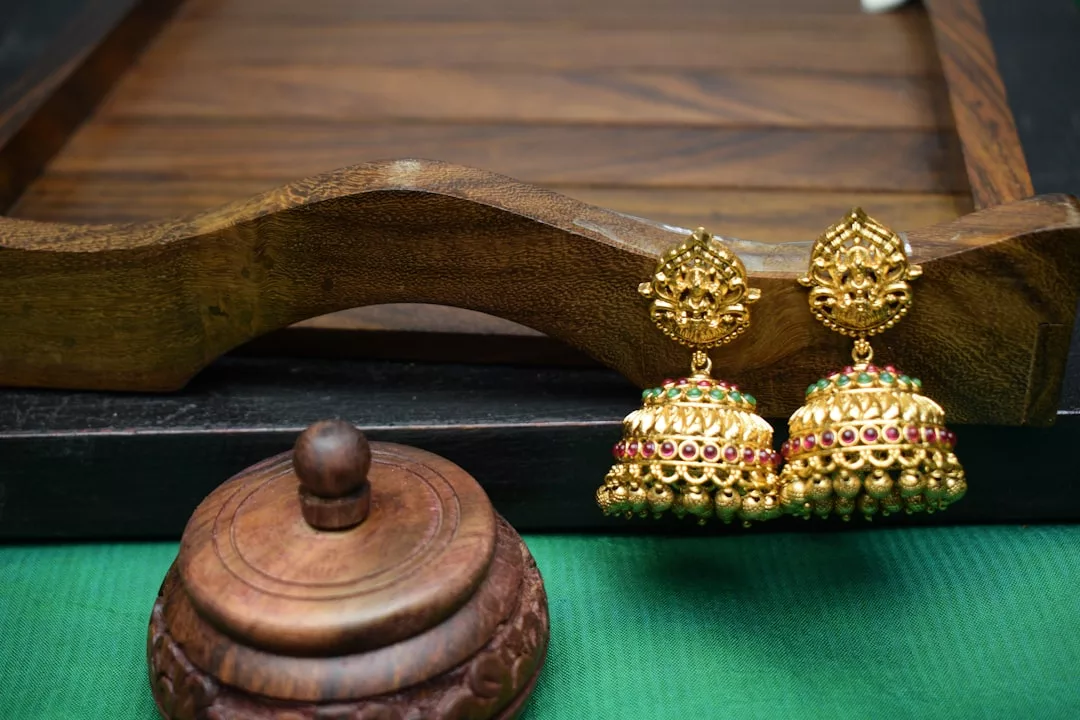
Artisanal jewelry represents a unique intersection of creativity, craftsmanship, and personal expression. Unlike mass-produced pieces, artisanal jewelry is often handcrafted by skilled artisans who pour their passion and expertise into each creation. This form of jewelry is characterized by its individuality, often featuring distinctive designs that reflect the artist’s vision and the cultural influences that inspire them.
The artisanal approach emphasizes the use of traditional techniques, which can include hand-forging, stone-setting, and intricate metalwork, allowing for a level of detail and quality that is often absent in factory-made items. The allure of artisanal jewelry lies not only in its aesthetic appeal but also in the story behind each piece. Every item carries with it the narrative of its maker, the materials used, and the inspiration drawn from various sources.
This connection to the artist adds a layer of meaning that resonates with consumers who seek more than just an accessory; they desire a piece that embodies artistry and authenticity. As a result, artisanal jewelry has gained popularity among those who appreciate craftsmanship and wish to support independent artisans rather than large corporations.
Key Takeaways
- Artisanal jewelry is handcrafted with attention to detail and unique design, making each piece one-of-a-kind.
- Inspiration for artisanal jewelry designs can come from nature, culture, history, and personal experiences, allowing for endless creativity.
- Choosing high-quality materials such as precious metals, gemstones, and natural elements is essential for creating artisanal jewelry with lasting value.
- Quality craftsmanship is crucial for artisanal jewelry, as it ensures durability, precision, and a high standard of artistry.
- Adding personal touches, such as custom engravings or meaningful symbols, can make artisanal jewelry even more special and meaningful to the wearer.
Finding Inspiration for Unique Designs
Inspiration for unique designs in artisanal jewelry can be drawn from a myriad of sources, ranging from nature to architecture, and even personal experiences. Nature, with its diverse forms and colors, serves as a rich wellspring for creativity. For instance, the intricate patterns found in leaves or the vibrant hues of gemstones can inspire organic shapes and color combinations in jewelry design.
An artisan might observe the delicate symmetry of a flower petal and translate that into a pendant or earrings that mimic its elegance. This connection to the natural world not only enhances the aesthetic quality of the jewelry but also fosters a deeper appreciation for the environment. Cultural influences also play a significant role in shaping unique designs.
Artisans often draw upon their heritage or the traditions of other cultures to create pieces that celebrate diversity and history. For example, an artisan inspired by African tribal art might incorporate bold geometric patterns and vibrant colors into their work, while another influenced by Japanese aesthetics may focus on minimalism and subtlety. By blending these cultural elements with contemporary design sensibilities, artisans can create jewelry that tells a story and resonates with a wide audience.
Choosing the Right Materials for Artisanal Jewelry
The choice of materials is paramount in the creation of artisanal jewelry, as it directly impacts both the aesthetic and functional qualities of the final piece. Artisans often opt for high-quality metals such as gold, silver, or platinum, which not only provide durability but also enhance the overall visual appeal. Additionally, many artisans are increasingly exploring alternative materials like recycled metals or ethically sourced gemstones to align with sustainable practices.
The use of such materials not only reflects a commitment to environmental responsibility but also appeals to consumers who prioritize ethical considerations in their purchasing decisions. Incorporating unique materials can also set an artisan’s work apart from others in the market. For instance, using unconventional elements like wood, resin, or even textiles can lead to innovative designs that challenge traditional notions of jewelry.
An artisan might create a necklace that features a combination of metal and wood, resulting in a striking contrast between the two materials. This experimentation not only showcases the artisan’s creativity but also invites customers to engage with jewelry in new and exciting ways.
The Importance of Quality Craftsmanship
Quality craftsmanship is the backbone of artisanal jewelry, distinguishing it from mass-produced alternatives. The meticulous attention to detail that artisans apply during the creation process ensures that each piece is not only visually stunning but also structurally sound. Techniques such as hand-soldering, stone-setting, and polishing require a high level of skill and patience, which artisans cultivate over years of practice.
This dedication to quality is evident in the finished product, where imperfections are minimized, and each element is thoughtfully considered. Moreover, quality craftsmanship fosters trust between artisans and their customers. When consumers invest in artisanal jewelry, they are often looking for pieces that will stand the test of time.
Artisans who prioritize craftsmanship are more likely to produce items that endure wear and tear while maintaining their beauty. This reliability encourages repeat business and word-of-mouth referrals, as satisfied customers share their positive experiences with others. In an industry where authenticity and quality are paramount, craftsmanship serves as a critical differentiator.
Incorporating Personal Touches into Your Designs
Incorporating personal touches into artisanal jewelry designs allows artisans to create pieces that resonate on a deeper level with their customers. Personalization can take many forms, from custom engravings to the inclusion of meaningful symbols or stones that hold significance for the wearer. For example, an artisan might offer clients the option to engrave initials or special dates on a bracelet, transforming it into a cherished keepsake that celebrates important moments in their lives.
Additionally, artisans can draw inspiration from their own experiences and emotions when designing pieces. A necklace inspired by a significant life event or a ring that reflects personal beliefs can create a strong emotional connection between the piece and its owner. This level of personalization not only enhances the value of the jewelry but also fosters loyalty among customers who appreciate the thoughtfulness behind each design.
By making their creations more meaningful, artisans can cultivate lasting relationships with their clientele.
Balancing Trendy and Timeless Elements
Navigating the delicate balance between trendy and timeless elements is crucial for artisans looking to create jewelry that appeals to a broad audience while maintaining longevity in style. Trends in fashion can shift rapidly; therefore, incorporating fleeting styles without compromising on timelessness requires careful consideration. For instance, an artisan might choose to design a classic silhouette, such as hoop earrings, while adding trendy embellishments like colorful gemstones or unique textures to keep them fresh and relevant.
Timeless designs often draw upon classic motifs or shapes that have endured through generations. By grounding their work in these enduring elements while infusing contemporary touches, artisans can create pieces that resonate with both current trends and long-term appeal. This approach not only attracts trend-conscious consumers but also ensures that the jewelry remains desirable over time, allowing it to be cherished for years rather than discarded after a season.
Selecting the Perfect Statement Piece for Every Occasion
Artisanal jewelry offers an array of statement pieces that can elevate any outfit or occasion. Selecting the perfect piece involves understanding both the event’s nature and personal style preferences. For formal occasions such as weddings or galas, an artisan might recommend bold necklaces adorned with intricate beadwork or elegant drop earrings featuring sparkling gemstones.
These statement pieces serve not only as accessories but also as focal points that enhance the overall look while reflecting individual personality. Conversely, for casual outings or everyday wear, artisans can create more understated yet impactful pieces that add flair without overwhelming an outfit. A simple yet striking cuff bracelet or a pair of minimalist stud earrings can provide just the right touch of elegance while remaining versatile enough for various settings.
By offering guidance on how to select statement pieces tailored to specific occasions, artisans can help customers make informed choices that enhance their personal style.
Marketing and Selling Your Artisanal Jewelry
Marketing artisanal jewelry requires a strategic approach that highlights its unique qualities while connecting with potential customers on an emotional level. One effective method is storytelling; sharing the narrative behind each piece, such as the inspiration behind its design or the techniques used in its creation, can captivate audiences and foster a sense of connection with the brand. Utilizing social media platforms like Instagram or Pinterest allows artisans to showcase their work visually while engaging with followers through behind-the-scenes content or live demonstrations.
Additionally, participating in local craft fairs or artisan markets provides opportunities for direct interaction with customers. Building relationships within local communities can also lead to collaborations with other artists or businesses, further expanding reach and visibility.
Connecting with Your Target Audience
Understanding and connecting with your target audience is essential for any artisanal jewelry business aiming for success. Conducting market research helps identify customer demographics, preferences, and purchasing behaviors that inform design choices and marketing strategies. Engaging with customers through surveys or social media polls can provide valuable insights into what they seek in artisanal jewelry, be it specific styles, materials, or price points.
Once you have identified your target audience, tailoring your messaging to resonate with them becomes crucial. For instance, if your audience consists primarily of environmentally conscious consumers, emphasizing sustainable practices in your production process will likely resonate deeply with them. By aligning your brand values with those of your audience, you create a sense of community around your work that fosters loyalty and encourages repeat business.
Embracing Sustainability in Artisanal Jewelry Making
Sustainability has become an increasingly important consideration in artisanal jewelry making as consumers become more aware of environmental issues associated with traditional mining practices and mass production methods. Artisans are now exploring ways to minimize their ecological footprint by sourcing materials responsibly, opting for recycled metals or ethically mined gemstones whenever possible. This commitment not only reflects a dedication to environmental stewardship but also appeals to consumers who prioritize sustainability in their purchasing decisions.
Moreover, sustainable practices extend beyond material sourcing; they encompass production methods as well. Artisans can adopt energy-efficient techniques or utilize eco-friendly packaging solutions to further reduce their impact on the environment. By transparently communicating these efforts to customers through marketing channels or product descriptions, artisans can build trust while positioning themselves as leaders in sustainable jewelry making.
Navigating the Challenges of Running an Artisanal Jewelry Business
Running an artisanal jewelry business comes with its own set of challenges that require resilience and adaptability. One significant hurdle is competition, not only from other artisans but also from mass-produced brands that may offer lower prices due to economies of scale. To stand out in this crowded marketplace, artisans must continuously innovate their designs while maintaining quality craftsmanship that justifies their pricing.
Additionally, managing production timelines can be challenging for artisans who juggle multiple roles within their businesses, from design to marketing to customer service. Establishing efficient workflows and setting realistic timelines are essential for meeting customer expectations without compromising quality. Furthermore, building a strong online presence through e-commerce platforms can help reach wider audiences while providing flexibility in managing sales outside traditional retail environments.
In conclusion, navigating these challenges requires a combination of creativity, strategic thinking, and dedication to one’s craft, qualities inherent in every successful artisan jeweler striving to make their mark in this vibrant industry.
More in
More from Jewelry
Jewelry · 8 min
Stylish Bar Jewelry: Elevate Your Look
Bar jewelry has emerged as a captivating trend in the world of accessories, captivating fashion enthusiasts and casual wearers alike. Characterized by…

Jewelry · 9 min
Unlocking the Elegance of the Emerald Cut
The emerald cut has a rich and storied history that dates back to the 15th century, originating in the lapidary practices of the Spanish and Portugues…
Jewelry · 9 min
Bangle: A Timeless Fashion Accessory
Bangle jewelry has a rich and diverse history that spans across various cultures and epochs. The origins of bangles can be traced back to ancient civi…