News · News
Creating Timeless Elegance: The Art of Interior Design
Timeless elegance is a design philosophy that transcends fleeting trends and fads, focusing instead on enduring beauty and sophistication. It embodies a sense of refinement that ca…
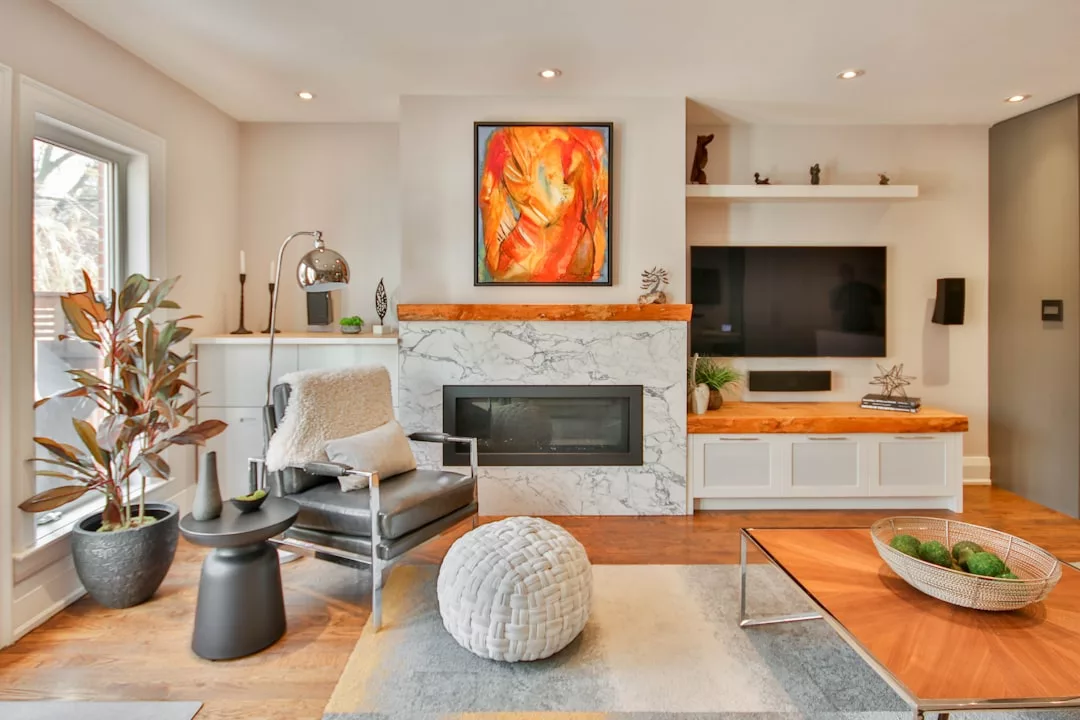
Timeless elegance is a design philosophy that transcends fleeting trends and fads, focusing instead on enduring beauty and sophistication. It embodies a sense of refinement that can be appreciated across generations, often characterized by simplicity, quality, and a harmonious blend of elements. This concept is not merely about aesthetics; it reflects a lifestyle choice that values craftsmanship, heritage, and the emotional resonance of spaces.
Timeless elegance invites individuals to create environments that are not only visually appealing but also deeply personal and meaningful. At its core, timeless elegance is about creating spaces that evoke a sense of comfort and tranquility. It often draws inspiration from classic design principles, incorporating elements that have stood the test of time.
This can include architectural features, furniture styles, and color palettes that have remained relevant despite the ever-changing landscape of interior design. By understanding and embracing this concept, one can curate a home that feels both sophisticated and inviting, allowing for a seamless blend of past and present influences.
Key Takeaways
- Timeless elegance is about creating a sophisticated and enduring aesthetic that transcends trends and fads.
- Classic and quality furniture pieces are essential for achieving a timeless look that will stand the test of time.
- Neutral color schemes provide a versatile and timeless backdrop for any interior design style.
- Luxurious textures and fabrics add depth and richness to a space, elevating its elegance.
- Embracing symmetry and balance in design creates a sense of harmony and timelessness in a space.
Choosing Classic and Quality Furniture
When it comes to selecting furniture that embodies timeless elegance, the focus should be on classic designs that prioritize quality over quantity. Pieces that are well-crafted from durable materials not only stand the test of time but also exude an air of sophistication. For instance, a solid wood dining table with intricate detailing can serve as a stunning centerpiece in a dining room, while also providing functionality for family gatherings and entertaining guests.
The choice of materials is crucial; hardwoods like oak, walnut, or mahogany are not only aesthetically pleasing but also offer longevity. In addition to material quality, the design of the furniture should reflect classic styles that have remained popular through the years. Think of pieces inspired by mid-century modern aesthetics or traditional European designs.
A Chesterfield sofa, with its deep button tufting and rolled arms, can add a touch of luxury to a living room while remaining versatile enough to fit various decor styles. By investing in such timeless pieces, homeowners can create an environment that feels cohesive and thoughtfully curated, rather than one that is dictated by transient trends.
Incorporating Neutral Color Schemes
Neutral color schemes are a hallmark of timeless elegance, providing a serene backdrop that allows other design elements to shine. Shades such as beige, taupe, gray, and soft whites create a calming atmosphere while offering versatility in decor choices. These colors serve as a canvas upon which one can layer textures, patterns, and accent colors without overwhelming the space.
For example, a soft gray wall can beautifully complement rich wooden furniture and vibrant artwork, creating a balanced visual experience. Moreover, neutral palettes have the added benefit of being adaptable to changing tastes over time. Unlike bold colors that may feel dated after a few years, neutrals provide a sense of continuity and can easily accommodate seasonal decor changes or personal style evolutions.
By incorporating various shades and tones within the neutral spectrum, such as pairing warm beige with cool gray, one can achieve depth and interest without sacrificing the overall elegance of the space.
Adding Luxurious Textures and Fabrics
The tactile quality of materials plays a significant role in achieving timeless elegance. Incorporating luxurious textures and fabrics can elevate a space from ordinary to extraordinary. Consider using sumptuous fabrics like silk, velvet, or high-quality linen for upholstery and drapery.
A velvet armchair in a deep jewel tone can serve as an inviting focal point in a room while adding an element of opulence. Layering different textures, such as pairing a soft wool throw with a sleek leather sofa, creates visual intrigue and enhances the overall comfort of the space. In addition to upholstery, textiles can be introduced through area rugs, cushions, and throws.
A handwoven Persian rug can anchor a room while providing warmth underfoot, while decorative pillows in varying textures can add depth to seating arrangements. The interplay of different materials not only contributes to the aesthetic appeal but also invites touch and interaction, making the space feel more inviting and lived-in.
Embracing Symmetry and Balance
Symmetry is a fundamental principle in achieving timeless elegance, as it creates a sense of order and harmony within a space. For instance, flanking a fireplace with matching armchairs or placing identical lamps on either side of a console table can establish visual equilibrium.
This approach not only enhances the aesthetic appeal but also fosters an atmosphere of tranquility. However, achieving symmetry does not mean sacrificing individuality or creativity. One can introduce asymmetrical elements, such as an abstract sculpture or an oversized piece of art, while maintaining overall balance through careful placement.
The key is to ensure that each element complements the others, creating a cohesive look that feels intentional rather than chaotic. By embracing symmetry alongside thoughtful asymmetry, one can cultivate spaces that are both elegant and dynamic.
Selecting Statement Pieces
Incorporating statement pieces into a design scheme is an effective way to infuse personality while maintaining an air of timeless elegance. These standout items serve as focal points that draw the eye and spark conversation. A grand chandelier in an entryway or an oversized piece of artwork above a fireplace can set the tone for the entire space.
When selecting statement pieces, it’s essential to choose items that resonate personally while also aligning with the overall aesthetic. For example, an antique mirror with intricate detailing can add character to a hallway while reflecting light and creating an illusion of space. Similarly, a bold piece of modern art can juxtapose beautifully against classic furnishings, creating an engaging dialogue between different styles.
The key is to ensure that these statement pieces are thoughtfully integrated into the design rather than feeling out of place or overwhelming.
Incorporating Architectural Details
Architectural details play a crucial role in enhancing the timeless elegance of any space. Features such as crown molding, wainscoting, or coffered ceilings add depth and character to rooms while showcasing craftsmanship and attention to detail. These elements not only elevate the aesthetic appeal but also contribute to the overall ambiance by creating visual interest at various levels within the space.
In addition to traditional architectural details, consider incorporating modern interpretations that align with timeless elegance. For instance, sleek paneling or minimalist built-ins can provide functionality while maintaining clean lines that resonate with contemporary sensibilities. By blending classic architectural features with modern design elements, one can create spaces that feel both rooted in tradition and relevant to today’s lifestyle.
Using Art and Accessories to Enhance the Space
Art and accessories are essential components in achieving timeless elegance, as they allow for personal expression while enhancing the overall design narrative. A carefully curated gallery wall featuring family photos alongside art prints can create a sense of history while showcasing individual style.
Accessories such as vases, sculptures, and decorative trays also play a significant role in completing the look of a room. Opt for items made from high-quality materials like glass or ceramic that reflect light and add sophistication. When arranging accessories, consider varying heights and shapes to create visual interest while maintaining cohesion with other design elements.
Thoughtfully chosen art and accessories not only enhance the aesthetic appeal but also tell a story about the inhabitants of the space.
Balancing Modern and Traditional Elements
Achieving timeless elegance often involves striking a balance between modern and traditional elements within a space. This fusion allows for creativity while ensuring that the overall design remains cohesive and sophisticated. For instance, pairing contemporary furniture with vintage accessories can create an engaging contrast that feels fresh yet grounded in history.
A sleek modern coffee table can be beautifully complemented by traditional armchairs upholstered in rich fabrics. When blending styles, it’s essential to maintain a common thread throughout the design, whether it’s through color palettes, materials, or shapes, that ties everything together. This approach allows for individuality while ensuring that no single element feels out of place.
By thoughtfully balancing modernity with tradition, one can create spaces that are both dynamic and enduringly elegant.
Creating a Sense of Openness and Airiness
A hallmark of timeless elegance is the ability to create spaces that feel open and airy. This can be achieved through thoughtful layout choices, strategic use of color, and careful selection of furnishings. Open floor plans allow for fluid movement between spaces while maximizing natural light, a crucial element in creating an inviting atmosphere.
Large windows dressed in light fabrics can enhance this effect by allowing sunlight to filter through while maintaining privacy. In addition to layout considerations, incorporating mirrors strategically can amplify light and create an illusion of spaciousness. A large mirror placed opposite a window reflects outdoor views while making the room feel larger than it is.
Choosing furniture with slender profiles rather than bulky designs also contributes to an open feel; for example, opting for transparent acrylic chairs instead of heavy wooden ones can maintain visual flow without sacrificing style.
Maintaining a Clean and Uncluttered Space
Finally, maintaining a clean and uncluttered space is essential for achieving timeless elegance. A clutter-free environment not only enhances visual appeal but also promotes mental clarity and relaxation. This involves being intentional about what items are displayed within the home; each piece should serve a purpose or evoke positive emotions rather than simply filling space.
Implementing smart storage solutions, such as built-in cabinetry or decorative baskets, can help keep belongings organized while contributing to the overall aesthetic. Regularly reassessing decor items ensures that only those which resonate personally remain visible, allowing for an environment that feels curated rather than chaotic. By prioritizing cleanliness and organization, one can cultivate spaces that embody timeless elegance while fostering tranquility and comfort.
More in
More from News
News · 15 min
Future of Luxury Fashion: Innovation, Technology, and the Next Frontier
Discover the future of luxury fashion: how AI, blockchain, digital couture, bio-fabricated materials and sustainability are reshaping maisons and the …
News · 15 min
Celebrity Style Guide: Decoding the Fashion of the Famous
Decode celebrity style: how stylists, red carpet partnerships, and social media shape fashion, plus archetypes and tips to build a celebrity-inspired …
News · 14 min
Luxury Lifestyle Guide: Curating the Art of Living Well
Discover the luxury lifestyle as the art of living well: quiet luxury in travel, wine, home design, wardrobe, watches, and wellness, curated with inte…