News · News
Discover the Joy of Movement: Dance Classes for All Ages
Dance is a universal language that transcends cultural boundaries and age barriers, offering a plethora of benefits for individuals at every stage of life. Engaging in dance not on…
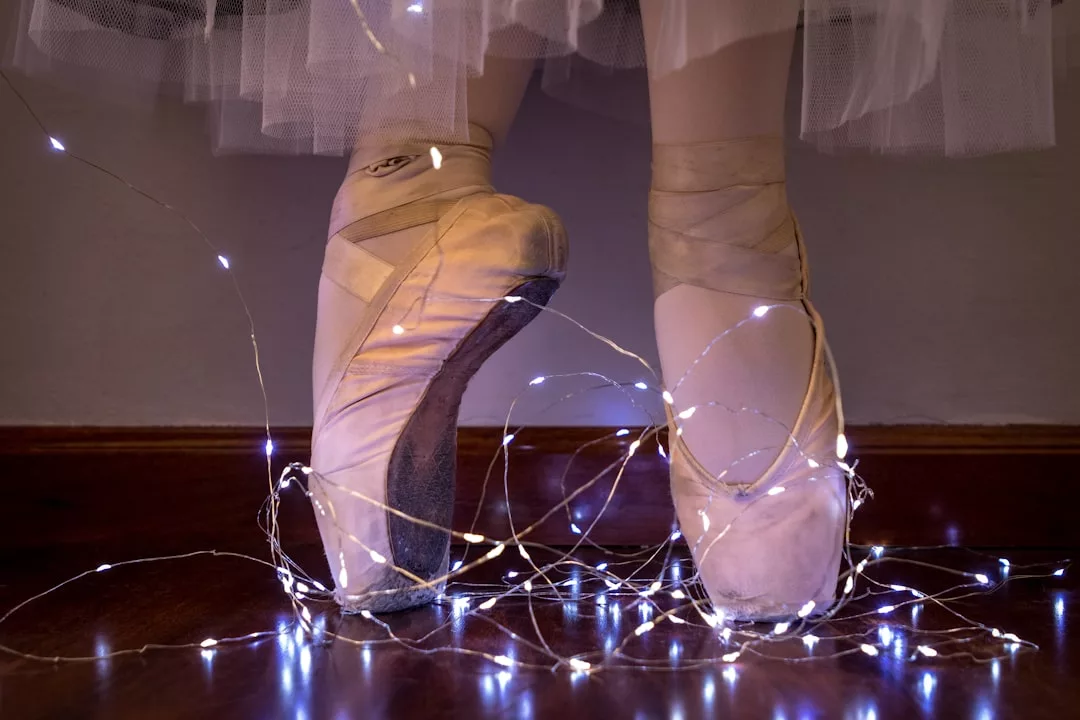
Dance is a universal language that transcends cultural boundaries and age barriers, offering a plethora of benefits for individuals at every stage of life. Engaging in dance not only promotes physical fitness but also enhances cognitive function, emotional expression, and social interaction. For children, dance can improve coordination, balance, and motor skills, laying a foundation for a healthy lifestyle.
As individuals progress into adulthood, dance continues to provide an outlet for creativity and self-expression while fostering community connections. For seniors, dance can be a joyful way to maintain mobility and improve overall health, proving that the rhythm of life can be embraced at any age. Moreover, the benefits of dance extend beyond the physical realm.
Studies have shown that participating in dance can lead to improved mental health outcomes, including reduced symptoms of anxiety and depression. The act of moving to music stimulates the release of endorphins, which are natural mood lifters. Additionally, dance encourages mindfulness and presence, allowing individuals to escape from daily stressors and immerse themselves in the moment.
This holistic approach to well-being makes dance an invaluable activity for people of all ages, promoting not just physical health but also emotional resilience and social connectivity.
Key Takeaways
- Dance provides physical, mental, and emotional benefits for people of all ages.
- It’s important to find a dance class that is tailored to your specific age group and skill level.
- Toddlers and preschoolers can benefit from dance classes that focus on creativity, coordination, and social interaction.
- Elementary school-aged children can explore various dance styles and develop their skills in a supportive environment.
- Middle school and high school students can use dance classes as a way to express themselves and relieve stress.
Finding the Right Dance Class for Your Age Group
When considering dance classes, it is essential to find the right fit based on age and skill level. Different age groups have unique developmental needs and interests that should be taken into account when selecting a class. For young children, classes that focus on play and creativity are often more beneficial than those that emphasize strict technique.
Conversely, older students may seek classes that challenge their skills and provide opportunities for performance. Understanding these nuances can help parents and individuals make informed decisions about which classes will be most enjoyable and beneficial. In addition to age appropriateness, it is crucial to consider the teaching style and environment of the dance class.
Some students thrive in structured settings with clear expectations, while others may prefer a more relaxed atmosphere that encourages exploration and improvisation. Researching local studios, reading reviews, and attending trial classes can provide valuable insights into what each program offers. Ultimately, finding the right dance class involves a combination of personal preference, developmental suitability, and the quality of instruction available.
Dance Classes for Toddlers and Preschoolers
Dance classes for toddlers and preschoolers are designed to introduce young children to the joy of movement in a fun and engaging way. These classes often incorporate elements of play, allowing children to explore their bodies through imaginative activities that promote coordination and rhythm. For instance, a typical class might include games that involve hopping like a bunny or spinning like a top, which not only entertain but also develop gross motor skills essential for early childhood development.
In addition to physical benefits, dance classes for this age group foster social skills as children learn to interact with peers in a group setting. They practice taking turns, following directions, and expressing themselves creatively through movement. Furthermore, exposure to music and rhythm at an early age can enhance cognitive development, as studies suggest that musical training is linked to improved language skills and mathematical understanding.
Thus, enrolling toddlers and preschoolers in dance classes can provide a solid foundation for both physical and cognitive growth.
Exploring the World of Dance for Elementary School-Aged Children
As children enter elementary school, their interests in dance often expand beyond simple movement into more structured forms of expression. Dance classes for this age group typically introduce various styles such as ballet, jazz, hip-hop, and contemporary dance. Each style offers unique techniques and benefits; for example, ballet emphasizes discipline and grace while hip-hop encourages creativity and self-expression through improvisation.
This diversity allows children to explore different aspects of dance and discover what resonates with them personally. Moreover, participating in dance during elementary school can significantly enhance a child’s self-esteem and confidence. As they learn new skills and master choreography, they experience a sense of accomplishment that can translate into other areas of their lives. These experiences not only build confidence but also teach valuable lessons about teamwork and dedication as they work together with peers toward a common goal.
Dance Classes for Middle School and High School Students
Middle school and high school students often seek more advanced dance training as they develop their skills and interests further. At this stage, students may choose to specialize in specific styles or even pursue competitive dance opportunities. Classes may become more rigorous, focusing on technique refinement, choreography creation, and performance preparation.
This level of commitment can be incredibly rewarding for students who are passionate about dance and wish to pursue it seriously. In addition to technical training, dance classes during these formative years can serve as an important outlet for self-expression during a time when many adolescents are navigating complex emotions and social dynamics. Dance provides a safe space for students to channel their feelings creatively while also fostering friendships with like-minded peers.
The camaraderie built in these classes can lead to lasting relationships that extend beyond the studio, creating a supportive community that encourages personal growth both inside and outside of dance.
Adult Dance Classes: It’s Never Too Late to Start
For adults considering taking up dance, it is essential to recognize that it is never too late to start this enriching activity. Many studios offer beginner classes specifically designed for adults who may have little or no prior experience. These classes often focus on building foundational skills while providing a welcoming environment where participants can feel comfortable exploring their movement abilities without fear of judgment.
Adult dance classes can also serve as an excellent way to relieve stress and break away from the routine of daily life. Engaging in physical activity has been shown to improve mood and overall well-being; when combined with the joy of dancing, it becomes an even more powerful tool for enhancing mental health. Additionally, adult dancers often find that they develop new friendships through shared experiences in class, creating social connections that enrich their lives outside of the studio.
The Health Benefits of Dance for Seniors
Seniors can greatly benefit from participating in dance classes tailored to their needs and abilities. Engaging in regular physical activity through dance helps maintain mobility, flexibility, and balance, key factors in preventing falls among older adults. Many studies have demonstrated that seniors who participate in dance experience improved cardiovascular health, increased strength, and enhanced coordination compared to those who do not engage in regular exercise. The social aspect of group classes fosters connections with others, combating feelings of loneliness or isolation that can sometimes accompany aging. Furthermore, learning new choreography stimulates cognitive function by challenging memory and coordination skills.
This combination of physical activity and social engagement makes dance an ideal choice for seniors looking to enhance their quality of life.
How Dance Classes Can Improve Mental Well-being for All Ages
The mental health benefits of dance are profound and applicable across all age groups. Engaging in dance encourages self-expression through movement, allowing individuals to process emotions in a constructive way. For children navigating the complexities of growing up or adults facing work-related stressors, dancing provides an outlet for releasing pent-up energy or frustration while promoting relaxation.
Research has shown that regular participation in dance can lead to decreased symptoms of anxiety and depression across various demographics. The rhythmic nature of dancing combined with music creates an immersive experience that fosters mindfulness, a state where individuals become fully present in the moment. This focus on the here-and-now can help alleviate worries about the past or future, contributing to improved mental clarity and emotional stability.
Choosing the Right Dance Style for Your Age Group
Selecting the appropriate dance style is crucial for maximizing enjoyment and benefits at any age. For toddlers and preschoolers, styles that emphasize creative movement, such as creative dance or pre-ballet, are ideal as they encourage exploration without rigid structure. As children grow older into elementary school years, they may gravitate toward styles like jazz or hip-hop that allow for more energetic expression.
For teens and adults seeking more technical training or performance opportunities, ballet or contemporary dance may be appealing due to their emphasis on technique and artistry. Seniors might find styles such as ballroom or line dancing particularly enjoyable; these forms not only provide physical activity but also foster social interaction through partner work or group settings. Ultimately, choosing a style should align with personal interests while considering physical capabilities to ensure a fulfilling experience.
The Social and Emotional Benefits of Dancing at Any Age
Dancing serves as a powerful medium for social interaction across all ages. In group classes or social dances, individuals have the opportunity to meet new people who share similar interests while building friendships through shared experiences. This sense of community is especially important for seniors who may face isolation; engaging in regular social activities like dancing can significantly enhance their emotional well-being.
Emotionally, dancing allows individuals to express feelings that may be difficult to articulate verbally. Whether it’s joy through upbeat music or melancholy through slower rhythms, movement provides an avenue for emotional release that can be therapeutic. This expressive quality makes dance not just an art form but also a vital tool for emotional health at every stage of life.
How to Get Started with Dance Classes for All Ages
Getting started with dance classes is an exciting journey that begins with research into local studios or community centers offering programs tailored to various age groups. Many studios provide introductory classes or trial sessions that allow prospective dancers to experience different styles before committing long-term. It’s beneficial to inquire about class sizes, instructor qualifications, and student-to-teacher ratios to ensure a supportive learning environment.
Once enrolled in a class, it’s important to approach the experience with an open mind and a willingness to learn. Dance is about exploration; embracing mistakes as part of the learning process fosters growth while enhancing enjoyment. Whether you’re a toddler taking your first steps or an adult rediscovering your passion for movement after years away from it, every dancer’s journey is unique, filled with opportunities for personal development through rhythm and expression.
More in
More from News

News · 15 min
Future of Luxury Fashion: Innovation, Technology, and the Next Frontier
Discover the future of luxury fashion: how AI, blockchain, digital couture, bio-fabricated materials and sustainability are reshaping maisons and the …
News · 15 min
Celebrity Style Guide: Decoding the Fashion of the Famous
Decode celebrity style: how stylists, red carpet partnerships, and social media shape fashion, plus archetypes and tips to build a celebrity-inspired …

News · 14 min
Luxury Lifestyle Guide: Curating the Art of Living Well
Discover the luxury lifestyle as the art of living well: quiet luxury in travel, wine, home design, wardrobe, watches, and wellness, curated with inte…