Jewelry · Jewelry
DIY Friendship Bracelet: A Symbol of Unbreakable Bonds
Friendship bracelets have a rich and varied history that spans cultures and centuries. The origins of these colorful tokens of affection can be traced back to ancient civilizations…
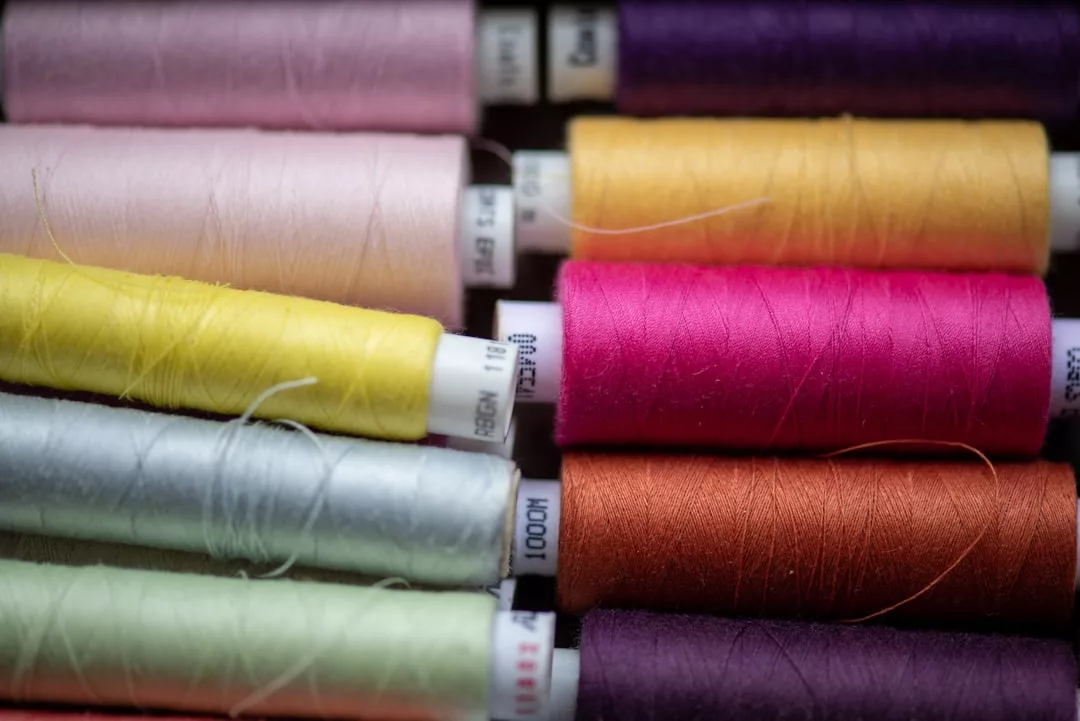
Friendship bracelets have a rich and varied history that spans cultures and centuries. The origins of these colorful tokens of affection can be traced back to ancient civilizations, where they were often crafted from natural materials such as threads, beads, and even animal hides. In many indigenous cultures, these bracelets served not only as symbols of friendship but also as talismans believed to carry protective qualities.
For instance, the Huichol people of Mexico have long created intricate beadwork and woven bracelets that symbolize their connection to one another and to the spiritual world. These early forms of friendship bracelets were often imbued with cultural significance, representing bonds that transcended mere companionship. The modern iteration of friendship bracelets gained prominence in the 1970s and 1980s, particularly within the context of youth culture.
The rise of the hippie movement and the subsequent popularity of craft-making led to a resurgence in the creation of woven bracelets, often made from embroidery floss. These colorful accessories became a staple among teenagers, symbolizing camaraderie and loyalty. The act of making and exchanging friendship bracelets became a rite of passage, a way for young people to express their feelings for one another in a tangible form.
This period saw the emergence of various knotting techniques, which allowed for greater creativity and personalization in bracelet design.
Key Takeaways
- Friendship bracelets have a long history, dating back to ancient Central American civilizations.
- When choosing materials for your friendship bracelet, consider the recipient’s style and preferences.
- There are various techniques for making friendship bracelets, including knotting, braiding, and weaving.
- Personalizing your friendship bracelet with initials, charms, or colors can make it even more meaningful.
- Friendship bracelets symbolize the bond between friends and the importance of giving and receiving them.
Choosing the Right Materials for Your Friendship Bracelet
Embroidery Floss: The Popular Choice
This type of thread is made from six strands of cotton, allowing for easy manipulation and knotting. When choosing embroidery floss, consider opting for high-quality brands that offer a wide range of colors. This will not only enhance the visual appeal of your bracelet but also ensure durability, allowing it to withstand daily wear.Adding Unique Textures and Styles
In addition to embroidery floss, other materials can be incorporated into friendship bracelets to add unique textures and styles. Beads, for example, can be threaded onto the bracelet to create patterns or spell out names. Wooden beads, glass beads, or even semi-precious stones can elevate the design and make it more personal.Reflecting Personality and Friendship
Additionally, incorporating leather or hemp cord can provide a rustic touch, appealing to those who prefer a more bohemian aesthetic. Ultimately, the choice of materials should reflect both the personality of the maker and the recipient, ensuring that each bracelet is a true representation of their friendship.Different Techniques for Making Friendship Bracelets
The art of making friendship bracelets encompasses a variety of techniques, each offering its own unique style and complexity. One of the most popular methods is the simple knotting technique known as the “braid.” This technique involves dividing strands of thread into three sections and weaving them together in a repetitive pattern. The braid is not only easy to master but also allows for endless variations in color combinations, making it an ideal choice for beginners.
For those seeking a more intricate design, the “macramé” technique offers a sophisticated approach to bracelet-making. Macramé involves creating knots in a series of patterns that can produce stunning geometric shapes or even intricate motifs. This technique requires more practice and patience but results in visually striking pieces that showcase the maker’s skill.
Another advanced method is the “chevron” pattern, which creates a zigzag effect by alternating colors in a specific sequence. Each technique brings its own charm and character to the finished product, allowing makers to express their creativity while crafting meaningful gifts.
Personalizing Your Friendship Bracelet
Personalization is at the heart of friendship bracelets, transforming them from simple accessories into cherished keepsakes. One effective way to personalize a bracelet is by incorporating initials or names into the design. This can be achieved through beadwork or by using specific knotting techniques that allow for letter formation.
For example, using alphabet beads can spell out a friend’s name or a meaningful word that encapsulates your relationship. Beyond names and initials, personalizing friendship bracelets can also involve selecting colors that hold significance for both friends. Each color can represent different emotions or traits; for instance, blue may symbolize loyalty while yellow represents joy.
By choosing colors that resonate with shared experiences or inside jokes, the bracelet becomes a tangible reminder of your bond. Additionally, charms or pendants can be added to further enhance personalization; these small trinkets can represent hobbies, interests, or memorable moments shared between friends.
The Symbolism Behind Friendship Bracelets
Friendship bracelets are steeped in symbolism, serving as powerful representations of connection and loyalty. Traditionally, these bracelets signify an unbreakable bond between friends, often worn as a reminder of promises made to one another. The act of giving a friendship bracelet is imbued with meaning; it signifies trust and commitment to maintaining the relationship despite life’s challenges.
In many cultures, the colors and patterns used in friendship bracelets carry specific meanings as well. For instance, in some Native American traditions, certain colors are believed to represent different elements or spiritual forces. Similarly, in modern contexts, specific patterns may symbolize various aspects of friendship, such as support during difficult times or celebration during joyous occasions.
This rich tapestry of symbolism adds depth to the act of wearing and exchanging friendship bracelets, making them more than just decorative items but rather profound tokens of affection.
The Importance of Giving and Receiving Friendship Bracelets
The act of giving and receiving friendship bracelets holds significant emotional weight in relationships. When one friend presents a bracelet to another, it serves as an affirmation of their bond, a tangible expression of love and appreciation. This gesture often marks important milestones in friendships, such as birthdays or anniversaries, reinforcing the connection between individuals.
Receiving a friendship bracelet can evoke feelings of gratitude and belonging. It signifies that someone values you enough to create something special just for you. This exchange fosters a sense of community and support among friends, reminding them that they are not alone in their journeys.
In times of hardship or uncertainty, wearing a friendship bracelet can serve as a source of comfort, a physical reminder that someone cares deeply about you.
How to Make a Friendship Bracelet Step by Step
Creating a friendship bracelet can be an enjoyable and rewarding experience. To begin, gather your materials: embroidery floss in your chosen colors, scissors, and tape or a clipboard to secure your work area.
Next, tie all strands together in a knot about an inch from one end; this will serve as your starting point. Secure this knot with tape or clip it to your workspace to keep it steady while you work. Begin your chosen knotting technique, whether it’s braiding or macramé, following your desired pattern until you reach your desired length.
Once complete, tie off the end with another knot and trim any excess thread. Finally, present your finished bracelet to your friend with pride; this handmade gift embodies your creativity and affection.
Creative Ways to Exchange Friendship Bracelets
Exchanging friendship bracelets can be an event in itself, adding an element of fun and creativity to the process. One popular method is to host a “bracelet-making party,” where friends gather to create their own designs while sharing stories and laughter. This communal atmosphere not only fosters creativity but also strengthens bonds as everyone participates in crafting something meaningful.
Another imaginative way to exchange bracelets is through scavenger hunts or surprise reveals. Friends can hide their completed bracelets in locations that hold significance within their relationship, such as where they first met or shared memorable experiences, and provide clues leading to these spots. This adds an element of excitement and anticipation to the exchange while reinforcing shared memories.
Friendship Bracelet Etiquette: Dos and Don’ts
When it comes to friendship bracelets, certain etiquette guidelines can enhance the experience for both makers and recipients. This attention to detail shows that you value their individuality and strengthens the bond between you.
Conversely, one significant “don’t” is to pressure someone into wearing or displaying a bracelet they do not feel comfortable with. While these tokens are meant to symbolize friendship, forcing someone into wearing something they dislike can lead to feelings of resentment rather than appreciation. Respecting personal choices ensures that the act of giving remains positive and meaningful.
Maintaining the Meaning of Friendship Bracelets in the Digital Age
In an increasingly digital world where communication often occurs through screens rather than face-to-face interactions, maintaining the significance of friendship bracelets requires intentionality. While social media allows friends to connect instantly across distances, it can sometimes overshadow tangible expressions of affection like handmade gifts. To preserve the meaning behind friendship bracelets in this context, consider incorporating digital elements into their exchange, such as sharing photos or videos showcasing the bracelet-making process on social media platforms while tagging each other in posts celebrating your friendship.
This blend of digital interaction with physical tokens can create a richer narrative around your relationship while keeping traditional practices alive.
The Enduring Popularity of Friendship Bracelets
Despite changing trends in fashion and technology, friendship bracelets continue to hold enduring appeal across generations. Their ability to convey deep emotional connections makes them timeless gifts that resonate with people from all walks of life. As new crafting techniques emerge and styles evolve, the core essence remains unchanged: these bracelets symbolize love, loyalty, and shared experiences.
The resurgence of DIY culture has also contributed to their popularity; many individuals find joy in creating something unique by hand rather than purchasing mass-produced items from stores. This shift towards personalization aligns perfectly with what friendship bracelets represent, individuality within connection, and ensures that they will remain cherished tokens for years to come.
More in
More from Jewelry
Jewelry · 8 min
Stylish Bar Jewelry: Elevate Your Look
Bar jewelry has emerged as a captivating trend in the world of accessories, captivating fashion enthusiasts and casual wearers alike. Characterized by…
Jewelry · 9 min
Unlocking the Elegance of the Emerald Cut
The emerald cut has a rich and storied history that dates back to the 15th century, originating in the lapidary practices of the Spanish and Portugues…
Jewelry · 9 min
Bangle: A Timeless Fashion Accessory
Bangle jewelry has a rich and diverse history that spans across various cultures and epochs. The origins of bangles can be traced back to ancient civi…